In the age of change and shifting technological, environmental, social, and cultural trends, the curiosity of the human mind makes you question what architecture will look like in the future. Will architects exist? Will sustainability still be relevant? Or will we move to a virtual world where the physical realm of buildings no longer exists? The future of architecture cannot be known definitively and is highly speculative as it depends on various factors such as environmental concerns, technological advancements, societal changes, and cultural shifts, but emerging trends and patterns in architecture can lead to predictions on how architecture will look in the future.
Architecture consists of various niches that directly or indirectly co-relate to the process of construction and building. To understand the prospects of architecture in the future, it is essential to focus on how these niches will be impacted in the coming times. Major trends can be observed in 4 major components of architecture. Let’s have a look at what the future holds for each of these components.
Future of Building Construction
- Materials
The materials used in construction are changing as the construction industry evolves. Innovative construction materials are altering the way we build, providing more sustainable, efficient, and cost-effective alternatives to traditional materials.
Material science and building process advancements will provide architects with new options. Self-healing materials, 3D-printed structures, carbon nanotubes, and other innovative materials have the potential to change building design and construction.
These technologies, ranging from 3D printed concrete to translucent wood, have the potential to modify the construction industry by making buildings safer, more durable, and ecologically friendly.
- Building construction processes
Traditional processes such as engineering design, procurement of materials, onsite building and construction, and project management will convert into configuration and structural design, strategic sourcing, prefabrication and onsite installation, and smart portfolio management respectively. Regular advancements suggest that construction will be faster, safer, more precise, and relatively less wasteful in the future.
- Implications of AR and VR
Augmented reality (AR) and Virtual reality (VR) technology are expected to see strong growth in the AEC industry over the next 5 to 10 years as AR technology matures and construction firms go through digital transformations[MDPI,2020]. The AR/VR technology can be implemented in project presentations for 3D models, provide virtual tours, track progress during construction, enhance collaboration between team members, increase safety, and assist in construction training. In the future trends and surveys predict the amalgamation of AR and VR, forming mixed reality (MR) enabling users to be immersed in a virtual world while being aware of the physical environment.
- AI for construction
AI can make a significant contribution to the construction sector through its future possibilities. Data procured from simulations and models can be analyzed to understand trends and patterns that can offer a fresh perspective for automation of management processes. This can help in challenges such as cost and schedule overruns and safety concerns.
 Future Role of Design Professionals
Role of a designer
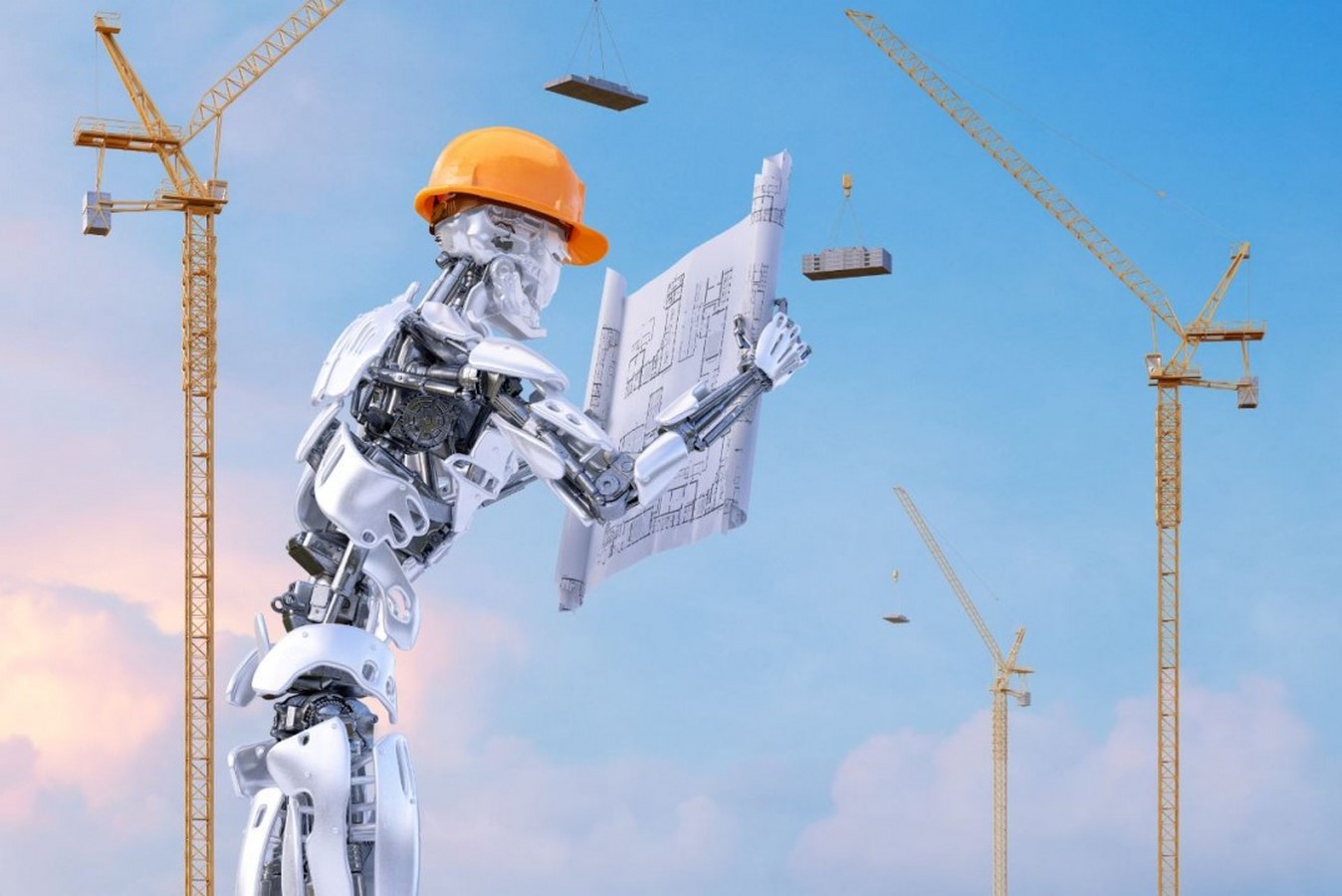
Architects have played a crucial role in the design of the spaces that we live in, however, trends show that the profession of architecture will be radically different in the future. As history has witnessed, architects are an essential part of the community, but their role and scope of work have changed and the approach to the design process has advanced. The traditional role of an architect might be scraped away, dedicated draftsmen changed into BIM developers, and in the future, the role of an architect might expand or be limited to controlling and managing AI platforms and software. The focus will shift from the drawing board to maximizing user experience and efficiency.
- Impact on architecture businesses
According to the Royal Institute of British Architects (RIBA,2011) think tank Building Futures survey, The study states that to compete with cheaper workforces from emerging regions and large and financially strong consultancies, architects must learn to speak the client’s language and become financially literate. A client-savvy architect must be able to go beyond ‘creating a building’ and provide a service that embraces the client’s larger goals. Business trends predict that architecture offices focused on designing will die out or expand as multi-disciplinary businesses employing people from various crucial fields directly or indirectly related to the building process, hence monitoring the entire process of construction from beginning to end.
2. Augmentation of AI and computer generative design
AI algorithms may be used to detect patterns and trends in data, anticipate outcomes, and produce insights that can be utilized to generate insights in various design decisions. In no way can AI replace the creative and subjective side of architects, it will assist an architect to get rid of mundane repetitive tasks and focus on the experience of users. AI will also augment the process of understanding the relationship between the natural and built environment and help in creating climate-responsive architecture.
3. Future of Urban Structures
Studies show that the urban population of the world is supposed to increase to 60 percent over the next 40 years, due to the trend of migration from rural to urban[UN,2018]. Smart city trends are encouraging cities to be designed with advanced technologies, data analytics, and real-time information to enhance the efficiency, sustainability, and livability of cities. The approach of urban planners is shifting from traditional cities to self-aware, automated, environment-oriented cities. Cities nowadays are designed primarily for the users rather than the physical attributes such as vehicles, businesses, and buildings. This is achieved by proposing 15-minute cities, mixed-use development, and eliminating mass transit. Trending urban concepts focus more on creating human-centric concept cities that are designed and built from scratch, however, European cities are forcing architects and urban planners to incorporate existing legacy architecture in futuristic city planning. The future of cities and urban structures is directly linked to architecture, which will play a crucial role in turning existing cities into smart, green, and sustainable spaces.

4. Future of Sustainable Architecture
In architecture, sustainability is inevitable for the future. As the globe fights the repercussions of climate change, architects are increasingly incorporating environmentally friendly elements into their designs. Sustainable construction is becoming the standard, from the utilization of renewable energy sources to the installation of green roofs and walls. Architects are also concentrating on decreasing building carbon footprints by sourcing materials locally and planning for energy efficiency. The architectural trend of development of new construction materials and technology, increased focus on energy efficiency, use of smart building technologies, increased use of prefabricated and modular construction, and greater emphasis on green spaces and nature are indications that sustainability will play a significant role in the future of architecture. Sustainable architecture trends such as passive design strategies, green building materials, biophilic design, and net zero buildings are popularizing and transforming the industry. As people are becoming aware of the environmental crisis and the impact of carbon footprint generated through architecture, there is an increasing demand for sustainable buildings.
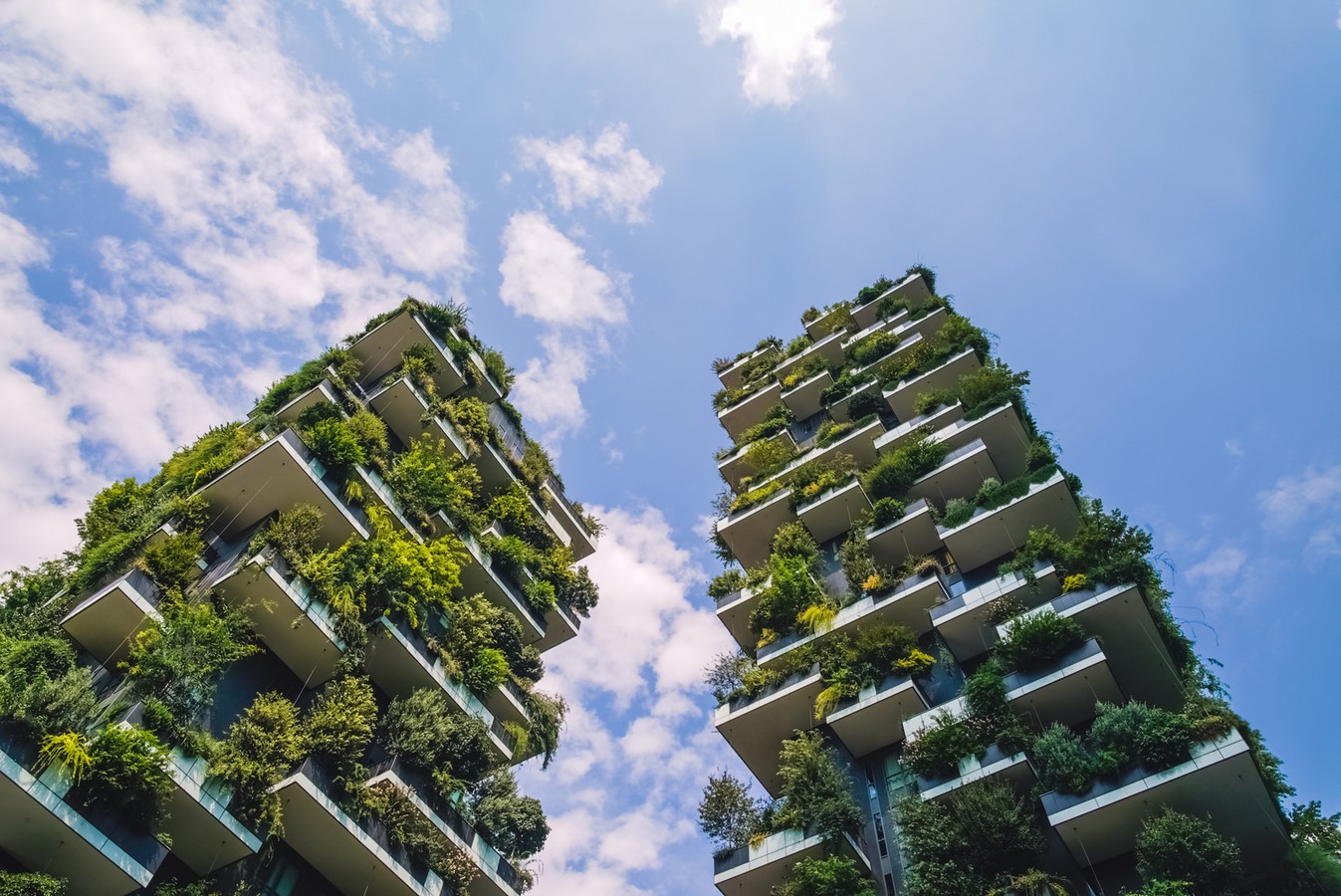 Architecture in the future will be an augmentation of built, natural, biological environments by employing design principles inspired and reimagined by computerized technology to fulfill the tendency to invest in people, their emotions, a need for greater sensory comfort, and in a finer adaptation of a space for their psychological and emotional needs. All the signs show that in the future, architecture will move towards an increasingly significant technical sophistication in the search for material comfort that is an amalgamation of sustainability, efficiency, automation, and the epitome of technology.
References List:
[1]: Noghabaei, M. et al. (2020) Trend analysis on adoption of virtual and augmented reality in the architecture, engineering, and Construction Industry, MDPI. Available at: https://www.mdpi.com/2306-5729/5/1/26 (Accessed: 30 October 2023).
[2]: Royal Institute of British architects (2011). RIBA Building Futures’ The Future for Architects (RIBA).
[3]: Sustainable cities (2018), Human mobility and international migration: Report of the Secretary-General, UN, New York.
Image references:
- Future of building construction https://www.autodesk.com/design-make/articles/future-of-construction
- AI as future architects https://www.worldconstructiontoday.com/articles/technological-impact-in-building-monumental-infrastructure
- Smart cities and IOT_Bigstock
- Vertical forest-Sustainable skyscraper in Italy_Shutterstock