Arkhitekton words come from Greek arkhi, defined as a “master,” and tekton refers to “builder,” the one who practices designing. Earlier, people were also used to be called maison builder, then “nakhshaykar”, and shifted towards “vastukar”.
As humans, we are always used to protecting ourselves from dangerous weather and animals. When the humans started living in the forest, they carved mountains to give shelter to themselves later on shifted towards using sustainable materials such as thatch, bamboo & tree leaves. As we shifted toward earlier 600 B.C, some materials were introduced like brick, lime plaster houses were started by made of mud, later on a formalised version of craftsmanship was introduced, and people called it architecture.

How its affect society
Past, present & future tell us about what our history was, what we have today & by past, present how we could make it better for our future.
As we have seen, architecture has played an important role throughout our lives, its influences have built the environment.
Public places give us a sense of belonging it enrich our lives to connect us our culture, identity artisician pass their craftsmanship by years that serves tangible culture, regional asthetics, ornamentation & historical influence to nation.
Historical architecture reflects cultural & social value to society.
Historic architecture has a symbolic significance, it represents in its richness which reflects social values & culture. They were designed for the people. Buildings such as temples, cathedrals & mosques were designed to embody the religious beliefs & faith of the community. Understanding of traditional techniques is vital for recognizing the cultural significance they carry.
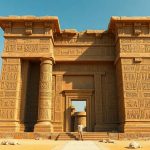
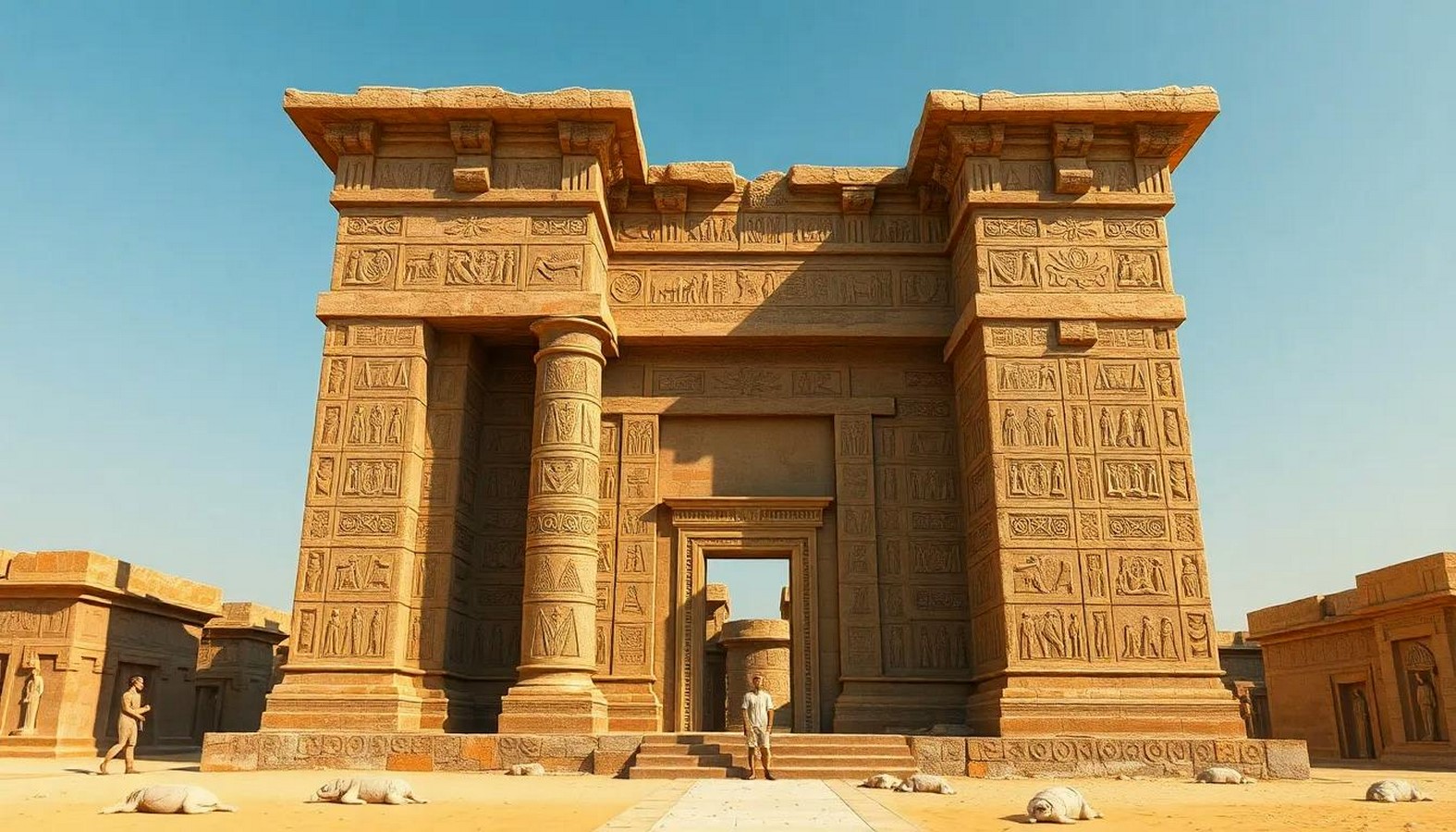
For example, Religion played an important role in shaping architecture. Egyptians believed in the concept of life after death, so they designed tombs to ensure their safety. Its design was in a way to facilitate communication and to honor dignity.
Ancient period: Temple architecture & sculpture Traditions
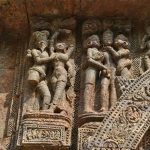
Construction was witnessed by ancient periods to the fusion of art & architecture. Sculptures were crafted on the temple columns. Temples like Khajuraho, Madurai,& sun Konarak are deeply rooted in Indian architecture. It has been designed by using design principles, Vastu Shastra & geometry reflecting devotion, balance, harmony & cultural richness.
In Indian temples, stone sculptures commonly represented deities, mythological stories, and social life. Pillars, facade, and ceiling ornament to merge artistry with religious symbolism.
To narrate religious, community value & cultural stories, painting crafted to architectural design. The paintings are not just for ornamental purposes but also add community value to their theme, rooted in local culture, making India unique & eternal.
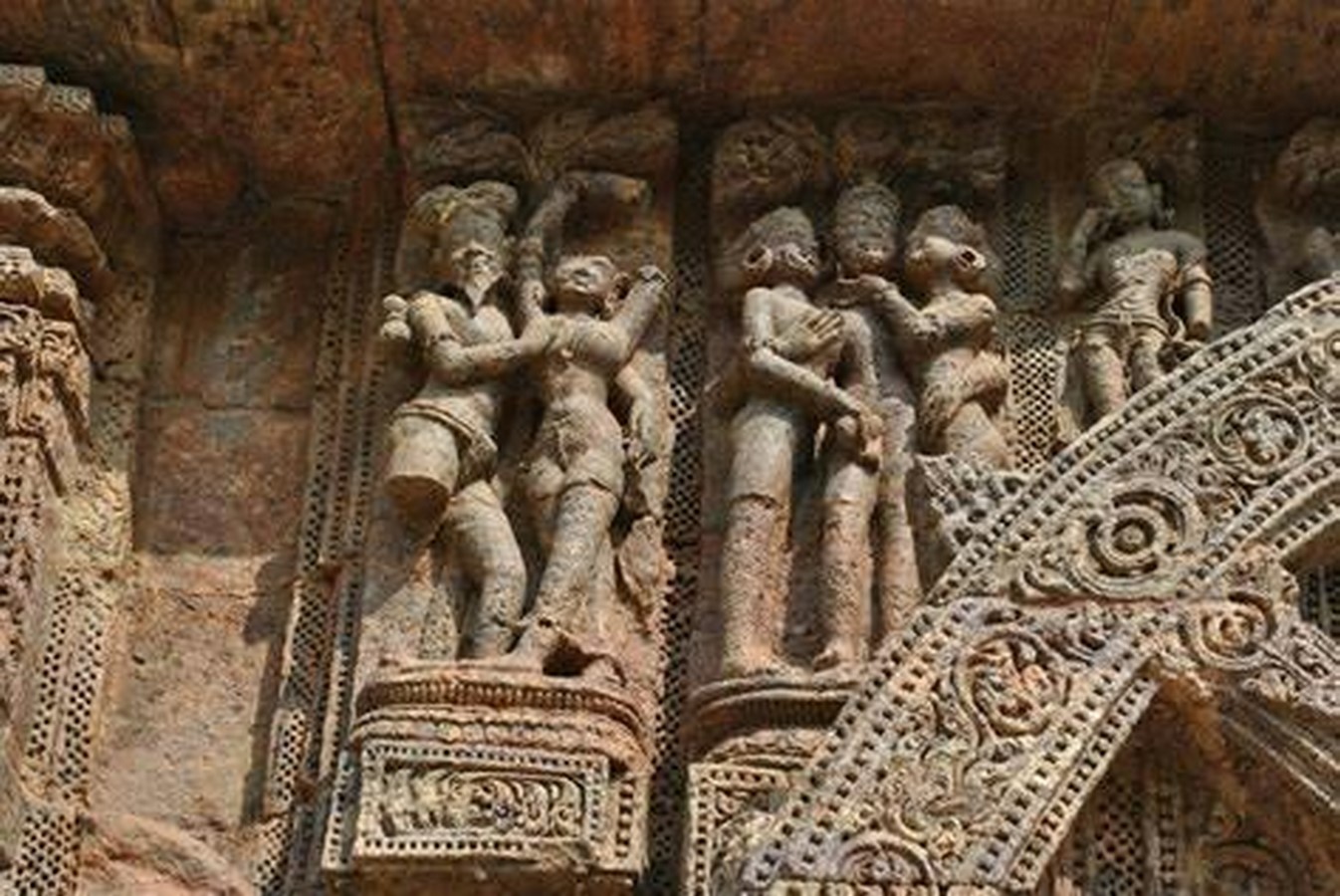
Medieval Period: Mughal & Rajput architecture
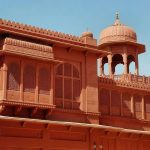
In the zenith centuries, architecture flourished with the rise of Mughal & rajput dynasties, contributing to unique styles.In south grand entrance gopuram ornamented with stone carving.Arched shaped cornices hanging balconies like elements used in places & fort.Indo islamic architecture blends with persian styles, calligraphy,domes & jaali with the value of light. In this era, cultural synthesis is seen with built forms.
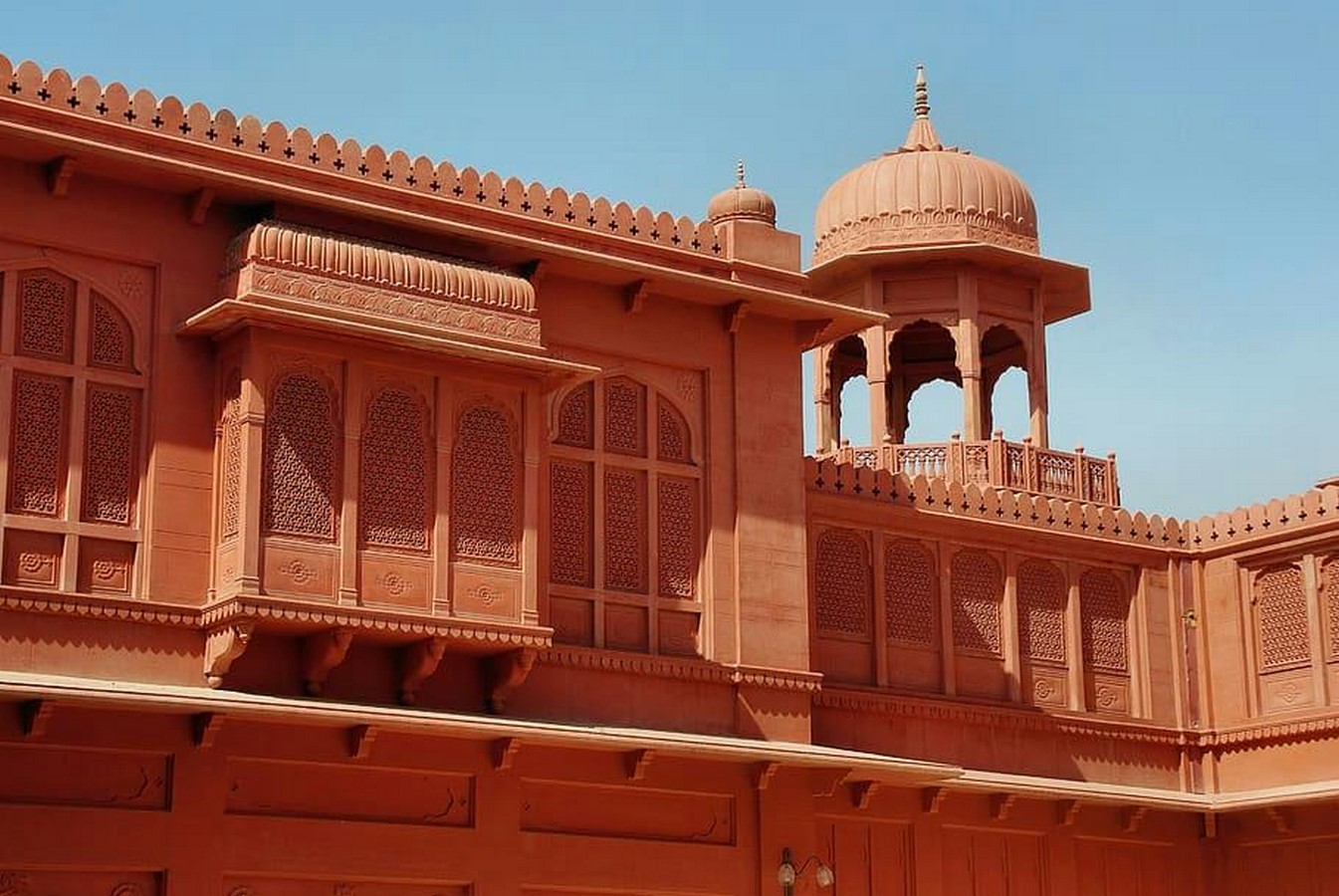
Colonial period:
Britishers have imposed over the long period of time British architecture has authority, control & power. Primarily they came from the abundance of silk & cotton then they started to come frequently to established trending centres across the country.
They brought their designer to carve out well designed architectural language to the foundation of colonial architecture in India while structure imposed with asthetics & indian elements like domes, jali etc.
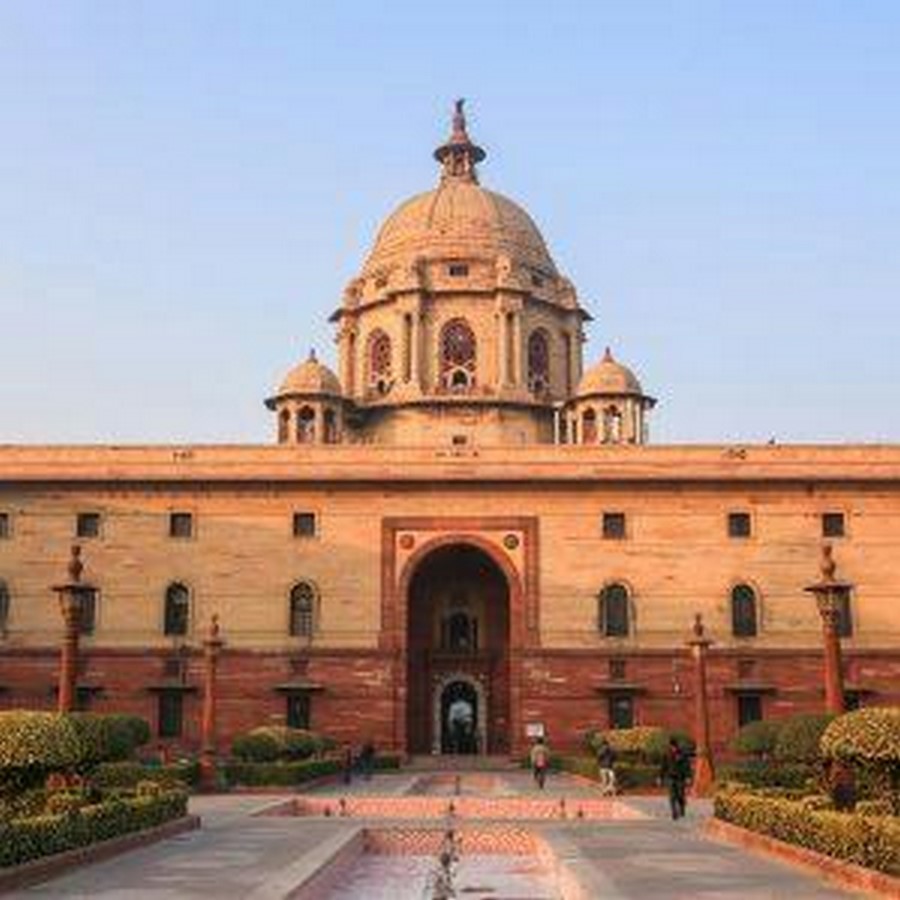
Contemporary influence of art & craft in indian architecture:
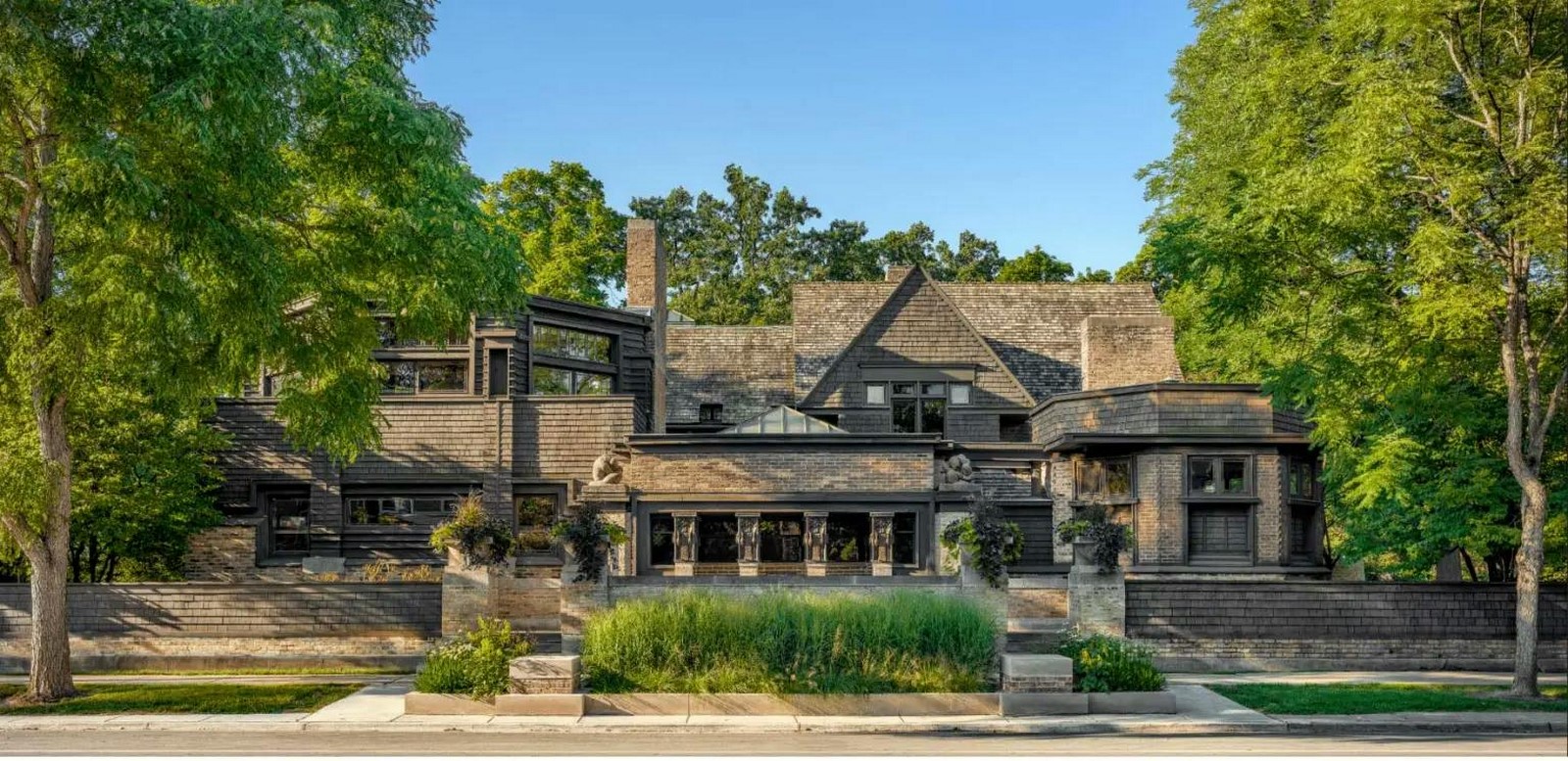
One of the crucial elements that play an important role in architecture shifted towards social value and aesthetics. In the late 19th century, the art & craft movement initiated as a reaction against industrial mass-produced goods. The movement begins with the artisan expressing the hand of the craftsman. It has a strong influence on art in Europe. Focuses on the social, cultural, and economic livelihood of artisans around the art.
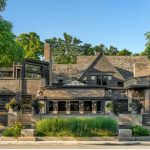
They have designed their houses based on five principles: clarity of form & structure, variety of material, traditional construction & craftsmanship.
One of the pioneer architects who led the art & craft movement said the greatest production expressed by the artisan and through materials it cannot be produced by machinery.He believed that the natural material & production are the two aspects.
While designing the building key features, consider across low-pitch roofs & porches, exposed wooden beams interior, connection with nature, asymmetrical designs, emphasis on horizontal lines, and simple forms.
Integration with modern architecture
Shifted from the oldest material of construction to the new material. Bamboo has been used for eco-friendly and sustainable designs, has low carbon footprints & energy efficiency.
To create a blend between artistic & functional design materials like steel, glass & concrete, start using.
Promoting cultural identity through architecture
Regional traditions reflect the richness of our cultural roots. To give the building a strong sense of place. This approach helps to encourage & regional diversity to make a connection community to the built environment. Incorporating traditional element snsures that cultural remains revelant & remain to today’s design.
Indian architecture is deeply rooted in ancient form to contemporary architecture, as it serves society by reflecting social values, cultural identity & artisan traditions. By the change of time, it’s become a medium of expression, blending old to new its more than just constructions.
Preserving local knowledge, sustainable practices, cultural memory intregrating with traditional art & craft not only for asthetics purpose but also enhances the richness.
Creating spaces that are functional, environment-friendly & deeply rooted in our past.