Public spaces are the lifeblood of a city, where its essence and character come alive. They are the streets, parks, waterfronts, and plazas where people from all backgrounds converge, creating a vibrant tapestry of urban life. These spaces are not just physical entities; they are the soul of a city, shaping its identity, fostering community, driving economic growth, and enhancing its liveability.
When we think of iconic cities, we often think of their most famous public spaces. In Paris, it’s the Champs-Élysées, a grand boulevard lined with cafes and shops, where people stroll and socialize. In New York City, it’s Times Square, a bustling hub of activity and entertainment, where the city’s energy is palpable. These spaces are more than just landmarks; they are the beating hearts of their respective cities, embodying their spirit and vitality.
The Role of Public Spaces in Shaping Urban Identity
Public spaces play a crucial role in shaping the identity of a city. They are the physical manifestations of a city’s history, culture, and values. For example, Marine Drive in Mumbai, also known as the Queen’s Necklace due to its distinctive shape and night-time illumination, Marine Drive is not just a promenade along the Arabian Sea; it is a symbol of Mumbai’s spirit and resilience. It is a place where people gather to relax, exercise, and enjoy the sea breeze, reflecting the city’s vibrant and cosmopolitan character. Similarly, Central Park in New York City is not just a park; it is a symbol of the city’s commitment to green spaces and recreational activities.
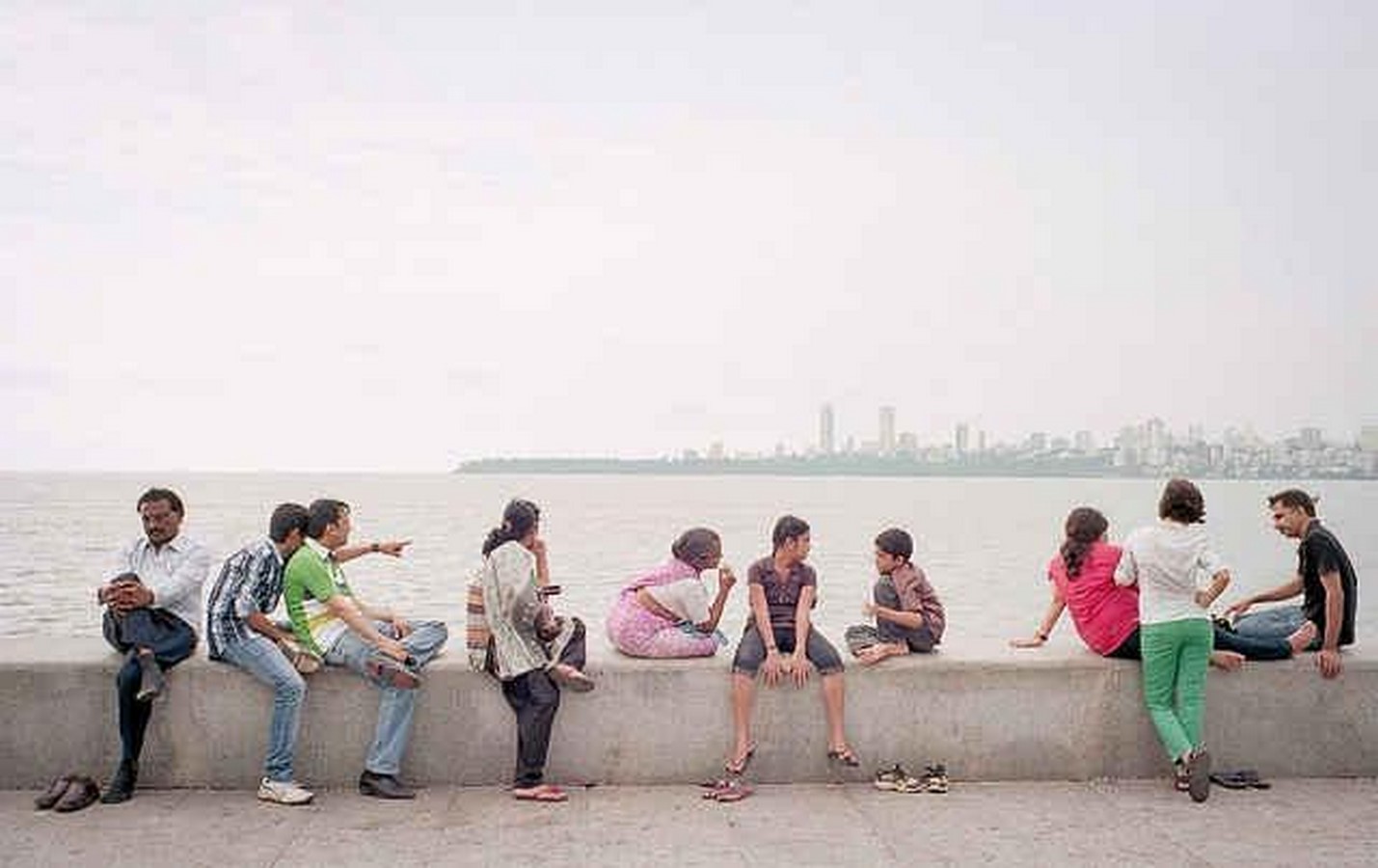
Public spaces also serve as gathering places where people can express their collective identity. Festivals, markets, and protests are often held in public spaces, highlighting the diversity and vibrancy of urban life. These spaces are where communities come together to celebrate, mourn, and advocate for change, reinforcing their sense of belonging and shared destiny.
As the influential urbanist Jane Jacobs once said, “Cities have the capability of providing something for everybody, only because, and only when, they are created by everybody.” Her words resonate deeply with the idea that public spaces are not just designed structures but are shaped and defined by the people who use them, contributing to the unique identity of a city.
Fostering Community and Social Interaction
Public spaces are essential for fostering community and social interaction. They provide a common ground where people from different backgrounds can come together, interact, and form bonds. This social cohesion is vital for building resilient communities and addressing social issues such as isolation and alienation.
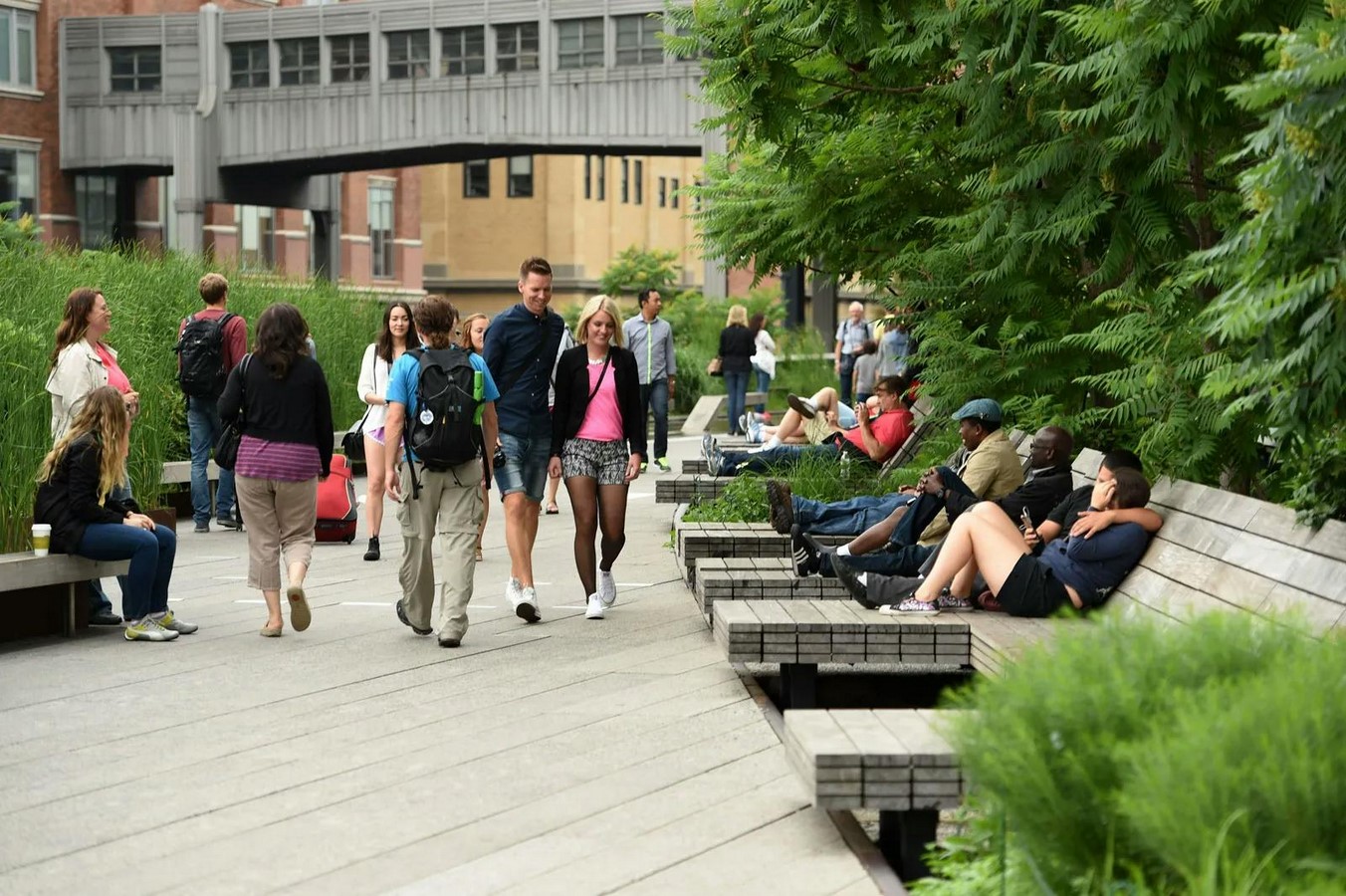
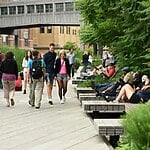
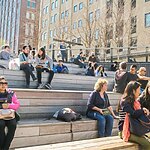
Well-designed public spaces can encourage social interaction by providing amenities such as seating, playgrounds, and sports facilities. For example, the High Line in New York City has transformed an old elevated railway into a linear park, providing a unique space for people to walk, relax, and enjoy stunning views of the city. This project has not only revitalized the area but also created a sense of community among residents and visitors alike.
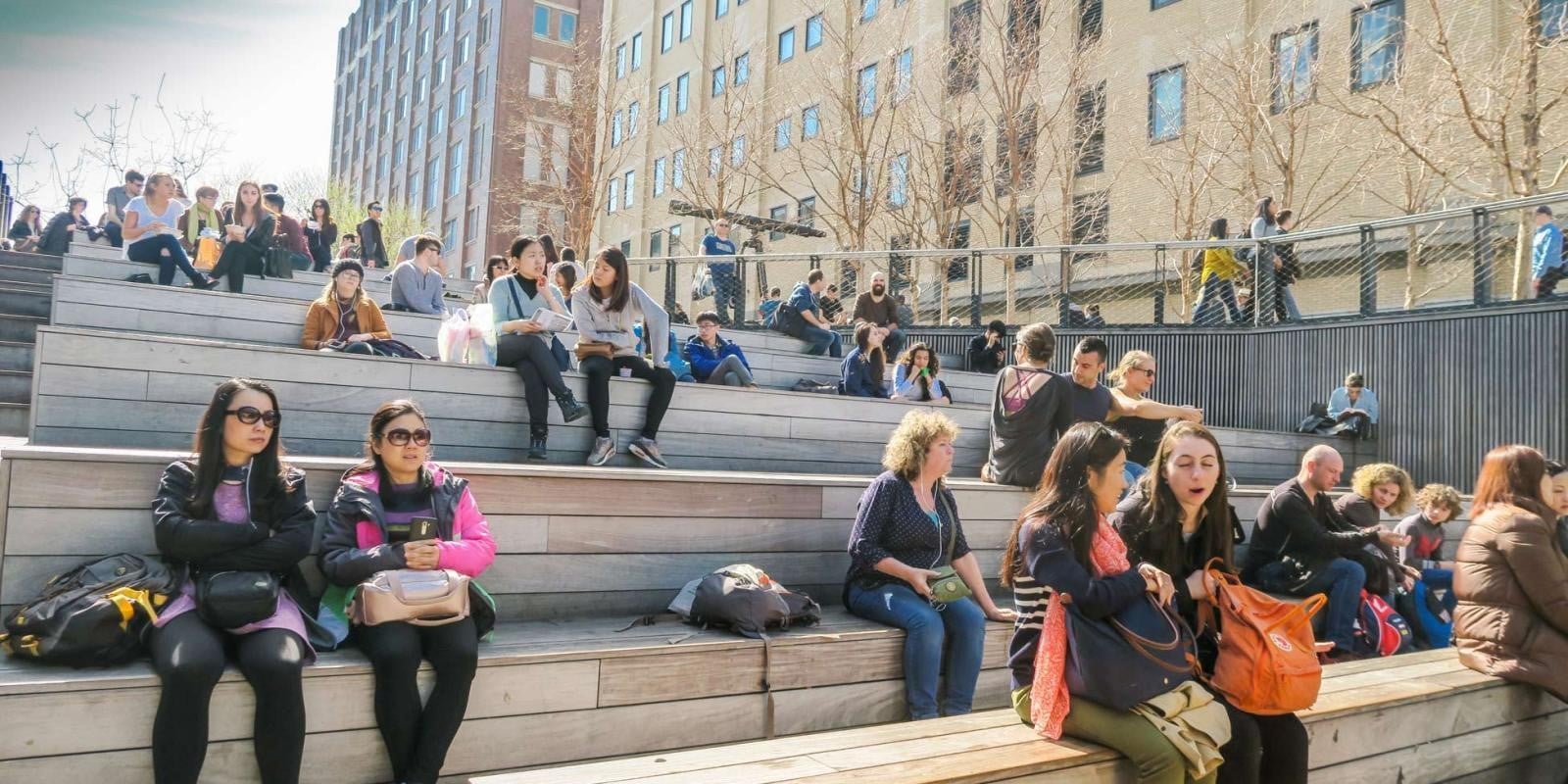
Plaza Mayor in Madrid, Spain, stands as a timeless example of a public space that has been a central gathering place for centuries. Hosting markets, festivals, and public gatherings, this historic square symbolizes Madrid’s rich cultural heritage and serves as a focal point for community cohesion.
Driving Economic Growth and Vitality
Public spaces are also drivers of economic growth and vitality. They attract tourists, residents, and businesses, creating a thriving environment for commerce and culture. For example, the Seaport District in Boston has been transformed from a neglected waterfront into a vibrant neighborhood with shops, restaurants, and cultural attractions. This revitalization has not only boosted the local economy but also created a destination that attracts people from across the city and beyond.
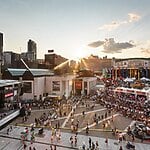
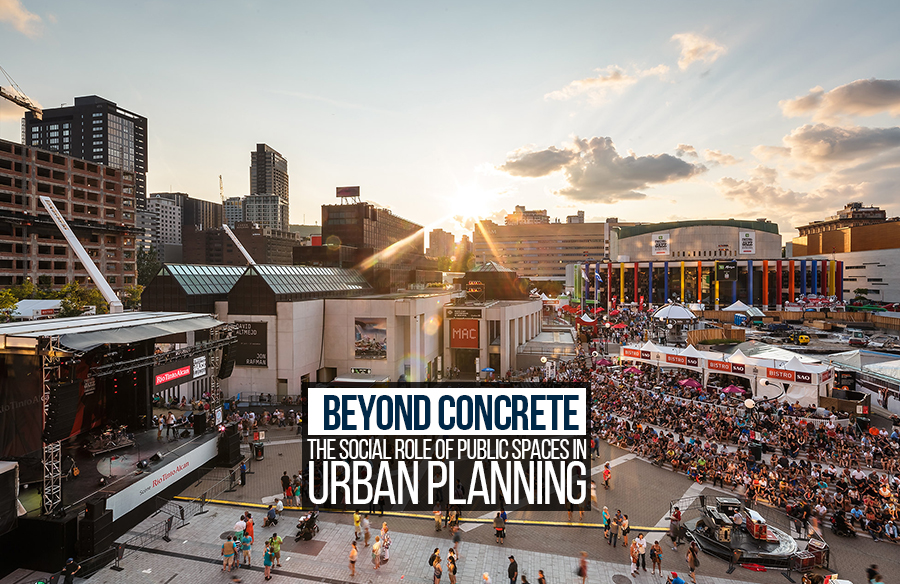
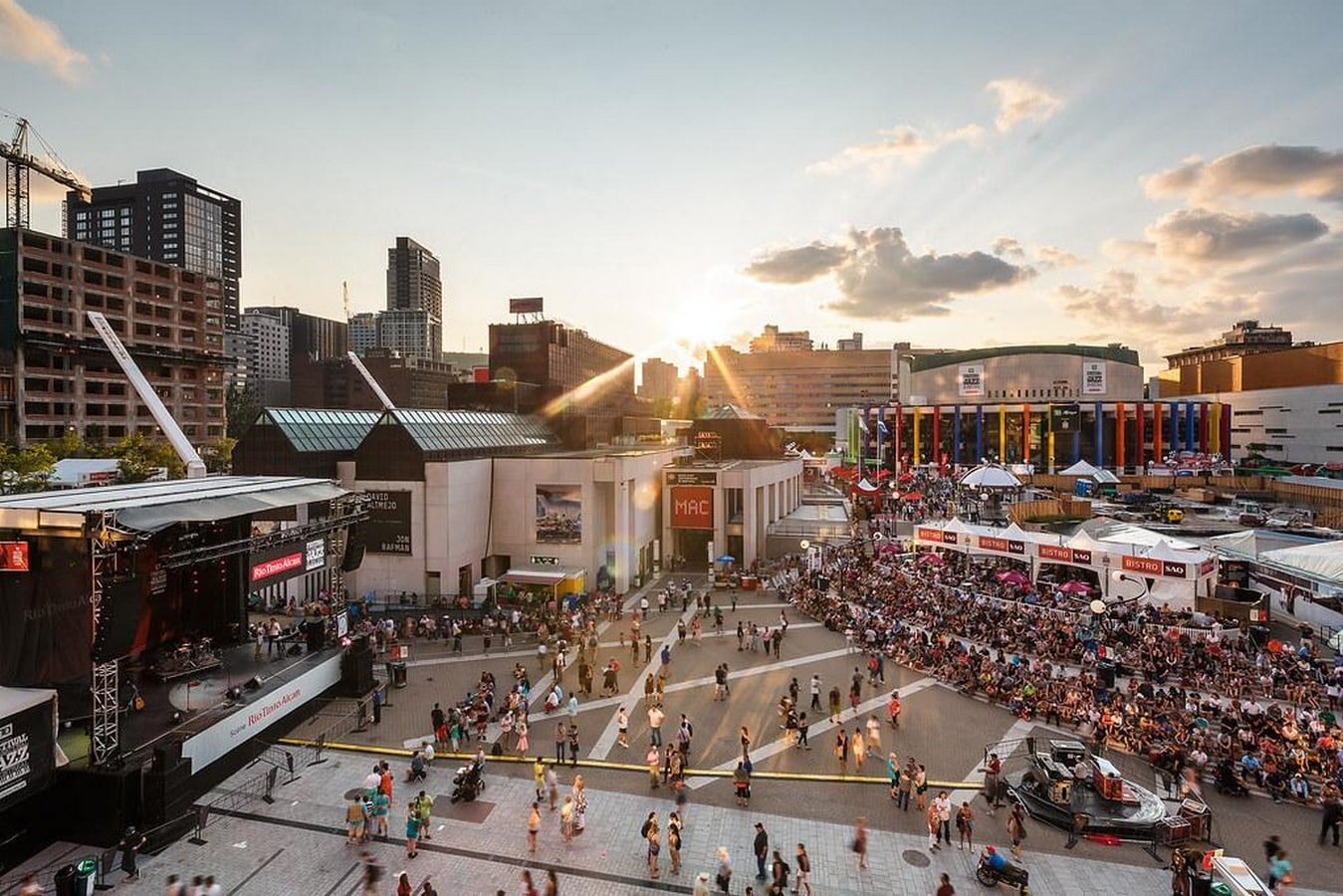
The Place des Arts Esplanade in Montreal is another prime example of how public spaces can attract large numbers of visitors, with hundreds of thousands attending festivals there each year. Markets are another example, illustrating how open and shared spaces can benefit both business owners and the local economy, leading to increased sales, tax revenue, and job creation. A 2002 survey by PPS (Project for Public Spaces) found that 60% of market shoppers also visited nearby stores on the same day, with 60% of those saying they only visited those additional stores on market days.
Public spaces can also enhance property values and attract investment. Well-maintained parks, plazas, and waterfronts can increase the desirability of adjacent properties, leading to higher rents and property values. This, in turn, can generate revenue for the city through taxes and fees, contributing to its overall economic health.
Enhancing Liveability and Well-being
Public spaces are essential for enhancing the liveability and well-being of a city’s residents. They provide opportunities for physical activity, relaxation, and recreation, promoting a healthy lifestyle. For example, the Vancouver Seawall is a popular waterfront path that provides residents and visitors with a scenic route for walking, cycling, and jogging, improving their physical and mental health.
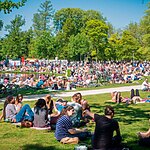
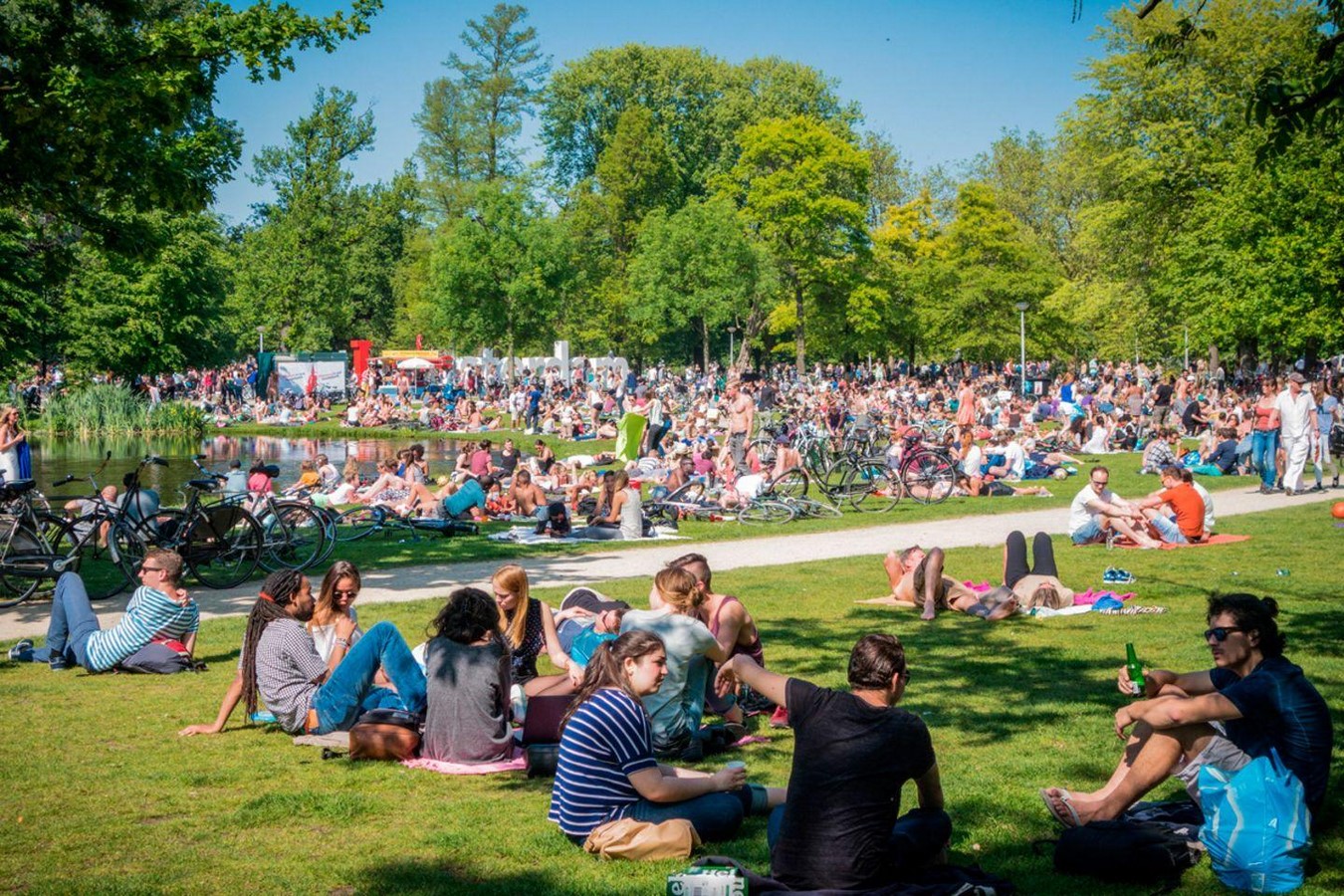
Another example of a public space that enhances liveability and well-being is the Vondel Park in Amsterdam, Netherlands. This sprawling urban park offers residents and visitors alike a verdant oasis in the heart of the city. With its winding paths, serene ponds, and lush greenery, Vondel Park provides a retreat from the hustle and bustle of urban life. It serves as a recreational haven where people can jog, cycle, picnic, or simply unwind amidst nature. Moreover, the park hosts various cultural events and performances, fostering a sense of community and social interaction. Vondel Park’s role in promoting physical activity, mental relaxation, and social engagement makes it an indispensable asset in enhancing the overall liveability and well-being of Amsterdam’s residents.
Public spaces also contribute to environmental sustainability by providing green spaces that absorb carbon dioxide, reduce urban heat island effects, and support biodiversity. They can also help mitigate the impacts of climate change by providing flood protection, shade, and cooling effects.
https://www.geo.de/reisen/reiseziele/vondelpark–wo-war-noch-gleich-die-wiese-_30143542-30167356.html
Public spaces are more than just physical entities; they are the heart and soul of a city. They shape its identity, foster community, drive economic growth, and enhance its liveability. As cities continue to grow and evolve, it is essential to prioritize the creation and maintenance of high-quality public spaces that serve the needs of all residents. From historic squares like Plaza Mayor in Madrid to iconic parks like Central Park in New York City, public spaces are where people come together to celebrate, connect, and create memories. By doing so, we can create cities that are not only prosperous and vibrant but also inclusive and sustainable.
As cities continue to grow and evolve, it is essential to prioritize the creation and preservation of public spaces. These spaces are not just amenities; they are essential components of a healthy, vibrant, and inclusive city. By investing in public spaces, cities can create environments where people can thrive, communities can flourish, and the urban experience can be truly enriching for all.