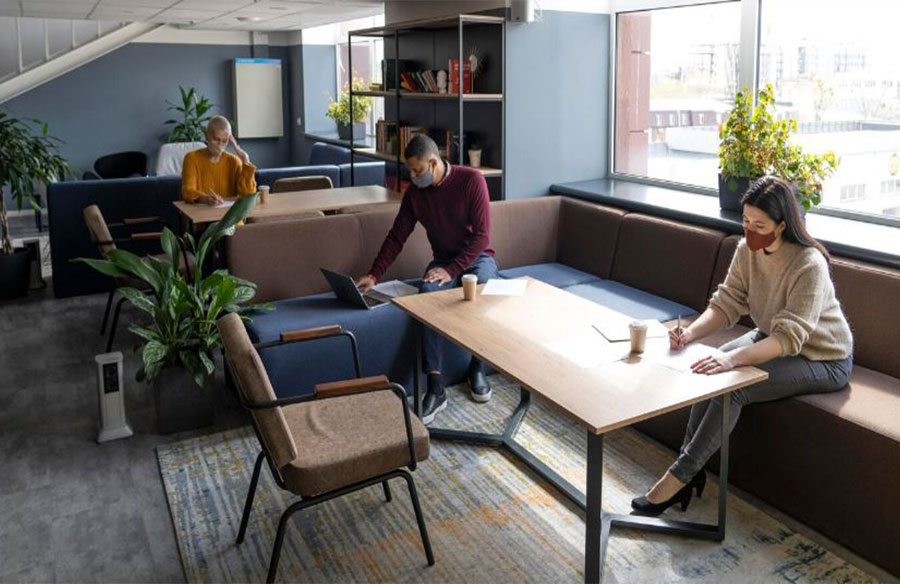
In the realm of office interior design, the age-old debate between aesthetics and functionality continues to shape the modern workplace. Striking the right balance between form and function is not merely an aesthetic consideration but a strategic imperative for creating workspaces that foster productivity, employee well-being, and a conducive environment for collaboration. Achieving this delicate equilibrium requires a thoughtful approach that goes beyond surface-level aesthetics.
Aesthetics play a crucial role in creating a visually appealing and inspiring workplace. The design elements, color schemes, and overall ambiance of an office can significantly impact the mood and motivation of employees. A well-designed office can enhance the company’s brand image, create a positive first impression for clients, and contribute to a more engaging work atmosphere.
However, aesthetics alone cannot guarantee a successful office design. Functionality, the backbone of any workspace, must be seamlessly integrated with visual appeal. An office that prioritizes functionality takes into account the workflow, ergonomics, and practical aspects of day-to-day operations. A well-organized layout, ergonomic furniture, and optimized use of space contribute to an environment where employees can perform at their best.
One aspect often overlooked in the pursuit of an aesthetically pleasing office is the impact on employee well-being. Natural light, ergonomic furniture, and strategic placement of greenery contribute to a healthier and more comfortable workspace. By incorporating these elements, companies not only enhance the physical health of their employees but also boost morale and job satisfaction.
Flexibility is another key consideration in achieving the perfect balance. The modern workplace is dynamic, with changing needs and trends. Designing offices with flexibility in mind allows for easy adaptability to evolving work styles and technologies. Versatile spaces that can be reconfigured as needed promote collaboration, creativity, and overall efficiency.
In the heart of Toronto, Canada, Sensyst stands as a beacon of expertise in creating interior office spaces that seamlessly marry form and function. With a commitment to understanding the unique needs of each client, the company transforms spaces into efficient and visually appealing work environments. Their approach goes beyond aesthetics, integrating thoughtful functionality to ensure that every design element serves a purpose. Their portfolio exemplifies the success that can be achieved through a balanced approach to office interior design. Their projects showcase a keen understanding of how aesthetics and functionality can coalesce to create spaces that not only look impressive but also enhance the overall efficiency of the workplace.
In conclusion, the pursuit of a harmonious office design involves striking the right balance between form and function. Aesthetics and functionality should not be viewed as competing elements but as integral components of a successful office interior.