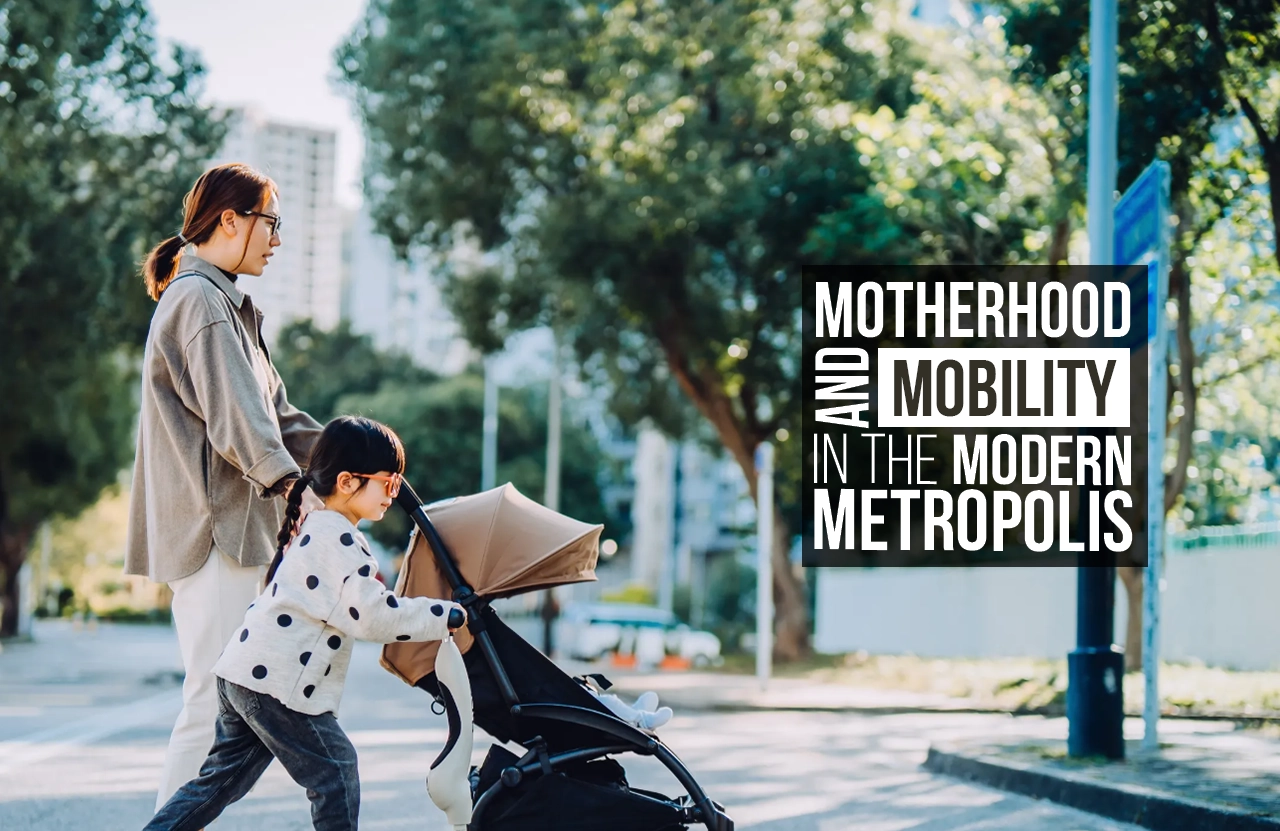
Cities are often seen as engines of opportunity. They provide availability of work, education, culture and social life. However, the promise supports a specific type of urban subject: independent, time-consuming and between predetermined origins and destinations. For most mothers navigating their way in the modern urban centres, movement is not that linear. It is stratified, fragmented and coordinated with the demands of other people. It is the urban blind gaps that are disclosed through the everyday routine of individuals.

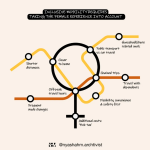
Mobility is not neutral. It is influenced by priorities inherent in systems of planning, transport infrastructure and spatial hierarchies. The question of gender in architecture is going beyond the realms of any type of representations or symbols, through the prism of motherhood. The question of whose movements are expected and facilitated is of great value in designing the city.
Commuter City and Its Assumptions
Urban planning in the 20th century has developed based on the reasoning of separation, residential areas from commercial districts, business centres separated from households. This pattern is followed by the transport systems, which are optimised to accommodate peak-hour traffic between home and work. The prototype user was the commuter who travelled two times a day over a regular route.
This economic model considered caregiving mobility to be mostly invisible. The spatial form of the modern metropolis has not been used in the context of proximity and flexibility, but in the context of speed and throughput. Routines associated with care – dropping kids to school, doctor visits, shopping, visiting aged parents – were seen as peripheral activities as opposed to core activities in the city.
The strict functional zoning was criticised by urban theorists like Jane Jacobs, who supported mixed-use neighbourhoods which support everyday life on the street level. Feminist urban theorists have formed this criticism even more to indicate that built environments are likely to reproduce gendered distributions of labour. Care work as a necessity has hardly been a consideration in the city’s infrastructure.
Trip-Chaining and The Reality of Care.
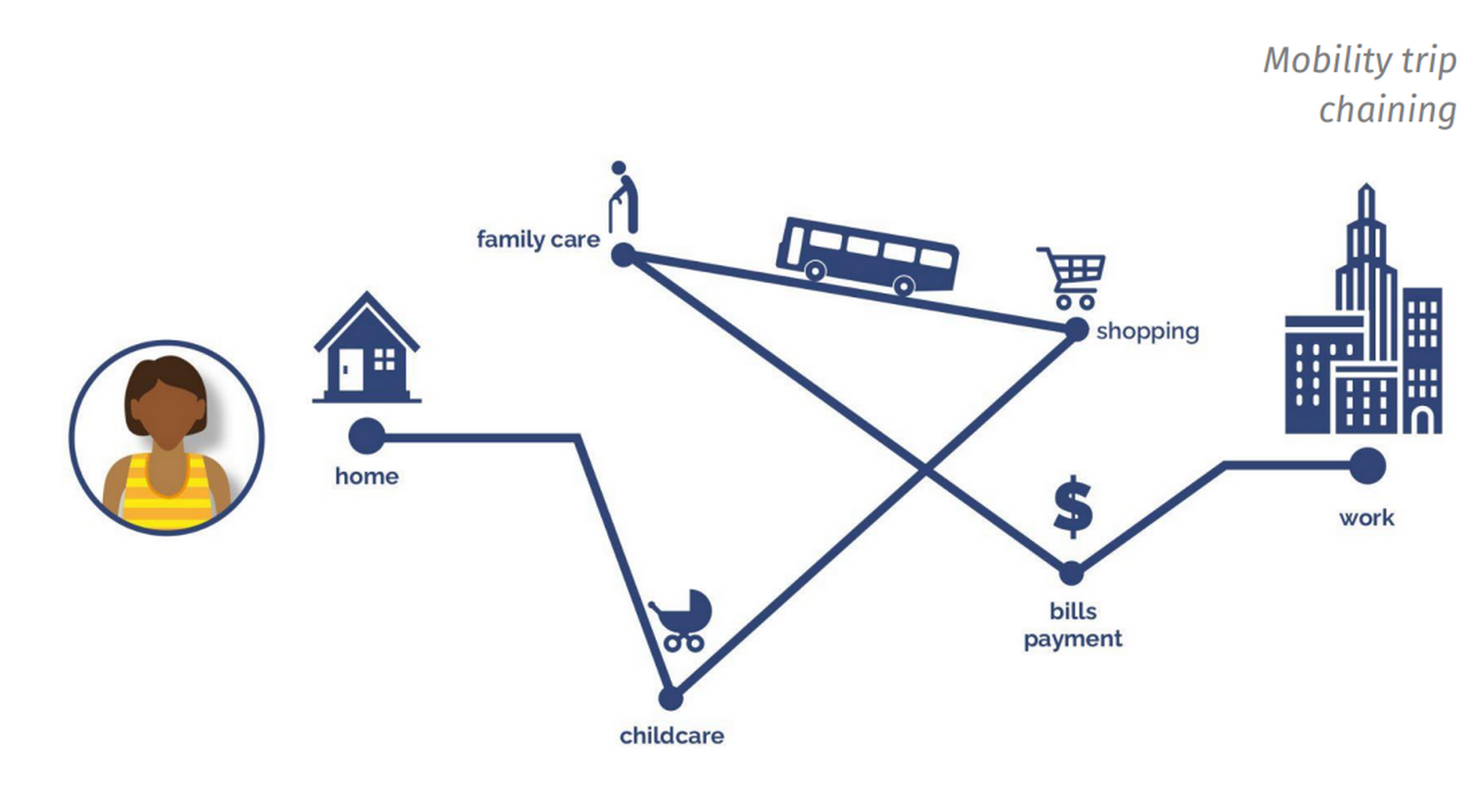
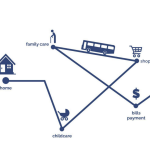
The linkage between multiple short journeys made into one long journey is known as trip-chaining, one of the key measures of explaining maternal mobility. A mother can walk out of the house to drop a child off at school, go back to work, stop to get groceries, pick up prescriptions, and return to pick up the child, all in a tightly coordinated timeframe of a day.
However, transport systems are generally geared towards single destination trips. Things like ticketing structures, route design and service frequency usually involve a point of origin and destination instead of an interconnected network of destinations. It results in inefficiency, the occurrence of increased pressure of costs and time.
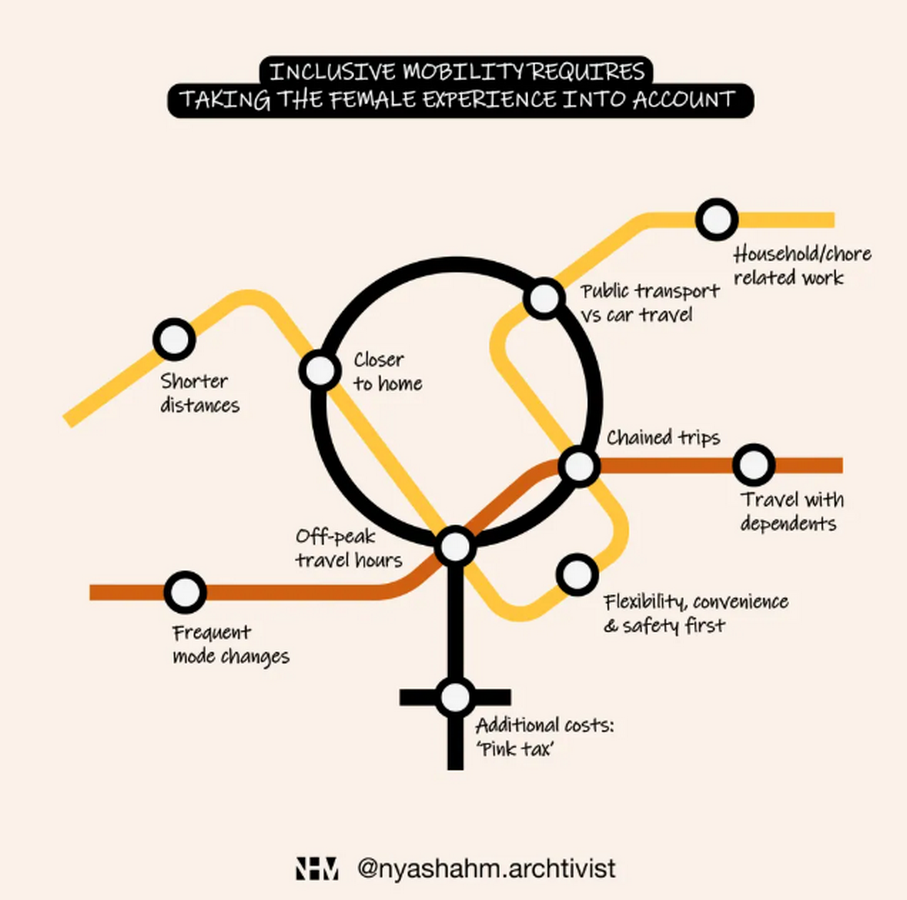
The pressure escalates in urban areas where there is no seamless integration within the public transport system. Limited lift access in underground stations, problems accessing the door to board buses or unevenly maintained pavements can turn a trouble-free trip on a pram into a barrier course type. These are not fringe benefits, but they determine who can afford to live a full life in a city.
Gender in Architecture does not happen to be an abstract discourse. It questions the way that social needs are mirrored in the spatial systems, such as overburdening a woman with disproportionately high responsibility or unpaid care work.
The Everyday Architecture of Movement
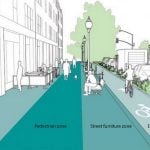
The politics of mobility are known to take place in minute details. The comfort of passing two strollers depends on the width of the pavements. The height of the kerbs determines whether the crossing is easily accessible without any physical strain. The presence or the absence of toilets, sitting spaces, shaded waiting places, and well-lit walkways has an impact on the ease with which individuals travel in between various locations.
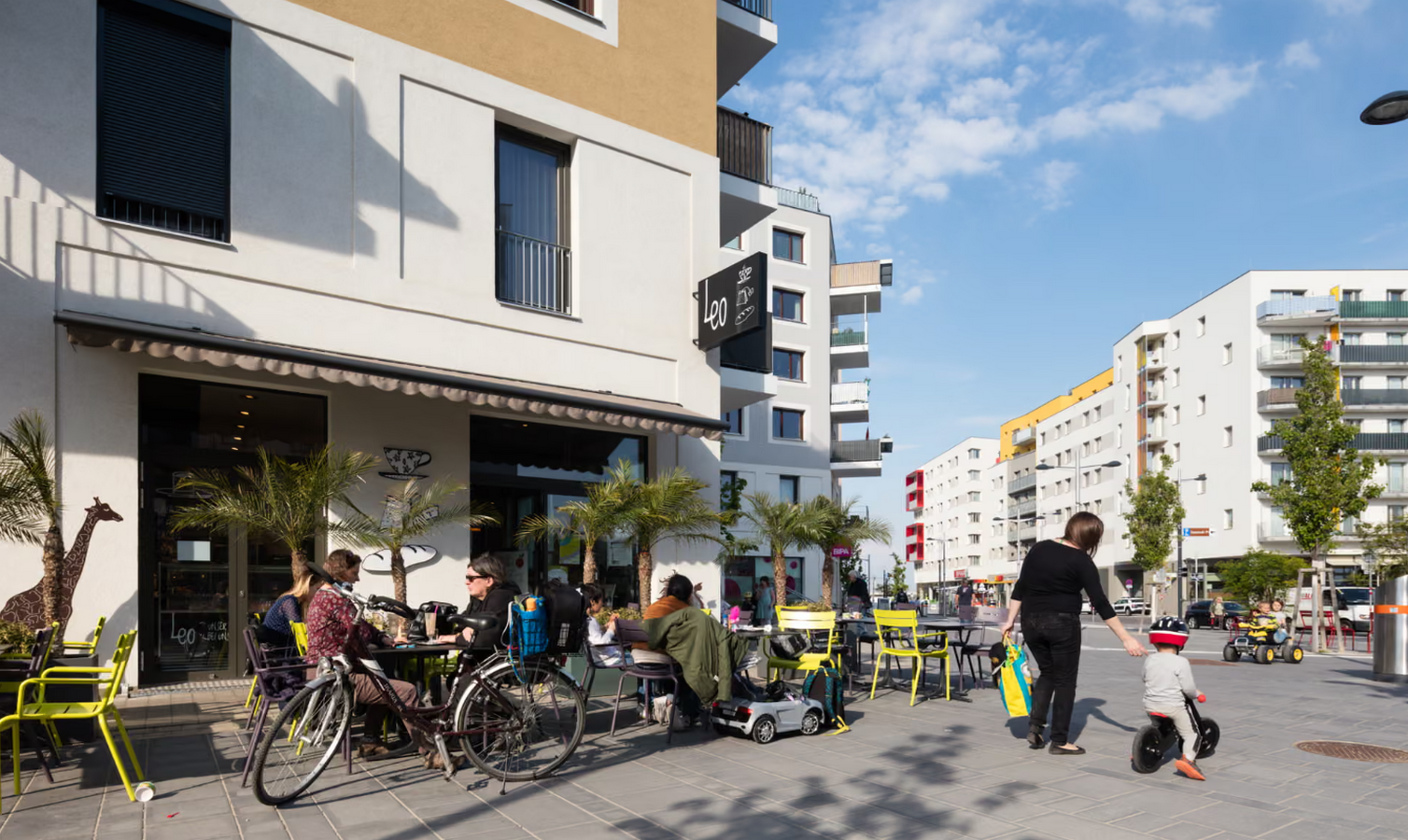
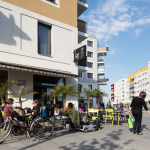
For example, the long-standing programme of gender mainstreaming for urban planning in Vienna. The city has been systematically surveying the post 1990s utilisation of the public space by various groups of people, which has resulted in increased pavement sizes, better lighting and new designs of housing layouts which favour daily accessibility. These are not just aesthetic interventions. They recognised the fact that the mobility oriented towards care encouragement defines the functionality of the city.

Similarly, the superblock model of Barcelona has redesigned its neighbourhood streets to minimise the car-dominated nature and instead focus on the movement of pedestrians. Reclaiming road spaces for play areas and local amenities makes the city reduce the distance of travelling, as well as makes the movement in neighbourhood areas safer and more varied, which is favourable to caregivers who need to navigate between various destinations.
These instances show the fact that design is not an objective terrain. Space between people and cars, the locations of services that are within walking distance, and availability of accessible and effective public transport are all what measures mobility as either a favouring or limiting agent in the life of a caregiver.
Navigating Risk in Everyday Urban Life
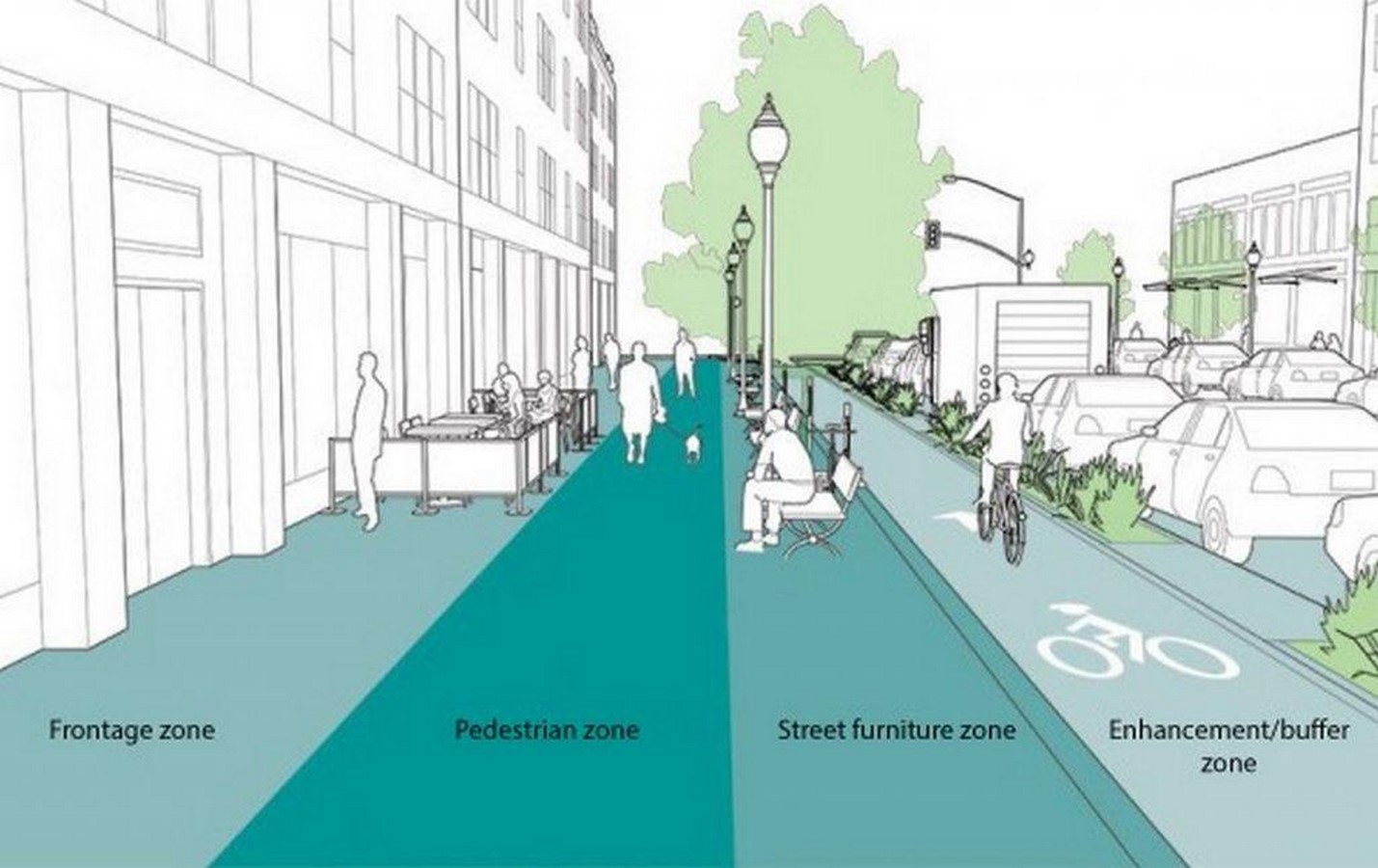
The aspect of mobility has its psychological aspect as well. When mothers travel with children, they are usually in a state of high alertness, examining the area for any form of road danger, bad crossings or areas with bad lighting. Perceived safety influences the route choice, and it may result in even longer journeys in the case of reassurance.
The temporal pressure is fuelled by the cognitive load. The time of the school pick-up, work and medical check-ups are fixed schedules. Delays in public transit or poorly organised links can result into missed timelines of responsibilities. The pressure of linking various dependents within a rigid urban system is hardly acknowledged in any transport planning measurements.
Studies of urban safety have continuously revealed that the areas with adequate lighting, active street frontages and visible individuals moving around show higher perceived security. Lack of consideration of these factors in designing the public spaces will limit mobility, not by prohibiting people but by discouraging them from moving. The city can technically be open for movement, but in reality, it is designed in such a way that it gives cues as to who belongs and needs to be cautious.
Embedding Care in Urban Systems
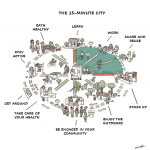
New planning strategies are also becoming more aware of the necessity to place care within spatial strategy. Developments that are mixed with childcare programmes, retail and health services within walking distance reduce the frequency of long commutes. In the “15-minute city” approach, small neighbourhood development is the method to make sure that the requirements of everyday life can be accessible within a short travel distance.
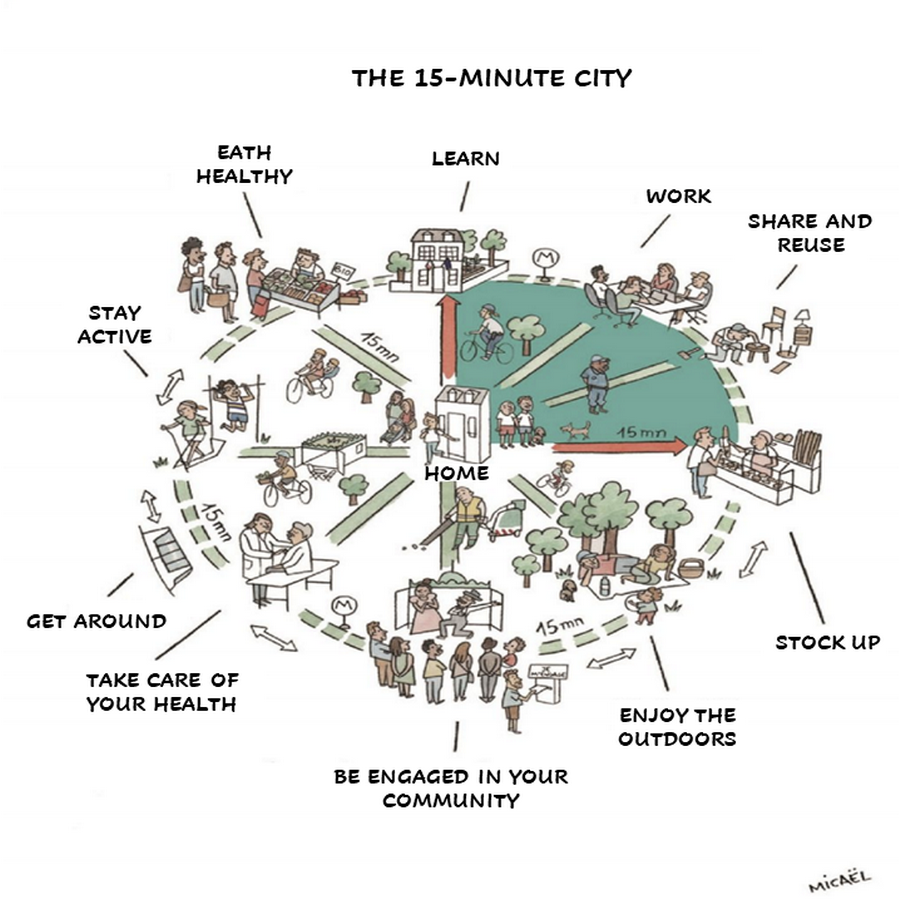
Such models challenge the opinion that the main measure of urban success depends on productivity. Spatial priorities change when care is considered as an urban legitimate activity. Investment into the pedestrian infrastructure, easy transportation and facilities on the community level is central rather than peripheral.
Notably, motherhood design does not exclude a certain population of people. Any improvements that facilitate the movement of using a pram can benefit the elderly and the residents with physical impairments, and also those with complicated daily routines. Gender in architecture anticipates the caregiving mobility and suggests how inclusivity of a city can be improved across the urban spectrum by revealing the systemic oversights.
Reinventing the Urban Contemporary Metropolis
The modern-day metropolis is flaunting dynamism. Nevertheless, some flexibility is required along with dynamism to avoid exclusion. The variety of the patterns of care that underlie social life demands cities not only the facilities to support the commutes of nine to five but also a great assortment of patterns that support social life.
Motherhood brings into the spotlight what has been spatially marginalised. Mobility works as an ecosystem rather than an avenue. It is not just a channel of an economic exchange of streets, stations and neighbourhoods, but the network of everyday sustenance.
The process of redefining mobility by considering it in terms of care does not undermine the efficiency of the city; it refines it. The metropolis that is created to accommodate the caregivers will be stronger, more humane, and flexible. Recognising the fact that movement is a social structure, the gendered architecture determines the shift of the agenda from critique to the narrative of proposal, suggesting that the city of the future must take into account not only measures of success like speed, but also the possibility to sustain the others. The issue is no longer whether motherhood is a subject of urban-level discourse or not. But whether the city can afford continuing to design according to the past principles.
References:
- Bauhardt, C. (2014). Solutions to the crisis? The green new deal, degrowth, and the feminist critique of capitalism. Ecological Economics, Available at – https://ideas.repec.org/a/eee/ecolec/v102y2014icp60-68.html
- Ciocoletto, A. (2014). Urban planning from a gender perspective. URBACT Gender Equal Cities Report., Available at – https://urbact.eu/sites/default/files/2023-01/Gender%20Equal%20Cities%20Report%202019.pdf
- Hanson, S. (2010). Gender and mobility: new approaches for informing sustainability. Gender, Place & Culture, Available at – https://www.researchgate.net/publication/233211093_Gender_and_mobility_New_approaches_for_informing_sustainability
- Levy, C. (2013). Travel choice reframed: “Deep distribution” and gender in urban transport. Environment and Urbanization, Available at – https://journals.sagepub.com/doi/10.1177/0956247813477810
- ITDP (2021). Access for All: Babies, Toddlers, and Caregivers in Urban Transport Systems. Available at – https://itdp.org/wp-content/uploads/2022/01/Access-for-All-Babies-and-Toddlers_December-2021-pages_final-3.pdf
- Vienna City Administration (2013). Gender Mainstreaming in Urban Planning and Urban Development. Available at – https://afakneswiah.org/wp-content/uploads/2020/10/b008358.pdf