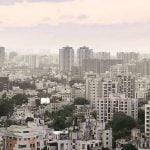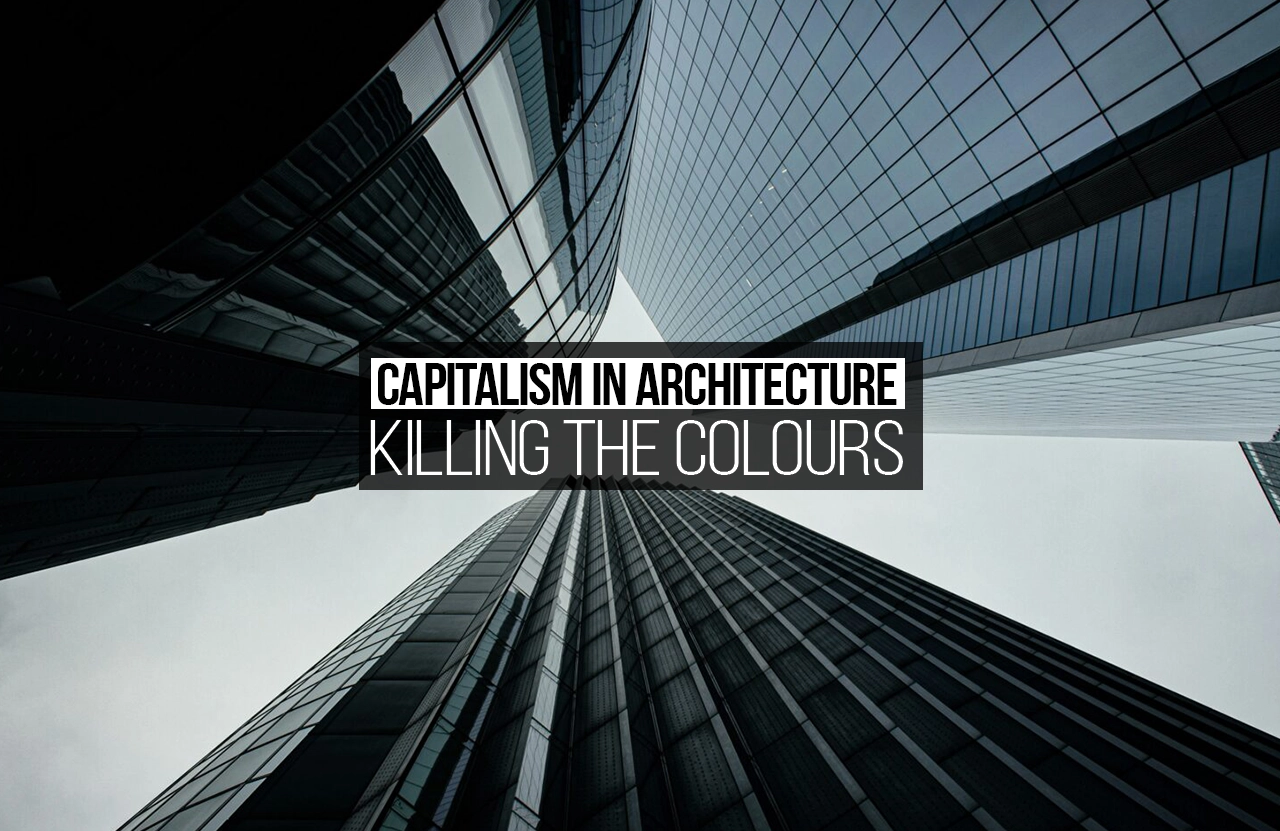
The grey and white cities with steel cladded facades, long overbearing structures hovering above our head, connected through concrete finished walkways; the new definition of modern-developed city in India. The young and polished skyline looks awe-inspiring with big arrays of buildings and towers reaching towards the sky. However, beneath this scintillating façade, there lies a much darker narrative.
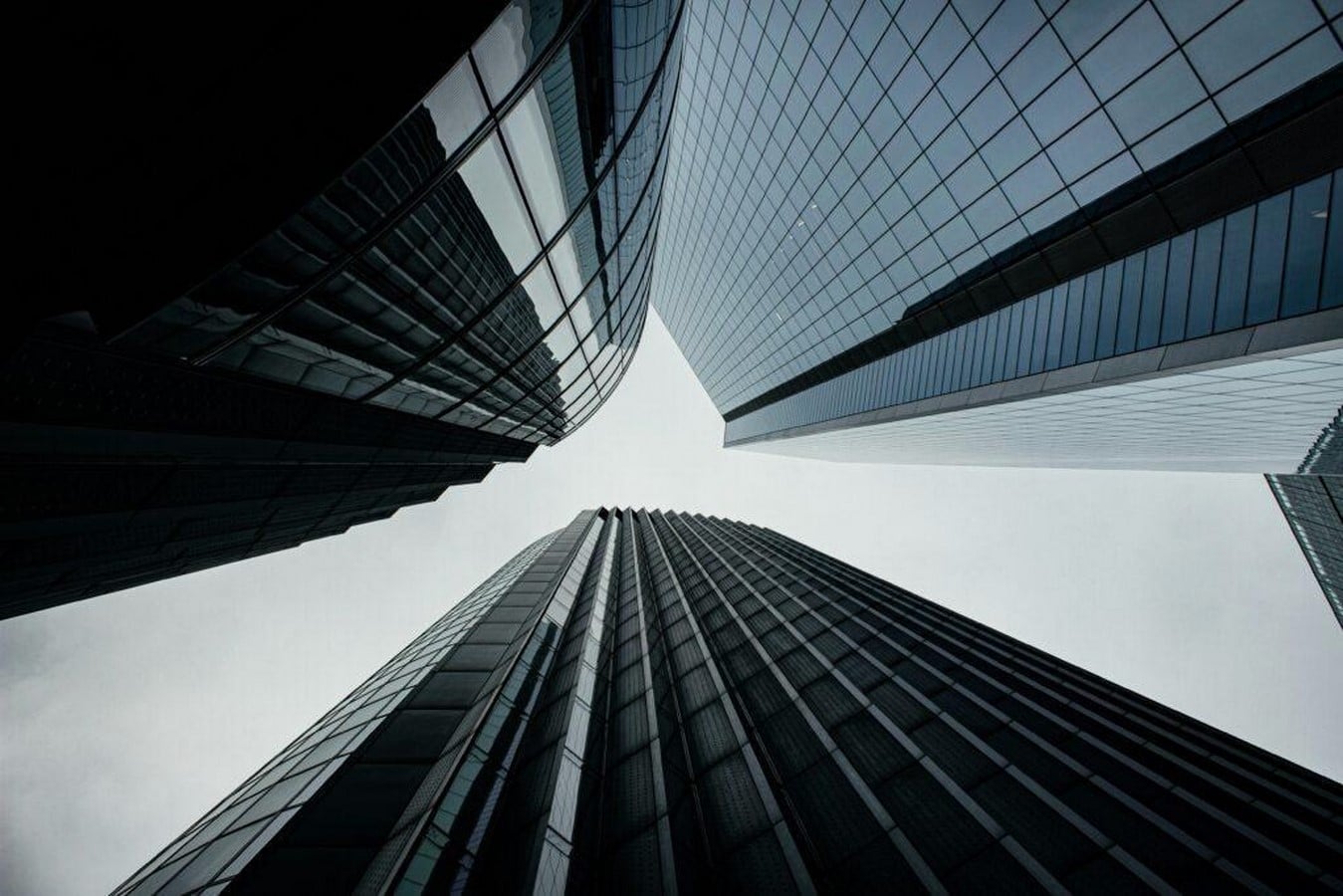
A country so colourful, where cities were named after colours is losing its vivid soul to some modern construction materials. While on one hand this development in big cities like Chandigarh, Jaipur, Bangalore, Mumbai etc are celebrated, the uniqueness of these once so colourful cities is losing its meaning. Colours have been always an integral part of our culture, we used to associate colours to different meanings, seasons and festivals, we are losing these colours to a capitalist driven urban development. Capitalism has systematically bleached the vibrant, culturally rich fabric of Indian cities, replacing it with a monotonous, profit-driven template. (María Senderos, 2025)
Architecture which stands as a soulful companion of heritage, culture, community and climate is losing its meaning in the hands of capitalism. Colours are withering from our cities, both physically and metaphorically.
Capital dictating form : The not-so-subtle play of power
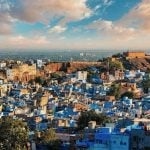
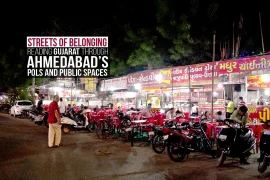
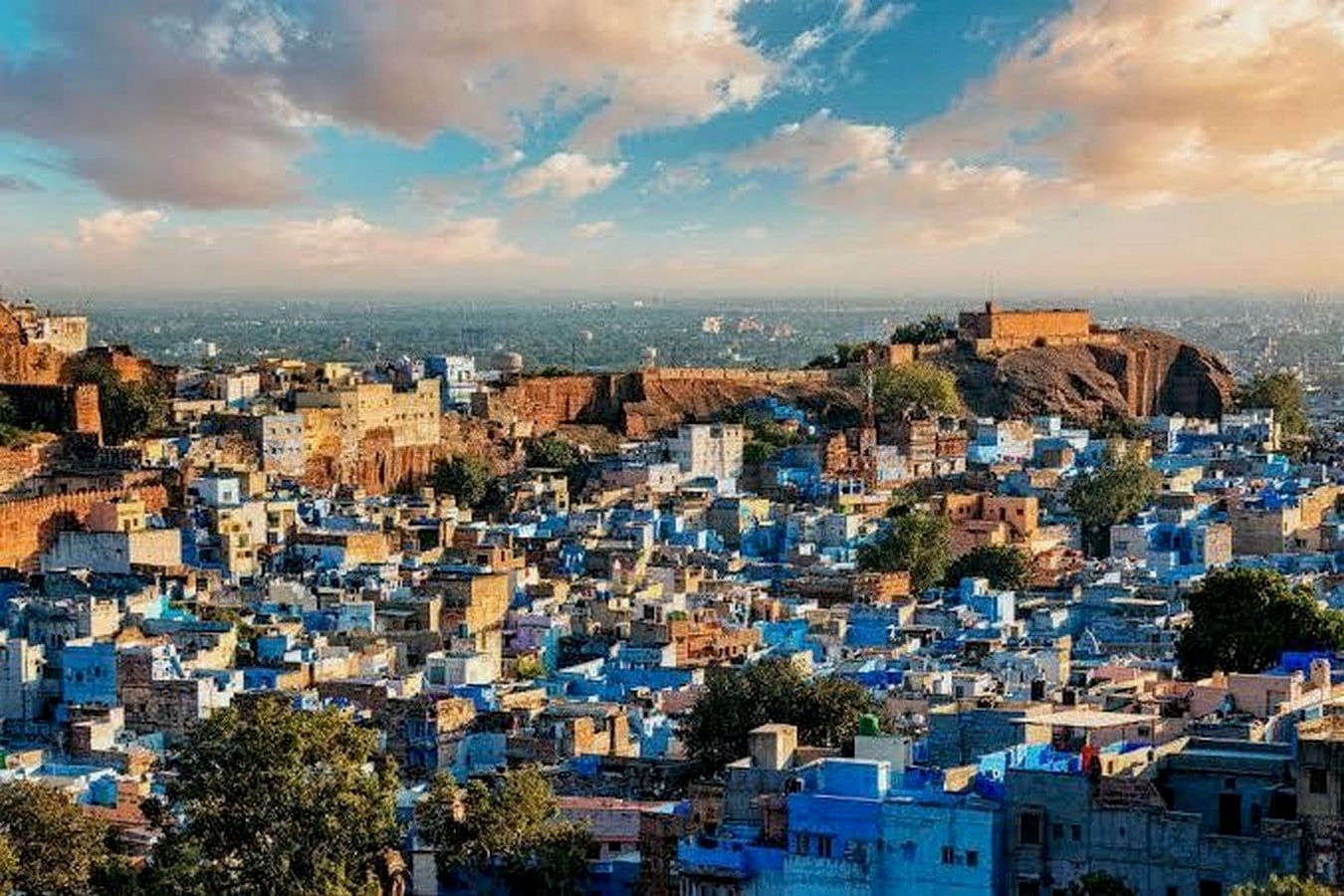
Historically, the architecture in all the different parts of the Indian subcontinent was defined by its response to context. Be it the pink sandstone of Jaipur, the blue-washed walls of Jodhpur, the breathable ‘Thinnais’ of Tamil Nadu or the intricate wooden engravings on the ‘Wadas’ of Maharashtra, buildings were vividly alive. They were the embodiment of the soil, the local climate, and the community of the city. Indian traditional urbanism has always treated the streets and public spaces as a vibrant and democratic space. The ground floors were always reserved for interactions, be it the veranda, the elevated plinth to sit and discuss. The streets were vibrant and colourful; vendors and residents of a region coexisted in shared ecosystems. Our cultural identity lies in communities.
These distinctive features of each and every region of India had an identity of its own, it was a symbol of positive and functional diversity. Every building had a uniqueness of its own, they were different yet had a special harmony which tied them together. The blues, the reds, the oranges and yellows mixed with the serene greens, the local trees, created a mesmerizing effect on the eyes of the viewers. Not only the tangible but the intangible aspects such as identity, cultural meaning and the environment were tied to these colours.
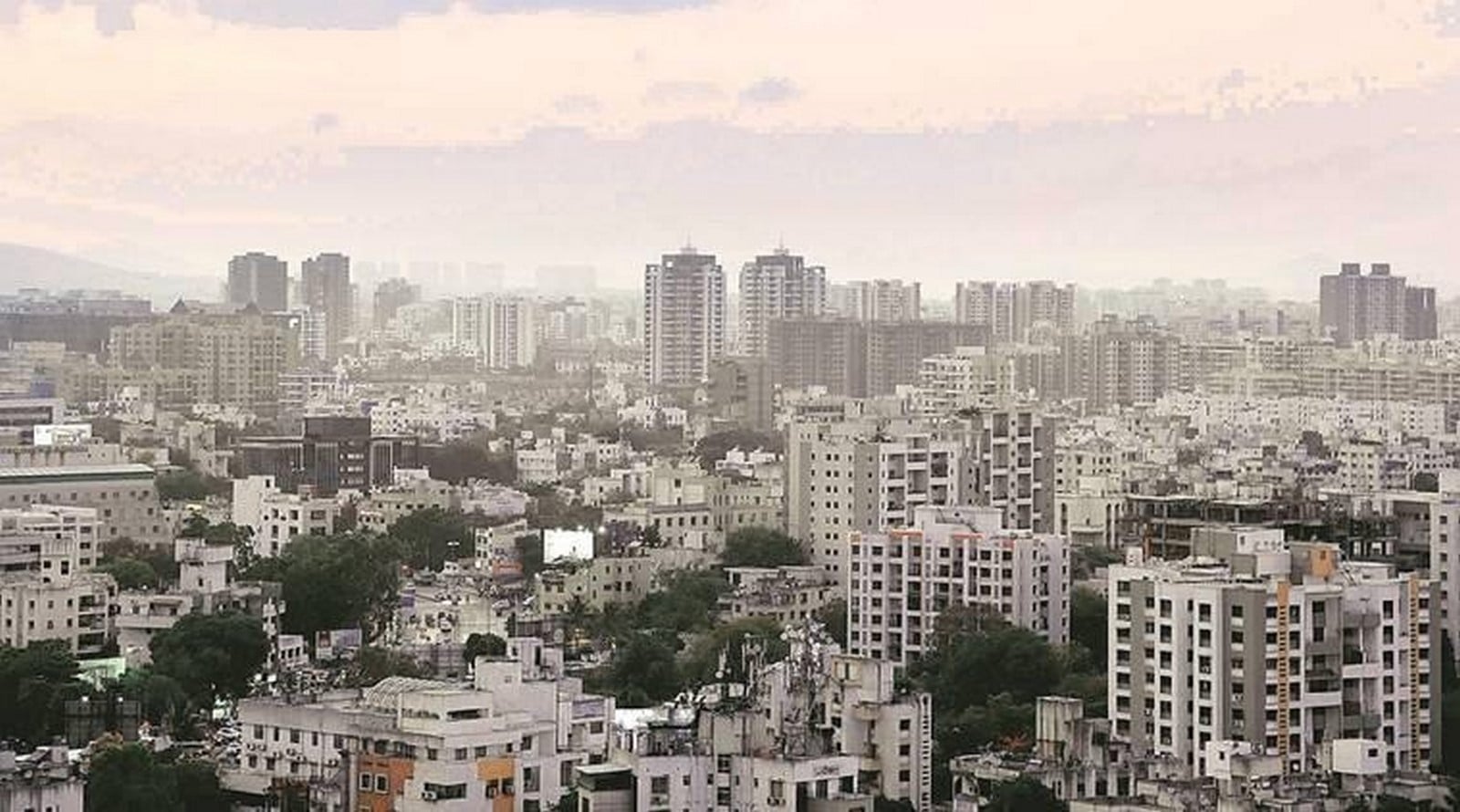
However, under the reign of global capitalism, the primary objective of architectural design is not the human experiences; it is the Return on Investment (ROI). In this economy where capitalist urbanism has taken home in the minds of all the power exercisers, expecting empathy for the mere colourful heritage is futile. Everyone’s focus is on maximizing the profit margins. Developers have started relying on standardization. By observing the past trends on modern building, one can conclude that ‘Quick and Cheap’ has become the new motto of the developers. The materials which are more cost friendly when ordered in bulk are preferred over traditionally used materials. The buildings are made with Aluminium Composite Panels, sheet glass, and ready-mix concrete rather than regional materials which are rooted deep into the culture of that region. With these urbanism trends, the local artisans are also in a deep dire situation where they are being forced to leave their specialities: carving, moulding etc and shifting towards commercial activities to feed themselves and their families. Consequently, the once colourful Indian cities look identical to any business district in Shanghai, Dubai, New York or Singapore. We are continuously trading our rich architectural vocabulary for a sterile corporate vernacular. Every newly developed city looks like a sea of white, grey and the sad blue which reflects on the imposing glasses.
Are the dying colours more than an aesthetical tragedy?
The paradigm shift from cultural method driven architecture to this capital-driven homogenization is not just the loss of cultural heritage or aesthetic tragedy; it is on its way to become an ecological disaster. From the past few decades, Indians are suffering from irregular extremities in weather and climate patterns. The AQI (Air Quality Index) is also degrading day by day. Every year, in some large cities like Delhi, Gurgaon etc, pollution reaches the new highest. The mighty trend of glass curtain walls which are developed for the temperate, chilly climates of Europe and North America is being blindly copied into the tropical reality of our subcontinent. Due to this unmindful exercise of trends , corporate offices are turning into giant greenhouses. And to tackle this heat, a large number of air- conditioners are installed and these massive energy-eating HVAC systems run 24/7. However cool the interior may be using these artificial systems, the continuous reflection of heat back into the city is increasing the local temperature to extremes. (Bhattacharji, 2026)
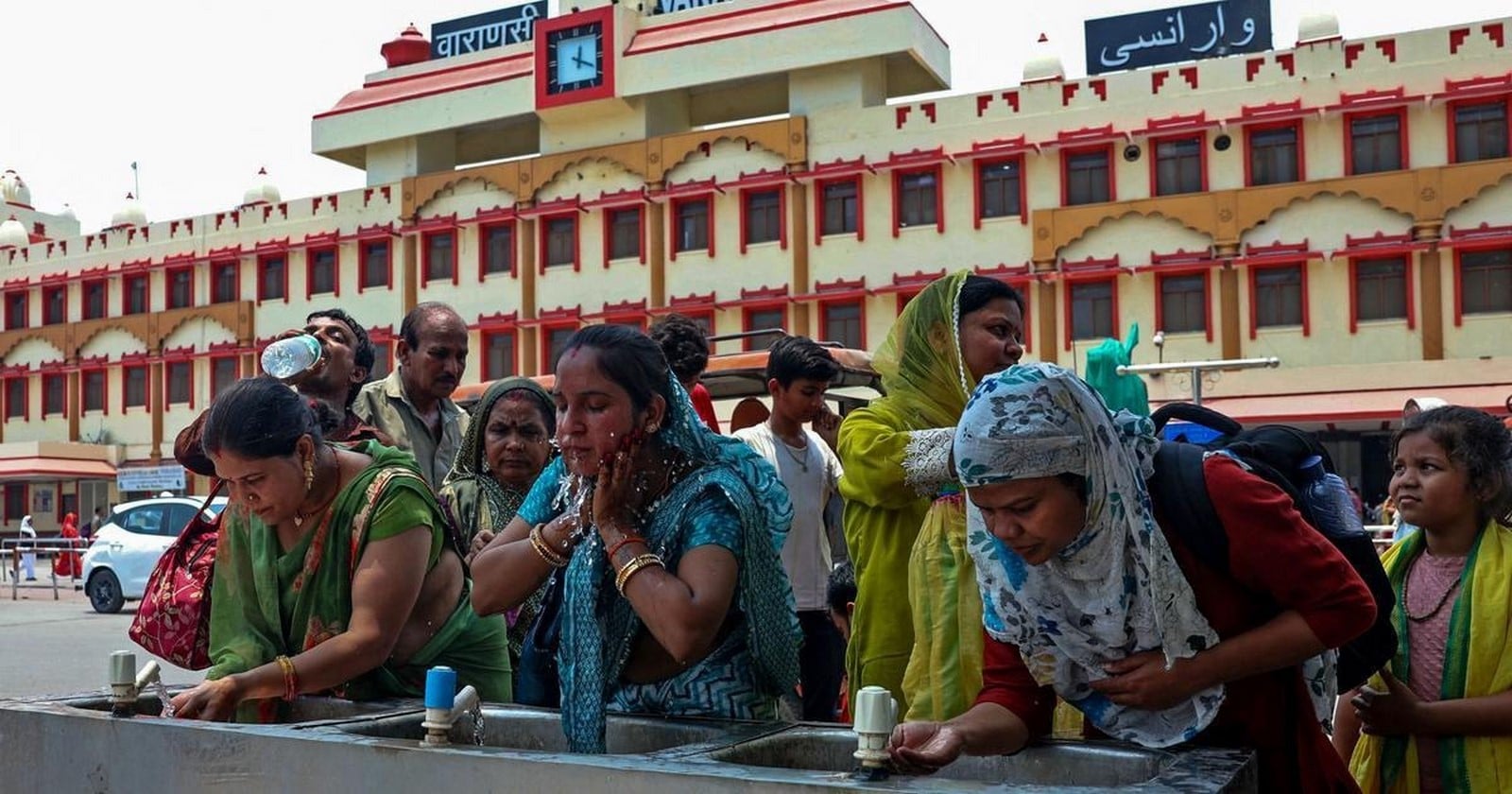
Humans are social animals, they respond to nature, texture, and colour. The vibrant hues of festivals, clothes and even textures are not just decorations, they are deeply tied to our culture and identity. This replacement of vibrance with an endless expanse of concrete grey is stripping away the human scale, it creates a sense of placelessness. These structures having no links to our history produce no emotional connectivity. All it creates is hollow emptiness and a modern shine.
When looking at this pattern of construction, one can always be amazed by the paradox of modernity which basically ruins the sole purpose of architecture. The buildings in India should be built in accordance with the Indian sun or this initial cost saving construction will be more expensive than a large fortune in the future, and it’ll be the price we humans would fail to pay.
Hence, saying that these dying colours are not just an aesthetical but an environmental, cultural and a health tragedy, be it mental or physical wouldn’t be so wrong.
Would the colours ever return?
It is now in the hands of the architects and city planners to intervene in these power plays of capitalism and reclaim our cultural heritage. With the speed of modernization, a critical intervention has become the need of the hour. Architects and planners should get themselves involved in the policymaking roles and take the leash of development in their own hands to protect what’s left. ‘Development does not stand for decolouring’, this is the notion with which architects and planners should move forward. Reinventing the use of local materials and techniques, involvement of the old artisans, redesigning the upcoming projects in accordance to the context rather than mere trends will prove to be a very efficient and effective method to restore the colours back into our cities. Understanding that our vernacular hides a lot of information and techniques which when followed would be way more efficient and environment friendly than the new foreign methods and techniques.
India’s true wealth has always been its diversity, its chaos, and its vivid, unapologetic colour. It is time we reclaim our architecture from the clutches of capitalism and make our future cities colourfully-developed.
References:
Bhattacharji, C., 2026. Health Policy Watch. [Online]
Available at: https://healthpolicy-watch.news/as-heat-danger-rises-adaptation-means-rethinking-glass-high-rise-buildings/
María Senderos, M. S. J. P. O. Z. F. M. M., 2025. Globalization and Architecture: Urban Homogenization and Challenges for Unprotected Heritage. The Case of Postmodern Buildings with Complex Geometric Shapes in the Ensanche of San Sebastián. MDPI.