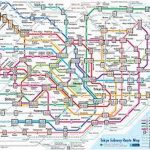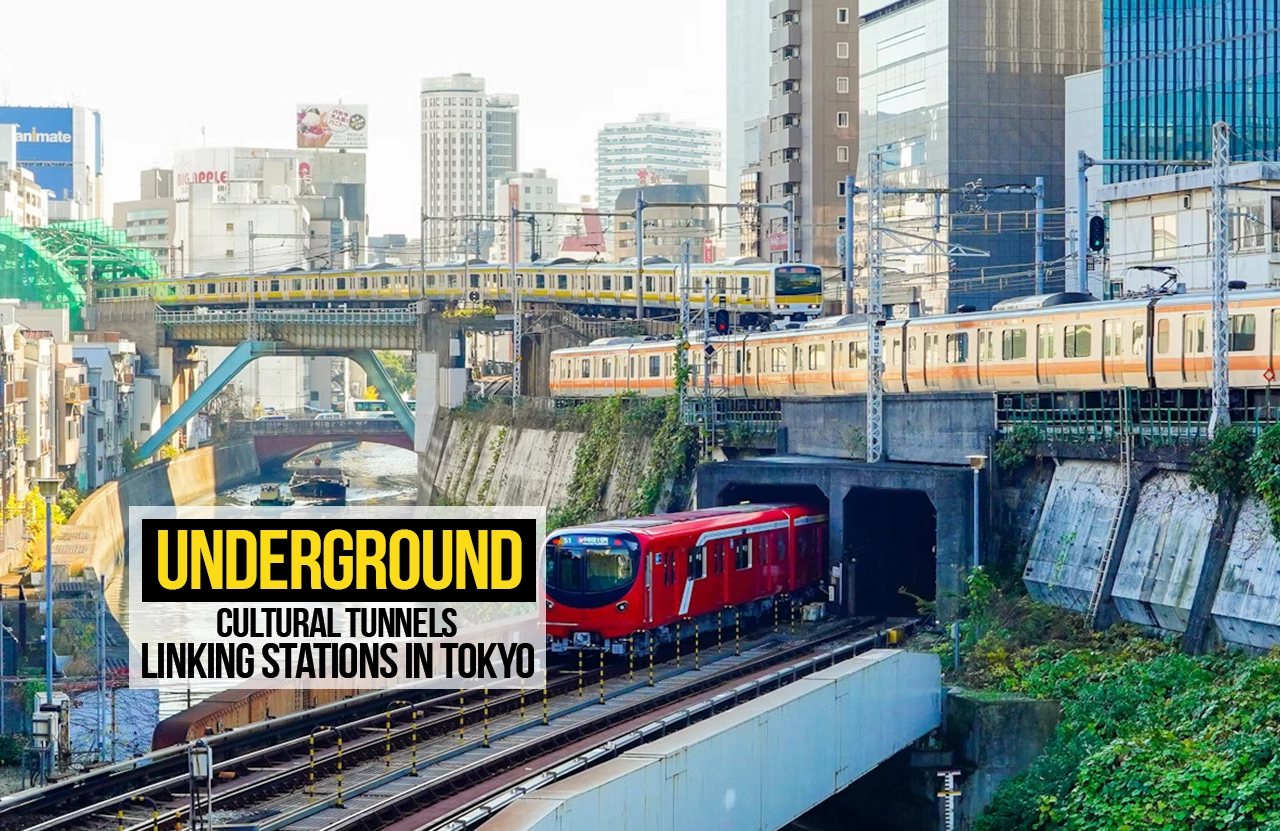
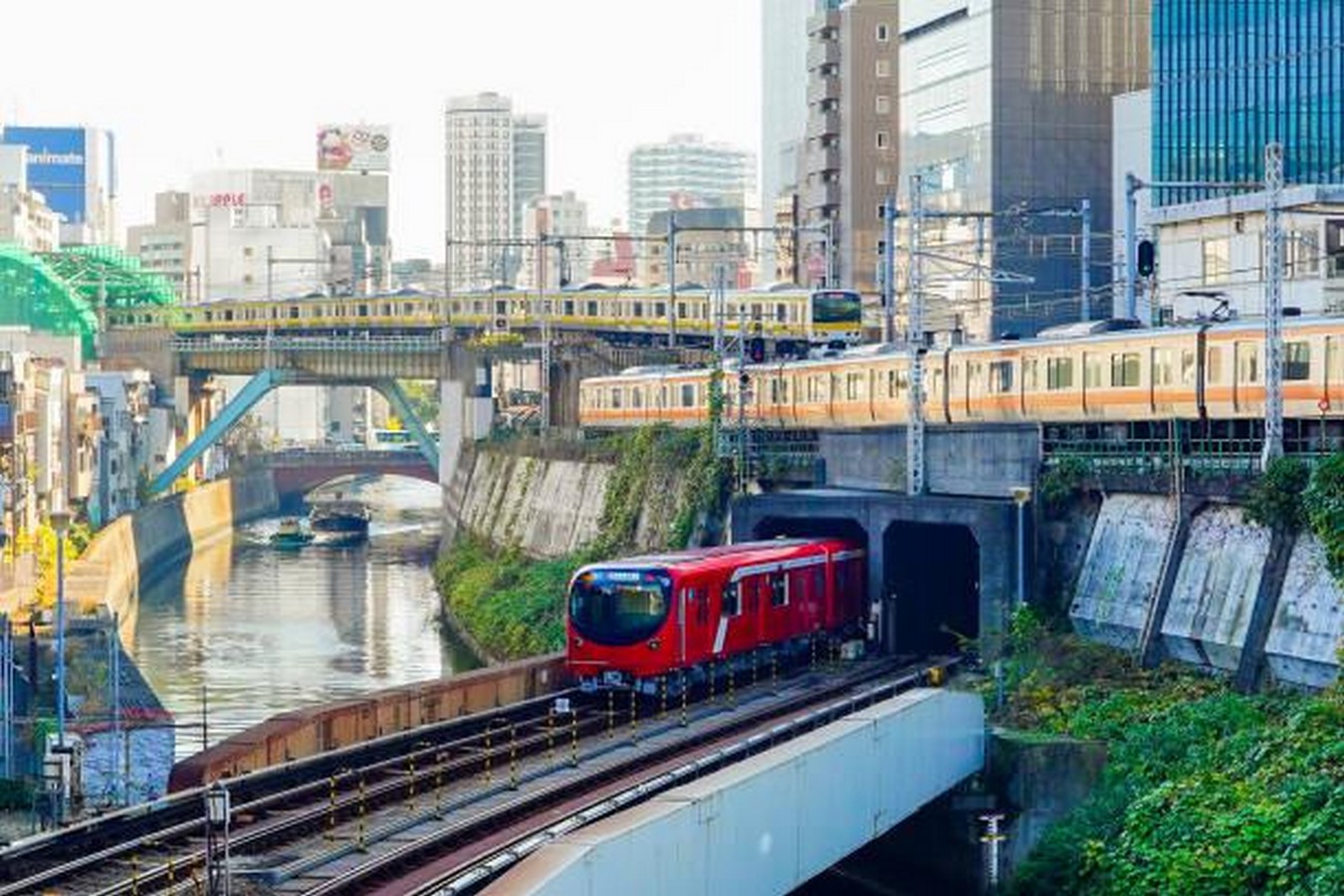
Tokyo, Japan’s spectacular capital is the largest city in the world by population. It is a massive urban agglomeration with over 37 million people to support and nourish. Such an urban mass requires the appropriate transport and commute to facilitate properly, and Tokyo is the peak example to showcase this. Nowhere in the world can a person find railways and connectivity like in Tokyo and Japan at large.
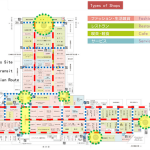
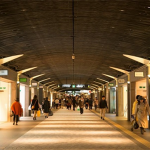
Twentieth century Japan underwent major development by its railway network, while Japanese city centres were deeply affected by the development. TOD is therefore fundamental in Japan, and forms a start character of the cities and their urban development. These cities are almost exclusively rail-based and not very intermodal, although that rarely affects feasibility in these cities. In Tokyo, owned and operated by a combination of city-run and privately-owned train companies, large stations often sport entire shopping malls. Malls such as Atre, Lumine, and Keio contain everything from restaurants and supermarkets to brand-name clothing stores, forming an entire urban underground community.
The Transformation of Tokyo’s Urban and Culture Fabric
Authors John Zacharias, Tianxin Zhang and Naoto Nakajima in their article focus on the radical transformation of Tokyo Station City in terms of its spatial function, demonstrating its new role as not merely a railway station but as a central architect of urban life in its own right. They describe this fundamental transformation in terms of a ‘node’ to ‘space’ shift, whereby the redevelopment of the station has successfully used vertical layers to combine transit functions with commercial activities in a seamless and climate-controlled zone that has successfully redefined Tokyo’s urban fabric in terms of its accommodation of luxury hotels, department stores, and gallery space.
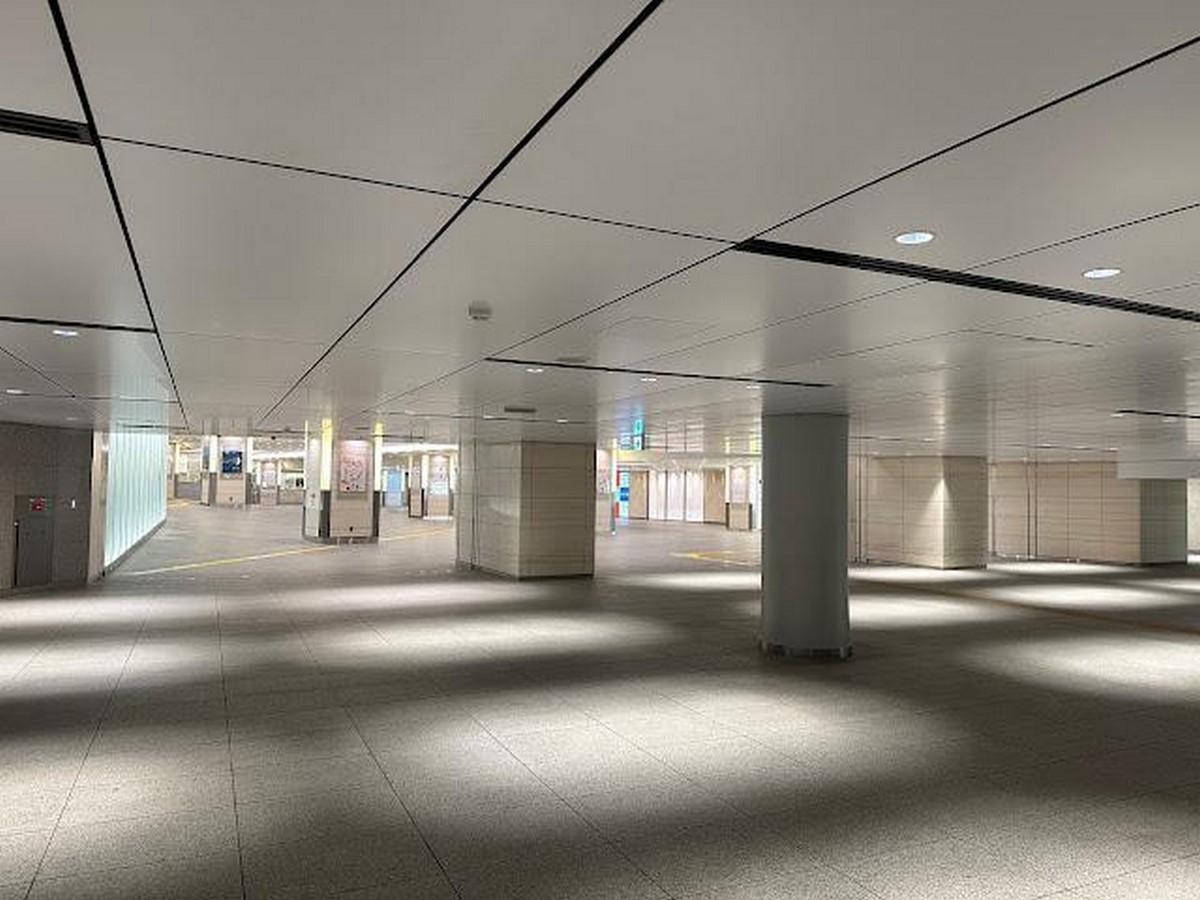
The station is not just a place to pass through but a “third place” for living socially. The development means control of how people move around, enhancing a “station-centered living” culture. The development plan utilizes a railway station to give the area its identity by making a line between space used for public infrastructure and space used for private leisure.
Development of the Underground
According to the form of space, there are two ways to divide urban recreation: one is inside recreation and outside recreation; the other is ground recreation and underground recreation. Among them, underground recreation is the most easily ignored but the most important concept. As everyone knows, the significance of a city lies in gathering. When the city reaches a certain level, it will inevitably appear as an underground recreation space. The underground recreation space plays a key role in enriching the recreational life of urban residents, improving the quality of urban residents’ life, improving the image of urban tourism and prolonging the stay time of tourists.
The creation of underground recreational areas in Japan began with subterranean walkways for pedestrians crossing roads, and the evolution of this concept can be broadly categorized into three distinct phases.
Period 1: Before World War II
During the period before World War II, underground passageways in Japan were initially devoid of commercial activities. Gradually, advertising and indirect marketing emerged, leading to the installation of counters for product sales, which transformed these areas from dull to vibrant commercial hubs. The Ueno Railway Station Underground Street marked Japan’s first underground street in 1930. As railway transit shifted underground in the 1930s, subway stations in major cities catalyzed the development and expansion of underground streets.
Period 2: From World War II to the 1980s
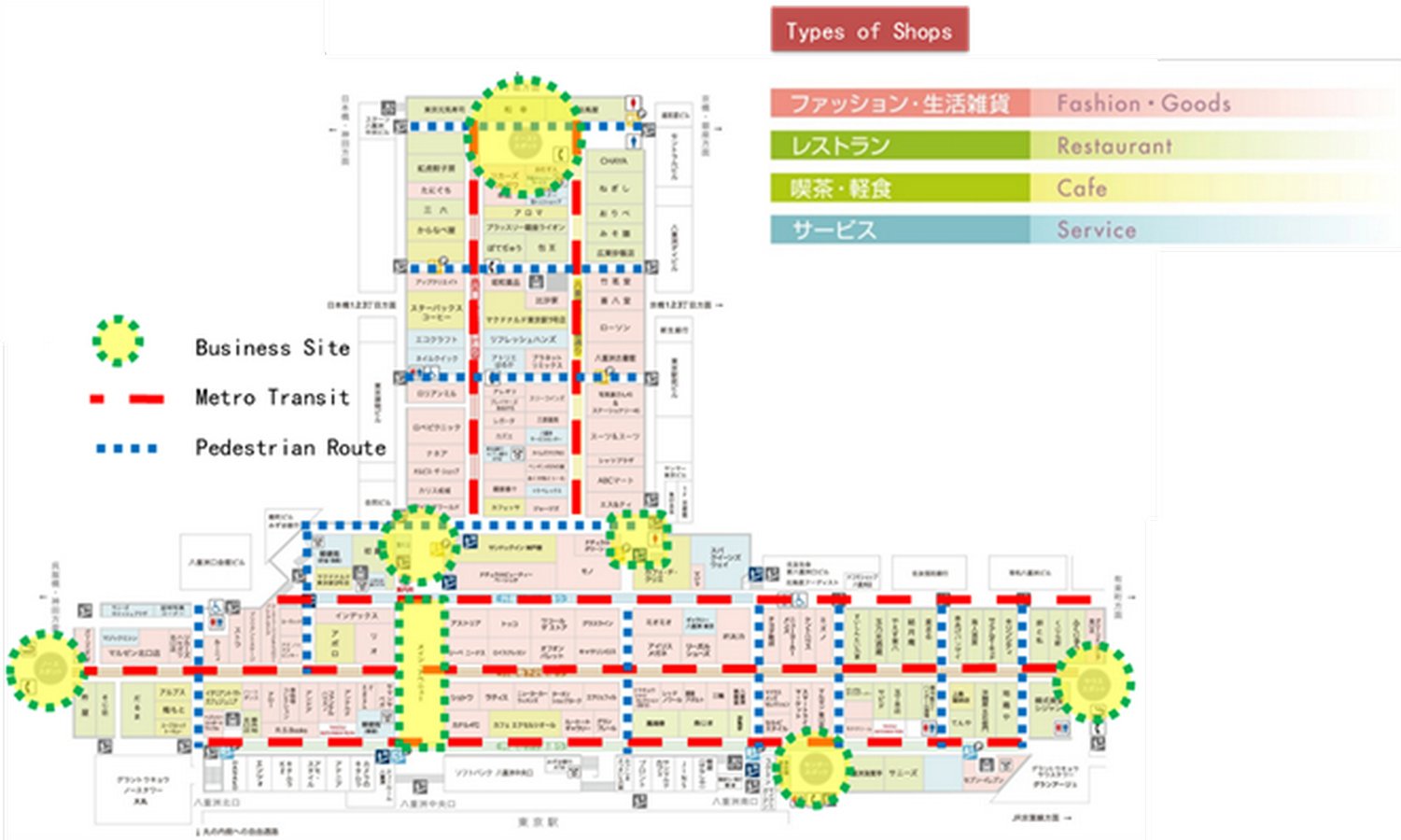
After World War II, the underground shopping environment faced challenges as street vendors began to proliferate, prompting government regulations that encouraged vendors to move underground in order to sustain business growth. The 1960s ushered in rapid economic expansion, thriving urban vehicle traffic, and a parking space crunch that necessitated the construction of underground parking lots in sync with underground shopping streets. The Tokyo YAESU Underground Street exemplifies this trend, with its construction spanning from 1963 to 1969, featuring an extensive area of over 70,000 square meters, including leisure spaces like Flower Square and Light Square.
Period 3: To the present
In the 1980s, a gas explosion in Shizuoka’s golden underground street led to heightened safety standards and regulations governing the construction of further underground streets, although existing ones continued to grow in scale, quality, and disaster resilience. In recent years, a comprehensive system for the development and utilization of underground streets has emerged, highlighted by key projects like Tokyo Roppongi Hills.As underground recreational spaces evolved into the 21st century, advancements in construction technology and management techniques fostered a more structured development approach.
This shift has transformed the relationship between underground and surface spaces into one of interdependence and harmony, as exemplified by Tokyo Roppongi Hills. This urban complex, situated in a prominent area of Tokyo, covers 11.6 hectares and integrates various facilities, including hotels, residences, and cultural venues. It promotes a blend of work, residence, and leisure, creating a multi-layered public space that harmonizes underground, surface, and elevated structures. Its design enhances the cultural environment through features like landscaped areas and public art, earning it titles such as “city mall,” “three-dimensional city,” and “art city.”
Unseen Tunnels of Tokyo
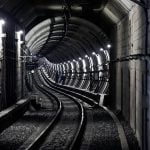
An article written by Unseen Japan delves into the underlying Tokyo tunnels as a significant unseen aspect of the urban landscape and a very important element of its culture, promoting these tunnels not just as convenient commuter cuts, but rather as a strategic refuge from the extremes of Tokyo’s humidity and winters, a design approach inspired by snowy Sapporo’s tunnels. Furthermore, as a reflection of Tokyo’s culture, one will see how this space has become oases of capitalism, where distinctions between public space and private space are no longer palpable, instantaneously moving from train platforms into “depachika” (department store basements) such as Isetan and Mitsukoshi without ever entering the above ground space.
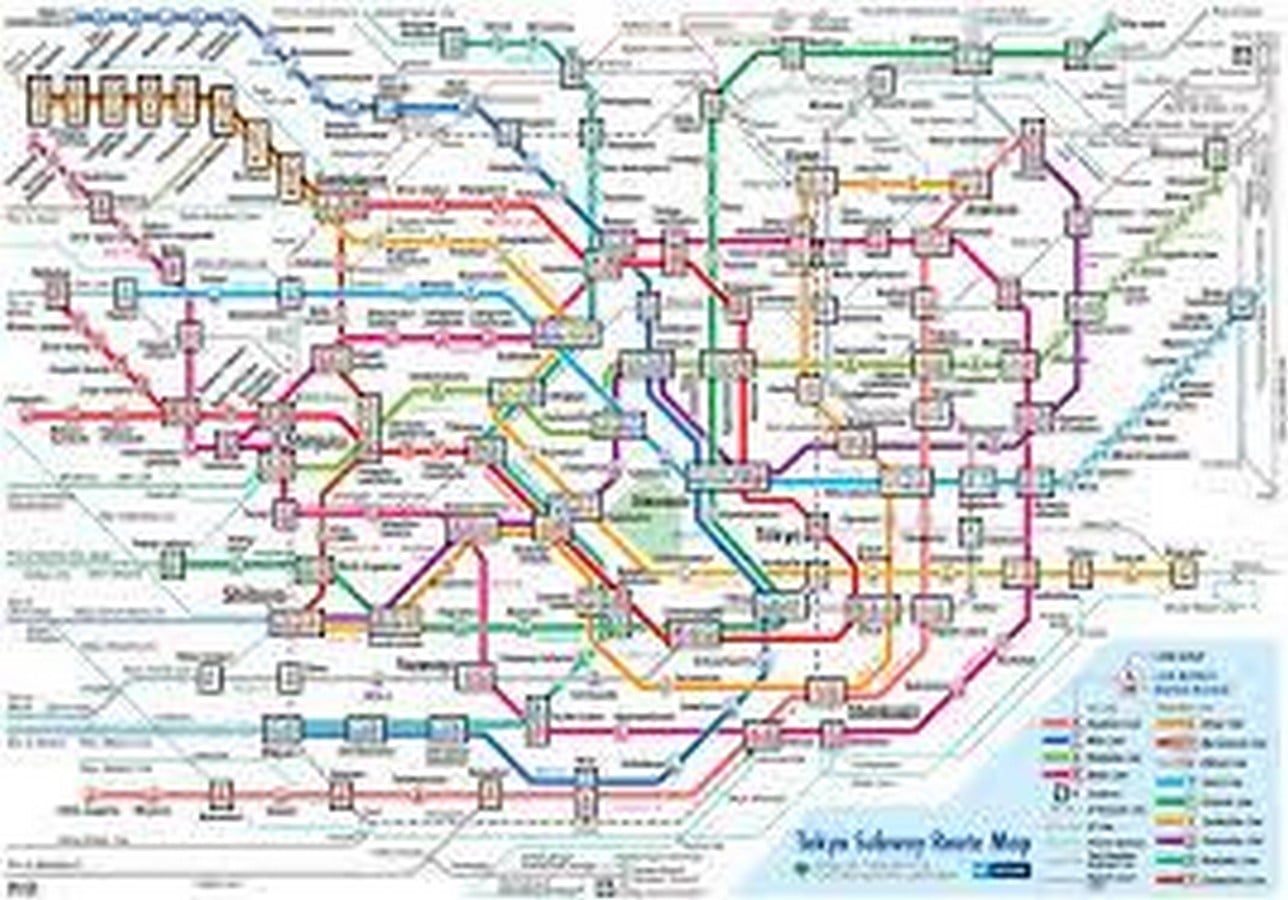
A great deal of the article is concerned with the “insider literacy” necessary to understand this network, as a number of the links, such as the 1km section connecting Ueno and Okachimachi or the complex connections involved in Shinjuku, frequently have no overhead signs to speak of. The combining factor of commerce, transportation, and socialization as an entity with controlled climates has given way to a phenomenon known as a “station-centered” lifestyle that epitomizes modern-day Tokyo. The extent of this phenomenon has extended into the realms of influencing modern media with the concept of limited space and even infiltrating modern lore as a reference for this endless labyrinth.
Tokyo’s Commuter Machine and Network
It is also possible to think of Tokyo’s underground as being in a state of technosocial spacing, an in-between space that is at once distinguishable from the specificity of technical systems and the ambiguity of human experience. This space of tunnels and platform areas literally acts as a spacing or distance between the timed and planned rationality of schedules, infrastructure, and control, and the flexible rhythms of daily human experience. Here, the disciplined and silent commuter self constructed in the enclosure of the moving train gradually becomes an expressive urban self. The underground itself thus acts as a kind of behavioral bridging space.
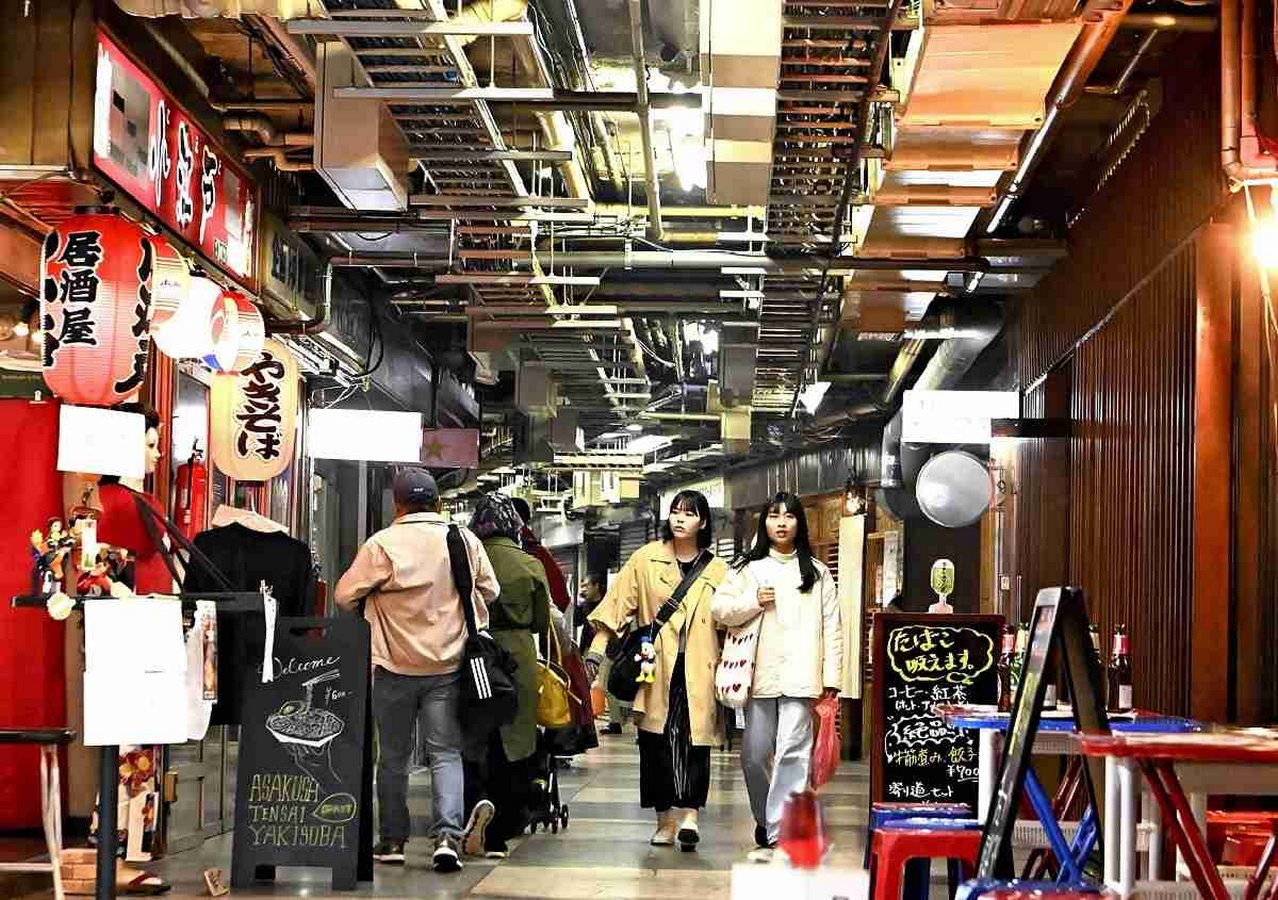
Historically, underground station plazas and passageways have served another purpose: as sites of cultural expression and political resistance. From the protest movements and informal performances that took place in certain underground spaces in the 1960s to today, such places represent the zone where civic authority and popular culture conflict. Despite the fact that today’s underground has become much more regulated and commercialized, a residuum of indeterminacy always remains in these places. Even in heavily policed systems, underground transportation allows for instances of unscripted behavior that resist the mechanical order of the city.
The subterranean world can also be seen as a prognostication of future urban life, one that is characterized by extreme density and infrastructure saturation. This becomes a cultural response as a need to live beyond any ostensibly possible spatial and social limits of human capacities. To deal efficiently, urban dwellers have evolved a discipline of controlled postures, minimal interaction, and non-involution, so that one can efficiently deal within intensely saturated confined spaces. Underground tunnels have therefore become a bridge connecting biological capacities to mechanical demands, revealing how urban cultures evolve to sustain life within intensely mediated subterranean environments.
The Underground as a Cultural City, Memory and Adaptation
A japanese book, Shirarezaru Chikagai, frames the underground tunnels and station-linked networks of Tokyo not as hidden or secondary infrastructure of the city but rather as the continuation of the routine cultural life of the city above. While being more or less passageway spaces in the early times, underground areas have evolved into completely inhabited urban environments, where commuting blends with shopping, eating, socializing, and leisure. All these networks constitute subterranean streets and squares that handle dense flows of pedestrians while developing their own social rhythms and micro-cultures. The close integration of underground passages with department store basements, food courts, and commercial galleries obscures boundaries between movement and dwelling, making daily life possible without relentless engagement with the surface city.
Culturally, the underground becomes collectively inhabited, climate-controlled, familiar, and a shared interior public realm where urban life is normalized below ground rather than treated as exceptional. In this sense, this book identifies such normalization as driving the spatial perception of Tokyoites by embedding the underground into routines, memories, and the lived experience of the metropolis.
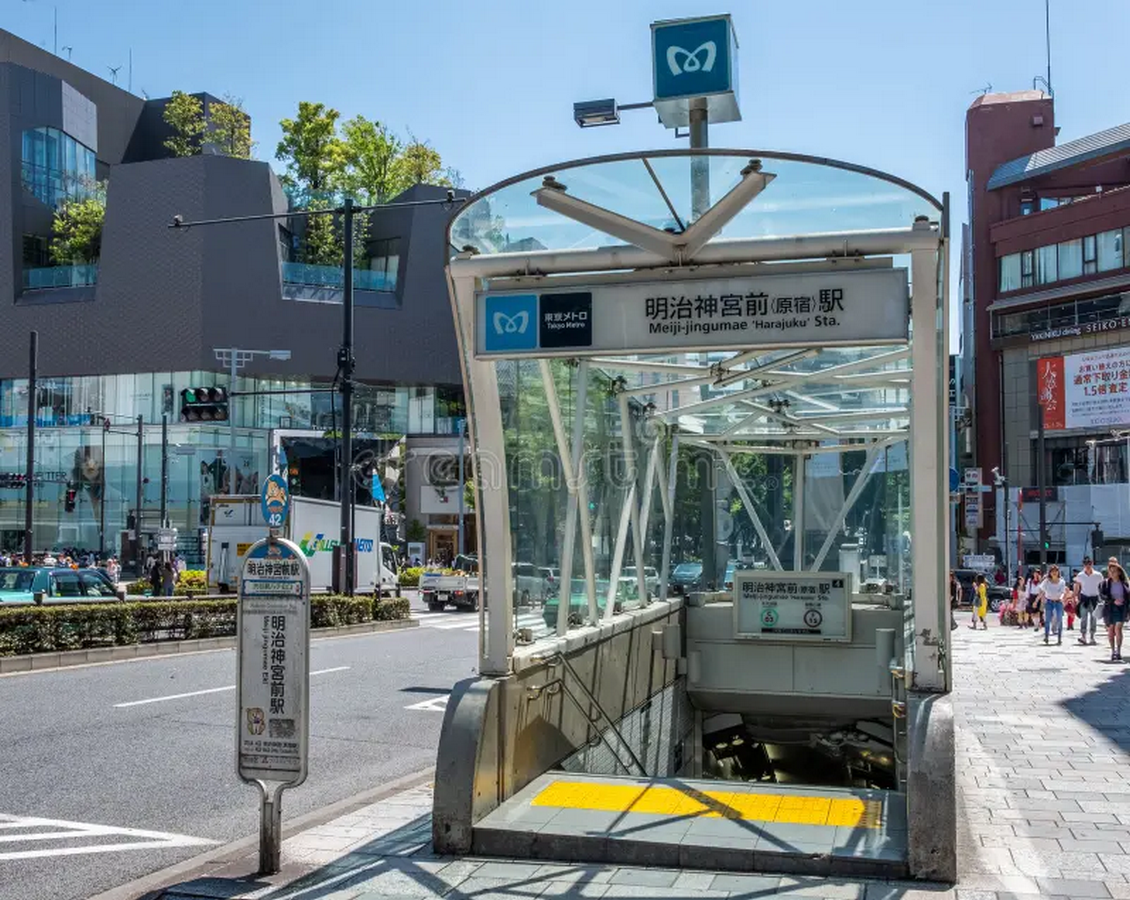
Besides the use functions, the book establishes that the Tokyo underground is a space imbued with symbolic attributes, memory, and cultural imagination, highlighting its depth, mystery, and distinction from the surface city, thus reinforcing Tokyo’s reputation as a layered, hidden city of multi-level complexity.
It can also be highlighted how exploration, touring, and cultural usage reconfigurate such spaces towards urban fascination, thereby reinforcing the importance of Tokyo’s underground spaces within its own legend of urban storytelling.
Significantly, the cultural relationship to underground spaces is revealed to be tied intimately with resilience, so that individuals’ comfort, confidence, and routine use of such spaces function to adaptively cope collectively within a city of risk, highlighting how such underground city infrastructure is not simply an adaptive response to risk, trauma, and pressure, but rather a cultural space where individual social reliance, routine, and urban spatial knowledge function to create a city beyond its own surface.
The Tokyo Station- an Ideal
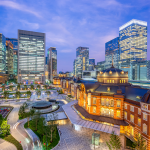
The Tokyo Station has been a true architectural marvel, particularly the red brick Marunouchi Building, featuring reconstructions of two roof domes that were destroyed in World War II bombings. An interconnected cultural space, the underground tunnels in the region surrounding Tokyo Station constitute a relevant example of this tendency within Tokyo’s underground spaces to subordinate the element of transit to the broader processes of cultural development, with the extensive network of pedestrians’ connections between the different stations and underground shopping areas facilitating the fluidity of passage from one district to the next. As the passageways increasingly came to be unified under the umbrella of underground streets, the act of commuting came to be an indispensable element of the urban experience itself.
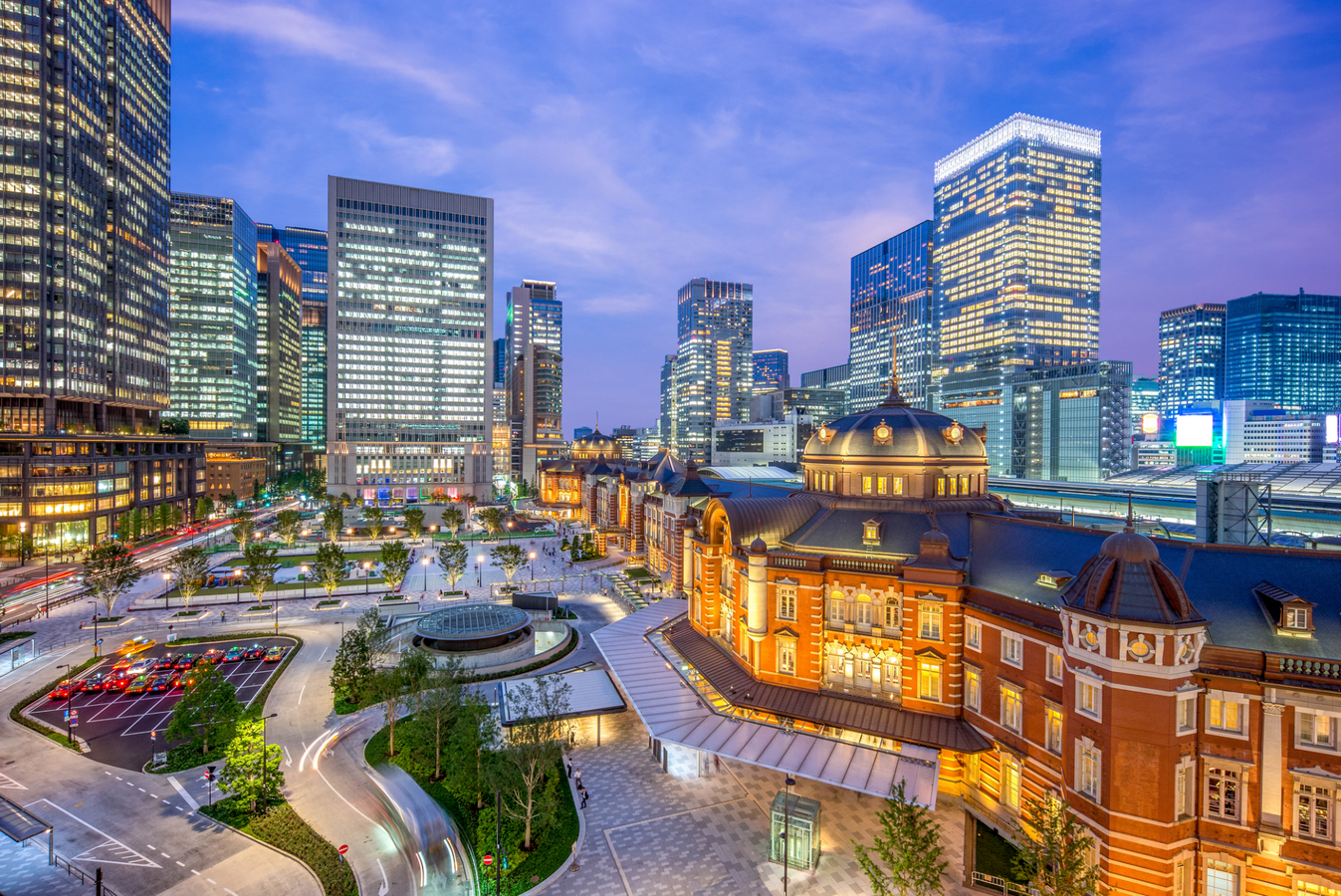
At the same time, Tokyo’s underground world is filled with symbolism and cultural significance. The idea of “secret tunnel” systems existing beneath Tokyo Station, as well as the inherent mystery and intuitiveness associated with walking through the underground network, play a role in how society as a whole understands and comprehends the underground world from a collective and global perspective. The combined network becomes a connector on a cultural and subjective level.
The Engineering Marvel of the Tunnels
SLICE Earth produced a video named Engineering Tokyo’s Future talks about the city of Tokyo as a highly engineered urban area, where infrastructure is considered a critical component in sustaining urban everyday life. Infrastructure in the city, including transport routes, pedestrian routes, areas allocated for underground infrastructure, and flood control measures are significant to the life of Tokyo and moreover, there are engineering aspects to prevent natural disasters, such as earthquakes and flood control. Overall, Tokyo presents itself as a city that is a model of future development, which showcases the capabilities of future urban areas in accommodating dense urban development.
Arteries of Tokyo
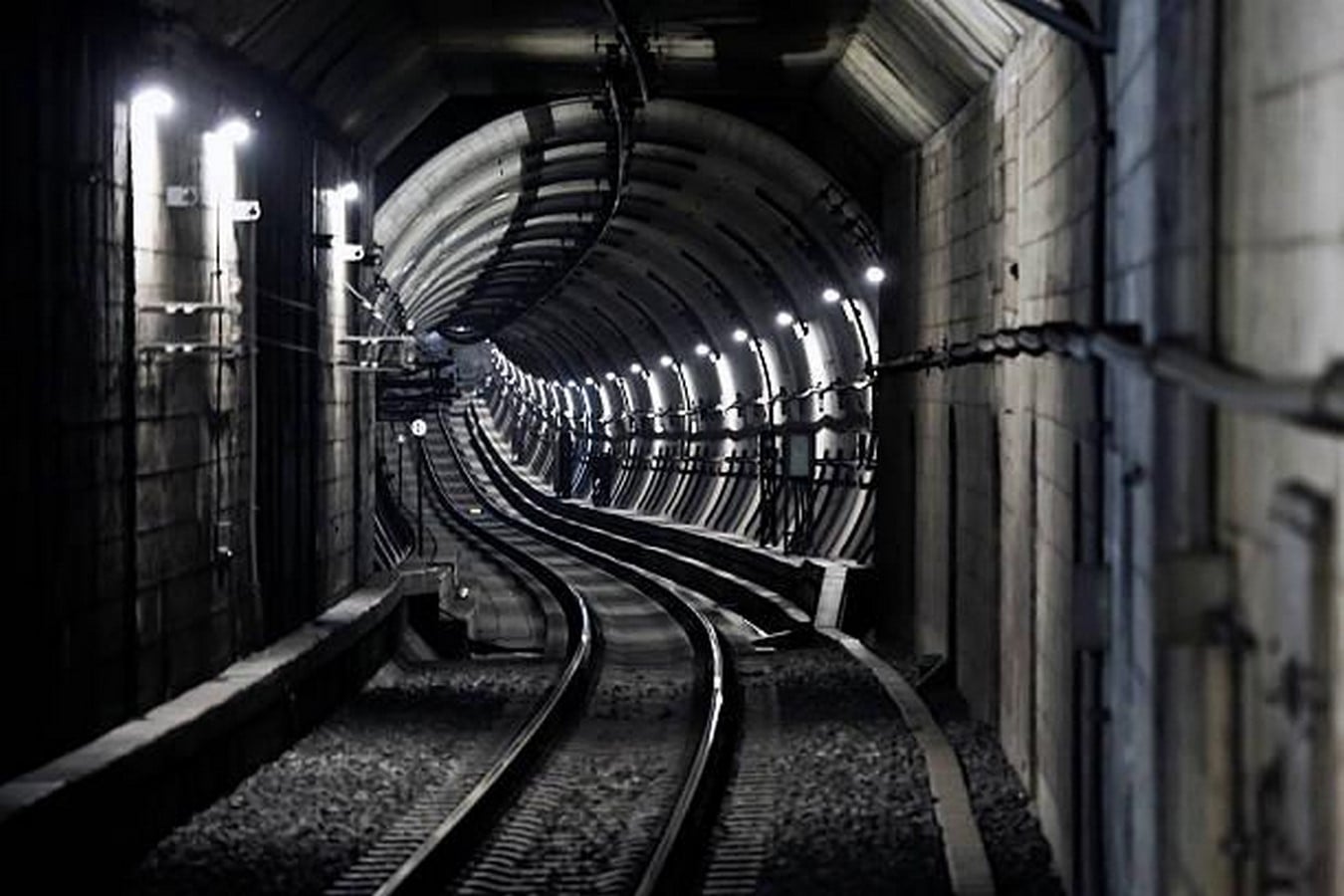
The Tokyo underground tunnels are now important cultural influencers in the city. This is a manifestation of an important cultural transformation in the lives of the citizens of Tokyo, in which important channels for movement in the city began to transition from cultural voids into functional culture itself. There has been an important transformation in the development process of the underground tunnels in Tokyo, with appropriate public oversight in their development and important concurrent involvement on the side of the private sector.
This concept has now been cultivated in such an important way in the city’s underground tunnels that culture itself is being promoted in them all through the course of the day. An important aspect in relation to the development of underground tunnels in the culture of Tokyo was their definition as crucial cultural connectors in the lives of its citizens. This is a very important manifestation that yields important lessons in relation to humanization in the underground tunnels in the city.
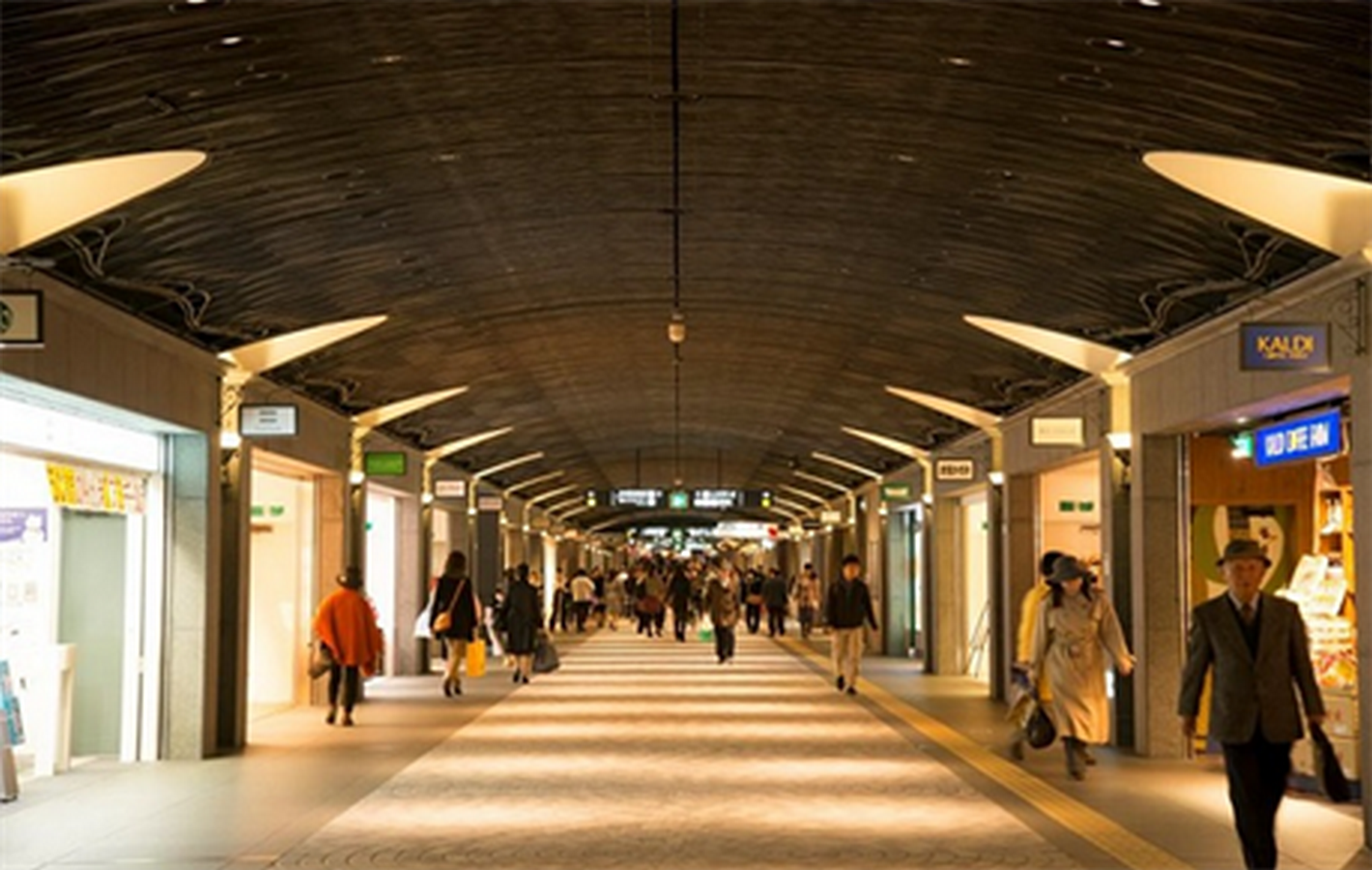
Overall, underground tunnels and stations function as the connective tissue of Tokyo’s own technosocial ecology, connecting the private individuality constructed through individual devices and self-regulative disciplining to the public realm of moving systems and urbanistic infrastructures. Tokyo underground is the locus where commuter culture is most condensed: effective, silent, highly technological, and extremely collective. Instead of being a straightforward mechanism for passage from place to place, Tokyo underground assumes a crucial cultural role as a place where contemporary culture is constantly being negotiated.
Citations:
- Zacharias, J., Zhang, T., & Nakajima, N. (2011). Tokyo Station City: The railway station as urban place. Journal of Transport Geography, 19 (4), 242-243.
- Zhang, P. (2018). Japanese Ways of Developing Urban Underground Recreation Space. World Journal of Engineering and Technology, 06 (02), 504-517.
- Hiroi, U. (2018). Shirarezaru Chikagai (Unknown Underground Cities: Their History, Unique Features, and Role in Disaster Planning, with Recommendations for Exploring Underground). Tokyo: Kawade Shobo Shinsha.
- Fisch, M. (2018). An Anthropology of the Machine: Tokyo’s Commuter Train Network. Chicago: University of Chicago Press.
- Ouchi, M. (2012). The changing underground network. [Online article]. Available at: https://www.mjd.co.jp/en/insights/48390/. [Accessed: 23/ 01/ 2026].
- Allen, J. (2024). Beat Tokyo’s Heat With These Hidden Underground Train Passages. [Online article]. Available at: https://unseen-japan.com/tokyo-train-stations-hidden-passages/. [Accessed: 23/ 01/ 2026].
- Kageyama, Y. (2014). Tokyo Station: 100 years of trains, tourism and secret tunnels. [Online article]. Available at: https://gantnews.com/2014/12/21/tokyo-station-100-years-of-trains-tourism-and-secret-tunnels. [Accessed: 23/ 01/ 2026].
- SLICE Earth. (2025). Engineering Tokyo’s Future: Defenses Against Disaster. [YouTube Video]. Available at: https://www.youtube.com/watch?v=IHHOan7Z5D0. [Accessed: 24/ 01/ 2026].