In the past, the architect’s room has traditionally offered the sense of sight, hearing, and smell as he creates. One is reminded of the gentle scratch of a soft pencil lead as it marks the tracing paper with lines. Or the smell of balsa wood dust in the atmosphere. In the past, architects have used the physical elements to create as an integral part of the entire architectural world. He used his pen not as a tool to draw lines of points as dictated by the physical laws he had learned in school. But, the digital platforms available to the modern architect have merged to become an advanced form of architectural evolution.
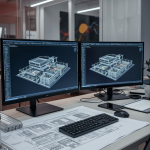
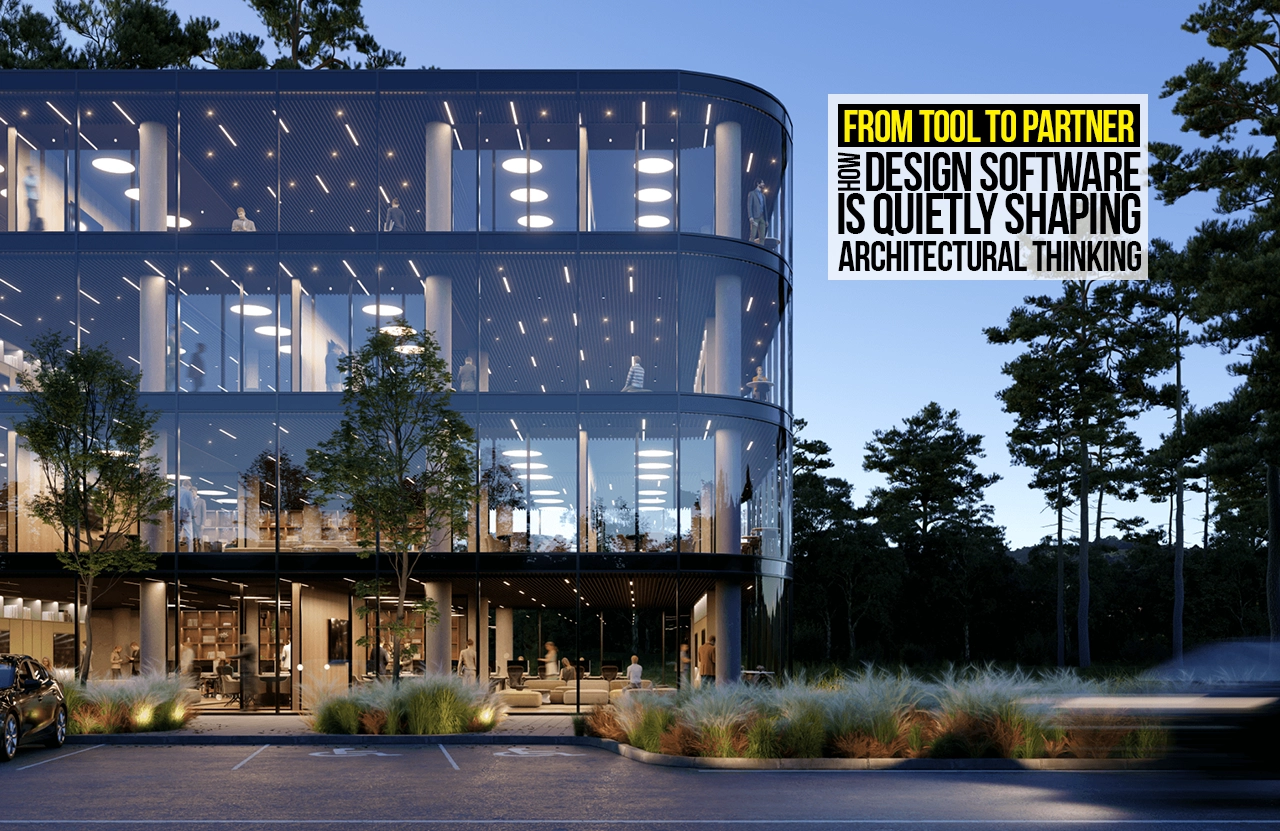
Today, the screen of a computer workstation is not just a blank canvas, but a thoughtful collaborator. To modify a curve in a computer model of a design is not just to enter data into a computer program, as it was in the past,it is to engage in a kind of dialogue, whereby the computer at once begins to ponder with the architect just how it will hold its load, just how the light will pour across a street, just how much it will cost.
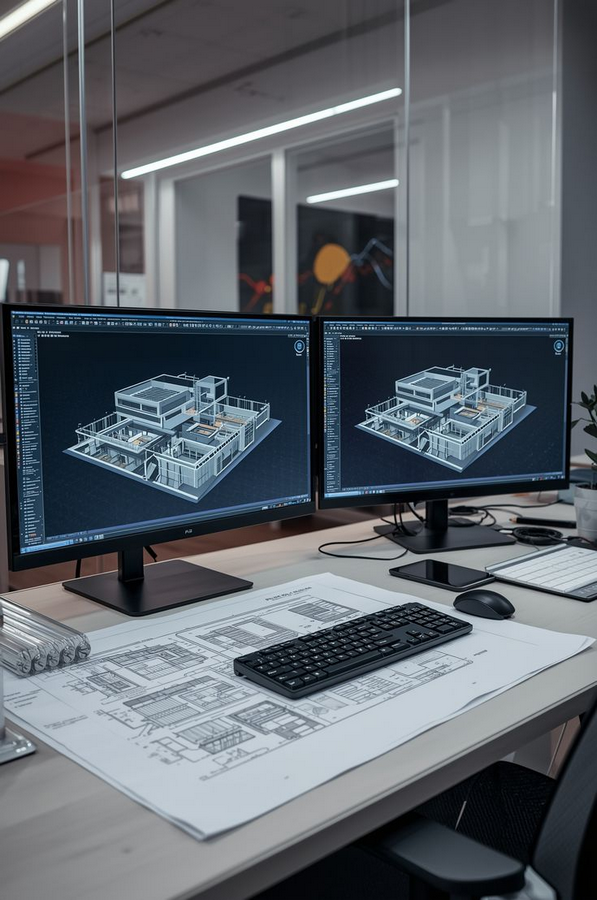
The Progression from Form to Logic
As the world moved into the age of hand drawings, the wall was an object,a line on a sheet of paper representing a static object in space. The role of the designer increasingly focused on “what.” But as computational design comes on board, the role of the architect is moving to “how” and “why.” We now use computer programs to think in terms of relationships instead of just thinking in terms of shape. We may now wish not to dream of a certain shape of roof, but rather may now wish to dream in terms of a responsive quality to the path of the sun or the direction of the wind as it blows. Just as a hydraulic shift is required in moving from data to information, a hydraulic shift is required in moving from object to rules.
The beauty of moving to an algorithmic sort of logic is that it offers the ability to refine to levels beyond which the mind is suited for refinement. Parameters, like the weight a foundation should be able to hold or the level of light needed in a classroom, determine the sorts of forms the software can then propose to meet the requirements for such scenarios. In a sense, it is a curation, rather than the creation itself.
Real Time Dialogue and the End of the Guesswork
There was a painful lapse of time between when a creative idea was conceived and when the computer could validate it. Designers could spend weeks building a lovely cantilever wing, only to have a structural engineer inform them it would fall down in seconds if constructed. Until now, Computer-Aided Design Software development endeavors had a siloed model, such that the creative idea was at odds with analysis. Design software makes creative ideas an active feedback loop, such that if a wall is moved, the room’s thermostat changes in real-time, a mirror reflecting the aftermath of each creative decision.
Gone is the era of frustration, the fear of the unknown, anyhow? This whole design process is now crammed neatly into one breath, it seems. We can be much more adventurous, much more experimental from an architectural viewpoint. We merely savor the drudge work of doing the calculations, providing the architect the space to think about the experience of building for people. A lovely design shall be created, a useful one, in the process, for nothing beats the conversation between the creative mind and the analytical mind.
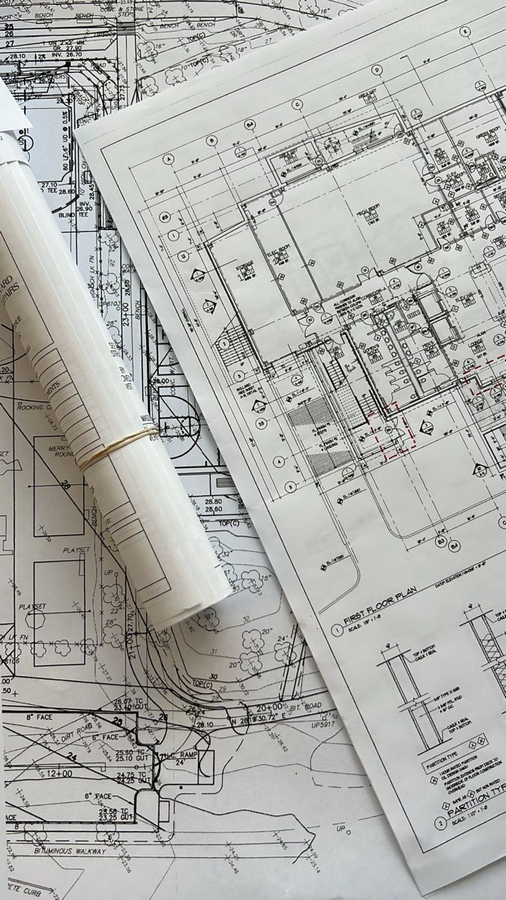
Crafting to be Effective in a Changing World
The architect has been given a more responsible position as the world focuses on living more sustainably. The building now needs to perform well, being good for the environment and good for the occupants, and this means more than just looking good. The computer, with its capacity for simulating everything from carbon footprints to acoustic echo, has been one of the biggest assets for architects as they seek to address this need for responsible building with more scientific mindsets and data for every decision.
There is significant reduction of risk of failure if a designer can “see” how heat builds up within a glass atrium, or how air moves through a corridor, even before a single brick is put into position.
The Future: A Mutually Beneficial Partnership
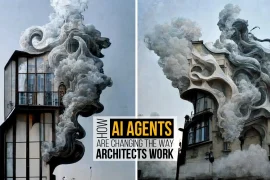
“The designer-machine coupling will become even closer in the future.” Software becomes a “proactive” partner instead of a “reactive” one with the use of artificial intelligence in the field. Therefore, software may propose changes to the building plans in accordance with thousands of years of human movement patterns, or propose materials based upon the availability of the “supply chain”; once again, the architect’s role is enhanced, rather than diminished. What the building says to the world is still decided by the architect, who is once again the “moral and artistic” compass.