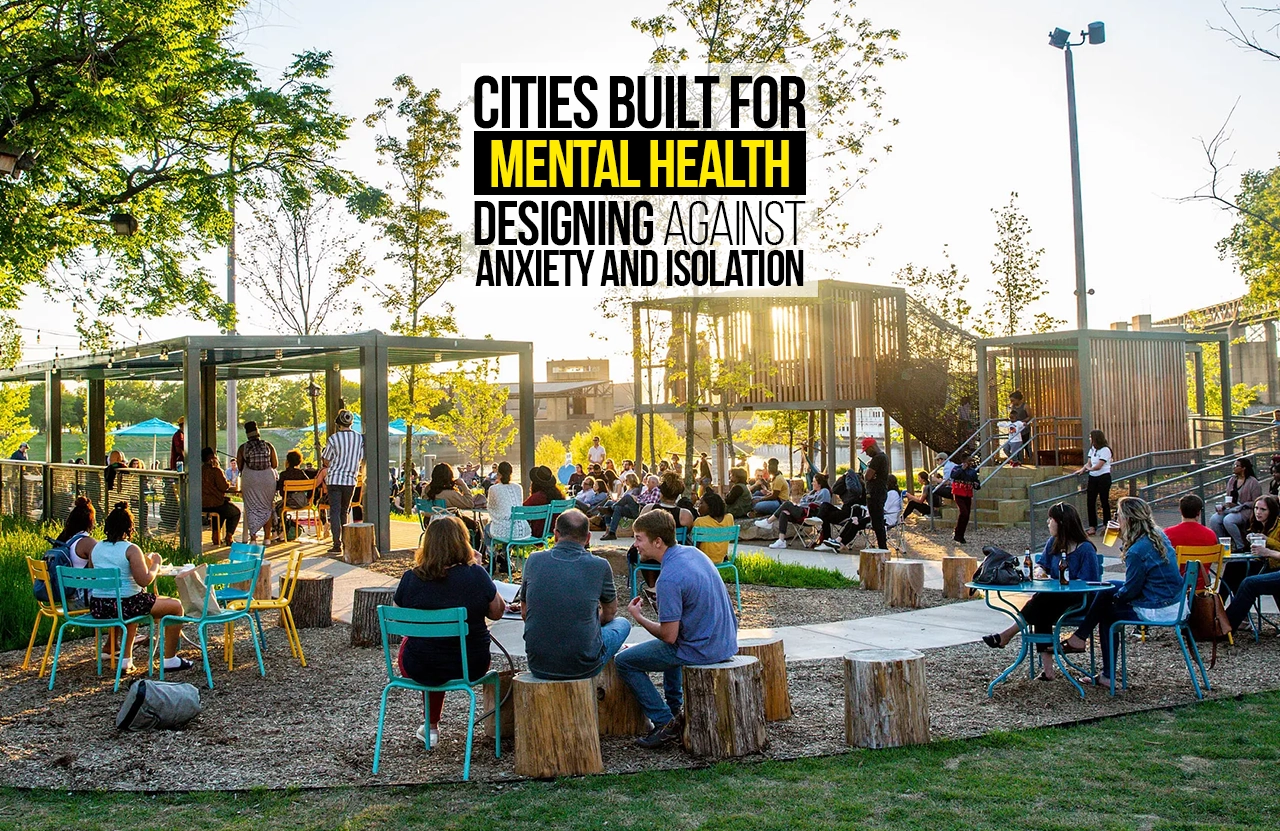
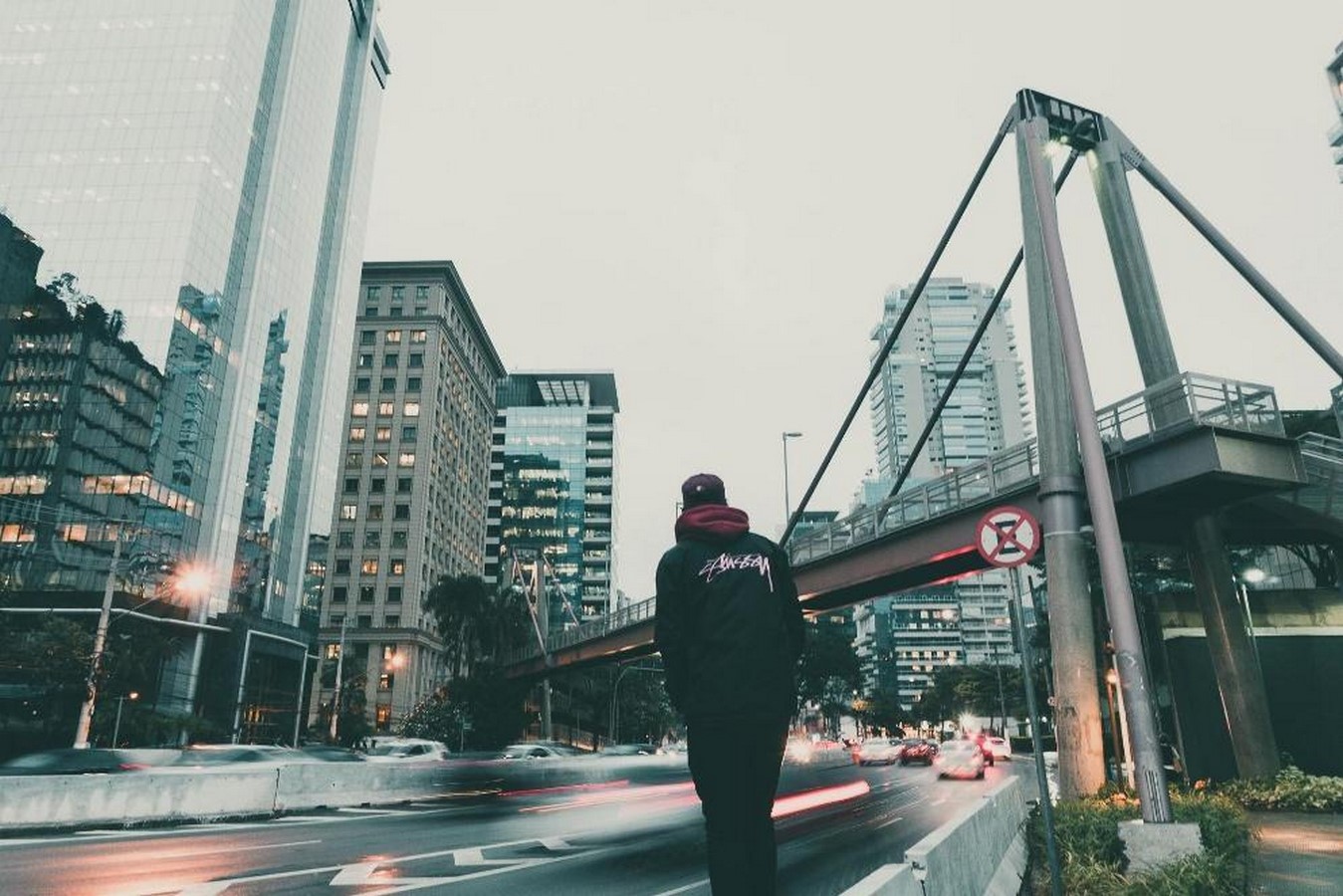
Cities are more than clusters of buildings. As the cities grow and develop by the time, the influence of the cities is increasingly contributing not only to how we live, but how we feel. Increasing rates of anxiety, loneliness, depression, and stress are the after-effects of the manner in which our mental well-being is being disturbed by the urban environment across the world.
According to the World Health Organization (WHO): “Health is not merely the absence of disease but a state of complete physical, mental and social well-being.” Significantly, the planning and designing of the city has an immense influence over how inhabitants feel. An improperly planned city can lead us towards an increasingly lonely experience of lives filled with isolation and stress whether a well-planned city can foster a sense of cohesive community, social interaction and connections.
Public Spaces as Social and Emotional Infrastructure
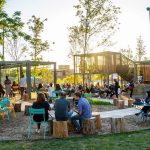
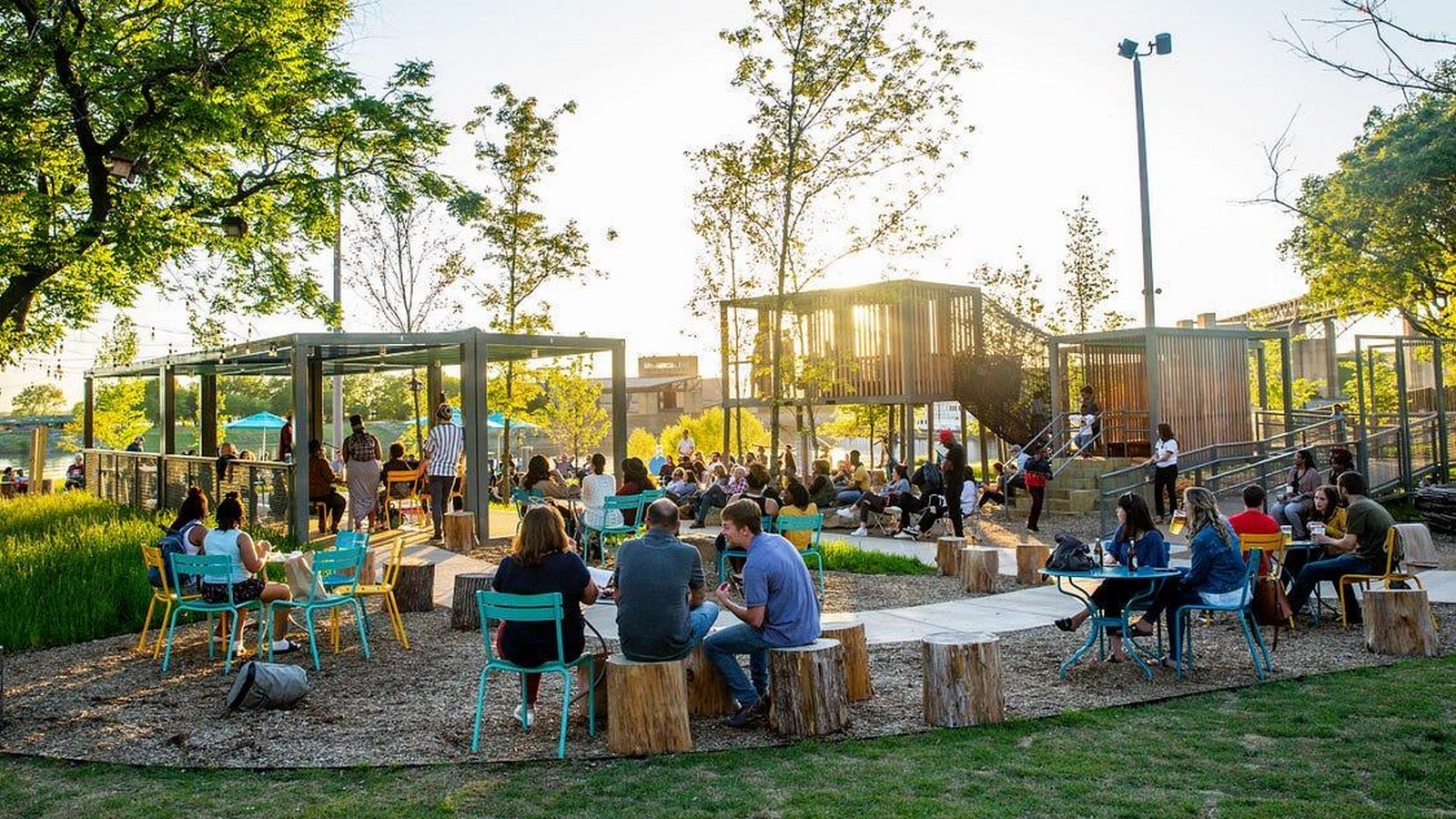
Public spaces are the emotional lungs of cities. Well-planned parks, plazas, waterfronts, sidewalks, and hubs create an environment where social interaction and mental well-being can thrive. For example, research shows that access to well-designed public space-especially those integrated into greenery and natural elements-can lower the overall level of stress and improve mood and emotional resilience.
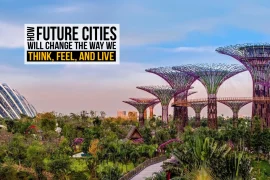
Cities like Copenhagen accentuate everyday public life through bicycle networks, urban squares, and pedestrian streets, while Singapore incorporates biophilic design into the sense of an urban environment.
Urban Form at Human Scale
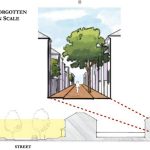
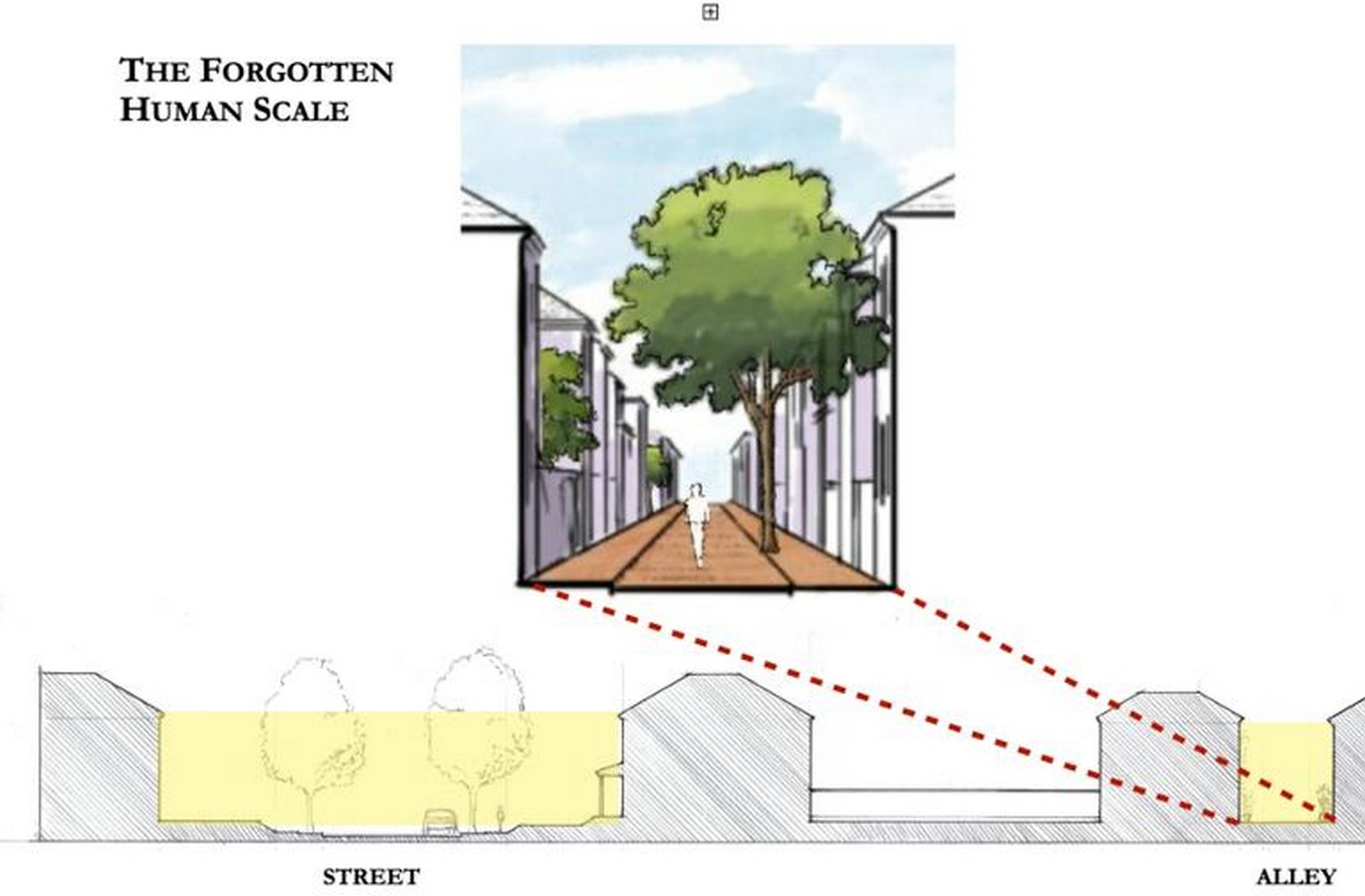
Cities that support mental well-being often follow human-scale planning principles such as: short blocks, pedestrian-oriented streets, mixed use neighbourhoods and a clear spatial hierarchy to provide users an easy-to-navigate and less intimidating. Shorter distances to access all daily needs of work, study, shop and play reduce the physical and emotional stress of long commutes and time constraints.
By reducing Visual and Physical stress, people stay longer, interact socially and develop a sense of connection. Through these processes, urban environments can enhance individual comfort, well-being, and everyday human experience.
Designing City with Sensory Sensitivity
A healthy city is one that is sensitive to the human senses. Sensory sensitivity city design recognizes that the city is in constant communication with the human brain through auditory, visual, olfactory stimuli, and mobility. In many contemporary cities, noise pollution, harsh light levels, visual clutter, and density often saturate the human senses to create increased stress and anxiety, as well as mental fatigue.
Noise-buffered streets, shaded walkways, material schemes and visual order are also used to mitigate cognitive fatigue. Furthermore, incorporating nature and water features (e.g., Rain Gardens, Water Features, Trees) into urban design has Proven Restorative benefits to Mental Health by reduced Levels of Cortisol, and Improved Mood
Strategies for Designing a city against anxiety and isolation-
-
Safe and Social Public Spaces
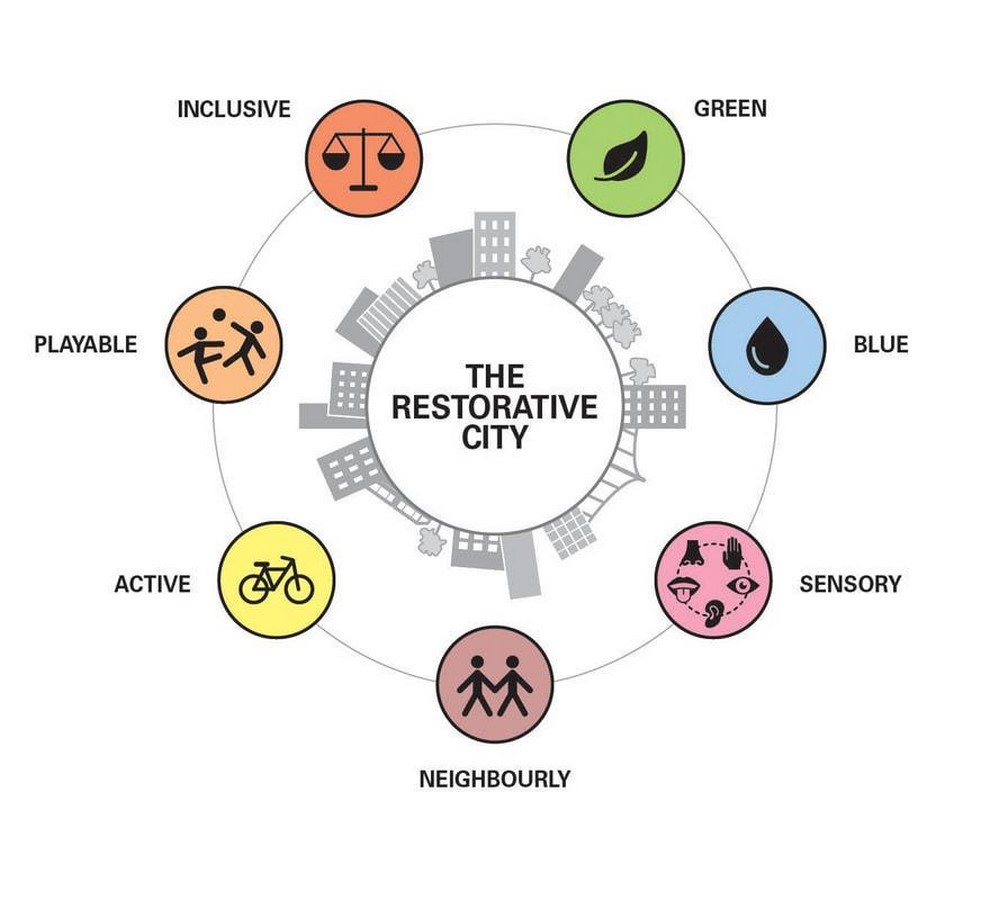
Develop well-lit, flexible public spaces that invite rest, play, and interact. Shaded walkways, comfortable seating, public game tables, clear sightlines, inclusive play areas, and other elements foster routine social interaction and a sense of safety.
2. Inclusive Design
Universal accessibility should be embedded in public infrastructure such as ramps, legible signage, accessible toilets, adequate seating in public-facing spaces.
3. Mainstreaming Urban Greenery
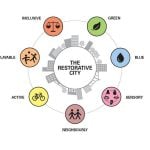
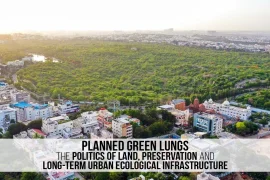
Cities should implement and maintain green infrastructure throughout their urban environment, not just limited to providing large city parks (as one might expect) but also providing street trees, green roofs, pocket parks (small parks located in the middle of urban areas), tot lots (areas designated for small children), and providing visual access to greenery from homes and work places.
4. Encouragement of Active Transport
Cities should design to promote walking and bike riding rather than driving motorized vehicles. Shaded walking paths, protected bike lanes, longer wait times for pedestrians to cross the street, and safe and secure places to park bicycles.
5. Reducing Noise and Air Pollution
Minimize exposure to pollution from harmful pollutants by proper traffic control, plant barriers, and smart air circulation in densely populated zones. The use of tree varieties, for example, Ficus and Indica, have been effective in trapping particulate matter. Low-emission zones and redirected freight traffic can significantly enhance urban air quality.
Reference List-
- Niua.in. (2025). Healing Cities: Building Inclusive, Safe and Accessible Cities for Well-being | NIUA | Shaping Urban Futures Through Research & Policy. [online] Available at: https://niua.in/healing-cities-building-inclusive-safe-and-accessible-cities-well-being.
- www.who.int. (n.d.). Ninth Global Conference on Health Promotion, Shanghai 2016. [online] Available at: https://www.who.int/teams/health-promotion/enhanced-wellbeing/ninth-global-conference/healthy-cities.
- jason (2025). How Urban Public Spaces Are Transforming Canadian Mental Health – Health & Wellness Canada. [online] Health & Wellness Canada. Available at: https://www.healthcouncilcanada.ca/how-urban-public-spaces-are-transforming-canadian-mental-health/?utm_source=chatgpt.com.
- Urban Design lab. (2022). Urban Design And Mental Health. [online] Available at: https://urbandesignlab.in/urban-design-and-mental-health/?srsltid=AfmBOoo4oFX7lw9WwazroQmSkcdFV6VpP6N07op_uxFS48rK7ZBUinuh [Accessed 15 Jan. 2026]
- Sahar, Harteveld, M., Dorst, M. van and Deepti Adlakha (2025). The socio-spatial roles of public space as an enabler for community resilience. URBAN DESIGN International. doi: https://doi.org/10.1057/s41289-025-00288-1