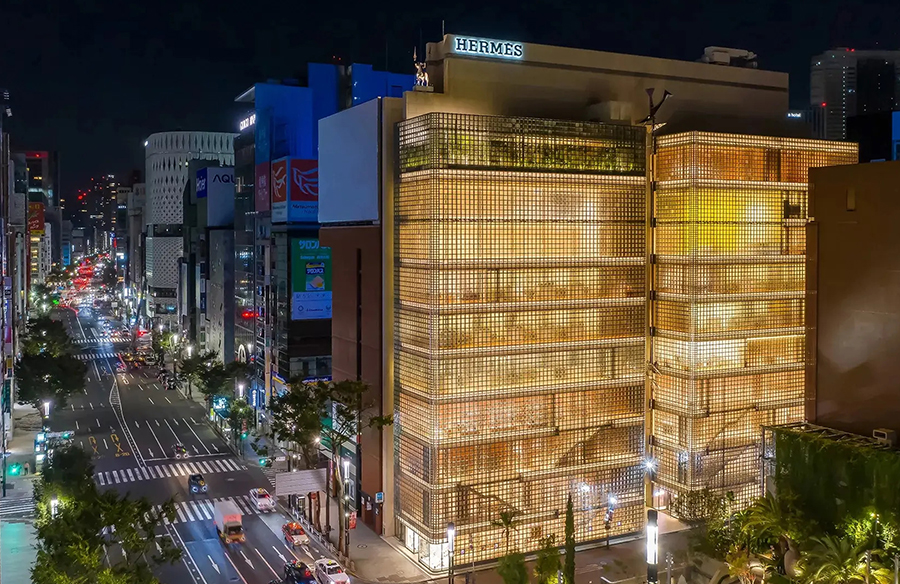
Renzo Piano, lauded for his hi-tech, innovative, and immaculate designs have always been en route to adopting and applying traditional methods that infuse with modern technological trends to create a boundless harmony of weightless architecture. His attempts at creating spaces that fit into the city’s dynamic like a puzzle-piece leave no room for feeble work and fight their way to create the most endearing and resilient pieces of architecture. Yet, back in the late 90s, when Renzo Piano was approached to create a landmark building ‘Maison Hermes’ for Hermes, the French luxury brand, on a narrow plot in the most expensive and exclusive shopping district of Tokyo, the challenge here posed to create an elegant, timeless, classy and inviting guise for the brand.
Apart from creating the luxury empire’s corporate headquarters and retail store, his architectural vision also would have to accommodate the stringent earthquake safety measures of the city and create an age-less landmark that would revolutionize the city’s zestful growth.
“For me, technology is like a bus; I only get on it if it going in the direction I want.” – Renzo Piano [Buchanan, P. (2015)]
Design Philosophy | Maison Hermes
Thus was born Maison Hermes. Roughly translating to ‘House of Hermes’, this piece of architecture questioned how new technology could be infused with pre-existing methods of construction to create a new paradigm of beauty and construction. With the driving force of Renzo Piano’s design process, ‘Uno Spazio per la Gente’- A Space for People, the focus of the architect was always on providing for the people, the users, the owners, and the workers, with the most optimum spatial designs and areas that make their work flourish.
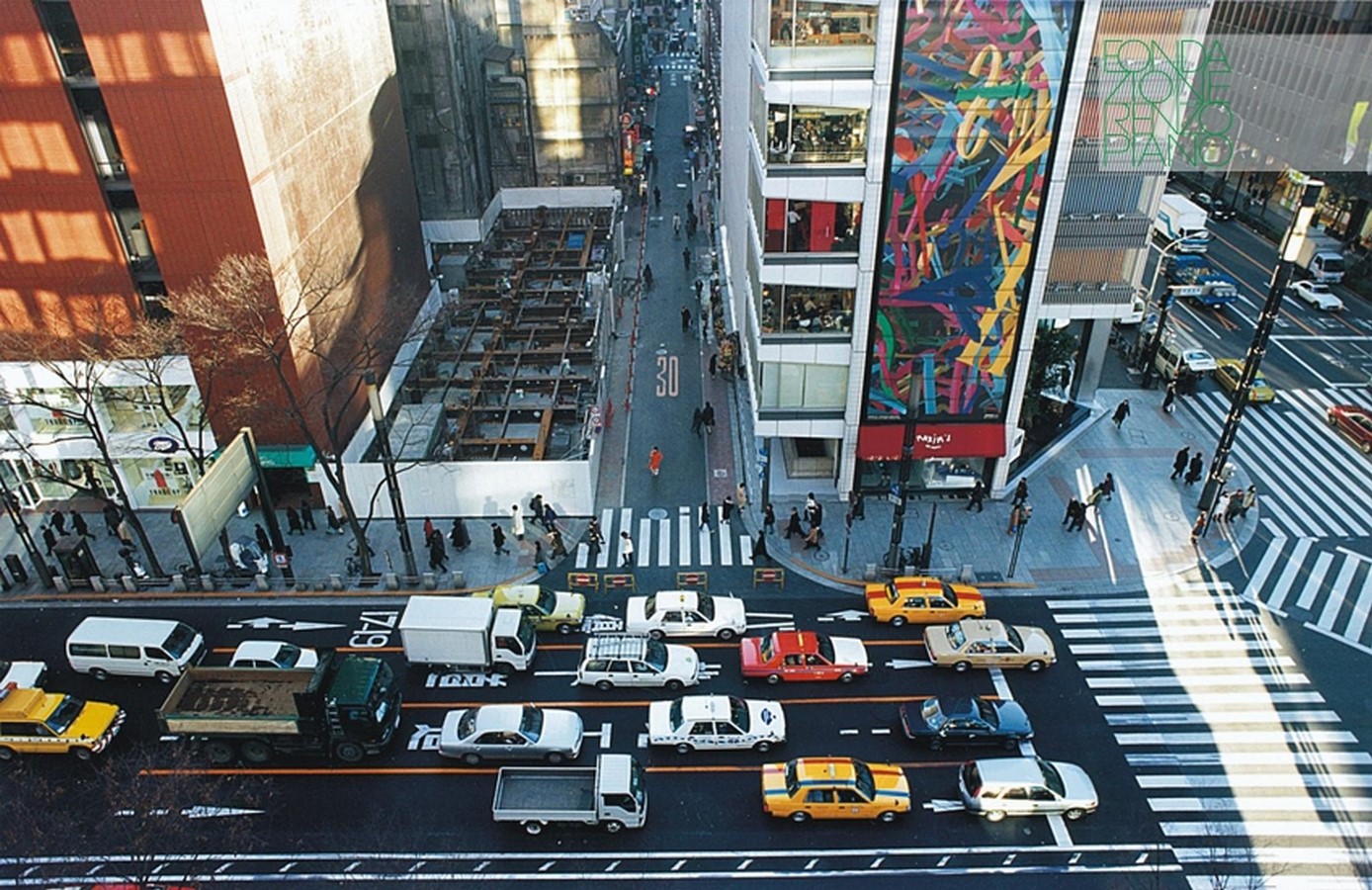
The design asked for two main things to encounter immediately – the appearance of the building in this highly exclusive shopping district and the way it would perform under an earthquake while sitting on a restricted plot beside a vibrant road. The building would also have to exude a calm, serene, yet stylish persona to negate the crowded city’s neon appearance and block out the boisterous atmosphere of the city. The design considerations by Renzo Piano invited him to formulate a new system of conditions, developed especially for this building. Since the construction site measured only 45m long and 11m wide, it was evident that the body of the structure built on it would be thin and slender, and owing to the programs required in the building, would also be growing in its verticality. In addition, it gave rise to the problem of how the building and its functions would deal with the lateral shockwaves with a thickness of just 11m.
Design Parti
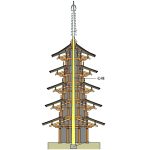
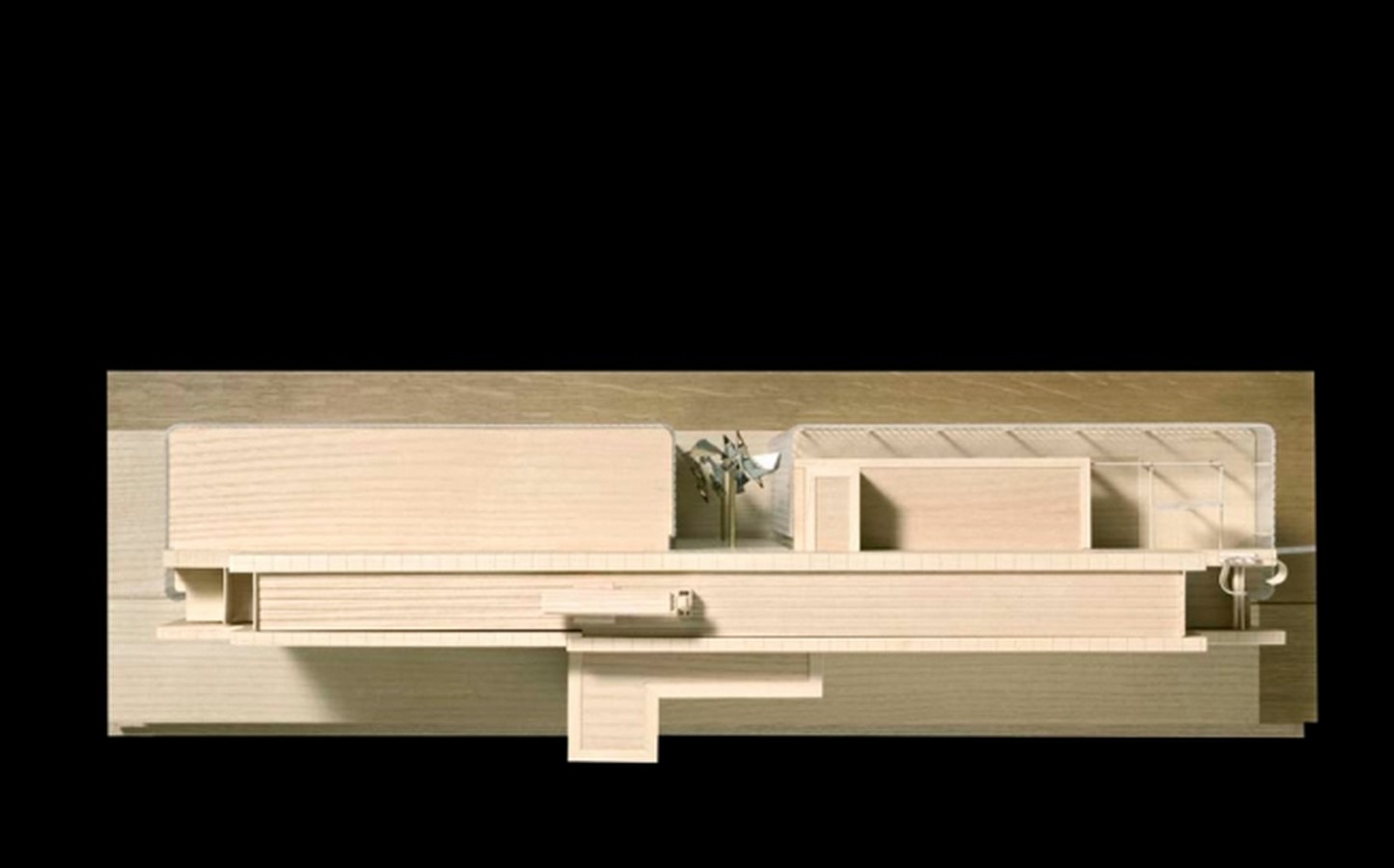
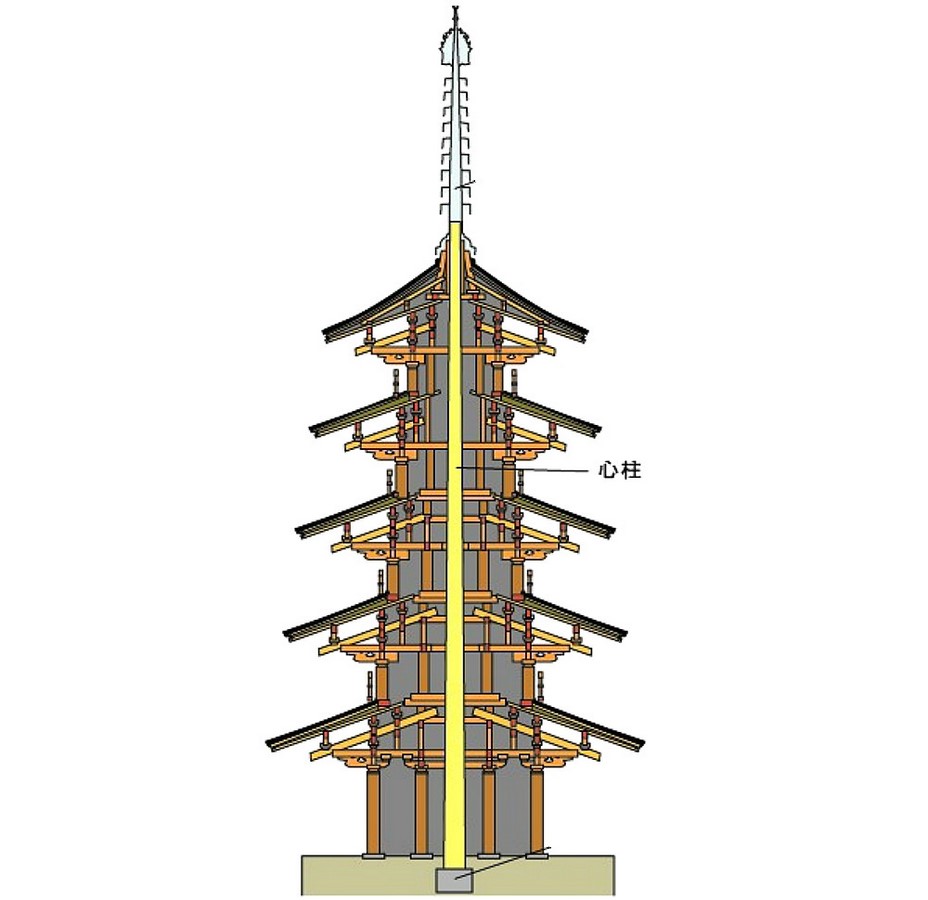
Renzo Piano decided to take a step back before he could proceed to design from scratch. He decided to look back into the roots of the city’s culture and the traditional methods used to encounter these problems at hand. Since the city had always experienced earthquakes and felt its tremors throughout its lifetime, age-old methods and techniques were the go-to places for the architect to search for answers. By researching the century-old techniques of the Shintoist temples of Japan, the construction method of these structures was evident and was thus taken into consideration in the design planning process. The main idea was to build the slabs around a central vertical support, which allows the building to move in a pre-defined manner in case of an earthquake and distribute the movement through the systems of the building.
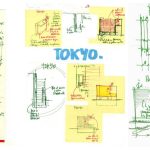
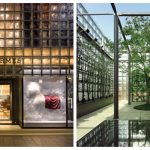
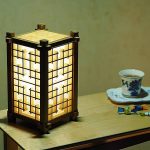
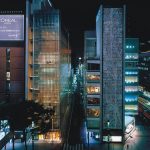
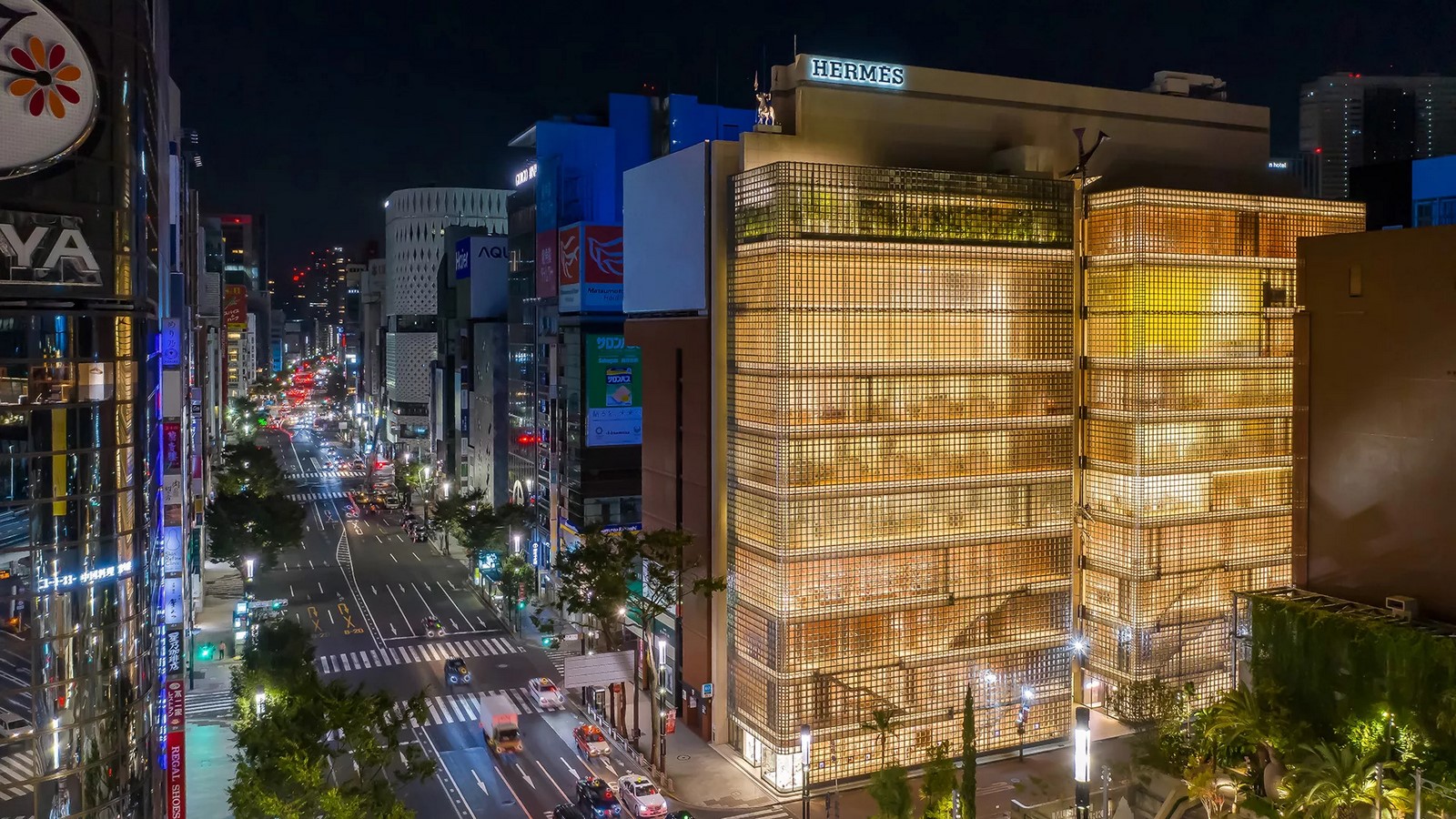
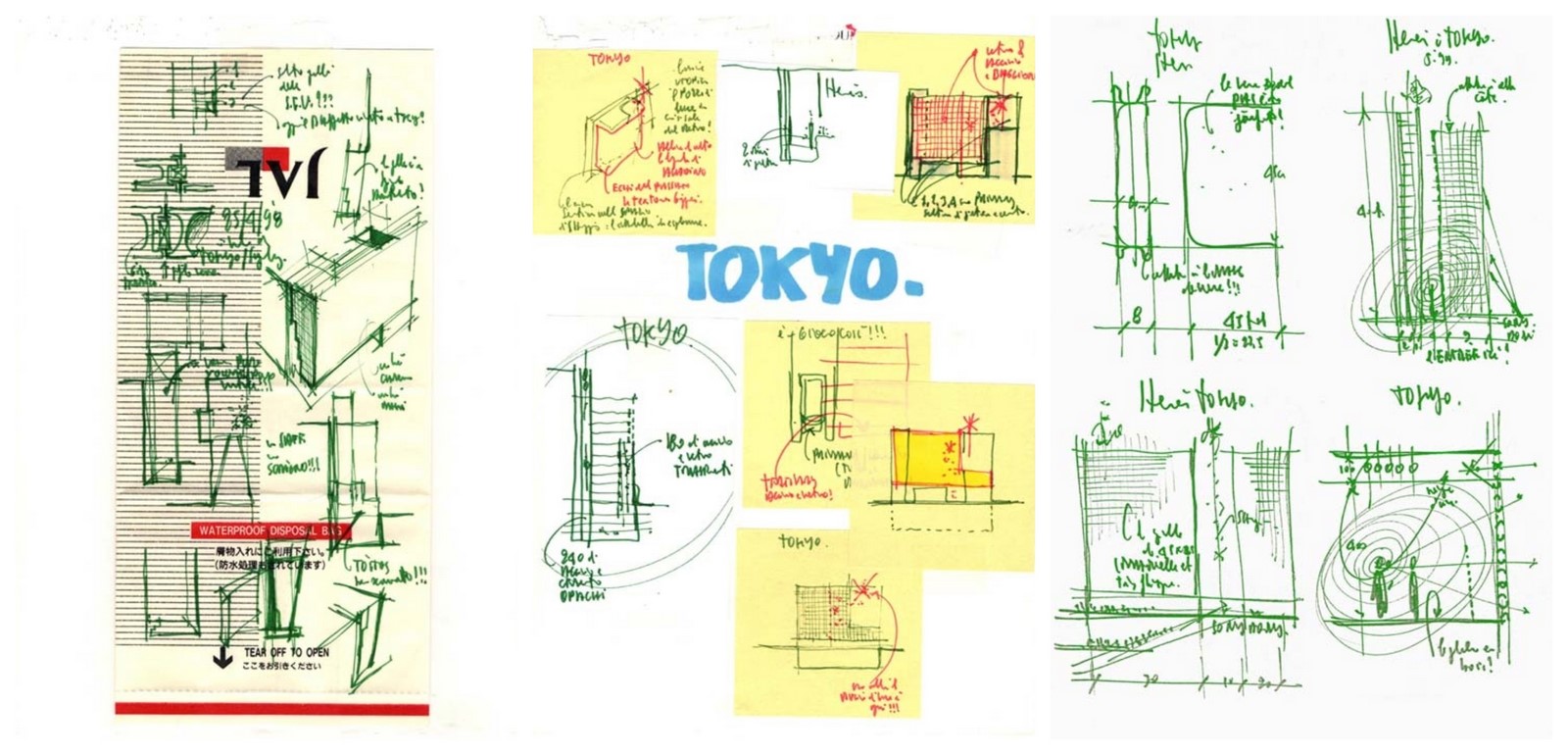
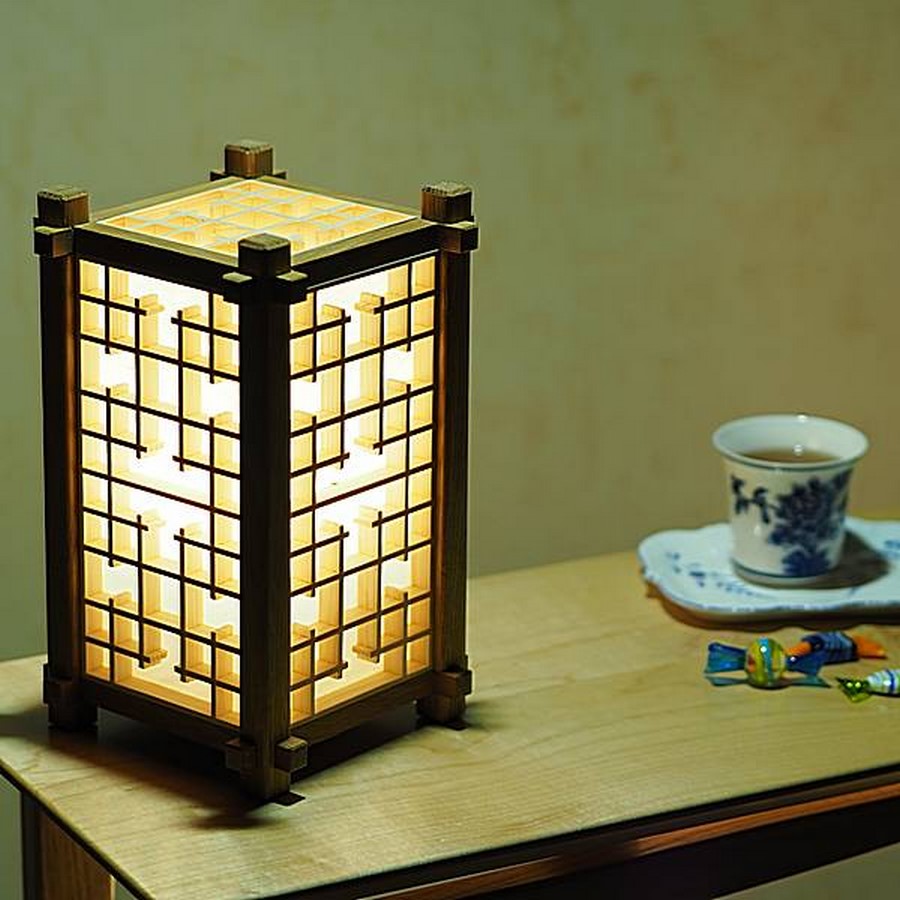
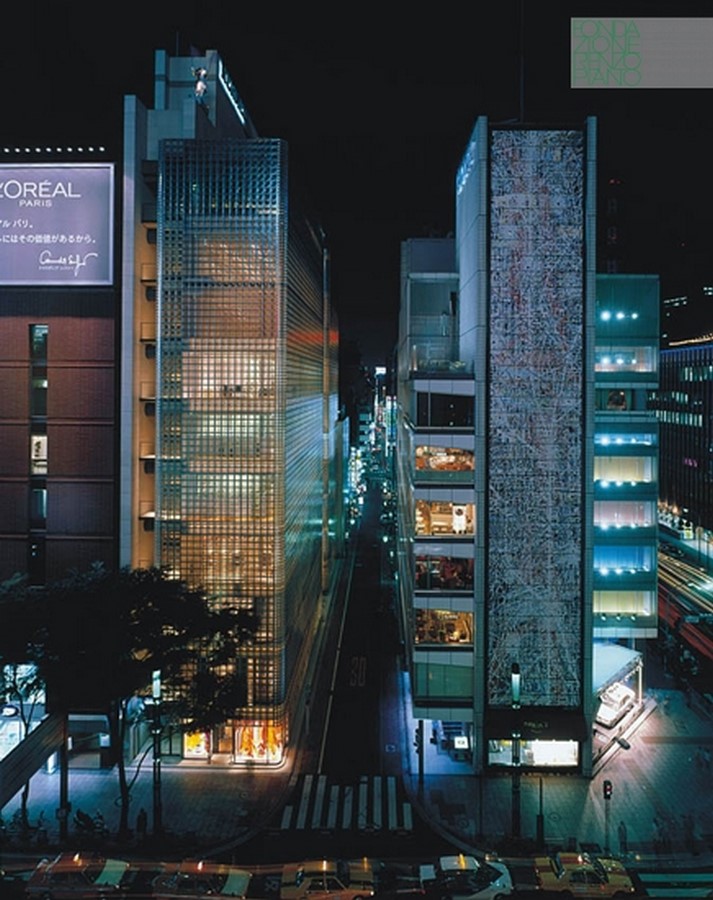
The initial design sketches exemplified the structure that was going to be built. An elongated stretch of a building comprising 15-stories, including three subterranean levels, with various functions dispersed as per the requirements of the owner. The building would take the form of a traditional Japanese lantern, lighting up warmly from within during the night and reflecting the everyday commotion of the city in a blurry and sparkly manner onto the building’s façade. Blocking out the noise from the ever-bustling city was of prime importance to Renzo Piano and was incorporated by way of developing glass blocks of customized nature.
Spaces And Planning Design | Maison Hermes
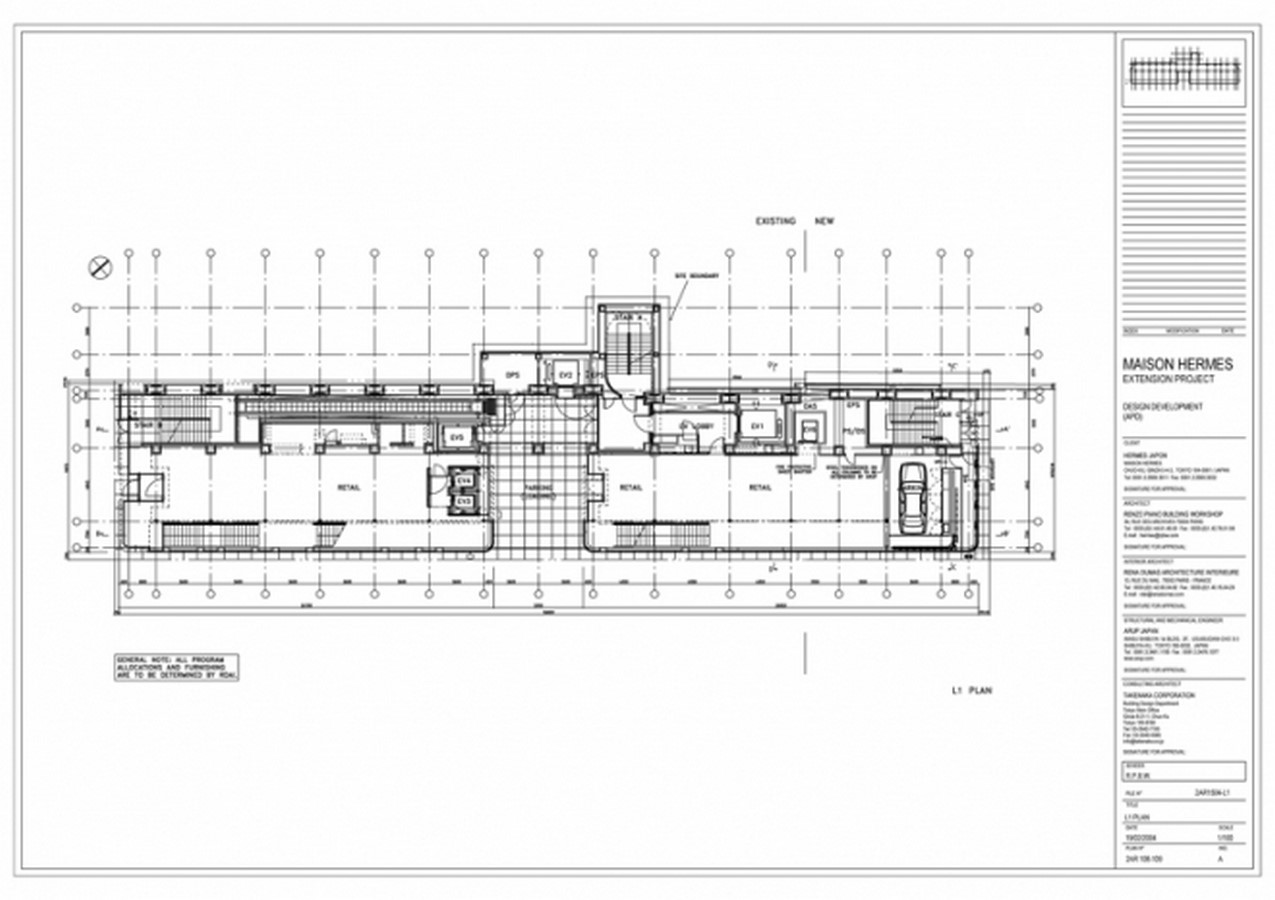
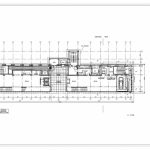
Owned by Jean Louis Robert Dumas, the 6 000sq.m. of area, houses a variety of different functions, from workshops and offices to exhibition spaces and multimedia quarters. The spaces are predominantly spread out by Renzo Piano to accommodate Hermes’ flagship store. Out of the 15 floors, 5 floors, one underground and four above the ground are occupied by the boutique and are decorated by Robert Dumas himself. On one floor rests the design workshop, whereas, two-floor spaces are occupied by the corporate offices. The last two levels encompass a museum that puts on display the historical objects of the brand Hermes. At the top of the building sits a French-style roof garden, covered by the same glass blocks on all sides as the façade. The back edge of the building accommodates the services and circulation for the entire building in an opaque strip along the party wall.
Façade Technology
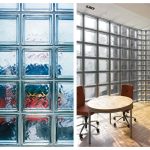
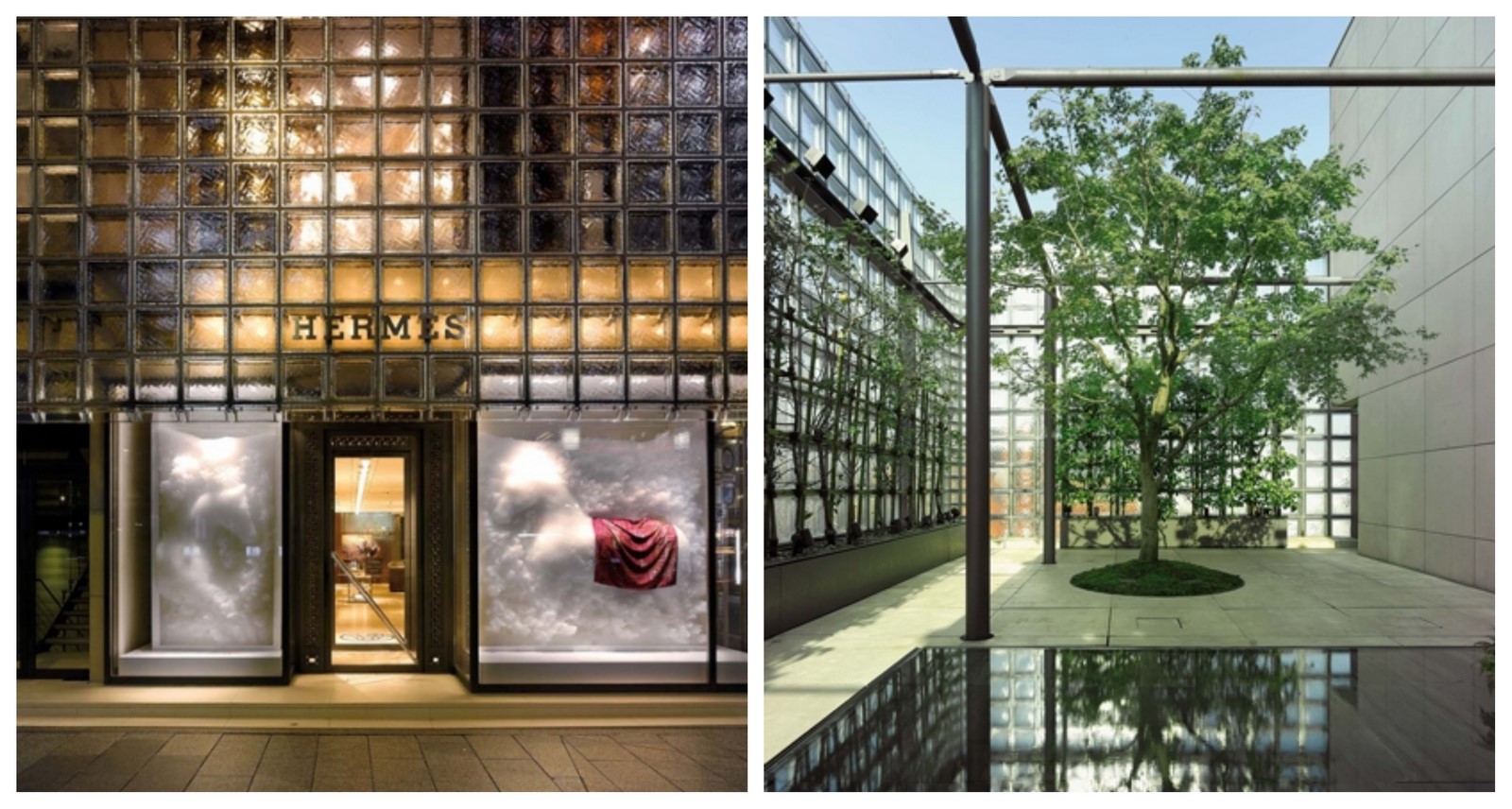
The façade design on the one hand and the anti-seismic technology on the other, both of these aspects were designed and customized specifically for this structure by Renzo Piano. Initiating the façade design, the architect took inspiration from the traditional lanterns which hang from the doors of the Japanese houses, and the ‘magic lantern’ soon became the design inspiration for the translucent bespoke glass blocks that were used throughout the façade. Each glass block measuring 45cm x 45cm was specially designed and fabricated in such a manner that it not only provided a serene atmosphere of diffused light within the building but was also helpful in creating acoustic insulation, blocking out all the noise from the street beyond. Curved blocks of similar effect were developed to create a curtain-like effect at the corner of the building.
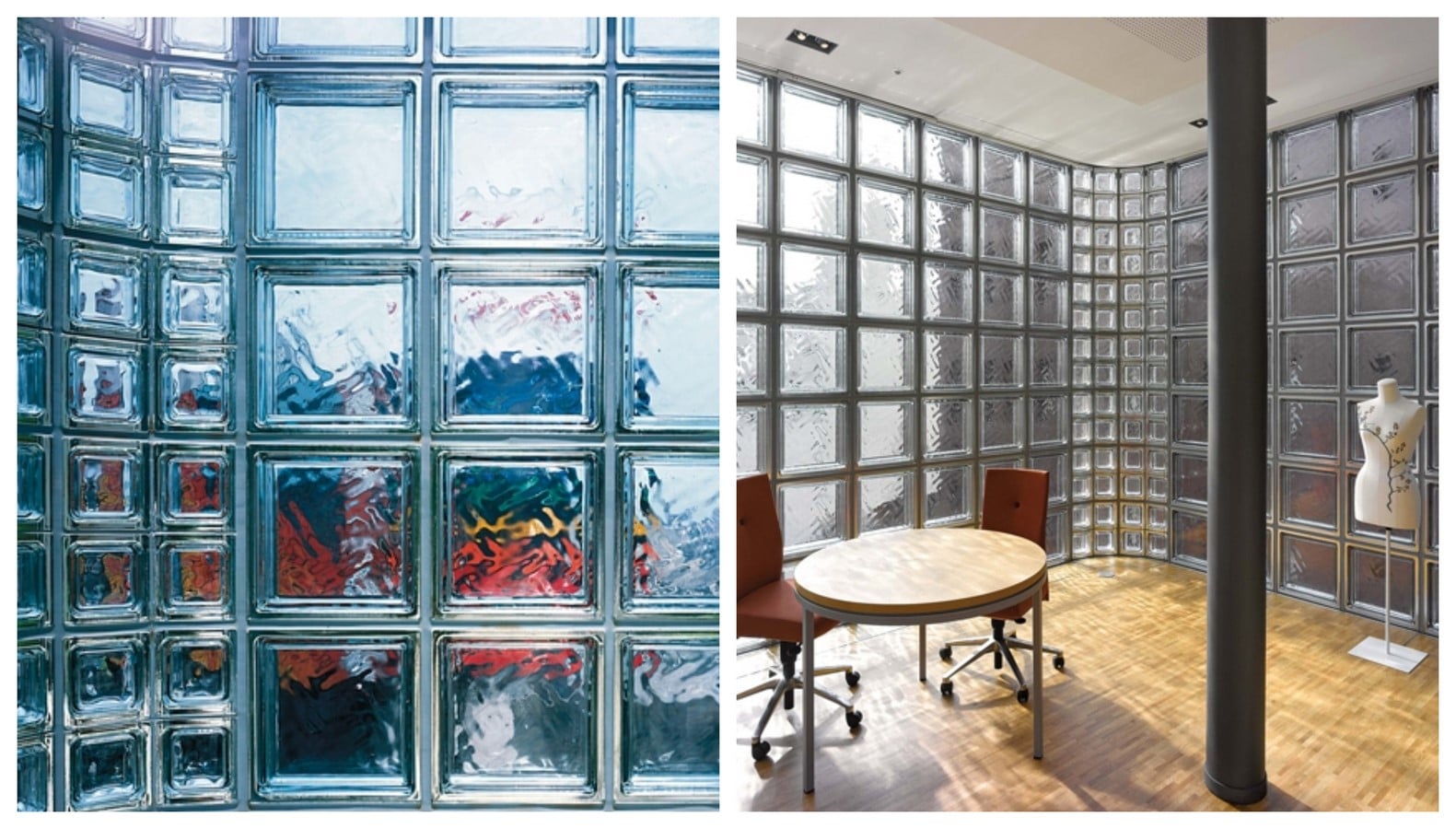
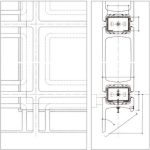
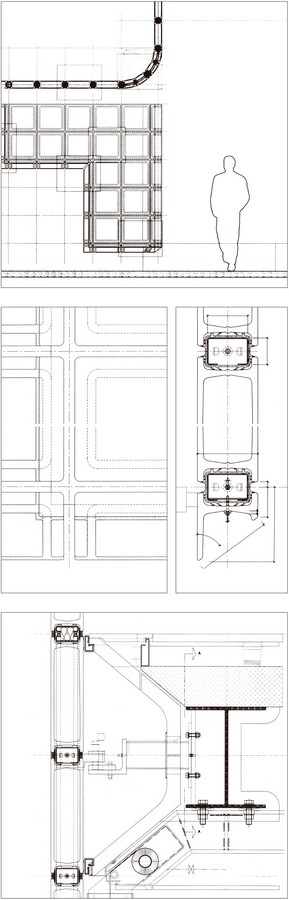
In the three levels that are stacked one above the other, the staircase is placed along the outer dimension of the structure, creating a visual of vertical movement from the outsider’s perspective. The façade, covered with about 13,000 glass blocks, tends to animate with the movement of the visitors and marks the difference between activities within the spaces of the retail store and the commercial spaces throughout its verticality. An aura of mystery eludes from the structure giving a fuzzy picture of objects and events through the bespoke glass blocks installed along the length of the façade. Acting like a curtain in the event of an earthquake, the glass blocks of the façade are lined up on a steel element, appearing a little separated from the building, and thus letting a movement as much as 4mm to happen between the various blocks owing to the flexible seals which absorb the seismic shock rather than resisting it.
In Conclusion | Maison Hermes
The method employed by Renzo Piano to achieve this marvelous piece of architecture owes its grandeur not only to the technologically advanced systems it used. The factor that highlights this piece of the built system is its blend of what was known and the usage of the current tech to gain a system of works that houses everything that encompasses this knowledge. This is what the current scenario for the architectural institution could ideally look like, culturalising today’s technology to meet the built environment at the intersection of the past.
References
Buchanan, P. (2015). Renzo Piano: Poet of Technology. Architectural Design, 85(2), 88–93. doi:10.1002/ad.1881
Rpbw.com. 2022. RPBW Architects – Renzo Piano Building Workshop. [online] Available at: <http://www.rpbw.com/story/philosophy-of-rpbw> [Accessed 30 July 2022].
Morgan Marzo. 2022. JAPANESE Pagoda Construction in Earthquake Resistance — Morgan Marzo. [online] Available at: <https://www.morganmarzo.com/writing/2019/11/12/pagoda-construction-in-earthquake-resistance> [Accessed 30 July 2022].