Located along the Kobe waterfront, the Hyogo Prefectural Museum of Art was completed in 2002 as part of the city’s larger reconstruction efforts following the Great Hanshin Earthquake. Designed by…
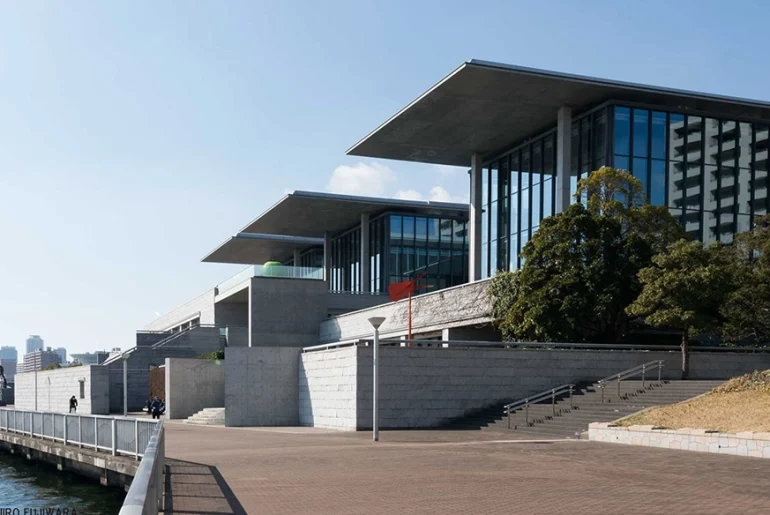


Located along the Kobe waterfront, the Hyogo Prefectural Museum of Art was completed in 2002 as part of the city’s larger reconstruction efforts following the Great Hanshin Earthquake. Designed by…

Pombaline architectural style emerged in the reconstruction of Lisbon, Portugal after the earthquake of 1755. This style reformed the structural configuration of the buildings to make them earthquake-resistant and the…

Nestled deep within the breathtaking yet harsh terrain of Afghanistan’s Ghor Province, the Minaret and Archaeological Remains of Jam stand as a silent witness to a once-thriving civilization. Rising proudly…

Traditional architecture is the architectural style that reflects the cultural, historical, and regional identity of a certain place. It has unique features in terms of local materials, construction technology, and…

In 2011 on the 22nd of February, an earthquake with a magnitude of 6.3 hit Christchurch, New Zealand, resulting in 185 fatalities. Many buildings were ruined or damaged including the…

Putting up a humanitarian shelter in the event of a calamity or disaster is a big challenge. Cost, quick construction, availability of materials, and transport are all factors that need…

Situated atop the Bhujiyo hill in Bhuj, Gujarat, India, sits the museum. Designed to honor the 2001 earthquake that struck Bhuj as its epicenter, the museum is a part of…

A country renowned for its unique blend of tradition and innovation, Japan is also well-known for its incredible disaster management strategies and ability to rise again from total destruction, making…

Contemporary architecture was born after the 20th century and after the First world war. The necessities felt by cities and countries to revive and rebuild was a task and during…

Khamir Craft Resource Centre is a charitable organisation situated in the Kachchh district of Gujarat, India. It was founded in 2005 with the primary objective of endorsing and safeguarding the…

In earthquake-prone regions like Japan, the urgency for earthquake-proof construction has never been greater. Traditional methods are falling short in meeting the demands of seismic resilience, making technology a beacon…

Situated within the collision zone of the Circum-Pacific Belt, Japan is considered a disaster-prone country as the number of natural disasters occurring is relatively high compared to other parts of…