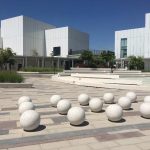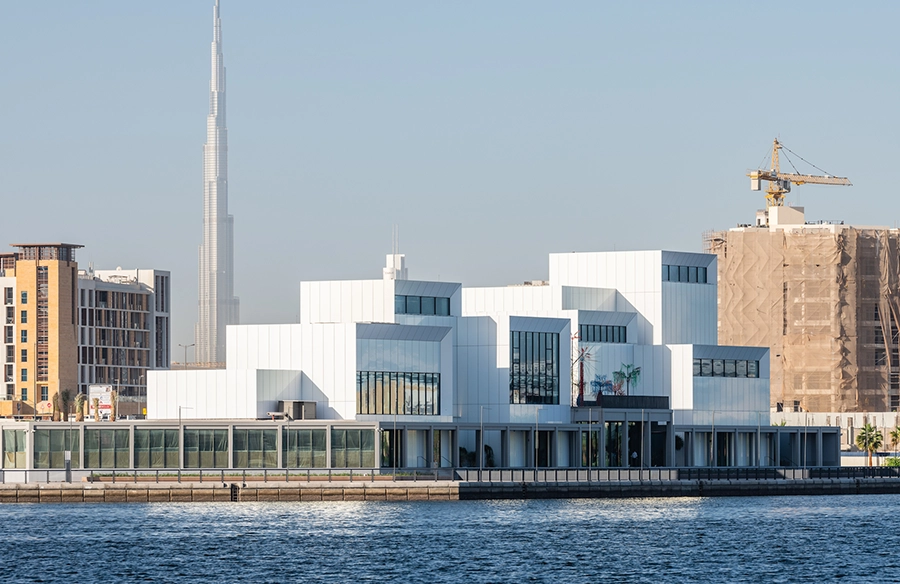
Jameel Arts Centre (fig.1), a signifying case study for minimal yet out-of-the-ordinary design in the UAE, caters to cultural art with a natural connection. The building is designed by UK-based Serie Architects, led by principal Christopher Lee, with Dubai‘s Waiwai (formerly known as ibda design) serving as consultant architects, and landscape architect Anouk Vogel, who played a major role in designing the distinctive desert biome courtyard gardens that punctuate the building. The building’s structure caters to box-shaped three-storied infrastructures with landscaped courtyards as contrasting elements, designed in 10000 sq metres. The Art Centre’s planning explains the well-processed openness, accessibility, and interaction between art, books, and nature, influenced by its location on the Dubai Creek. (González,2018 )
The Design form and intention
Jameel Arts Centre serves as the best example of what minimalist architecture is, along with the juxtaposition of elements. The art Centre is designed with the purpose of connecting the interior and exterior environment of the building. The Art Centre has been designed with several important functionalities such as designated space for art galleries, displays and presentations, courtyards, open areas such as seating beside the waterfront, a rooftop terrace for event arrangements, a library and a restaurant. (n.a,2018) The main function of the space is designated for the showcase of different art styles and their display, for which the design of the building has been kept quite flexible, with large open rooms with variations in sizes and volumetric proportions in form.
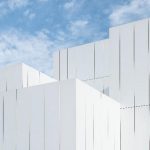
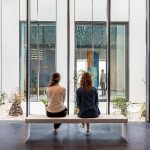
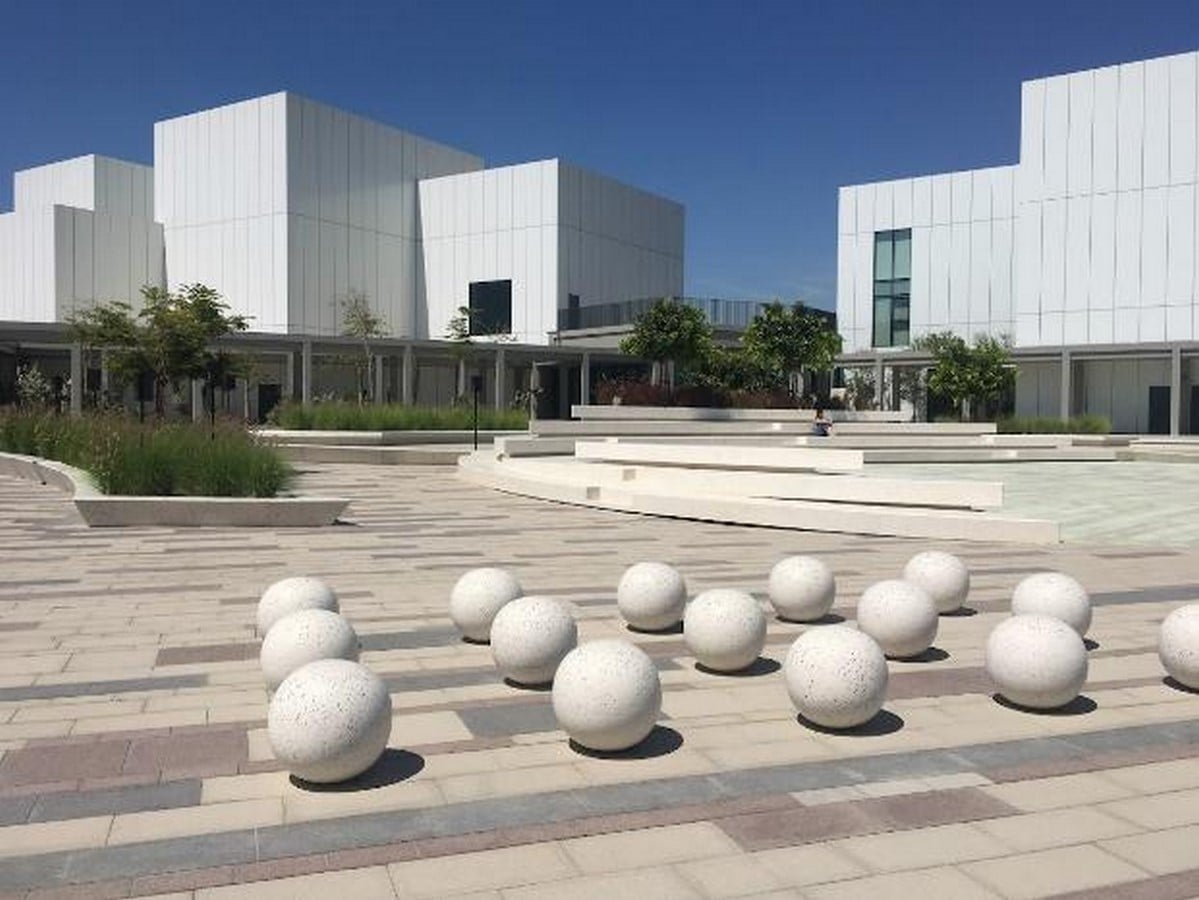
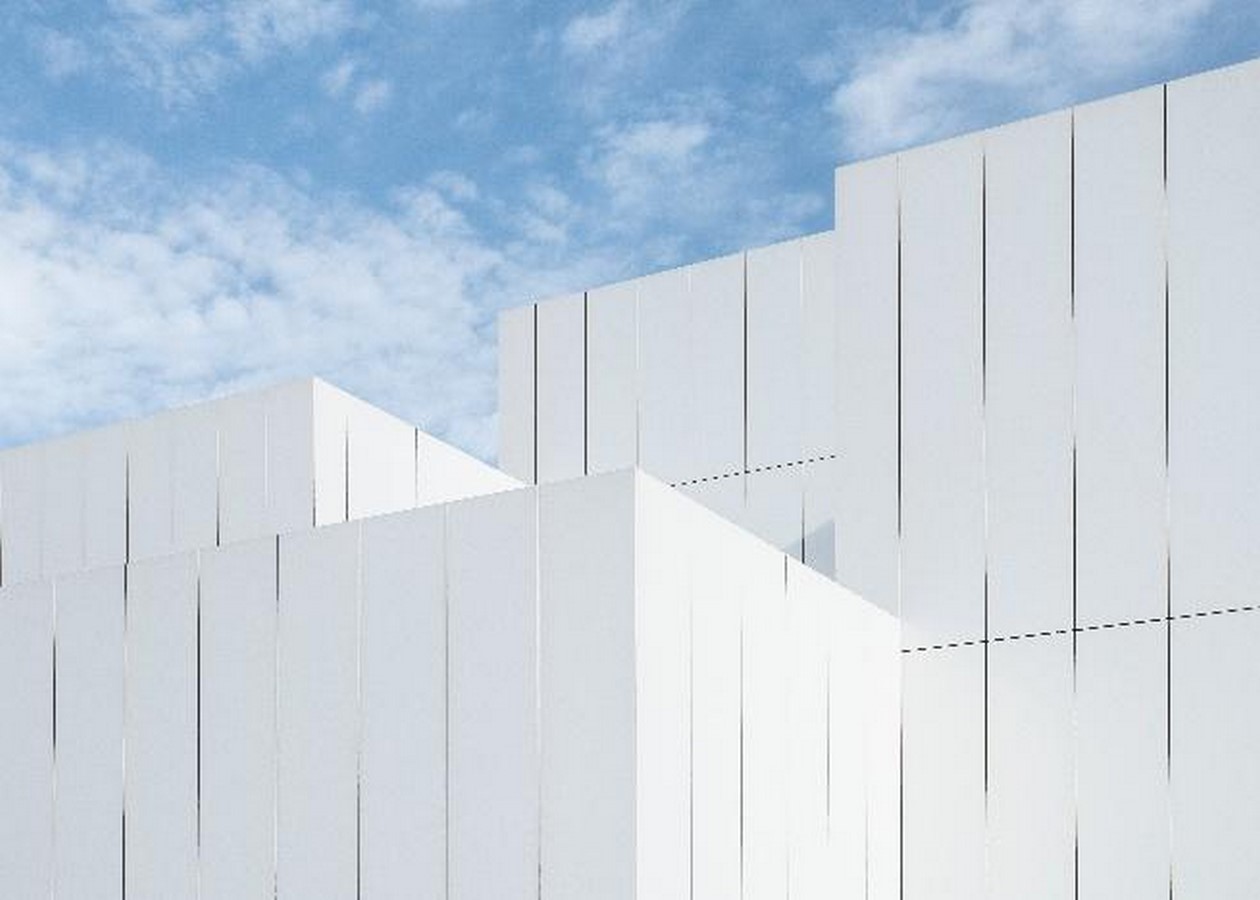
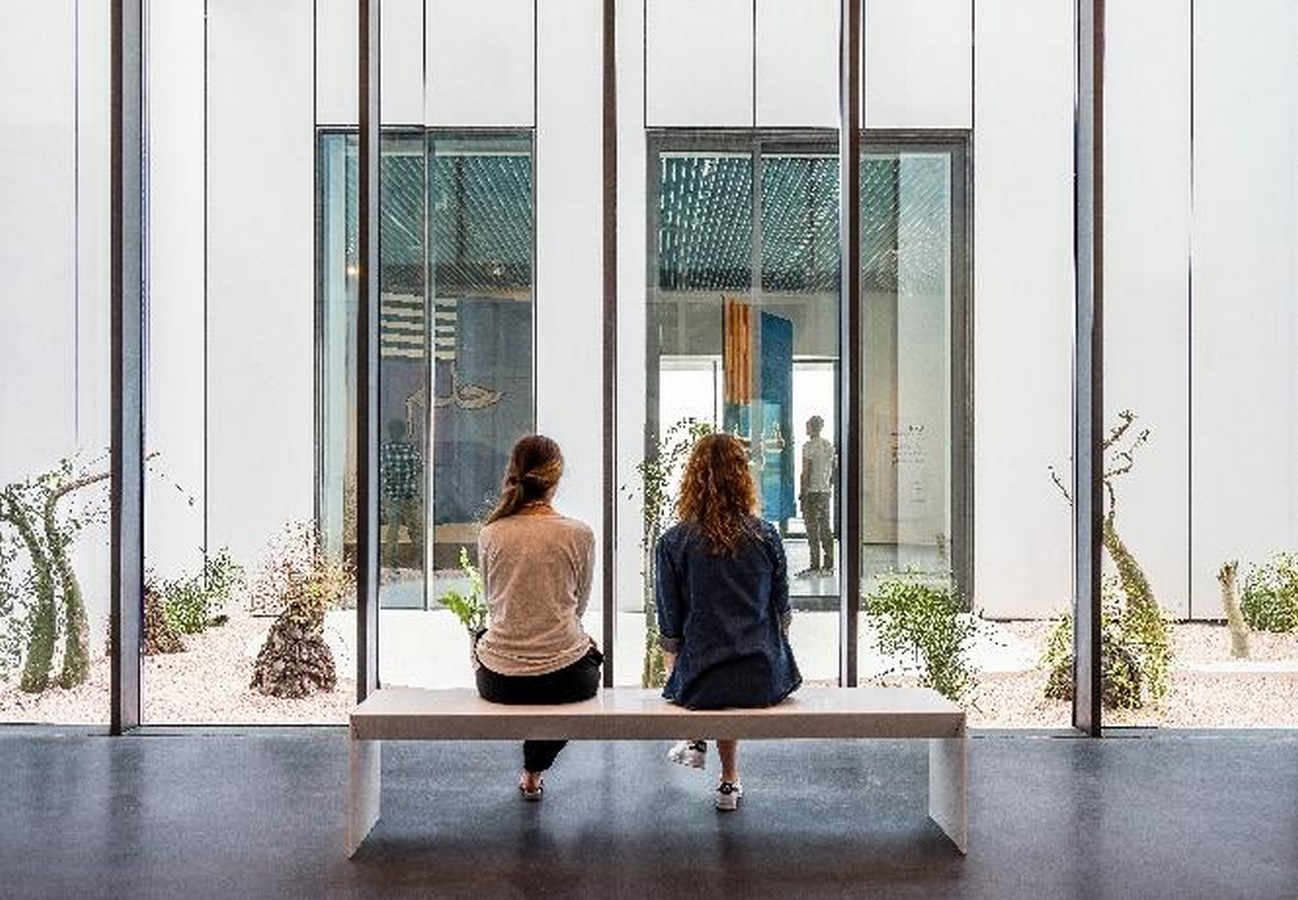
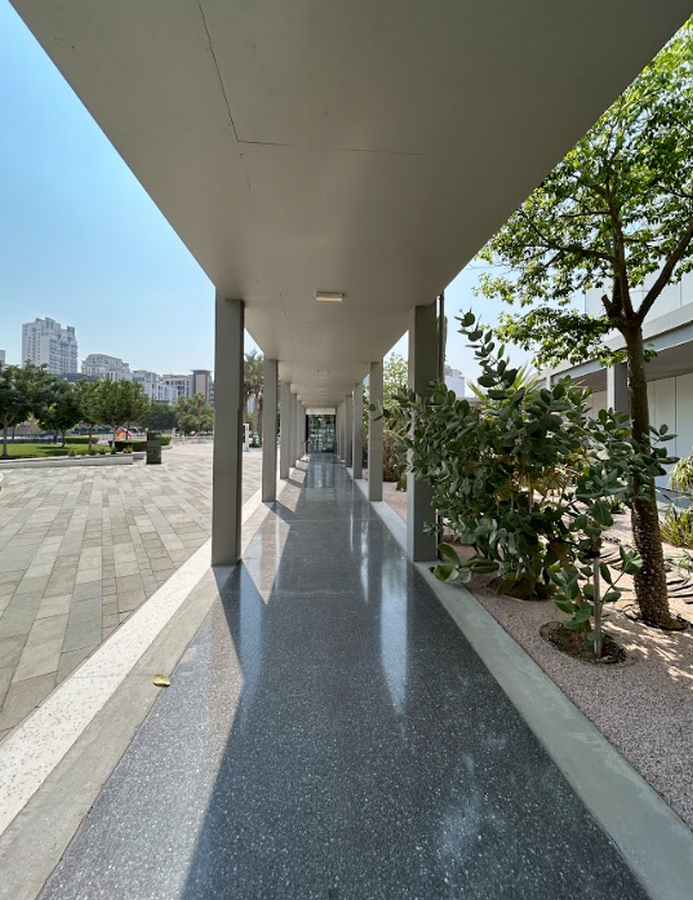
The large white structures can visually display the voluminous form of the Jameel Art Centre, which also creates a wider area for circulation and public movement. The idea of voluminous structures (fig. 2) and courtyards is inspired by the early Emirati Sha’abi houses that featured a series of rooms circling a courtyard, and the Madinat style of city planning characterised by an accumulation of houses with courtyards. (González,2018) . Large glass panels used within the form exemplify juxtaposition in design by the large structures, with glass panels creating a connection between the exterior art forms, gardens and courtyards with interior art galleries and the centre’s design elements (fig.3). The design of the Jameel Art Centre is implemented with the intent to maintain the calm and harmonious environment of the building, which is observed by multiple regular users of the building, as the inside-out connection can be seen as the culture and nature relation in the building. (n.a,2025)
Strategic Material Selection & Circularity
The interconnection between the interior and exterior environment of the building depends on the kind of material used in the building’s design. The choice of materials made by the lead team, which is Serie architects, proves the sustainable approach towards the environment. The most observed materials at the Jameel Arts Centre are concrete, glass, aluminium and terrazzo. These materials not only provide aesthetic views within the building but also adhere to Dubai’s safety guidelines. According to the U.A.E Fire and Life Safety Code of Practice,2018, the materials mentioned above, which are used in the building, meet the guidelines to ensure fire safety regulations. The construction materials used for the building are non -combustible and classified under class A1 to A2 under the U.A.E Fire and Life Safety Code of Practice,2018.
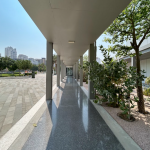
The material choices are directly linked to the circular economic principles of sustainability, which can be observed within the building. The landscaping has been kept as a priority by the designers as it helps to regulate the temperature, as the buildings sit in the humid region of gulf. The exterior courtyards have been designed with the intent to designate space for desert flora, which creates a break between the cultural art spaces. (González,2018) (fig4.) Different courtyards have been designed with distinct desert environments thought out with in-depth research and sourcing of the plants. The natural landscaping and the sustainable strategies have made the open courtyard of Jameel Art Centre the first waterfront Sculptured Park and Dubai’s first open-air art park.
Vernacular Cooling: The “Water” Installation
The open art installations have been made using sustainable and locally sourced materials to effectively use the circular economy principles. The installations possess climate-supportive strategies being used in them.
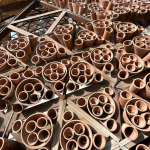
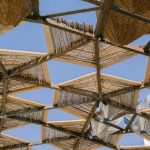
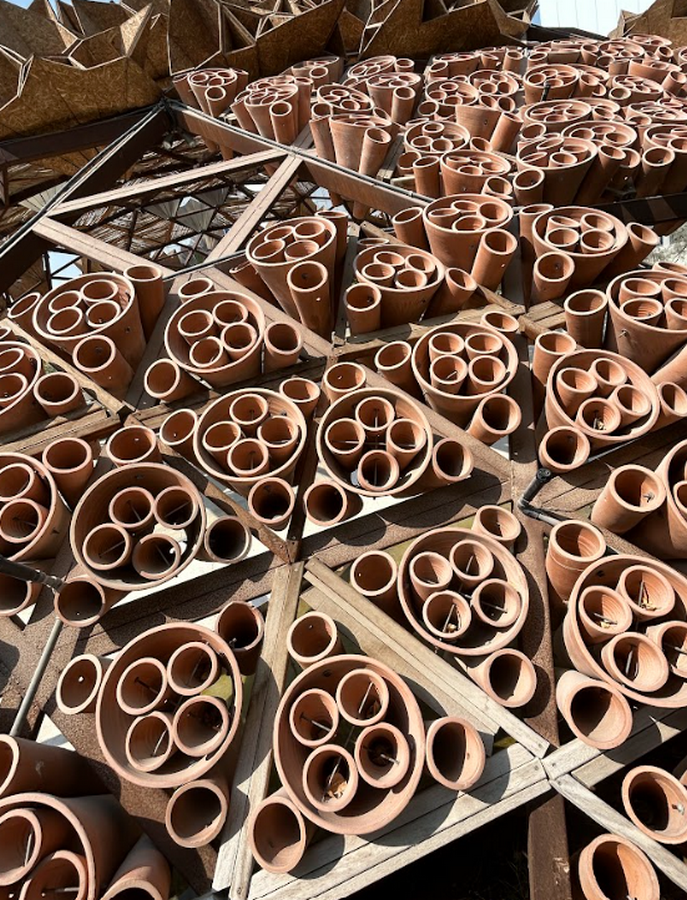
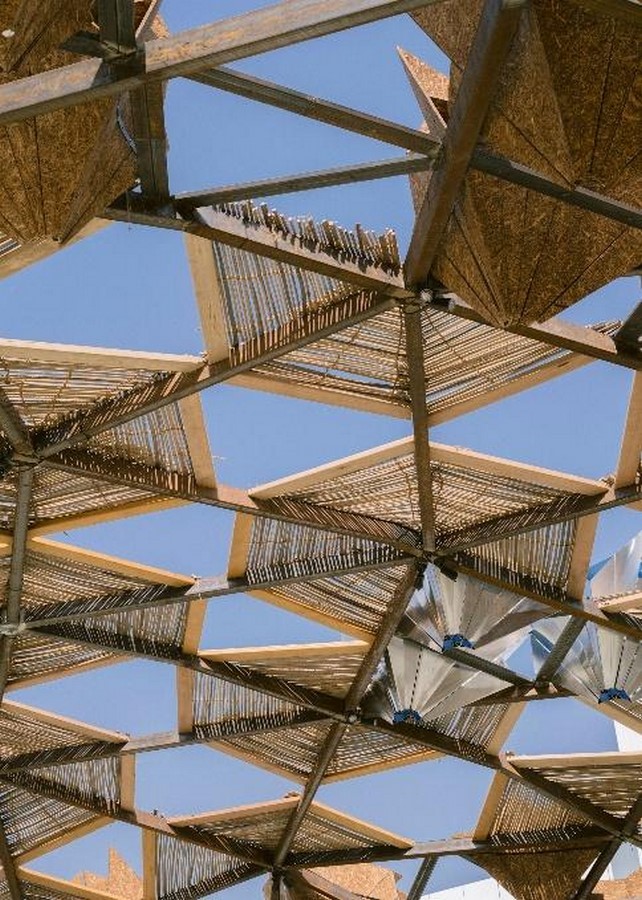
One of the installations, named “Water,” indicates the importance of water and its impact. The installation’s use of clay pots to indicate how air flow along the creek area with water essence creates a low-energy cooling effect (fig.5). The Jameel Art Centre not only caters to the cultural art galleries but also promotes vernacular architecture styles. The installation not only uses traditional clay method for cooling strategies but also uses locally sourced materials such as jute strands for shading strategy and date palm wood for tensile structures within the installation. (Fig 6.)
Critical observations on public safety
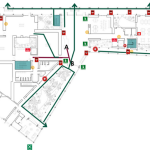
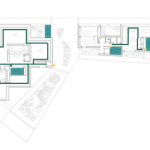
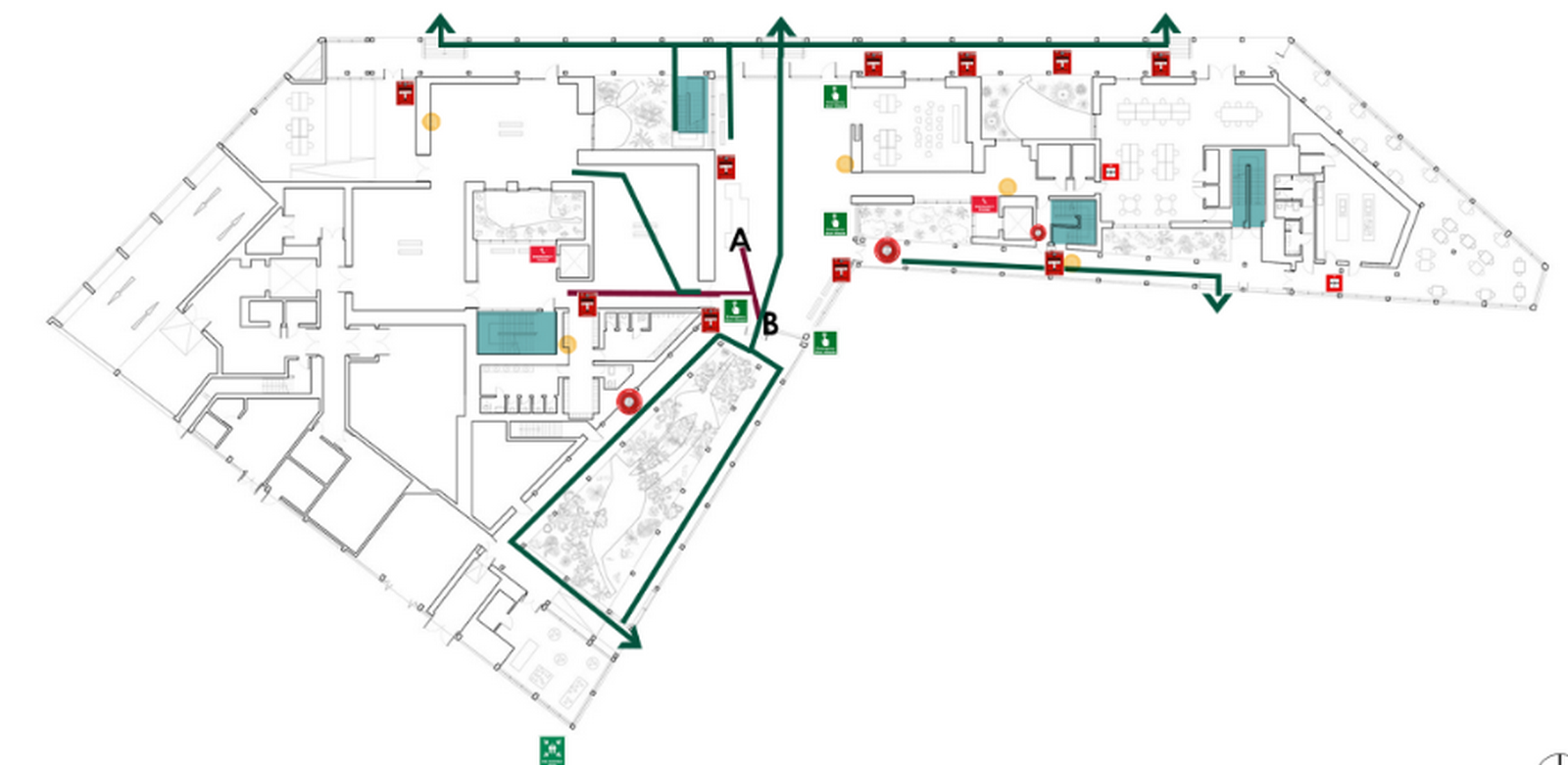
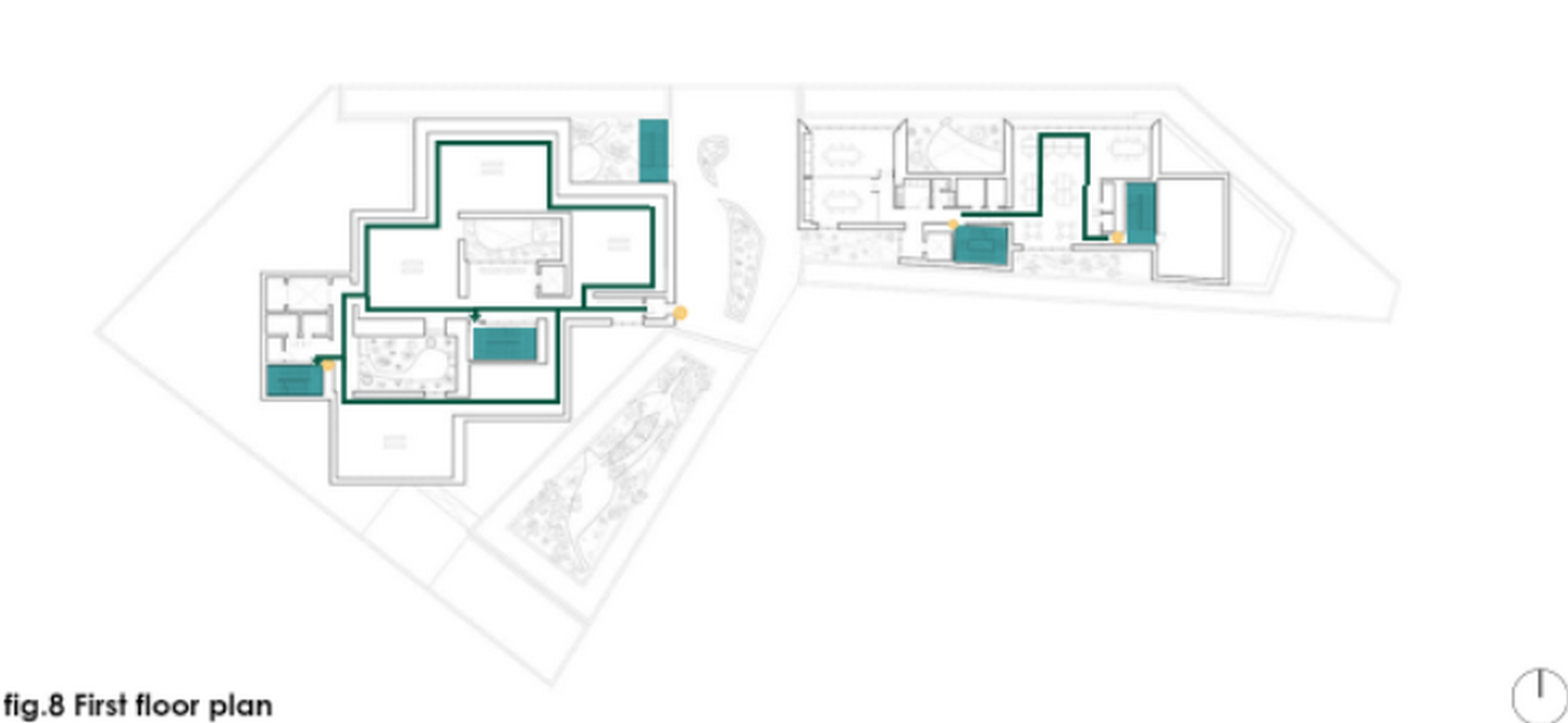
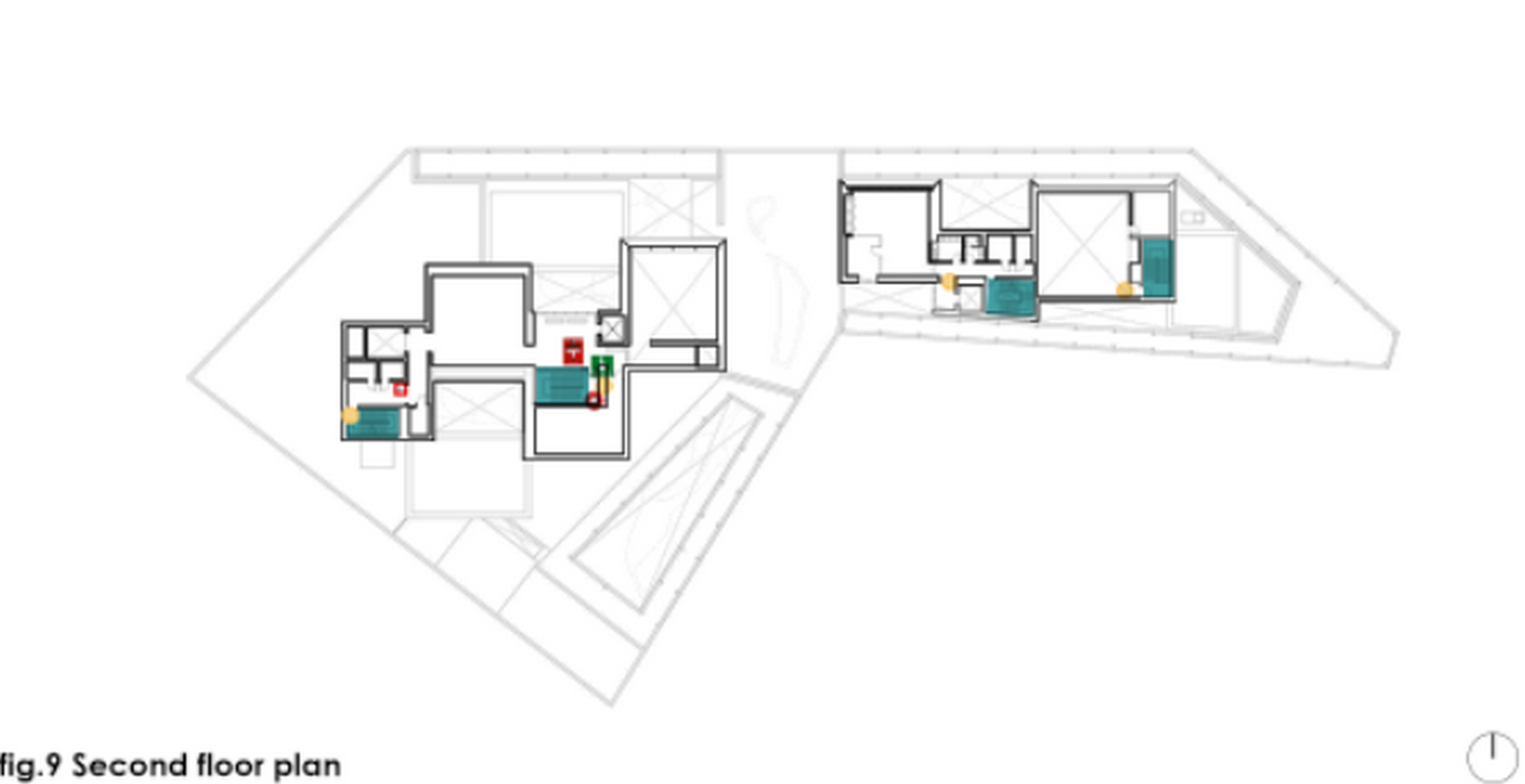
Jameel Art Centre’s design has been planned strategically to ensure public health and safety. The designers have shown adequate concern by providing clear signage to maintain the public realm, and ease is maintained. The Art Centre has been designed to ensure easy evacuation during any kind of fire accident emergency. The building’s design and current performance prove that the design ensures public safety as its priority. The art centre’s primary strength adheres to the crucial life safety provisions as it provides multiple exit facilities for emergency egress.
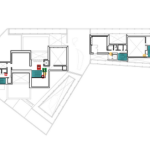
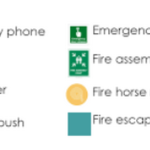
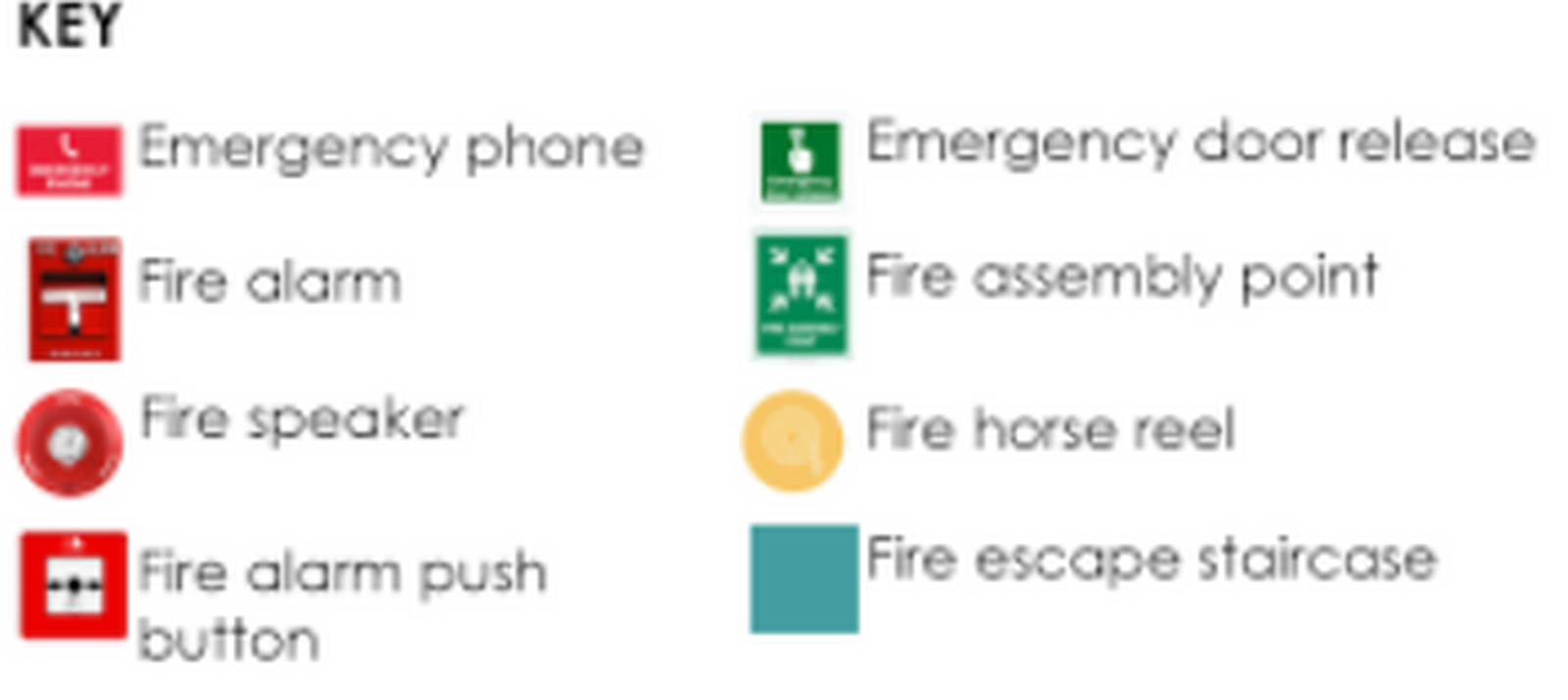
Fire and life safety have been kept in mind by designers during the design planning as the building comprises an ample amount of fire alarms, smoke detectors, fire hose reels and many more mandatory facilities (fig.7) (fig.8)(fig.9) . The building’s design not only provides the necessary requirements to adhere to the UAE’s official safety guidelines but also provides a specialized ceiling that mounts a water sprinkler system in it that ensures great concern of building’s planning towards the users of the building.
Reference list for main content
- María Francisca González (2018) Jameel Arts Centre Dubai / Serie Architects. Available at: https://www.archdaily.com/906190/jameel-arts-centre-dubai-serie-architects (Accessed: 17 December 2025)
- Jameel Arts Centre (2025) The building: three floors of gallery spaces. Available at: https://jameelartscentre.org/about/architecture-gardens/ (Accessed: 17-20 December 2025)
- Art Jameel (2018) Jameel Arts Centre, Dubai. Available at: https://artjameel.org/centres/jameel-arts-centre-dubai/ (Accessed: 18 December 2025)
- My Art Guides (n.a) Jameel Arts Centre. Available at: https://myartguides.com/artspaces/non-profit/dubai-sharjah/jameel-arts-centre/ (Accessed: 20 December 2025)
Reference list for image
- Middle East Architect (2018) Exclusive: Serie Architects reveals design concept behind Jameel Arts Centre in Dubai. Available at: https://www.middleeastarchitect.com/projects/41140-jameel-arts-centre (Accessed: 20 December 2025)
- Owusu-Ansah, N. A. (2023) Art Jameel pavilion in Dubai is a dome to fight climate doom. Available at: https://www.wallpaper.com/architecture/art-jameel-pavilion-dubai-uae (Accessed: 20 December 2025)
- All floor plans – María Francisca González (2018) Jameel Arts Centre Dubai / Serie Architects. Available at: https://www.archdaily.com/906190/jameel-arts-centre-dubai-serie-architects (Accessed: 17 December 2025)