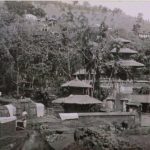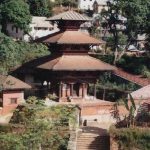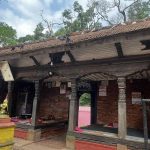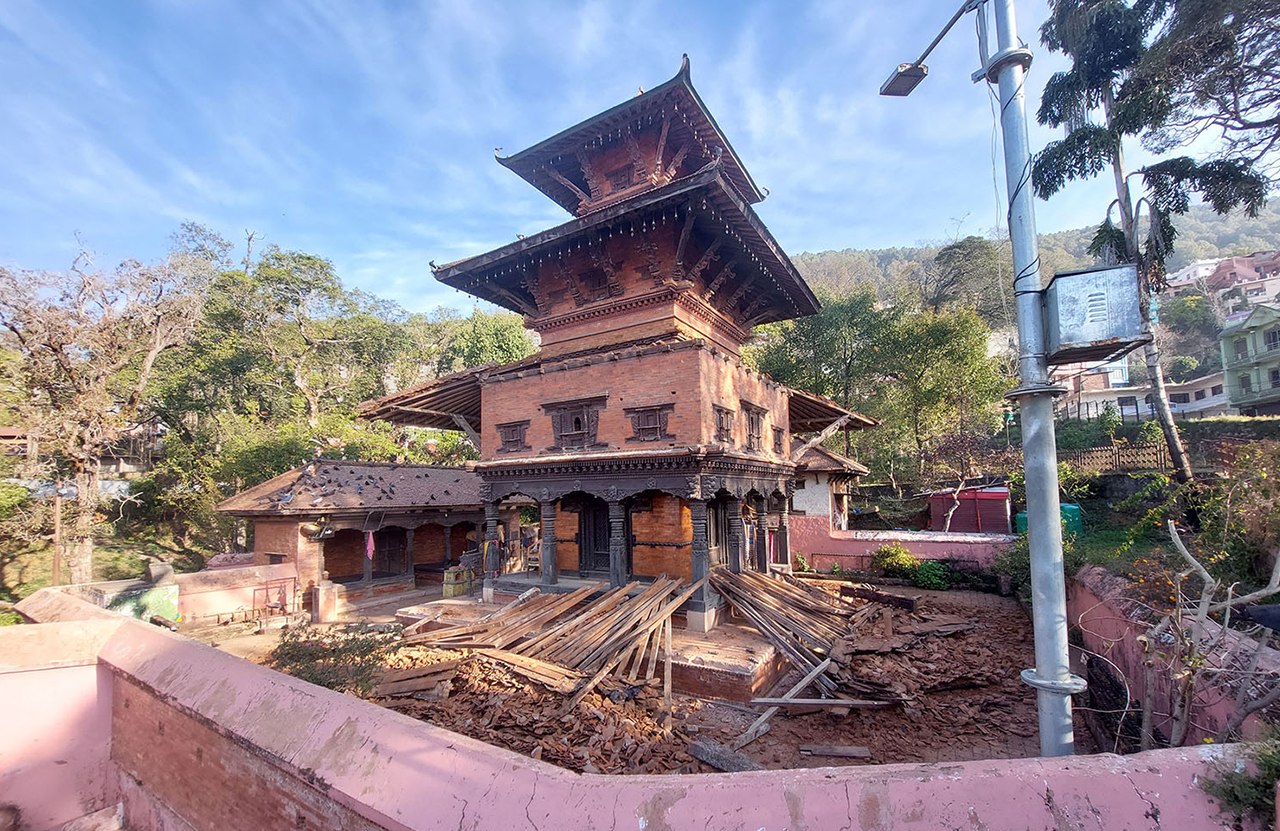
The Amar Narayan Temple is located in Ason Tole, Ward No. 02, Tansen Municipality. It is one of the most important heritage sites in Palpa. Built in 1807 BS by Amar Singh Thapa, this temple is dedicated to Lord Vishnu, worshipped here in his Narayan form. The temple measures 21.7 by 20.8 meters and features a traditional three-tiered pagoda design. This style represents both faith and the architectural skill of its time. The structure combines clay, brick, wood, and copper plates, built using a wooden post-and-beam system with brick cladding. The temple showcases intricately carved woodwork, delicate lattice windows, and low-height doors. It is topped with a gilded gajur. Each detail reflects the rich artistry and cultural spirit of 19th-century Nepal. Today, the Amar Narayan Temple serves as a living reminder to the devotion, artistry, and identity that have influenced Tansen’s history.
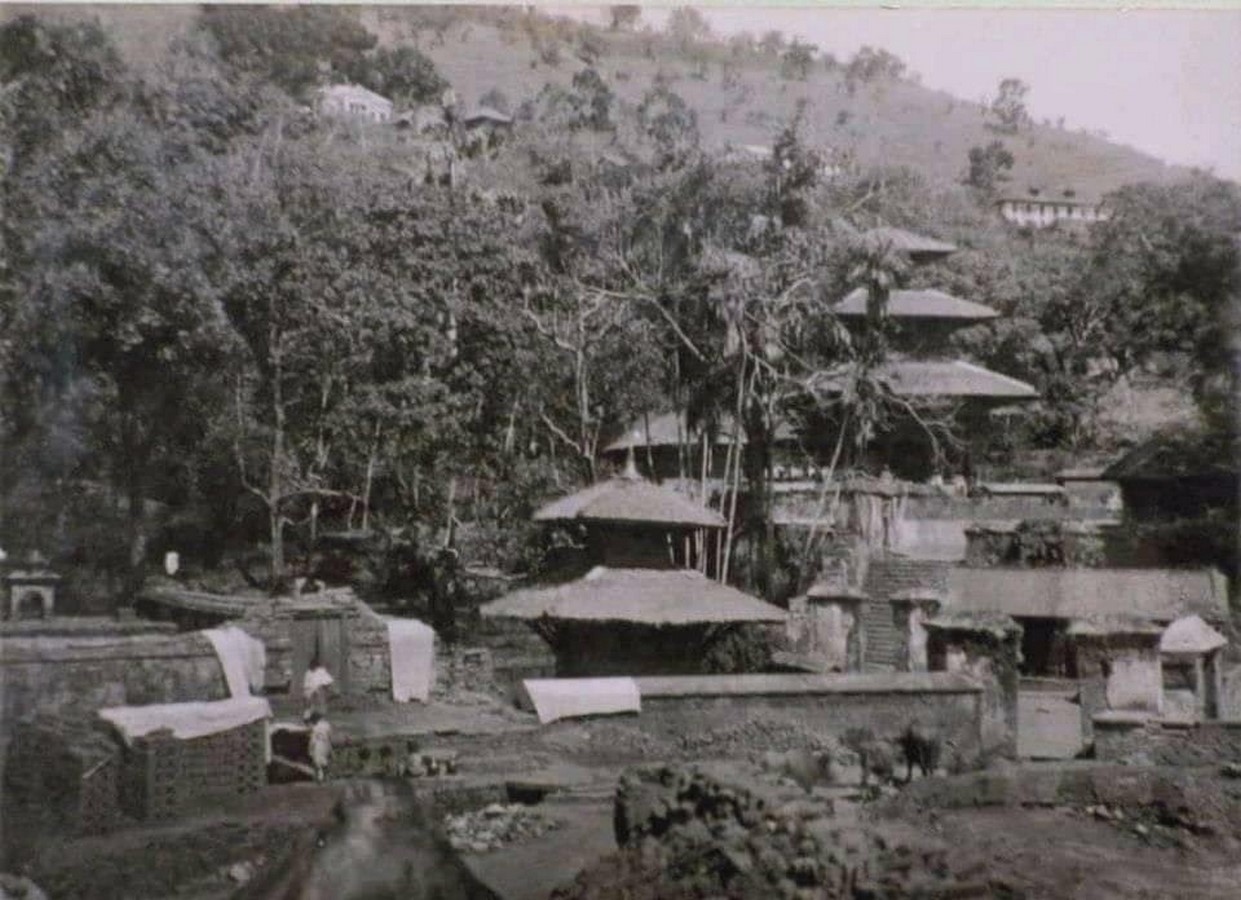
Historical Background
The people of Tansen have a long-standing devotion to Lord Narayan. They seek his blessings and guidance during both tough and successful times. To honor this faith, Amar Singh Thapa built the Amar Narayan Temple in 1807 BS. He used the traditional Newari-inspired pagoda style, which reflects both artistry and resilience. From the start, the Amar Narayan Temple has been more than just a place of worship. It has served as a guiding light for the people of Tansen. Generations have come together for prayers, rituals, and festivals that unite the community. Like many old monuments, it has not escaped the passage of time, facing decay and neglect. However, the devotion it inspired has never disappeared. The people of Ason, guided by their faith and tradition, took action to restore the temple, carefully reviving its original beauty and sacredness.
Architecture Style and Features
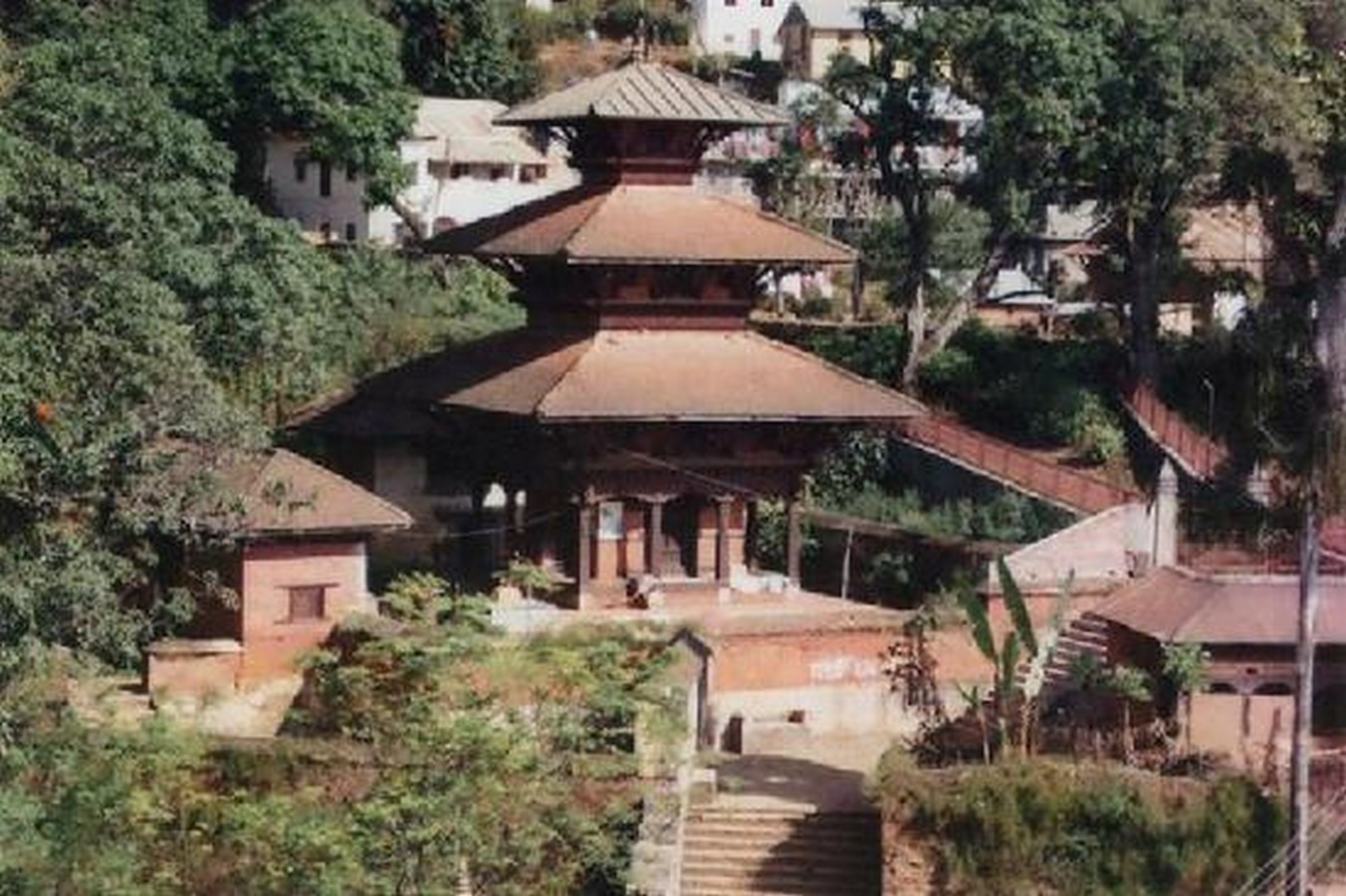
The richness of traditional Newar architecture is beautifully displayed in the Amar Narayana Temple. At its center is a gold-plated idol of Laxmi Narayan, resting two feet off the ground. The idols of Gopal and Ganesha stand elegantly on either side. The three-tiered roofs above tell their own story. The lower two tiers are covered in traditional terracotta tiles, while the topmost tier shines with brass. The 52 saal-wood struts (tundal), each intricately carved, support the heavy roofs and also convey symbolic stories. The gold-gilded finials, that crown the structure indicate its spiritual importance.
The circumambulatory path and temple walls are paved with traditionally glazed bricks, bound with vajra, a classical mortar mixture. This combination evokes strength and timelessness. The carved struts captivate the eye, depicting cross-legged deities that represent various forms of Vishnu and Shiva. At the roof corners, powerful sharduls, or mythical griffins, extend outward to support the weight of the large roofs.
Socio-Cultural Significance
The Amar Narayan Temple has always been more than just a religious site; it is part of the daily lives and traditions of the people of Tansen. Every year, the temple comes alive during festivals like Ram Navami, the Narayan Rath Parade, Nawa Durga Dashain, and Kartik Purnima. During these times, devotees gather to celebrate with joy and devotion. The annual Bhandara feast brings the community together around shared meals and creates a spirit of unity.
Beyond these celebrations, the temple is a place where cultural traditions thrive. Singing bhajans, lively jatras, and the sacred ritual of changing the Janai during Janai Purnima keep old practices alive and help pass them down to younger generations. In this way, the temple nurtures faith and strengthens bonds within the community, serving as a blend of heritage and identity.
Impact on Urban Fabric
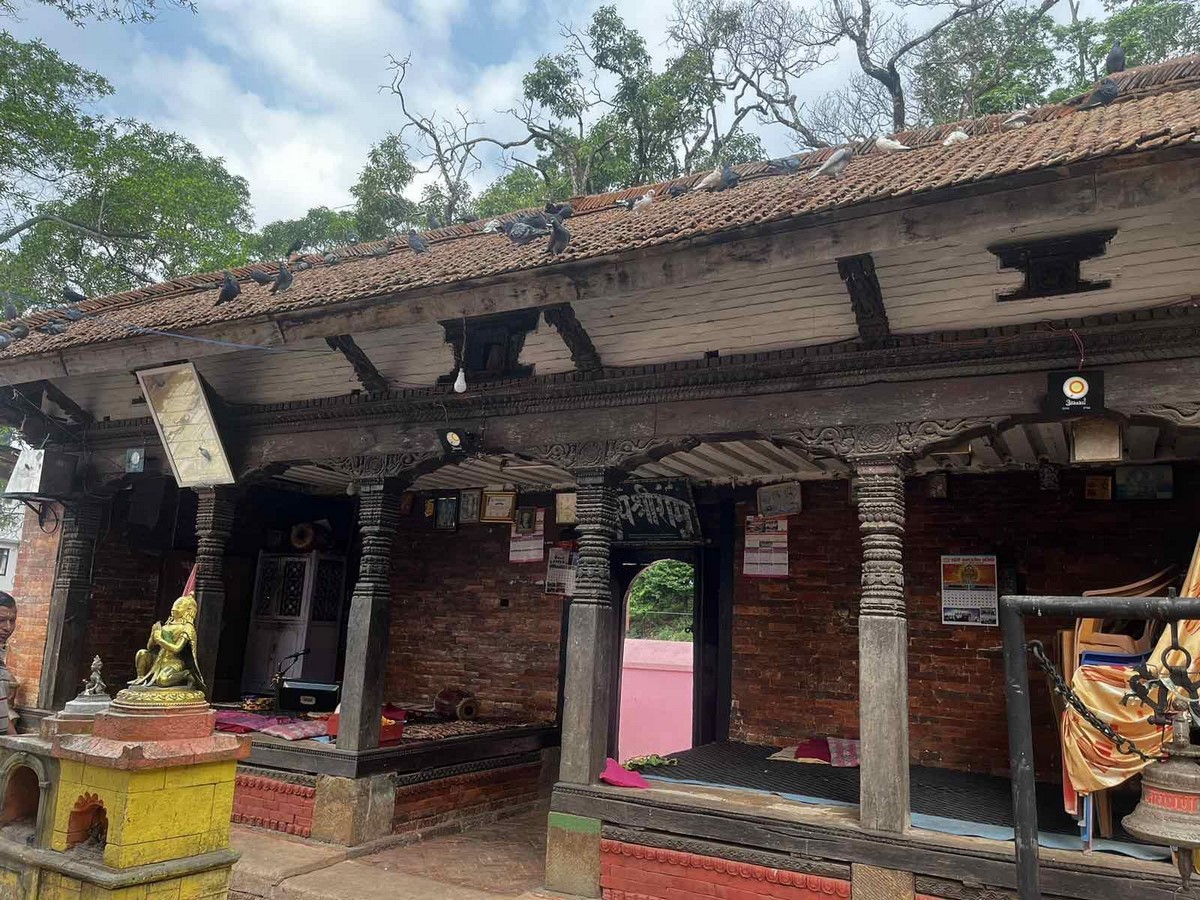
The Amar Narayana Temple defines Tansen’s character, standing tallest in the town without skyscrapers, naturally catching the eye and providing people with direction and identity. More than just a prominent structure, the temple is one of the few places in Tansen that opens up to a garden and landscape. Fulbari (Garden) features open green spaces that give locals a rare chance to breathe, gather, and connect with nature amid the dense urban setting, a spiritual landmark and a crucial public space that keeps the city’s social and cultural life vibrant and grounded.
Heritage Value Today
The Amar Narayan Temple is a beloved symbol of faith, culture, and heritage in Tansen. With its three-tiered pagoda design, gold-plated Laxmi Narayan idol, detailed wooden carvings, and the peaceful Fulbari garden, it serves as both an architectural landmark and an important spiritual center. It is the starting point for jatras and has long been a hub for festivals, bhajans, Janai Purnima rituals, and annual feasts that bring the community together. Despite issues like structural damage, limited upkeep, and budget limitations, the commitment of the local community has maintained its sacredness. The temple continues to be a symbol of devotion, resilience, and cultural identity for future generations.
References:
Singh, S.M. (2022). Build Back Better And The Preservation Of Amar Narayan Temple – Tansen (Palpa). Spotlight Nepal. Available at https://www.spotlightnepal.com/2022/03/11/build-back-better-and-preservation-amar-narayan-temple-tansen-palpa/ (Accessed: 24 September 2025).
Williams, Z. (n.d.). Traveling to the Amar Narayan Temple in Tansen. Orphaned Nation. Available at:https://www.orphanednation.com/traveling-to-the-amar-narayan-temple-in-tansen/ (Accessed: 26 September 2025).