A few months ago, a publication wrote a piece asking where the influencer architects were. Well, they already exist, and they were frustrated. They responded very quickly, with many accounts jumping in to support and uplift each other through comments and tagging other accounts with real people at every stage of the architecture path: students, professionals, and even those who left to pursue other things. Architecture influencers have the potential to reconnect us with the general public and redefine the profession.
Architecture School

Many students studying architecture today flood social media with day-in-my-life videos, crit outfit checks, and even late-night studio crashouts. One thing is for sure: architecture school is an experience like no other. And these architecture influencers want to use their platforms to show the crazy, fun, and hard parts about this path. It can be a great way to connect with others who feel their pain, as well as inform future students what might be in store for them if they want to become architects.
The Professional World

Professionals can also create an influential social media presence. For emerging professionals still in their early days, drowning in school debt, they can discuss their current stage in the licensure process and what the transition (or lack thereof) from school to the workforce was like. Specialists can provide additional insight into another side of the field, offering expertise on anything from acoustics to computer programs. Lastly, existing educators can continue what they do in the lecture halls and studios, but now in the digital space. These people may have different levels of knowledge in different areas, but that’s what makes them great to follow as architecture influencers.
Outside the Profession
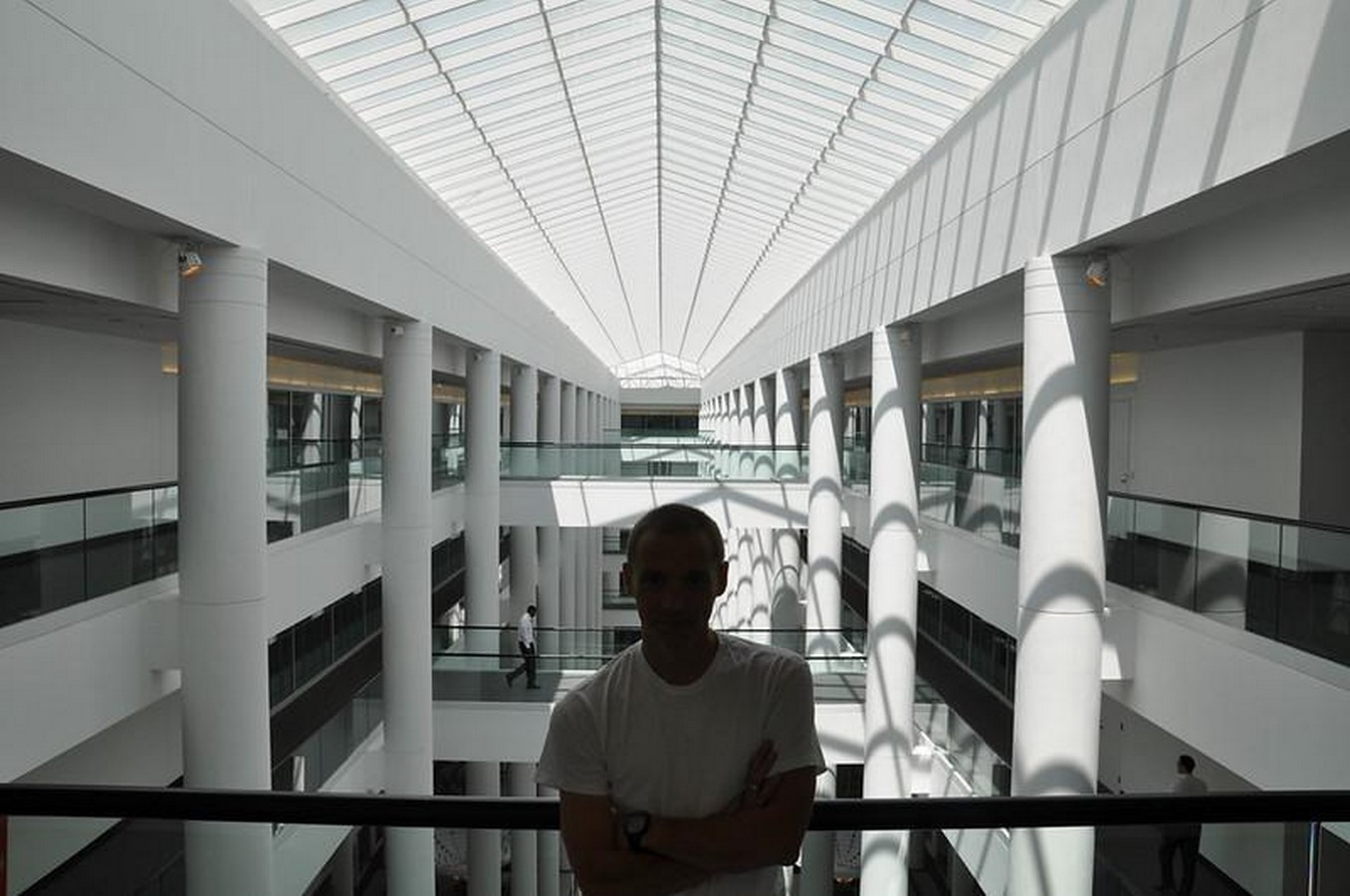
The last group is those who left the profession. No matter where in the traditional architecture timeline they quit, they use it to talk about their experiences. Maybe architecture school wasn’t for them. Maybe they fell off before they finished the licensure process. Or maybe they worked for years at a firm and realised they no longer love it. Now, they use social media to explore similar paths. Just because you studied or worked in architecture doesn’t mean you have to become an architect. These architecture influencers discuss potential career switches when the straight path is no longer cutting it.
Why Become an Architecture Influencer?
Now that we know who these people are, why should architects (past, present, and future) even be influencers? One could argue that they are already influencing. Students influence professors to let them pursue their projects. Architects influence clients to choose their firm. Architecture influencers can use social media to talk about architecture. It’s a way for anyone with Internet access to learn about a profession that literally shapes the world. It allows the architecture field to connect with the public. To help them explain why certain designs work and some don’t, as opposed to the usual conversations about ugly buildings (which are still valid). In addition, architecture is a multidisciplinary profession. They have to be graphic designers, businesspeople, and communicators. Professionals are often good at many things, because architecture is not just drawing houses.

Speaking of drawing houses, “regular” influencers think they are architects already. Architecture is a licensed profession for a reason. While architecture is an art, it’s more than that. It’s engineering, too. A building needs to be able to stand up safely. Clients are allowed to and should have aesthetic opinions on their projects, but they need an architect to be realistic. Not to crush their design dreams, per se, but rather to help them bring their ideas to life responsibly. Architecture influencers can use their platforms to help bridge the gap between architects and non-architects. To actually explain and use communication skills to justify why design decisions are made (and not just because they look pretty). It’s not all about aesthetics.
Is It Worth It?
Recently, architecture has been trying to pivot away from the starchitect narrative. Many stars arose in the twentieth century, but do architects deserve to be singled out and given a sense of “celebrity” status? Yes, there are single-person firms, but larger building projects require more people. It’s not just architects creating buildings. There are engineers, contractors, and various specialists who all work together to weigh in on projects. However, as architecture influencers become more well-known, recognised, even “famous,” could this lead to a resurgence of the starchitect in the twenty-first century?

Lastly, architects are already busy and oftentimes overworked. If an architecture influencer becomes successful enough, would it be worth quitting the profession? While content creation in comparison to architecture, may seem like an “easier” job, it doesn’t mean it’s not time-consuming or hard work. And if they leave the field, would they lose their expertise? It’s not like they’ll suddenly lose industry knowledge overnight. However, in the eyes of their followers, they could lose credibility. Following that, anyone can say anything on the Internet, and people will believe it. So if more architects are talking about architecture, would those who know nothing about the profession jump in and do the same with zero experience? Or worse, will they solely rely on AI to create content instead? While social media is wonderful in many ways, people don’t often take the time to fact-check the information they receive through it.
Is Architecture Influencing the Future?
Like everything in life, there’s good and bad in the online architecture world. Architecture influencers have the potential to change the field for the better. If they don’t, they could be promoting a dying profession. Architects often look for side hustles because their jobs don’t always pay enough. Influencing can be that solution. However, what does that say about the architecture profession if it doesn’t support its professionals? Will there be any people left for the architecture influencers to influence? Or is it the future instead?