Architecture is diverse and distinctive globally. Building shapes and designs vary regionally, thus demonstrating the culture and progress in the area. To establish a setting in television or cinema, a clip of a landmark structure is showcased to the audience. Iconic buildings act as the identity of a region or city, which the audience can identify immediately by drawing on their collective memory. Commercially, landmarks and statement-making buildings are publicised to attract tourists. Brands use the backdrop of these buildings to promote their product in advertising. Iconic buildings and landmarks are the social and cultural identities of a city. They are usually recognisable across a global audience because they are rooted in the audience’s collective memory.
Symbolic Interpretation
In an array of buildings and structures, only a few are prominent and stay ingrained in the public’s memory. Due to their aesthetics and materials, these buildings represent the city’s character and shape perceptions (Zamparini, 2023). The distinctive features help shape a collective viewpoint of how residents view their city (Elhagla et al., 2020). Overall, the shared architectural vocabulary of a city or region encourages possible interpretations, depicting the city’s current identity and future aspirations (Zamparini, 2023). The architecture defines the city’s identity by using a part to represent the whole (Zamparini, 2023). The architectural showpieces have their own character and cultural signature. Moreover, when multiple buildings in a region have the same architectural language, they collectively symbolise the region’s identity, qualities, and culture.
Features
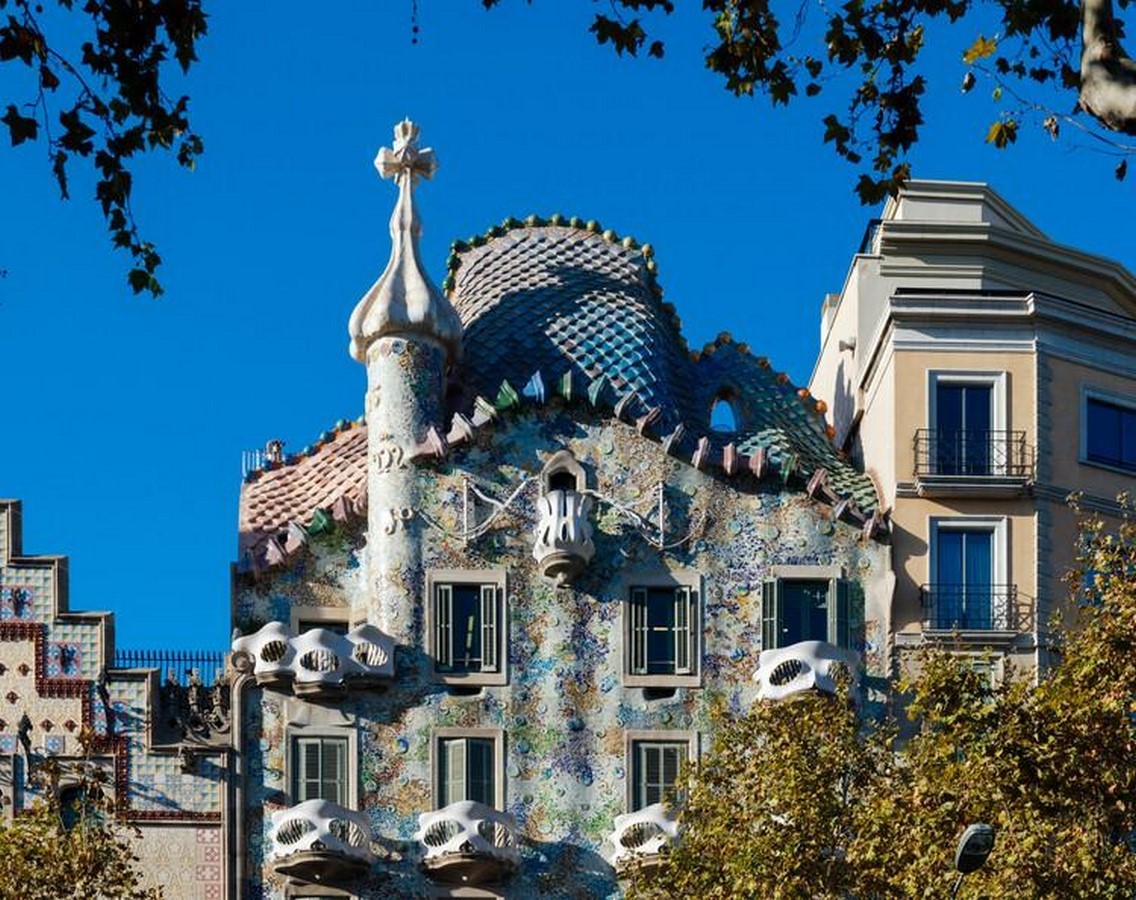
With the pressure of being the identity of a region, iconic buildings have pronounced features that set them apart from others. Before being used for their proposed function, they must be aesthetically pleasing and attractive (Elhagla et al., 2020). They are associated with special characteristics such as unique design, large scale, and a special message signified through the overall design and presence (Elhagla et al., 2020). In an urban setting, they can be a monumental structure, a small landmark, or a viewpoint with the backdrop of a skyline.
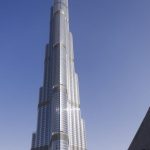
Historically, the pyramids were the tallest structures until the development of Gothic cathedrals with ribbed vaults and flying buttresses (Konar, 2025). These buildings signified growth and expressed the culture through their design typology. In recent decades, skyscrapers have attracted the attention of the masses. The Industrial Revolution paved the way for taller buildings through engineering, vertical transportation, aerodynamic shaping, and technological advancements with cutting-edge technology (Konar, 2025). By maximising the limited urban land, they are practical as well as symbolic by expressing the latest technology and economic ambitions (Konar, 2025). Their growing demand pushed countries to compete in the race to create the tallest building in the world.
Power of Buildings
Symbolic buildings possess a regenerative power due to attention and social construct (Zamparini, 2023). They set a mindset of power and superiority among the citizens. In history, the architecture symbolised power and identity as noticed from the pyramids and cathedrals (Messeidy, 2019). In modern times, structures by renowned architects captured the attention of the public (Messeidy, 2019). The Eiffel Tower can be associated with Paris, the Empire State Building with New York, Qutub Minar with New Delhi, and so on. These examples show how global citizens have a collective associative memory. The image and identity of these buildings can help in relating to the city in which they are situated.
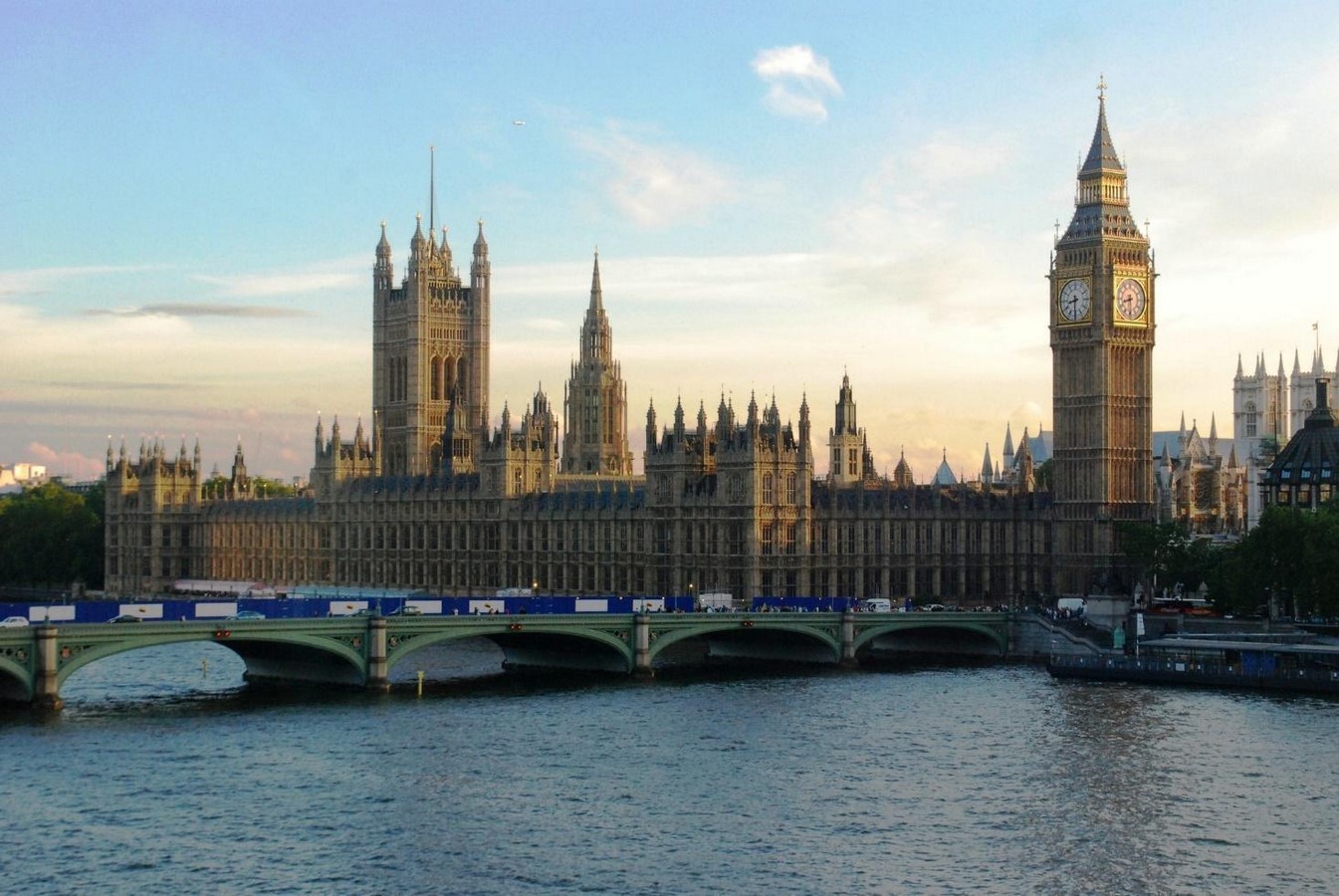
While planning an iconic building, the stakeholders account for the anticipation effect to catch the demographic and economic dynamics they spark during creation (Zamparini, 2023). Stakeholders are following the Bilbao effect to revive the essence of a city through iconic edifices (Messeidy, 2019). Around the globe, every city, urban centre, or region wants to establish its place. Iconic buildings are an agency that they can use to show their global competence.
Branding
Iconic buildings are under spotlight by themselves, but they also have a ripple effect on the surrounding built environment. Their strategic location increases the city’s visibility on the global map, thus accelerating the branding (Elhagla et al., 2020). They have three levels of impact: physical attributes, marketing roles, and the user interaction (Elhagla et al., 2020). Individually, all three levels of impact contribute to different aspects of branding, thus, uplifting the city’s image. Their presence in a setting positions a space in the minds of external stakeholders (Zamparini, 2023). They become a hub for social and cultural activities. Global image can be strengthened by marketing them as a tourist attraction (Elhagla et al., 2020).
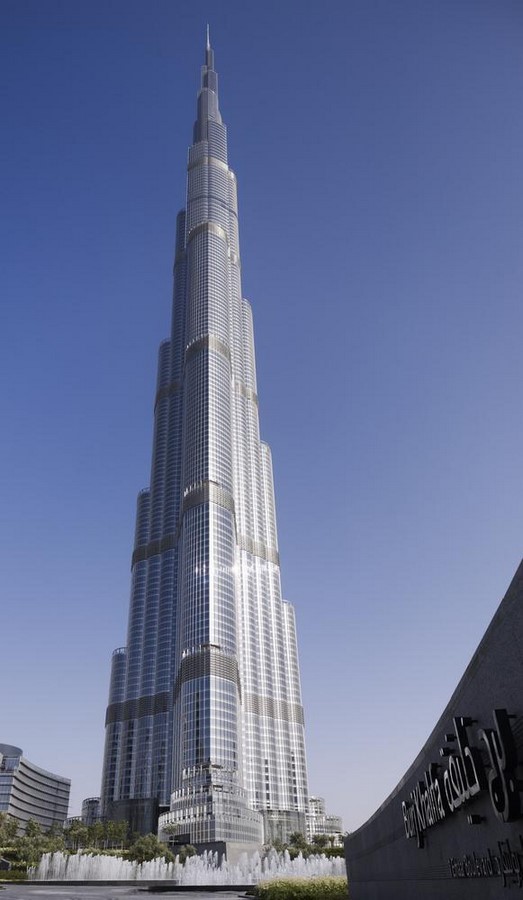
Iconic buildings are the identity of a place, people, and stakeholders, and mark a milestone in regional or international history. Collectively, they are also a sign of growth in engineering for mankind. Beginning from shelters to living, human life has come a long way in creating buildings that go beyond the clouds. Embletic buildings have a resonating effect on the viewers. They are constantly mentioned in the media, conversations, and articles. Their presence, design, and advancements speak for their character as well as the surroundings.References:
- El Messeidy, R. (2019). Architecture and City Branding: Role of Iconic buildings. Engineering Research Journal, 163(0), pp.144–155. doi:https://doi.org/10.21608/erj.2019.122520.
- Elhagla, A., Nassar, D.M. and Ragheb, A. (2020) ‘The role of iconic architecture in city branding’, Ain Shams Engineering Journal, 11(Messeidy, 2019), pp. 1183–1195. doi: 10.1016/j.aej.2020.01.020.
- Konar, T. (2025) ‘Historical background, current trends and future prospects of supertall buildings’, Discover Civil Engineering, 2:14. doi:10.1007/s44290-025-00172-5.
- Zamparini, A. (2023) ‘Iconic buildings in the making of city identity’, City, Territory and Architecture. Available at: https://pmc.ncbi.nlm.nih.gov/articles/PMC10468330/
Image References:
- ArchDaily (2022) 170th Anniversary of Antoni Gaudí, an Icon of Modernist Architecture in Barcelona: Casa Batlló / Antoni Gaudí. Available at: https://www.archdaily.com
- ArchDaily (2013) HOK Selected to Refurbish Palace of Westminster. Available at: https://www.archdaily.com/455559/hok-selected-to-refurbish-palace-of-westminster
- ArchDaily (2017) Burj Khalifa / SOM. [online] Available at: https://www.archdaily.com/882100/burj-khalifa-som