As we saw in the first part of the History of Indian architecture, the time between 900 to around 1400 saw the evolution and decline of many Hindu dynasties in different parts of India, in turn resulting in a variety of different styles of temples and sculptures.
The period between 1206 AD and 1526 AD in India’s history is known as the Delhi Sultanate period and this period of over three hundred years and five ruling dynasties massively contributed to the fine arts and advances in the architecture of India.
The Slave Dynasty, under its founder, Qutub-ud-din-Aibak and was the first to introduce Islamic architecture in India. The Qutb Minar of red sandstone and marble, standing at a height of 238 ft is one of the earliest and best-known monuments of this era. A distinct feature of traditional Persian architecture called Muqarnas corbel is seen in this minaret, along with Indian floral motifs and verses from the Quran. Other fine examples of architecture are the Alai Darwaza, Quwwat-ul-Islam mosque as well as other structures and tombs of the Qutb complex. The successive dynasties of the Tughlaqs employed many Hindus as architects and builders and left behind several buildings in a standardized dynastic style.
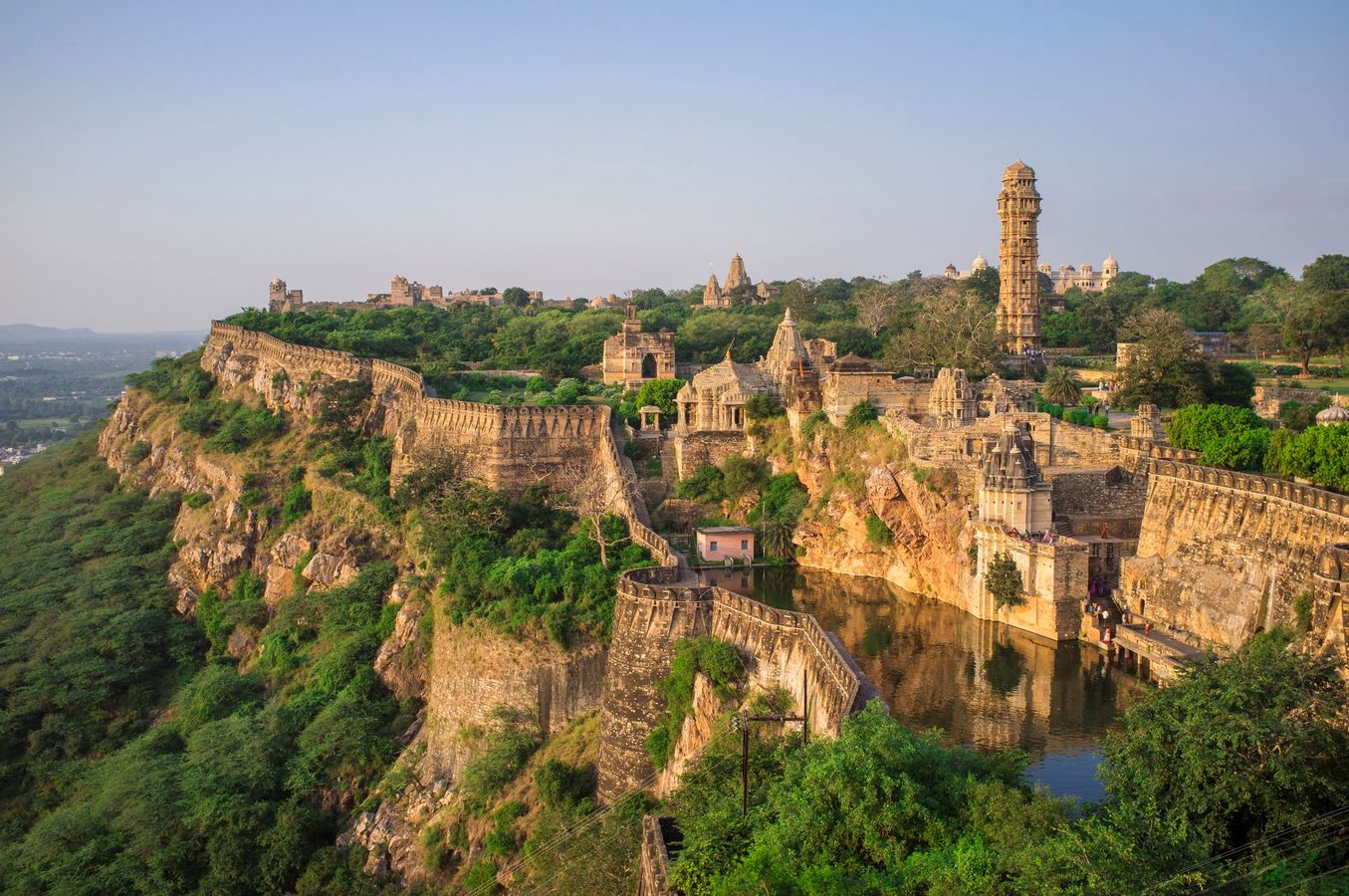
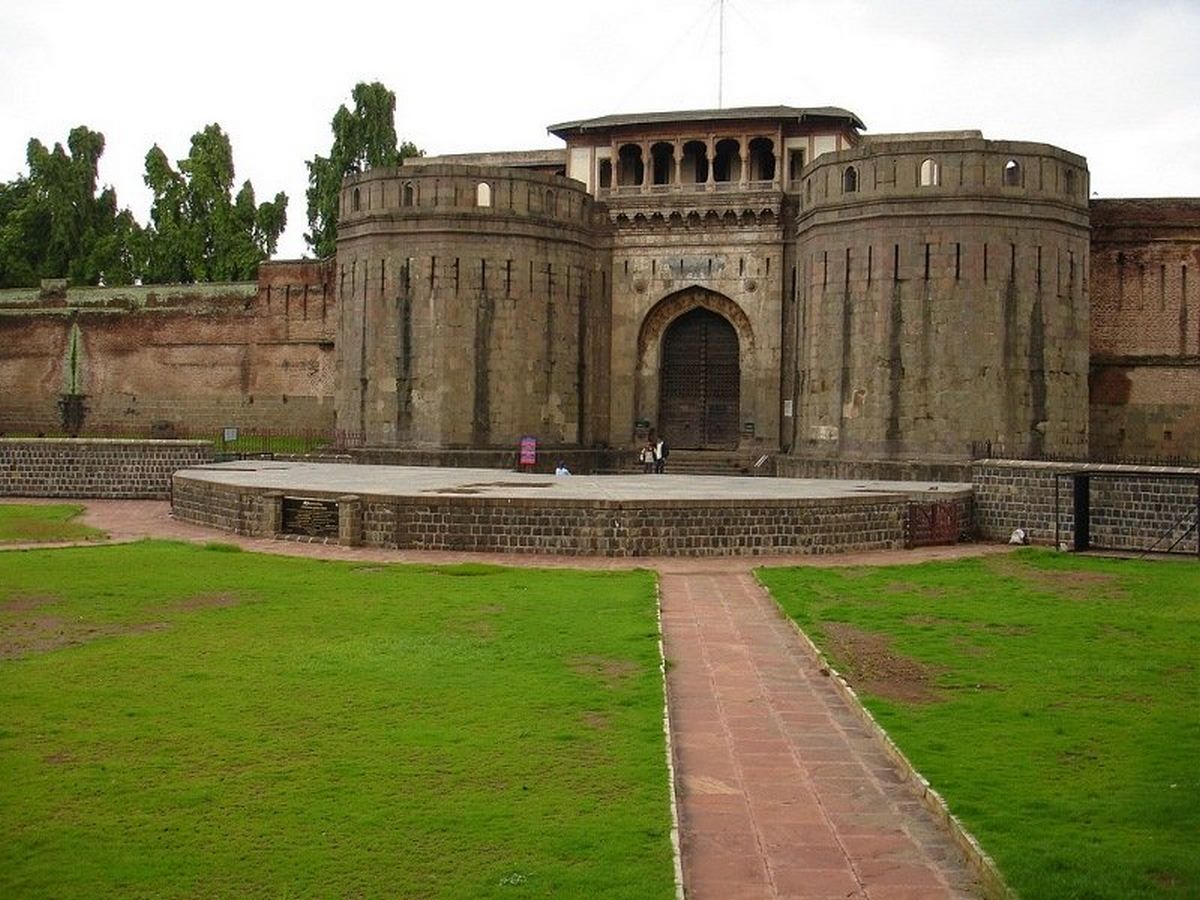
The Maratha Empire ruled between the 17th and 19th centuries and were constantly at war against the Mughal Empire. Hence, like the Rajputs, several fortifications can be seen in their architecture, including Shaniwar Wada, Pratapgad, Raigad, and Mangad. During the Confederacy era, many of the popular temples were built/revived all over Maharashtra, which reflects a peculiar architectural style regarded as Maratha Architecture.
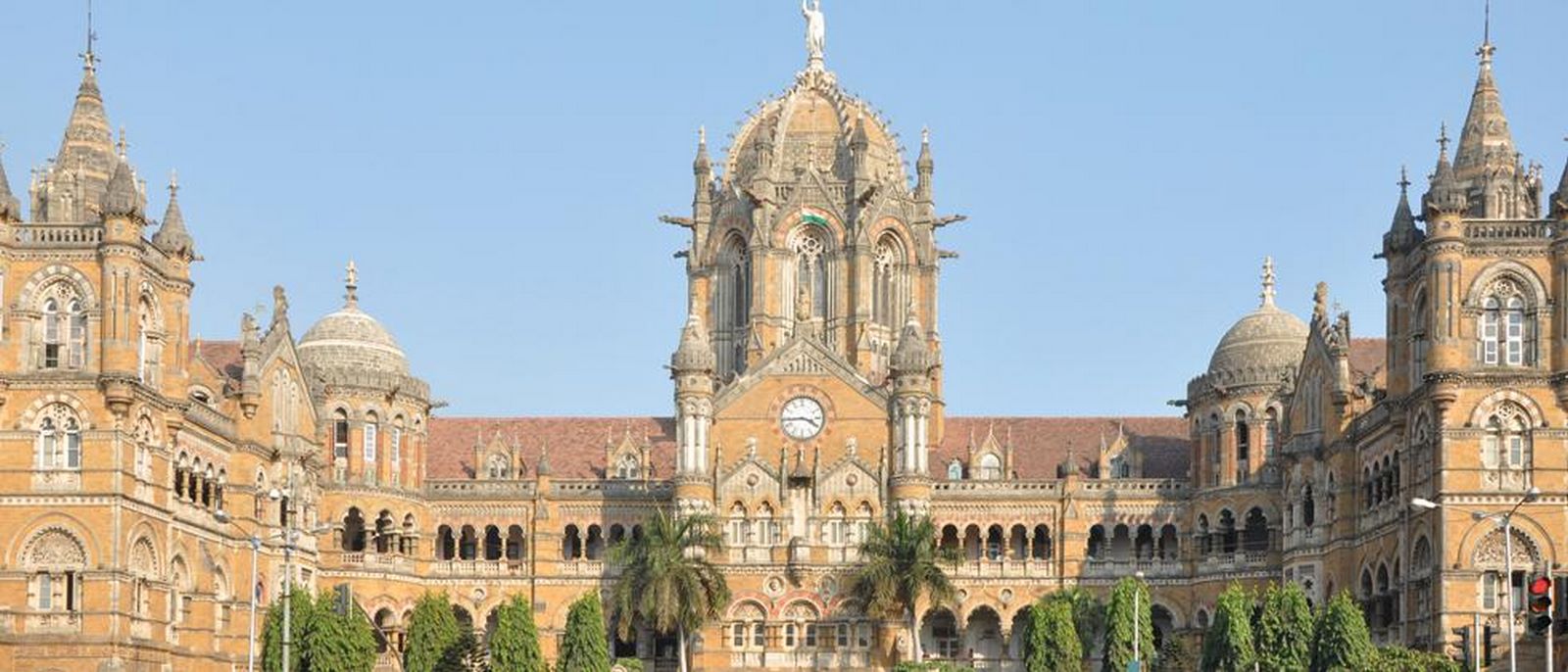
The last phase of the history of Indian architecture was the Indo-Saracenic, a revival architecture style adopted during the British Raj in the late 19th century. This style was evident in public and government buildings, and palaces of princely states. It aimed at replicating Imperial Indian architecture, including Rajasthani, Mughal, and Maratha eras, which the British regarded as the classic Indian style.
This article on the History of Indian architecture gives us a glimpse into various phases in Indian history and their evolution over 4000 years. With diversity in cultures, religions, languages, and races we’ve seen how each transition has impacted the architecture of India. Each temple, each tomb, each fort, each palace has a story and identity of its own. Thousands have been constructed and hundreds have perished, but each structure helps us relive the past and understand the heritage of this prosperous country in a manner better than any other.
Concluding with these enlightening words by Mark Twain, “India is the cradle of the human race, the birthplace of human speech, the mother of history, the grandmother of legend, and the great grandmother of tradition. Our most valuable and most artistic materials in the history of man are treasured up in India only!”
Currently a student of Bachelors in Architecture, Medha yearns to unceasingly learn new things. Here at RTF, she intends to put forth her ideas on architecture, and believes that words encapsulate the essence of a design. She aspires to create something beautiful, one day.
We use cookies to ensure that we give you the best experience on our website. If you continue to use this site we will assume that you are happy with it.


![History of Indian architecture [Part 2] - Sheet1](https://www.re-thinkingthefuture.com/wp-content/uploads/2020/08/A1518-History-of-Indian-architecture-Part-2-Image-1.jpg?w=999)
![History of Indian architecture [Part 2] - Sheet2](https://www.re-thinkingthefuture.com/wp-content/uploads/2020/08/A1518-History-of-Indian-architecture-Part-2-Image-2.jpg?w=999)
![History of Indian architecture [Part 2] - Sheet3](https://www.re-thinkingthefuture.com/wp-content/uploads/2020/08/A1518-History-of-Indian-architecture-Part-2-Image-3.jpg?w=999)
![History of Indian architecture [Part 2] - Sheet4](https://www.re-thinkingthefuture.com/wp-content/uploads/2020/08/A1518-History-of-Indian-architecture-Part-2-Image-4.jpg?w=999)
![History of Indian architecture [Part 2] - Sheet5](https://www.re-thinkingthefuture.com/wp-content/uploads/2020/08/A1518-History-of-Indian-architecture-Part-2-Image-5.jpg?w=999)
![History of Indian architecture [Part 2] - Sheet6](https://www.re-thinkingthefuture.com/wp-content/uploads/2020/08/A1518-History-of-Indian-architecture-Part-2-Image-6.jpg?w=999)