History acts as not only a narrative but as a blueprint within the world of architecture and restoration. Archives act as remnants of the past, sources of knowledge in the present and inspiration for the future. These archives act as custodians of the past, passing on knowledge of lost eras, to be interpreted by the creative minds of the current generation. While innovation and technological advancements have been increasingly evolving, there lies a certain charm in restoring structures of these lost eras as reminders of our heritage. Experiencing the essence of this heritage, in the current day and age, has been made possible through meticulous documentation and preservation of precious archives.

Archives as a Blueprint
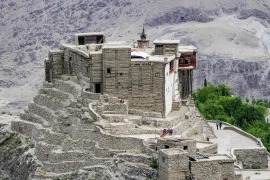
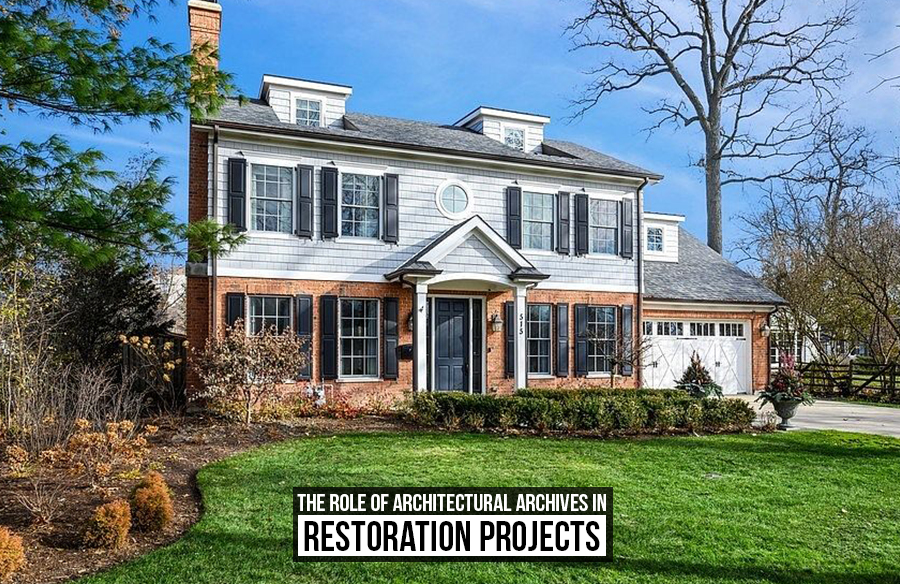
A modern interpretation of architectural restoration can be found by balancing preservation and adaptation, past and present. The objective is to mildly reinterpret the essence of the structure in the current era rather than merely regurgitate the original structure as it was. Documenting, analysing and interpreting patterns and narratives is essential to this process, in which archives play a focal role. Understanding the cultural, social, and technological contexts in which these structures existed in the past is crucial to interpreting their restored physicality. These architectural archives provide valuable information regarding available materials, construction techniques and craftsmanship, cultural narratives, architectural styles, and the evolution of these various factors. As restoration is a continued process over certain periods, these staggered restoration attempts add additional insights into the evolution of these structures and the eras they adapted to over time. The ingenuity of these eras can be studied through these observations, as well as this passive interaction of generations talking to historians, through the same piece of heritage.

Honouring the original structure: Understanding the Architect’s original vision is the first and foremost step in capturing the essence of the structure. Architecture and design being a hands-on practice from ideation to execution, provides archival references to the researchers to thereby understand their design choices and technicalities.
Blending into the current landscape: The era under which a particular restoration project is undertaken is central to the outcome of the restoration, influencing, material palettes, cultural significance, narratives and much more. The project is essentially a dialogue between the past and present, speaking to each other through the medium, the structure itself.
Navigating the future: These structures function as living beings in a sense, and like all other living beings are affected by the passage of time. They evolve, adapt and morph into their environments like all other beings. The observation, analysis, and documentation of this is pivotal to historians and conservationists to gauge whether the structure must be preserved, reverted, or reinterpreted.
Digitisation of Archives
Although physical archives will remain unparalleled in their value, the information received from them, both directly and indirectly holds significance as digitised files. The increased ease and accessibility of these digitised files have aided researchers, historians, conservationists, and numerous other professionals in accounting for precious data in their research, for more thorough analyses. Ideally, this increases the interconnectedness of information within fields of study and cross-disciplinary connections. In addition to these benefits, digitisation is a necessity owing to the ephemeral nature of physical archives in the long run. This ensures protection from loss of information due to degradation, damage, or theft, transcending geographical and temporal restrictions. Techniques for sorting, indexing, and digitising these archives have also varied over the ages, providing academics with yet another identifier of a structure’s architectural history.

Ethical Considerations and Archives
Although every past and present era is a consideration in the restoration process, the preservation of authenticity is the primary factor in the decision-making process. Archivists and other stakeholders must maintain high standards for both the maintenance and interpretation of archives. Factors in this process include meticulous inventory and logistics, security & protection, maintenance and conservation techniques, climate control, protection against natural disasters, etc. In addition to these tangible factors, equal access, transparency, and non-discriminatory accessibility to any stakeholder, irrespective of cultural, religious, and socio-economic backgrounds among others. This opens a dialogue regarding respect and sensitivity taking centre stage in conversations about history, heritage, conservation, restoration, and preservation, especially to marginalised communities.

The value of our heritage and history can be weighed through a holistic lens. This lens includes viewing it as not merely the surviving physical built environment but as processes, ideas, inventions, and contributions of past architects. As a topic subjective to time, the ‘evolution’ of history is only as valuable as the evolved perception of it by historians, conservationists, and architects. This essentially means constantly updating interpretations of the same object, event or narrative, with the introduction of new variables and information. Ethics, respect, and transparency must act as the pillars of these projects, binding communities, eras, and regions together. Above all, these archives offer an insight to the greatest minds in architecture, design, heritage, and history, for the current generations to study and be inspired.
References:
- Singer, M. (2023) Exploring Architectural Archives in recovery, University of Cape Town. Available at: https://lib.uct.ac.za/articles/2022-09-16-exploring-architectural-archives-recovery (Accessed: 12 May 2024).
- Victoria and Albert Museum, O.M. (2013) The initial conservation of an archive of rolled architectural drawings, The Initial Conservation of an Archive of Rolled Architectural Drawings. Available at: http://www.vam.ac.uk/content/journals/conservation-journal/issue-24/the-initial-conservation-of-an-archive-of-rolled-architectural-drawings/ (Accessed: 12 May 2024).
- Five episodes in the Architecture Archives – Five Episodes in the Architecture Archives | CMU Libraries. Available at: https://library.cmu.edu/about/news/2020-12/five-episodes-architecture-archives (Accessed: 12 May 2024).