It’s true when they say that once we learn architecture, we open up to more and more fields. We become sensitive to many issues around us. We don’t think just design; we think life. It won’t be wrong to say that architects could be great philosophers. I believe that the structure of the course in architecture schools is designed such that it opens up various portals for students, exposing them to day-to-day realities of the world.
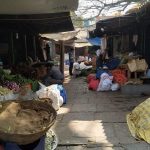
One such experience I had during my five precious years of architecture school was when I, along with my batch mates had to document an urban precinct in the city of Mysore as part of our 8th-semester studio work. As with all documentations, this one too was a task spread over a week or so. We were all divided into groups and assigned small pockets for complete documentation. The part of the precinct that I had to document along with my group included a 100+-year-old Market called the ‘Vani Vilasa Market’ and a chunk of residential area right behind it.
The market sets a historical background for the adjoining localities. Back in the day, this was one of the busiest markets in the city. But presently, due to lack of maintenance and growth of retail overall, this market place has lost its royal charm. The physical condition of the building has worsened. Hence, we took upon us, the task to document the market and its surroundings to map and understand the usage patterns, the kind of activities taking place in and around and to propose a suitable solution to save the deteriorating marketplace, and to restore its vivid historical and cultural significance.
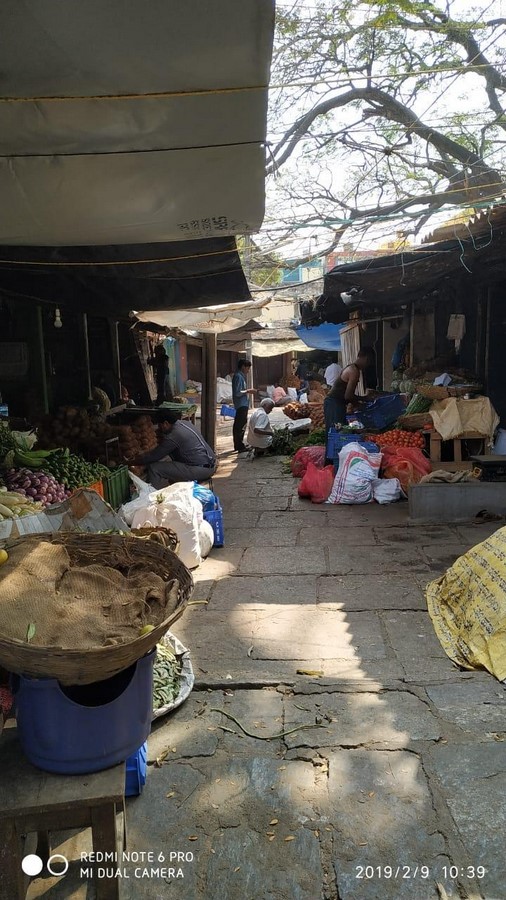
It was peak summertime, so we started early in the morning to cover most of the outdoor work before it got too hot. We had the latter half of the day for updating our plans and other documents. Architects are never found with bare hands. Similarly, our bags were full of stationery and snacks to munch on during the breaks. With base maps and measuring tapes in one hand, and a minimum of 3-4 different coloured pens and pencils in the other, we walked through narrow streets and paths. We put our observational skills to best use for noting down each detail. Each road we passed had a sort of story of its own – like poetry ready for being deciphered.
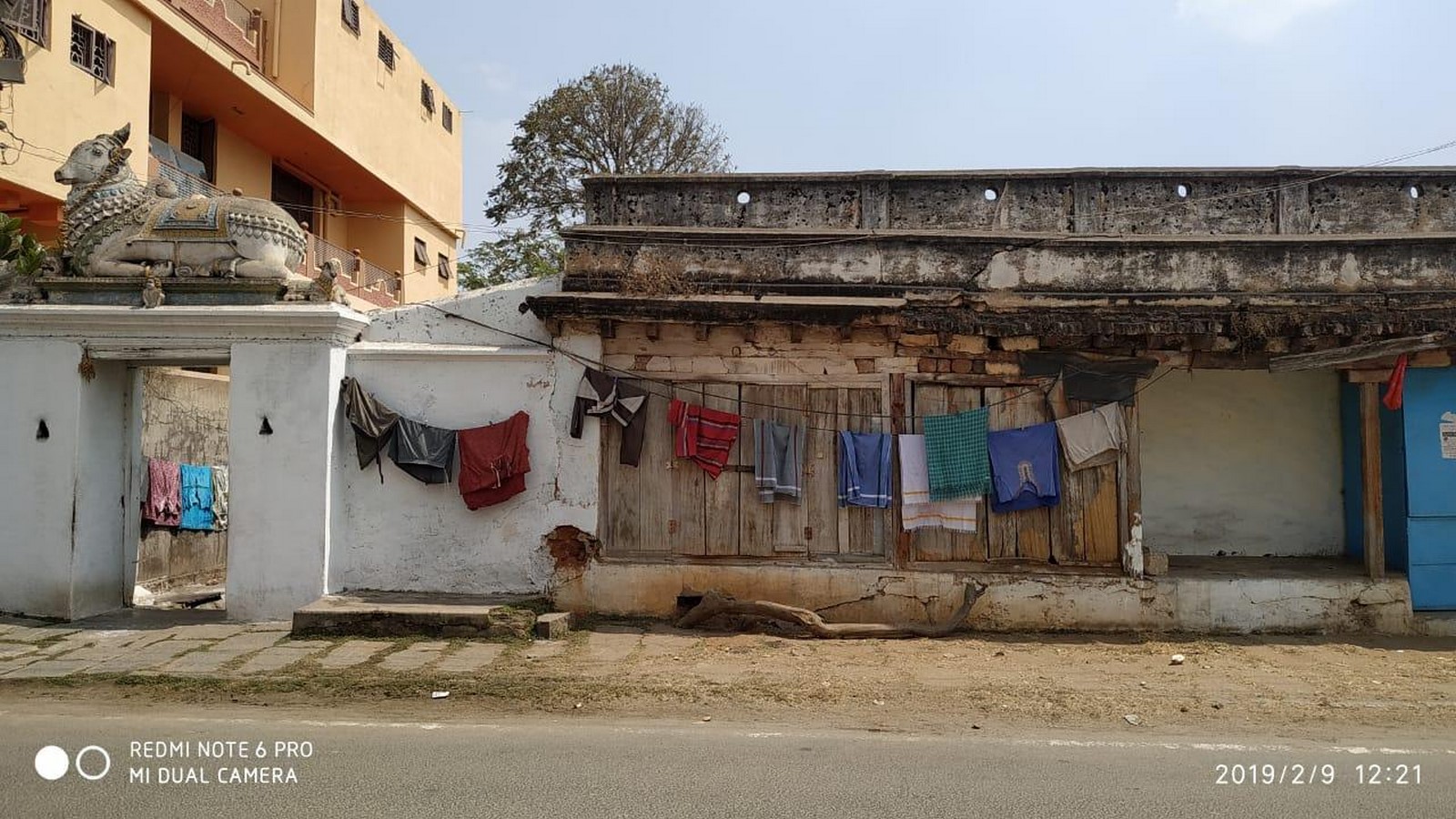
I personally always love interacting with the people living in the areas we document or study. The insights given by the locals is unmatched to just plain observation. They make the area what it is, which is why they are the most valuable source of understanding a place. In the process, I came across a variety of people from all walks of life – some were curious to know what we were doing, some were too involved to bother, while some wanted to help in any way they could, and the others were hostile. Some people assumed we were representing political parties and were campaigning, and a few of them thought we were there for the census. We even met a few children who had their summer breaks going on. These children were particularly fascinated and were running behind us all along to see if we needed any help.
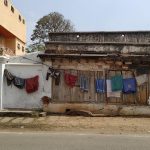
Down one street in the tightly woven residential area, I met a group of 3-4 people. They seemed to be rather interested. They asked me about my course and about the project I was working on. They helped provide me some of the information I needed and walked me down the road to show me one of the oldest houses in the neighbourhood. Out came a middle-aged lady from that house upon hearing all the commotion. Seeing a few familiar faces, she spoke in the local language to figure out what the commotion was all about. One man from the group who accompanied me jokingly said that I was a government agent who was there to inspect her house and get her out because she hadn’t paid her dues. Poor woman! Being naive, she believed what he told her. She instantly became defensive and began incessantly yelling and questioning me.
After taking a jab at the lady for a solid ten minutes, the man told her to cool it off and introduced me as a student working on a project. I interacted with them for some time, (still not being convinced), she told me that she was just a tenant. She was even willing to produce her rental agreement before me. I explained to her what I was doing and how the outcome of the project could be beneficial for society. The children playing alongside gathered around me and listened to me with a gleam in their eyes. I explained to them how the design of their neighbourhood had an impact on their daily social lives and how we could improve the quality of living just with good design. The lady carefully listened and nodded in agreement. They were all so engrossed in the discussion, that they started coming up with issues and their possible solutions. They offered some refreshments after which I bid farewell to continue with the remainder of my work.
That day I realised, how like the people in that neighbourhood, many others in the country didn’t know just how important design is, let alone knowing what good design is. Lack of awareness and ignorance amongst commoners makes it difficult for them to appreciate and demand good design. I also learnt how some are living their lives in a pretentious world of their own with false realities and little to no regard for what is right and wrong. We as architects must strive to provide the public with inclusivity, comfort, and a happy environment so all can be appreciative and thrive as one.