A world built on making things now judges companies by what those things mean. Bēsō fits right into that change, seeing itself less as someone who builds chairs and more as someone who connects handmade skill with eco choices and clean looks. Still, even if the story feels strong, staying around will come down to balancing realness, growth, and reaching buyers without losing grip.

Brand as Story Making
Stories shape what Bēsō stands for. Jenny Majmudar (see fig.2) started it, bringing ideas from architecture on how space tells tales, how materials speak – to turn chairs and tables into things you feel, not just own (Bēsō, n.d.-a). Feelings matter now in brands and culture just as much as whether something works. Function alone isn’t enough anymore.

A story-based approach might lean too hard on symbols instead. Even if tales shape how people see a brand, real-world use needs to match that image just as much. If those pieces do not line up, the message turns thin, more surface than substance behind the choices.
Craftsmanship Between Authenticity and Strategy?
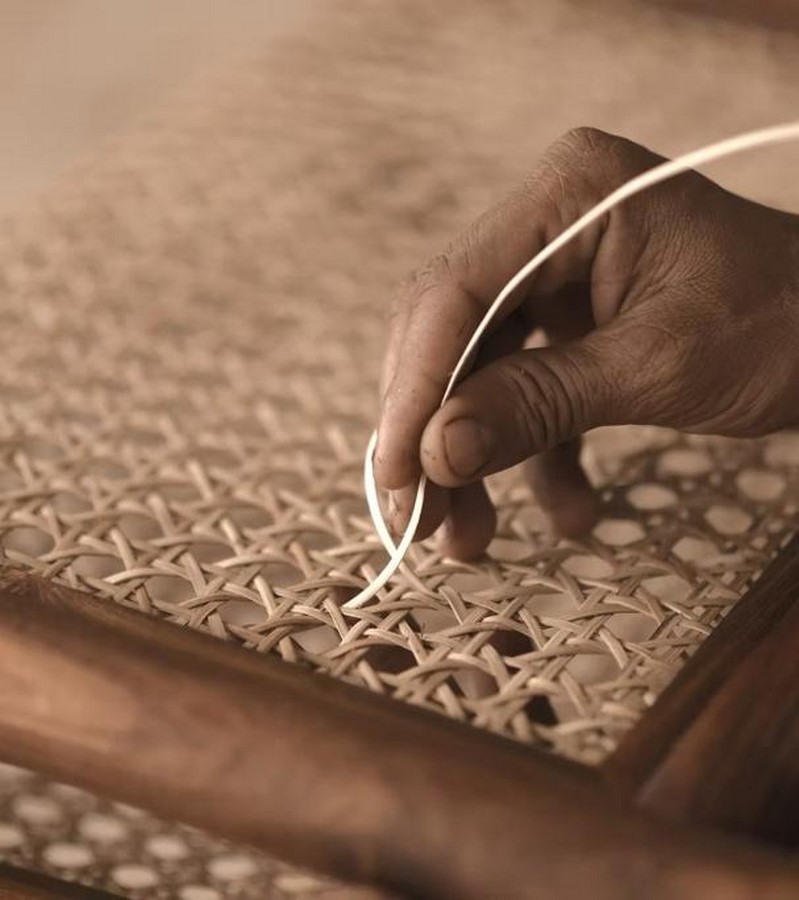
As shown in Fig. 3, built slowly by hand, Bēsō works alongside makers in India, shaping its identity around realness, no dates listed, just practice (Bēsō, n.d.). Unlike factory-made furniture, every object holds distinct marks, telling stories across generations. Far from assembly lines, these creations echo worldwide shifts in which skilled making pushes back against mechanical repetition.
Still, one thing stands out: does real skill survive, or just the image of it? Though Bēsō helps keep old methods alive, it also reshapes them for high-end buyers. What was once made for many now feels reserved for a few. Craft used to mean shared knowledge, open hands; today, that meaning bends under price tags.
Handmade work, by its nature, can only grow so far. Even though being rare helps define the name, it keeps reaching small. Should keeping old methods alive matter most, serving just luxury buyers might miss the point. (Architectural Digest India, n.d.)
Sustainability Meets Slow Design Politics
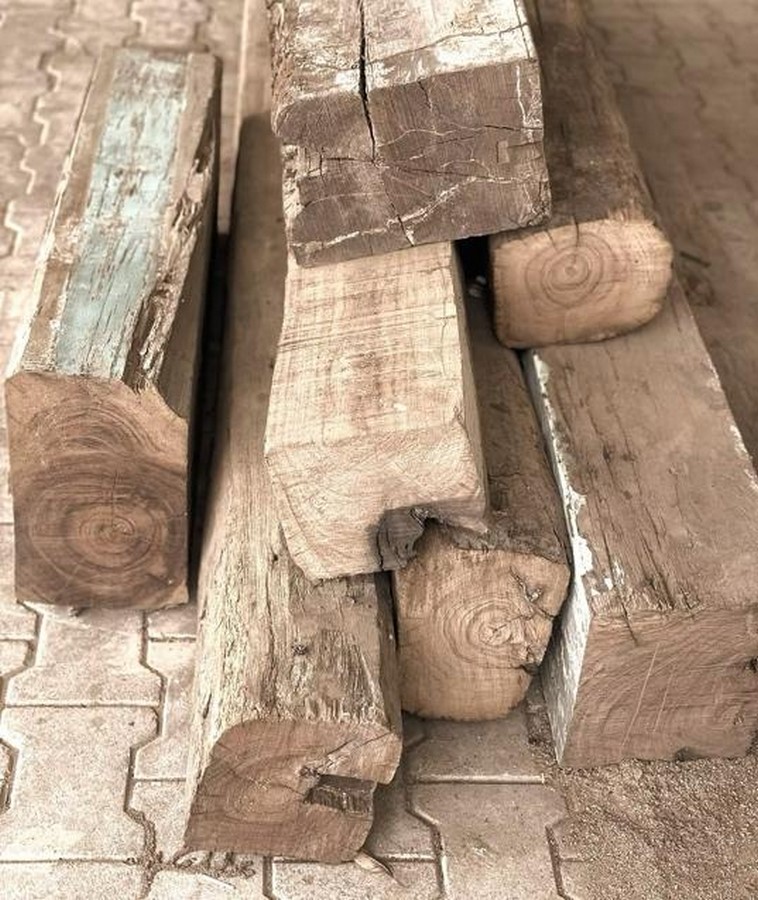
One thing leads to another when old stuff gets a second life. Bēsō builds pieces that last, pulling from what already exists. (see fig 4). Not rushed, never tossed fast, its work fits into a quieter kind of making, one that questions endless factory output (Architectural Digest India, n.d.). Long-lasting isn’t just luck here; it’s built in, part of how things take shape. What sticks around matters more than what’s new. Reuse isn’t a trend, it’s the core rhythm. Through time, not through waste, progress shows up.
Bēsō pushes mindful buying, yet its items still reach only a few. Because of high costs, most people stay on the outside looking in. So the real puzzle sits here – does eco-awareness spread widely, or just move upscale? Even with good goals, access stays narrow. (Architectural Digest India, n.d.)
Still, talking about green practices mostly focuses on what things are made of instead of showing how everything really works behind the scenes. Take old wood being reused (see fig 4), that part gets attention, yet where it came from or how long it lasts doesn’t get discussed much at all. Showing only certain bits, even if often done when selling designs, makes those eco-promises feel thinner than they seem.
Changing Old Ways for Today’s Markets
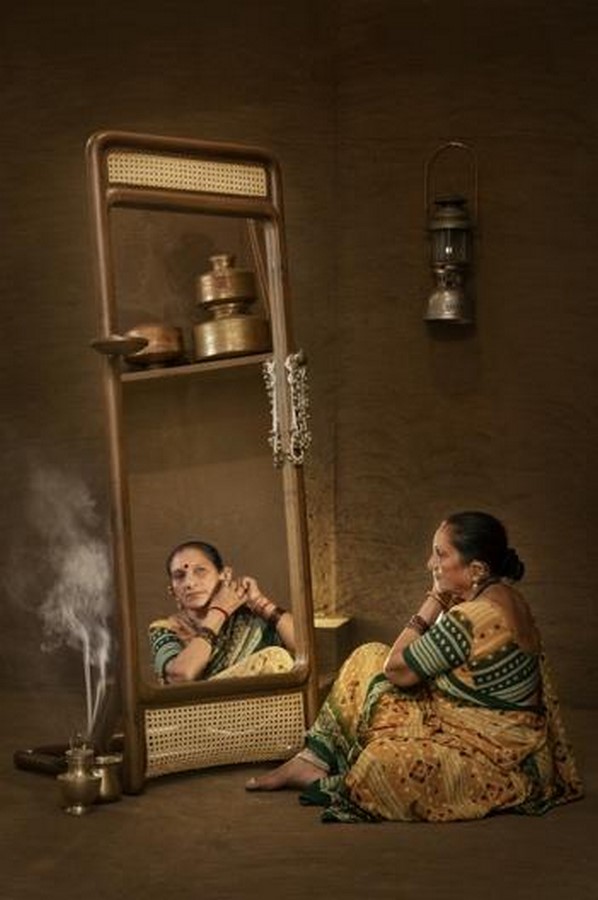
Bēsō stands out by blending old-making methods with today’s visual styles. Rather than copying past shapes, it reshapes them using now-focused design ideas (The Architects Diary, 2024). That keeps the work fitting naturally into present-day rooms and buildings.
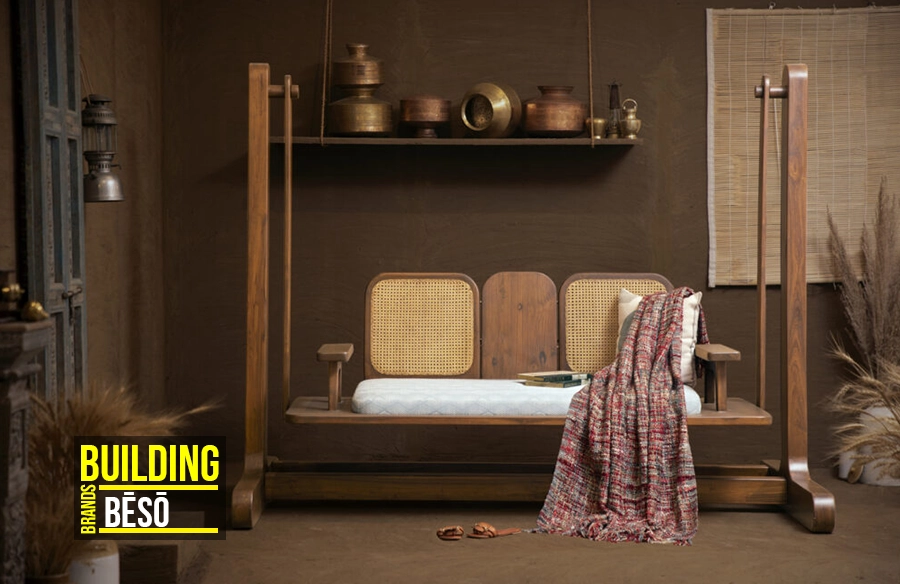
Furniture tells tales when emotion matters more than function. As shown in fig 5 and 6, Bēsō slips plots into pieces, turning chairs and tables into keepsakes. Instead of just filling rooms, these items fill moments that users feel attached to because backstory shapes how they see them. A shift runs through design today: experience weighs more heavily than appearance. Objects gain meaning once lives are woven into their form. (The Architects’ Diary, 2024).

Still, how people see it shapes whether this approach works. When buyers do not interact with the maker or watch things being made, the story comes only through the company’s voice. That means truth feels shaped, not stumbled upon.
Market Positioning: Is It a Strength Or Limitation?
Bēsō fits into a quiet corner of eco-friendly high-end furnishings, drawing people who care about honesty in making things look good (Architectural Digest India, n.d.). Because of that space it holds, standing apart from big commercial brands comes naturally.
Still, picking a narrow space can slow things down. Focusing only on people who care deeply about looks and earn more money makes it tough to grow fast or shift how most shoppers act. On the flip side, big companies using eco-friendly methods across huge operations might change more, even when each item isn’t built quite as carefully. (Beso, n.d.)
A quiet footprint marks Bēsō’s place online. While major design names fill screens worldwide, its web presence stays thin by comparison. With influences flowing through digital channels, standing back could slow the process beyond borders.
Critical Reflection on Ideology Versus Market Realities
What stands out most about Bēsō is how everything fits together under one clear idea. Craft meets purpose, tied tightly with care for the planet and real stories behind each piece. Yet inside that unity, small cracks begin to show. The very thing that holds it all up starts pulling in different directions.
What happens when values meet price tags? Bēsō pushes fair practices and heritage craft, yet sells in high-end circles where few can afford its pieces. Not walking away from one to embrace the other, instead moving through both at once. Other labels do this too, balancing ideals while playing by expensive rules.
It’s hard to grow without losing what makes it real. Yet reaching more people means changing how things are made. Craftsmanship might slip when output grows fast. Value often fades if access gets too wide. Staying true while spreading out is the tightrope walk ahead.
From stories to values, Bēsō builds brands differently, shaping culture instead of chasing scale. Which means it grows here because attention lands on purpose, not just product.
Still, what lasts depends on fixing inner conflicts. Expansion without fading true character, how does that work? Reaching wider people with eco choices instead of keeping them rare, who answers that? The real test sits here: stay small and admired, or grow stronger across the world design scenes.
Bēsō stands out, yet it also stumbles, showing how brand-building now dances between what people believe and what they buy. It works, sometimes; reveals potential, often; trips on expectations, just as much.
Reference List:
Architectural Digest India (n.d.) Bēsō profile. Available at: https://www.architecturaldigest.in/adpro/directory/profile/beso/ (Accessed: 30th March 2026).
Bēsō (n.d.-a) About Bēsō. Available at: https://www.besoindia.com/about (Accessed: 29th March 2026).
Bēsō (n.d.-b) Bēsō official website. Available at: https://www.besoindia.com/ (Accessed: 29th March 2026).
Fig 1- 6 Bēsō official website. Available at: https://www.besoindia.com/ (Accessed: 29th March 2026).
The Architects’ Diary (2024) Weaving narratives of Indian craftsmanship with Bēsō. Available at: https://thearchitectsdiary.com/weaving-narratives-of-indian-craftsmanship-with-beso/ (Accessed: 1 April 2026).