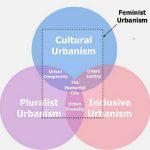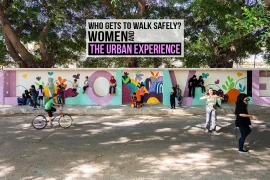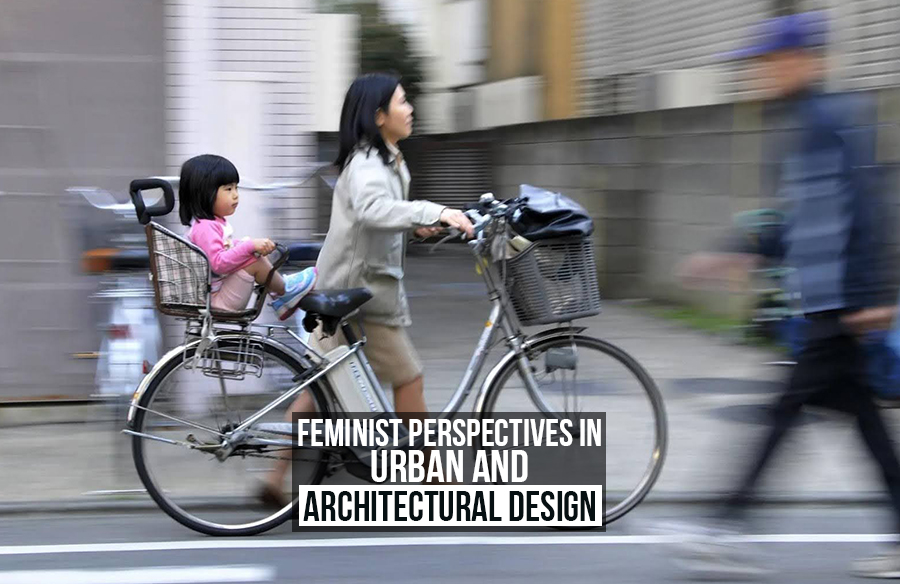
Although cities weren’t created keeping everyone in mind, it does have an impact on the way we live. Certain marginalized groups and women’s needs have always been compromised for decades. Feminist Urban and Architectural Design challenges this by creating a safer and more inclusive space for them. This concept focuses on making spaces more inclusive, safer at night, and welcoming. It’s basically to design cities that cater to everybody and not just a select few.
Historical Background
From the Stone Age to the pre-Industrial eras, men worked more on building activities and hunting while women took care of household, childcare, and other domestic activities. With the advancement in technologies which shaped the relationships, economics, politics, and increased diversification of service needs, men were being released from reproductive and care work duties, women were still disproportionately responsible for childcare because they were the ones who could give birth and raise children.
According to Feminist Urbanism and Architectural Design, cities have been designed by generalizing users, focusing on the nuclear family and neutral design. The idea of gender as a binary has also served as a foundation for architecture which in turn has strengthened the general normals that public spaces are dominated by males. So in the present, both of these concepts do not make sense. Assuming that middle-class, able-bodied, heterosexual men will be using a public space, these spaces have been created that disregard the aspirations of other groups. According to Inés Sánchez de Madariaga, one of the first steps toward creating just and equitable urban settings is acknowledging women as urban inhabitants and comprehending the significant distinctions in how they experience day-to-day living in cities.
In 1981, the London-based Matrix Feminist Design Co-Operative was established. This was amongst the first architectural organizations to oppose the patriarchal theme in the architecture and urban design industry. They introduced a feminist perspective to the design through constructed analysis, theory, research, and publications such as the 984 book Making Space: Women and the Man-made Environment.
How do women use the city?
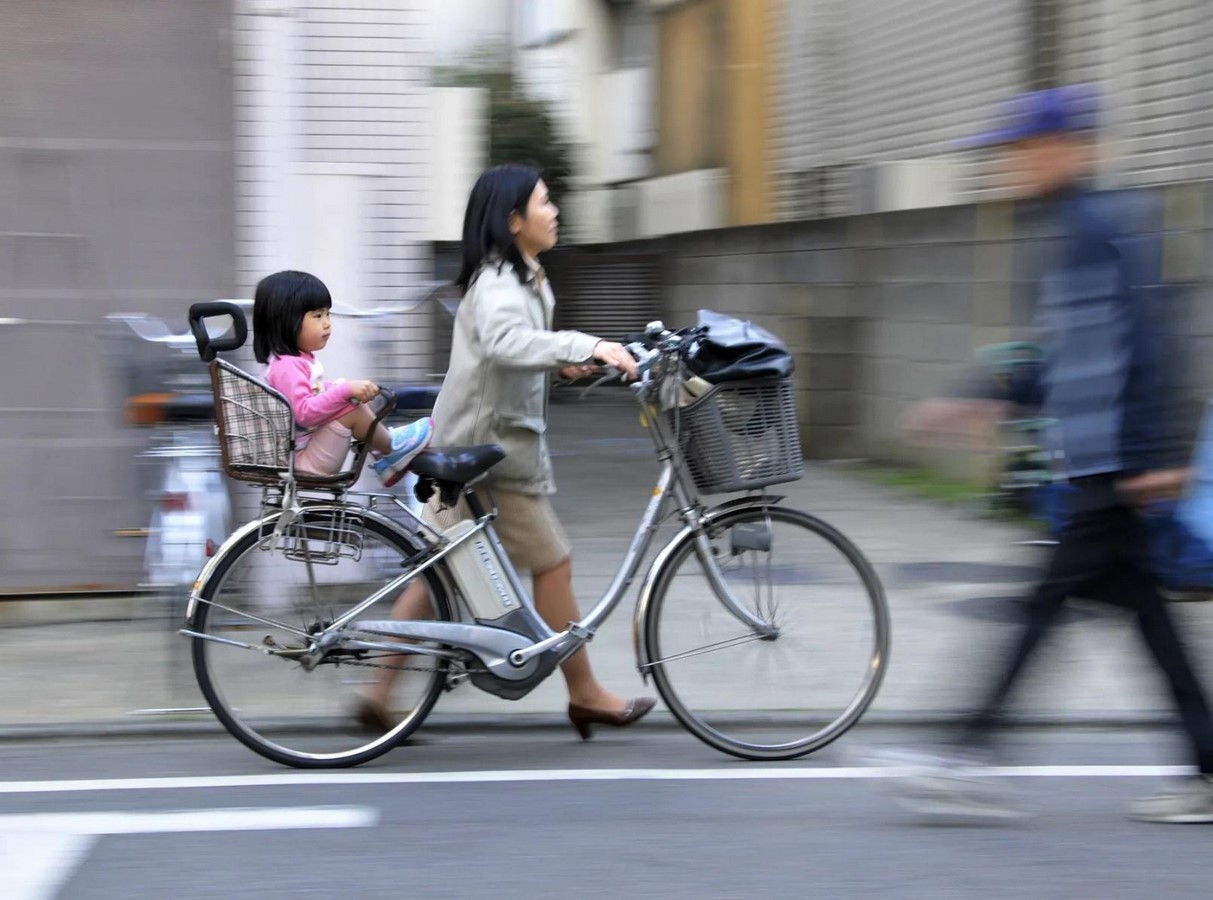
“Trip-chaining” is a sequence of brief journeys that are connected between major locations. So, the mobility pattern of a person who works for a living, takes care of dependents like children or an elderly family member, and performs household chores becomes complicated. According to research women are most likely to rely on nonmotorized vehicles or walking to complete their daily needs, as compared to men. This calls for consistent well-lit streets, well-connected public transport, legibility in design, and well-maintained sidewalks.
Core Principles of Feminist Design
While there are various governments making varied efforts to ensure the safety of women and children in the neighborhood, some of these crimes take place due to the design quality of urban space. As a direct result of inadequate urban and architectural design, girls, women, and members of gender and sexual minorities experience violence in our cities in public areas. Women in cities are denied access to fundamental rights as a result of the lack of safety in urban areas.
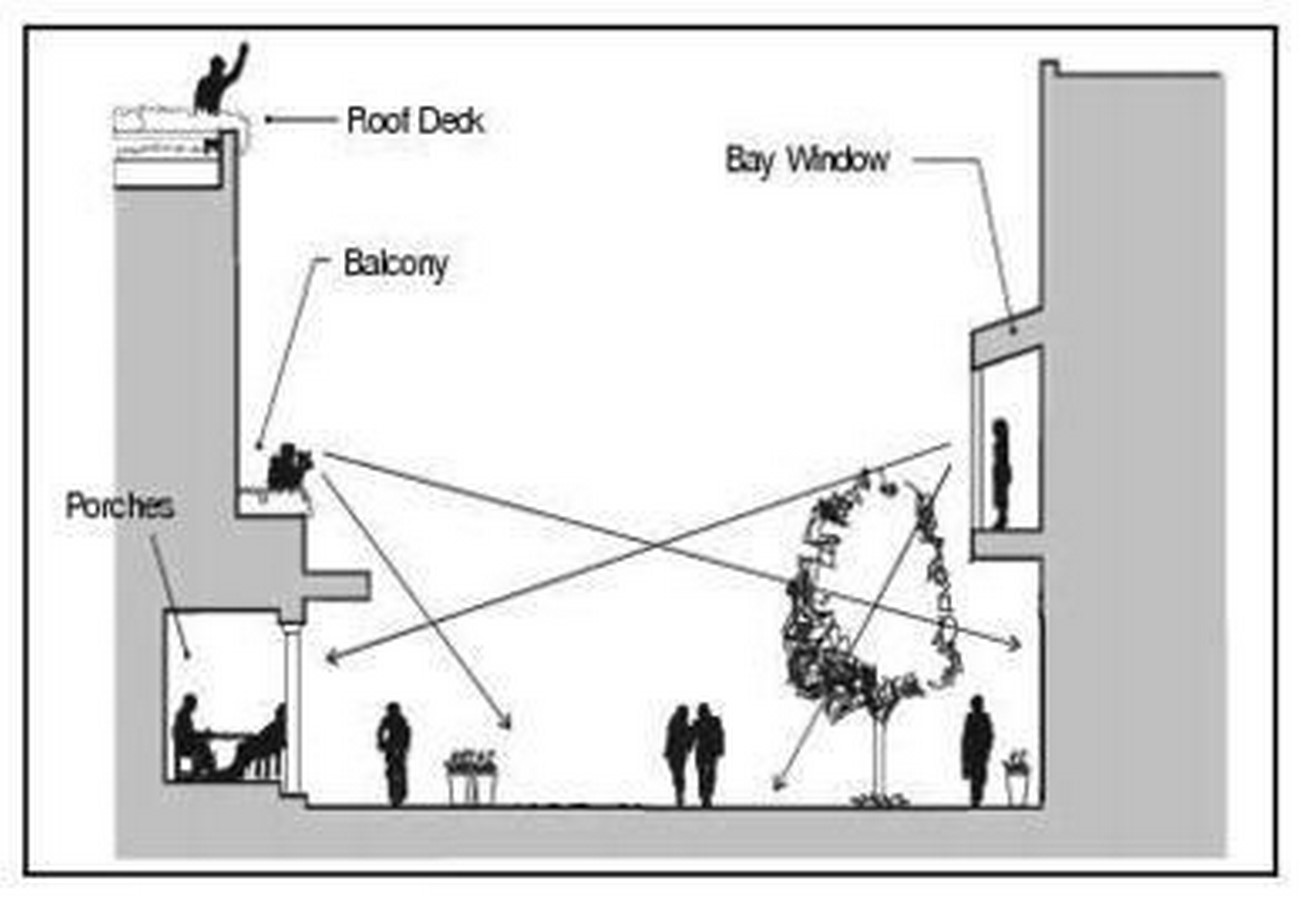
Every city must make investments in its physical infrastructure, which includes things like parks, dustbins, benches, well-lit streets, walkways, and free public restrooms that are available around the clock. Mobility infrastructure like nonmotorized transport, walkways, and sidewalks, which are well-lit, public transportation that guarantees more frequency, and well-maintained transportation stands are also important. The concept of an eye on the streets in mixed-used neighborhoods also plays a key role. The availability of public areas and services is directly related to the right to public space, and consequently, the right to the city.
A well-designed urban and architectural design would enable access to everything by foot or public transport. It would enable people to locate a variety of stores, requirements, and transportation irrespective of their gender, functional diversity, age, place, etc. It has to do with universal accessibility, particularly the sense of security that allows people to use the areas freely, safely, and whenever they want. It should create more inviting spaces so people are comfortable approaching and asking for help.
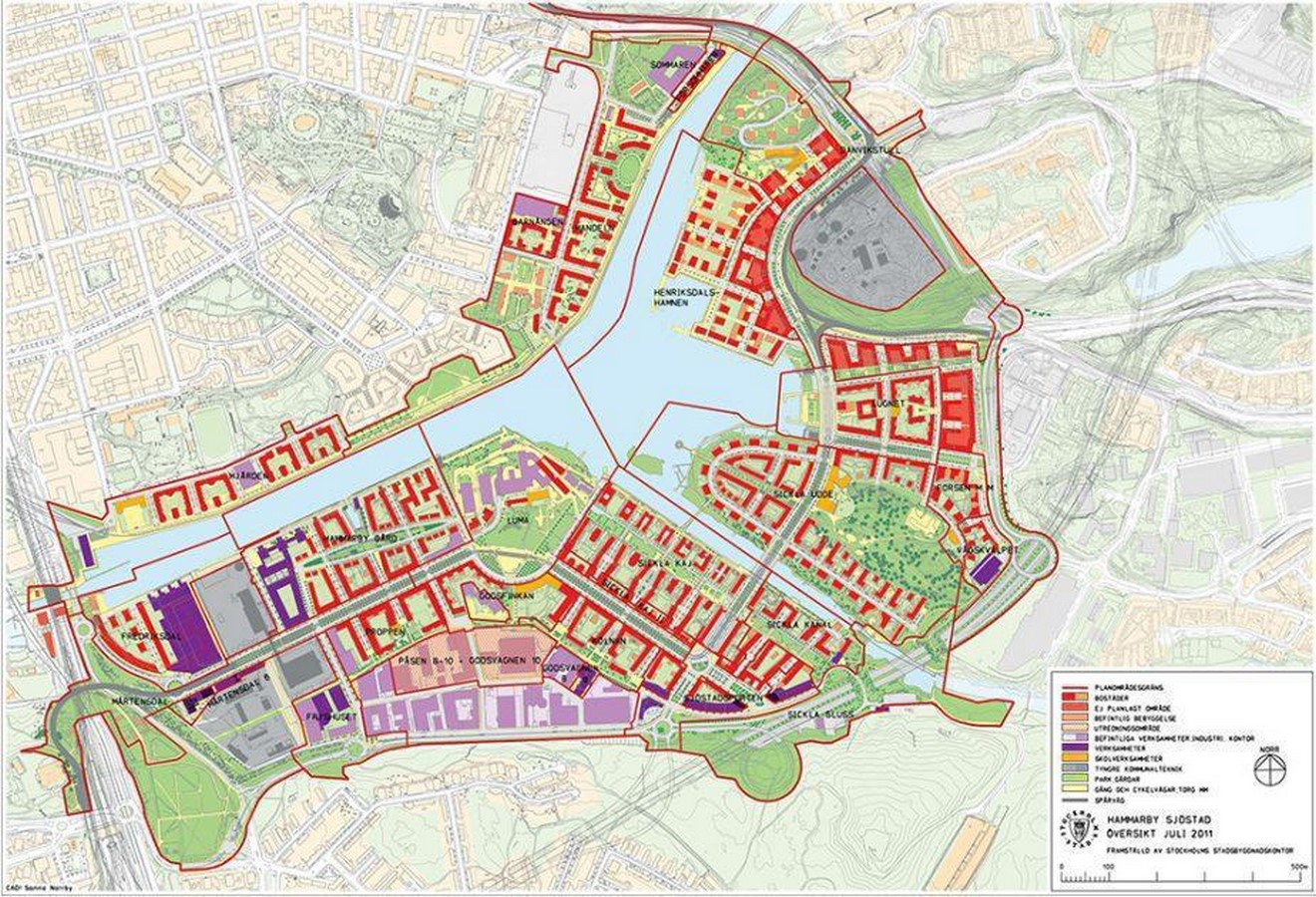
Redevelopment of Stockholm’s Hammarby Sjöstad
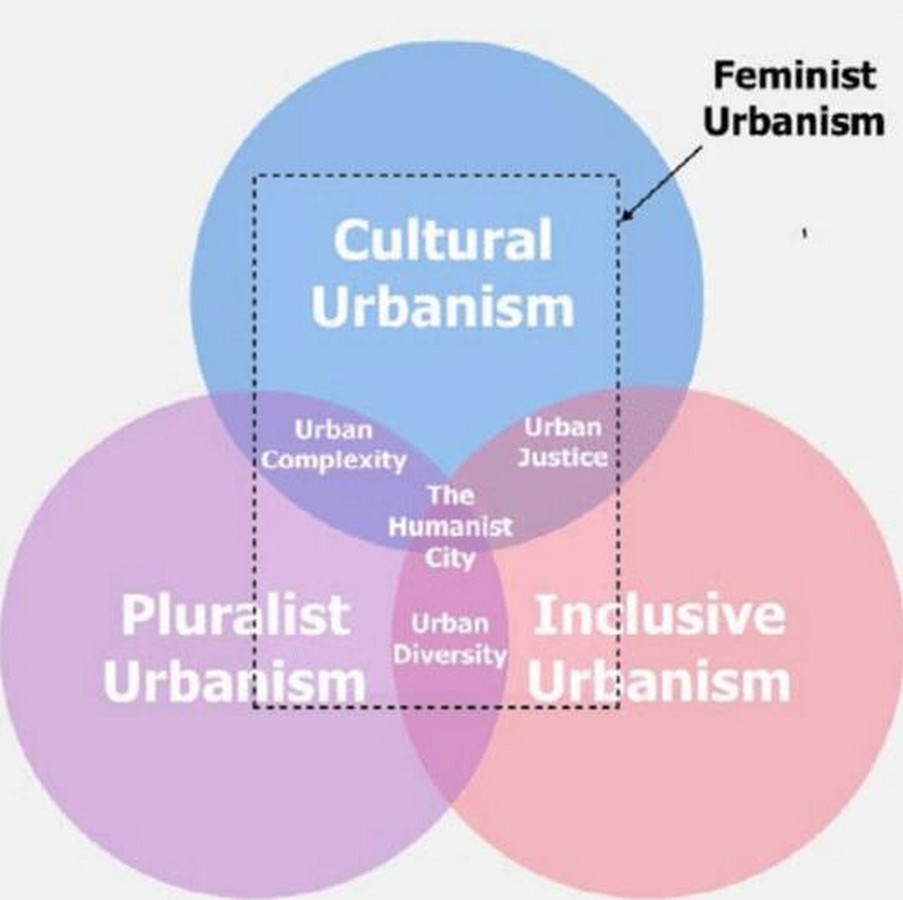
Feminist urbanism’s ideas stem from the concept that cities ought to be planned to promote social justice and equality. The objectives and aspirations of urban planning need to be reevaluated in the context of this argument.
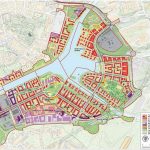
This is demonstrated by Stockholm, which launched a program on “Gender Equality in Urban Development” with the goal of achieving more equitable urban spaces. The rethinking of Hammarby Sjöstad, a former industrial area that has been converted into a sustainable mixed-use community, is one of the program’s major initiatives. Significant community interaction and participation played a key role in the planning process. As a result, a city quarter has been transformed into one that incorporates cheap housing, prioritizes varied public spaces, and supports bicycle and pedestrian infrastructure—aspects that have made it a model for fair urban development.
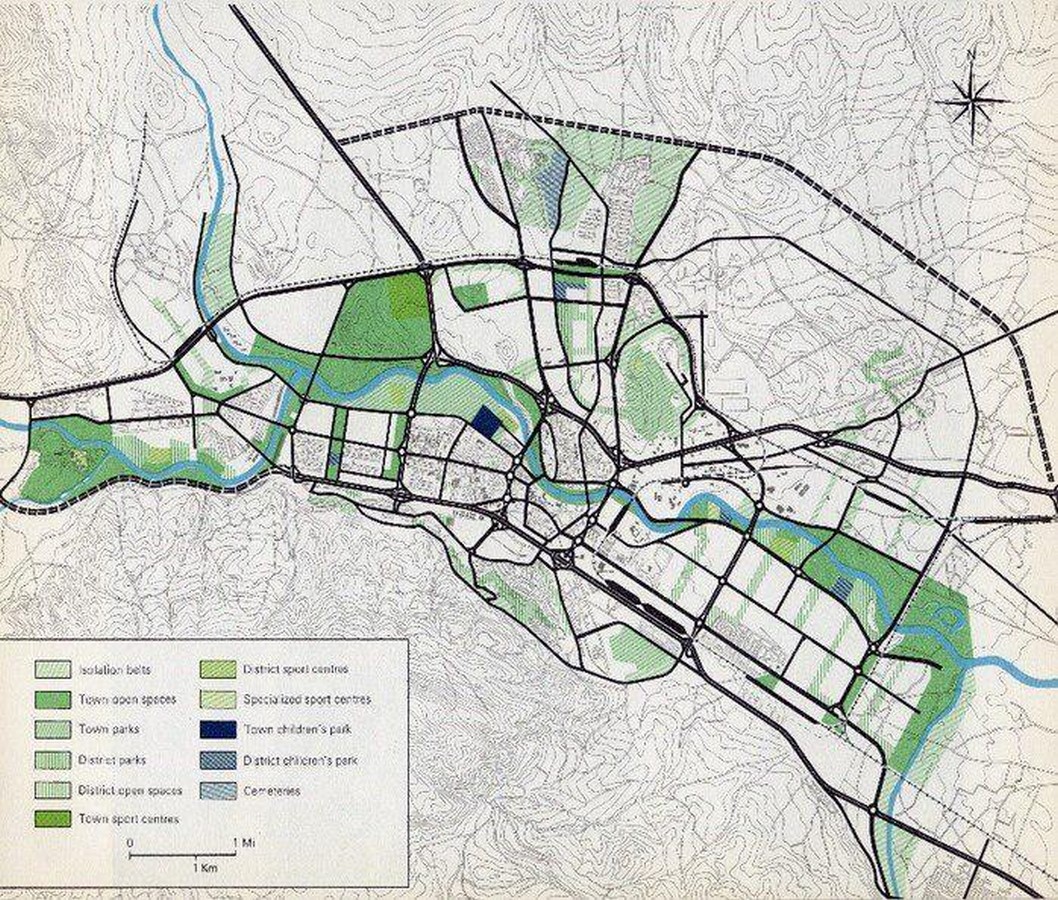
Redesigning Plaza de la Dignidad in Chile
The significance of intersectionality is also one key point in feminist urbanism and its focus. The understanding of intersectionality is that people’s experiences of the urban environment are shaped by their numerous, overlapping identities, including gender, race, class, and sexual orientation. This indicates that every individual using the public space faces a unique set of problems based on their overlapping identities.
The remodeling of Santiago, Chile’s Plaza de la Dignidad after the 2019 civil unrest serves as an illustration of intersectional urban planning. In addition to meeting functional requirements like better lighting, and accessibility, the urban and architectural design incorporates aspects that represent the cultural and social identities of these groups, such as traditional patterns and symbols of resistance.
The ability of urban and architectural design to adjust to the shifting demands of the urban populace and to address the environmental and social issues of the modern day will determine its destiny. Feminist urbanism is unquestionably one way to view cities as places of sustainability, equality, and inclusion. Feminist urbanists aim to build cities that are not only practical and effective but also fair and caring by emphasizing the needs and experiences of women and other oppressed groups.
Wikipedia Contributors (2025). Feminist urbanism. Wikipedia.
Urban Design lab. (2024). Feminist Urbanism Approach To Urban Planning. [online] Available at: https://urbandesignlab.in/feminist-urbanism-approach-to-urban-planning/?srsltid=AfmBOoroyuzPgRCZrAFDwtZMhAUwI_6gecUVSDeOBnmCWm2yO8PKmn5W [Accessed 9 Mar. 2025].
Wikipedia Contributors (2024). Matrix Feminist Design Co-operative. Wikipedia.
Vidhi Centre for Legal Policy. (n.d.). Making a Feminist City – Planning Safety and Autonomy for Women. [online] Available at: https://vidhilegalpolicy.in/research/making-a-feminist-city-planning-safety-and-autonomy-for-women/.
What is feminist urbanism? – Right to the city. (n.d.). Right to the city. [online] Available at: https://www.right2city.org/news/espanol-que-es-el-urbanismo-feminista/.