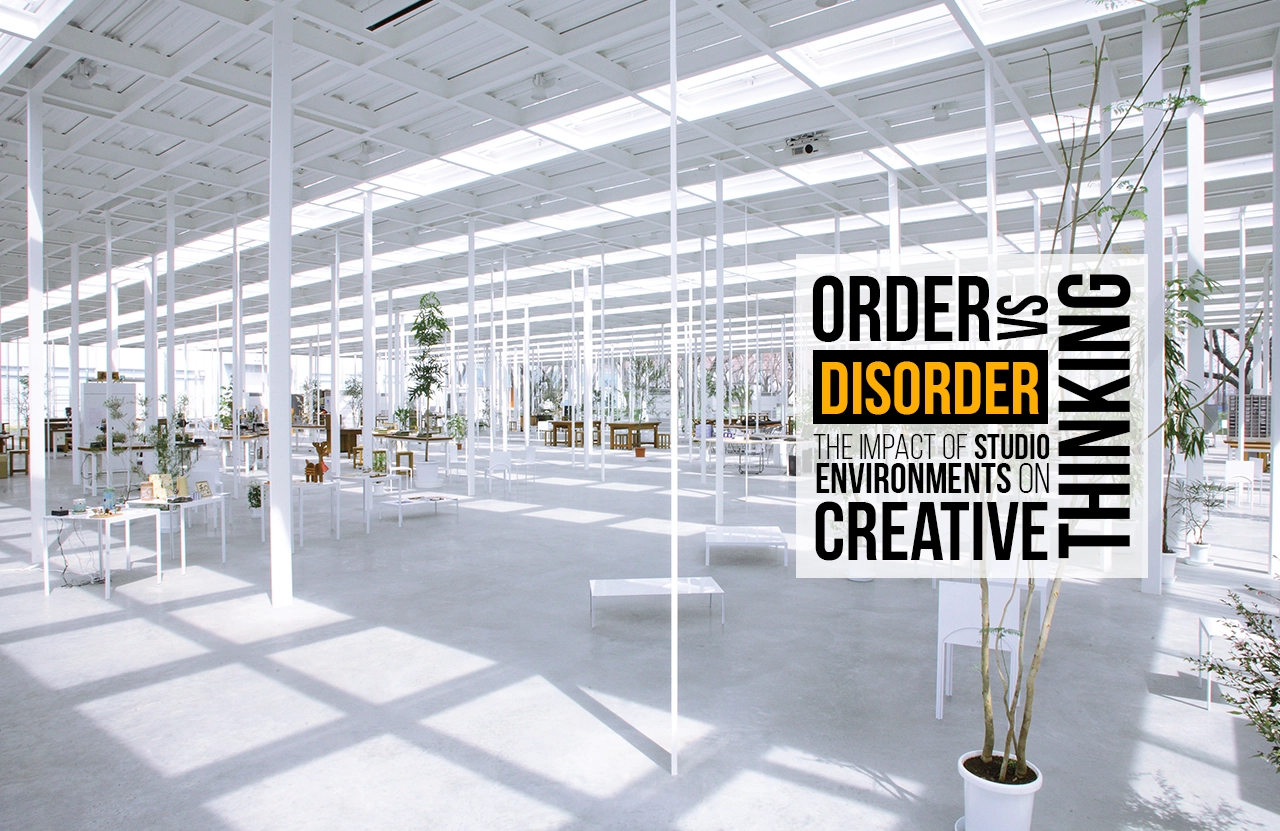
Creative thinking is not a random occurrence, it is deeply affected by the influence of the physical and psychological environment around an individual. For artists, designers and architects, the studio is more than just a workspace; it is a dynamic ecosystem where ideas are born, tested, and transformed. The condition of this environment plays a very significant role in shaping creative thinking. While order in the space brings clarity and efficiency, disorder tends to encourage experimentation and innovation. Understanding this relationship between these contrasting environments help individuals to cultivate spaces that enhance their creative potential.
The Relationship Between Environment and Creative Thinking
Creative thinking involves the ability to generate new ideas, and approach problems in an innovative way. This process is highly sensitive to external stimuli, including spatial organization, lighting, textures, and even the arrangement of objects within a studio.
An organized or orderly environment tends to promote linear thinking, where ideas follow a structured path. In contrast a disorganized or cluttered environment supports nonlinear thinking, allowing ideas to branch out in unexpected directions. Both of these ways are essential in the creative process, and neither one of them is sufficient. Instead, their interaction shapes a more holistic creative experience.
Order as a Catalyst for Focus and Precision
An orderly studio environment is characterized by categorized materials with minimal distractions. Such spaces are often associated with discipline, control, and clarity. When everything is systematically arranged, the mind experiences less cognitive overload, allowing it to focus more effectively on tasks. In architecture and design, order is generally beneficial in phases of that required precision and accuracy. Activities like drafting, technical drawing and digital modeling demand a good amount of concentration and clear mental framework.
Furthermore, order can enhance the process of time management. When tools are easily accessible it reduces time waste and increases productivity. This efficiency allows more time for actual creative thinking rather than logistical management.
So, an organized environment supports these tasks by maintaining an uninterrupted workflow. However, while order promotes efficiency, it may also impose limitations.a highly controlled environment might discourage risk-taking and spontaneity. Creative thinking, by nature requires breaking away from rigid structures but an overly confined space subconsciously reinforces the same.
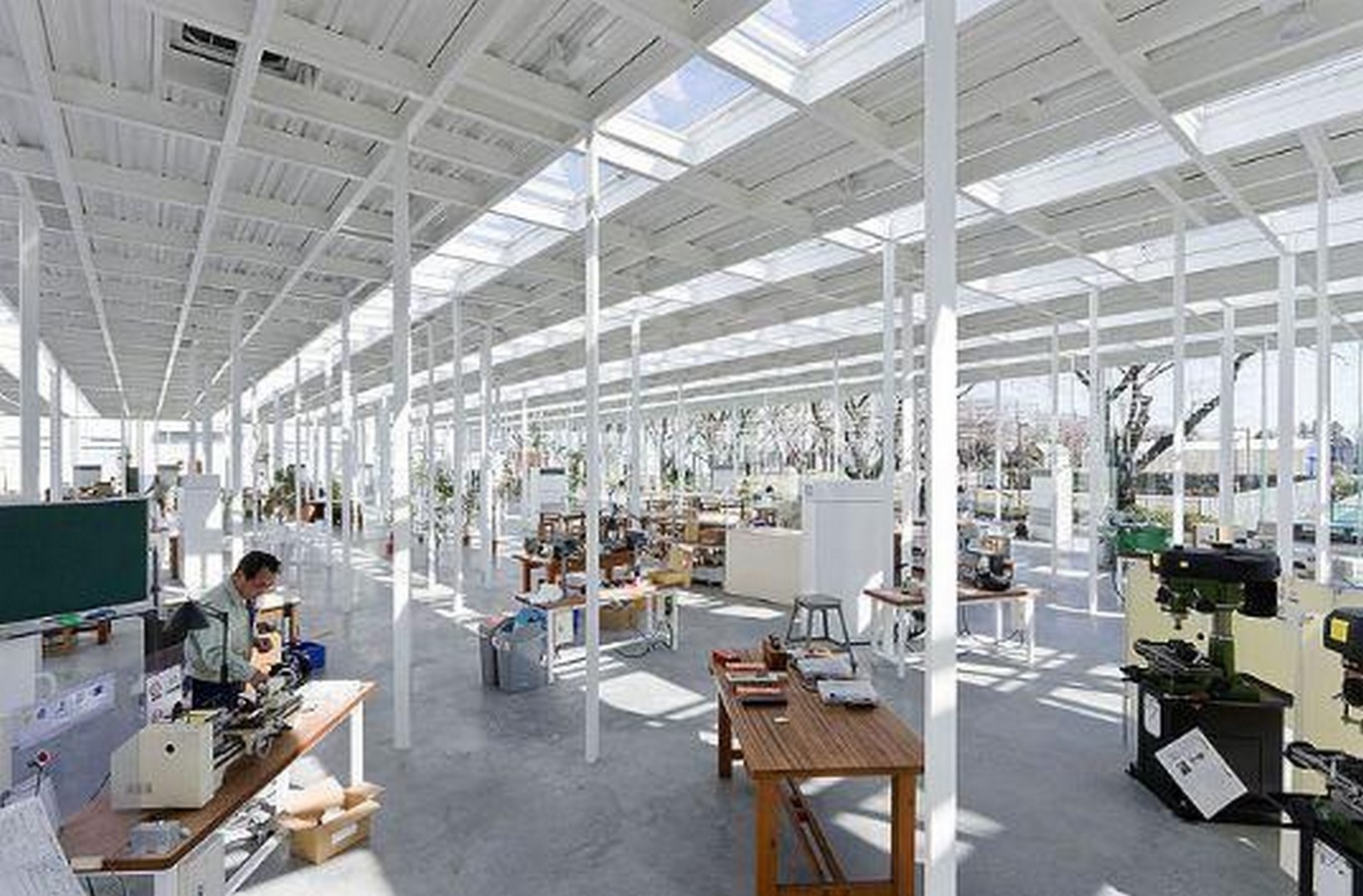
Disorder as a Source of Inspiration and Innovation
In contrast, a disorderly studio environment is often filled with scattered sketches, open materials, unfinished models, and overlapping ideas. While this may appear chaotic, it can serve as a fertile ground for creative thinking. Disorder introduces a variety of stimuli that can trigger unexpected associations. For example, a partially completed model placed next to unrelated sketches might inspire a new concept or design direction. This randomness encourages divergent thinking, where multiple possibilities are explored simultaneously.
Many creatives find that disorder allows them to think more freely. Without the constraints of strict organization, they can experiment, make mistakes, and explore unconventional approaches. This freedom is essential during the early stages of design, where ideas are still fluid and undefined. Additionally, disorder can reflect the iterative nature of the creative process. Design is rarely linear; it involves revisiting, revising, and reinterpreting ideas. A cluttered space often mirrors this complexity, acting as a visual record of the creative journey.
However, excessive disorder can become counterproductive. When clutter reaches a point where it causes confusion or stress, it can hinder creative thinking rather than support it. Difficulty in locating materials or navigating the workspace may disrupt the flow of ideas.
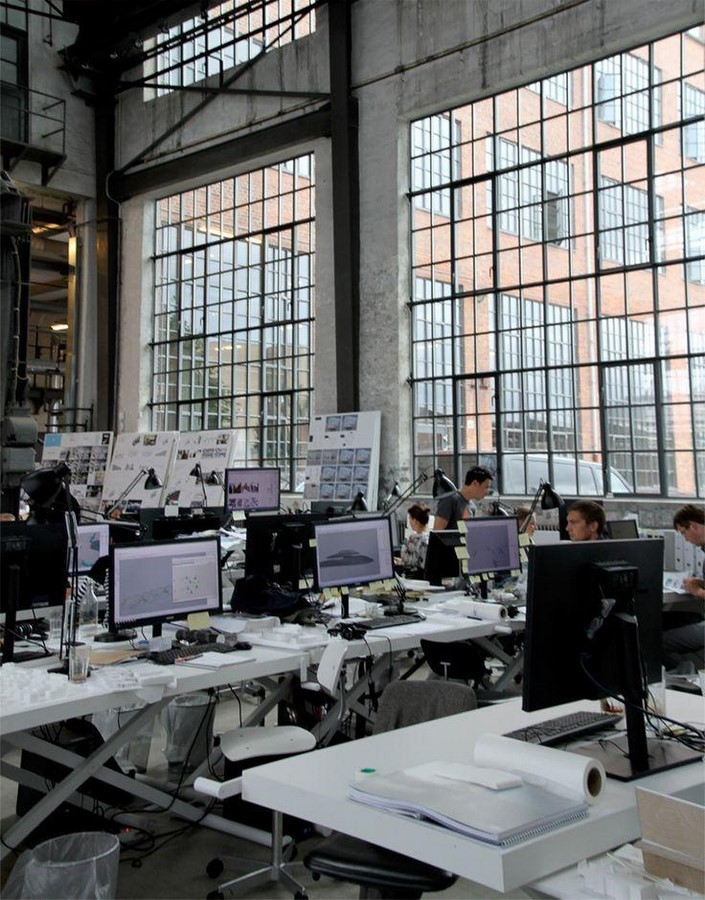
The Dynamic Balance Between Order and Disorder
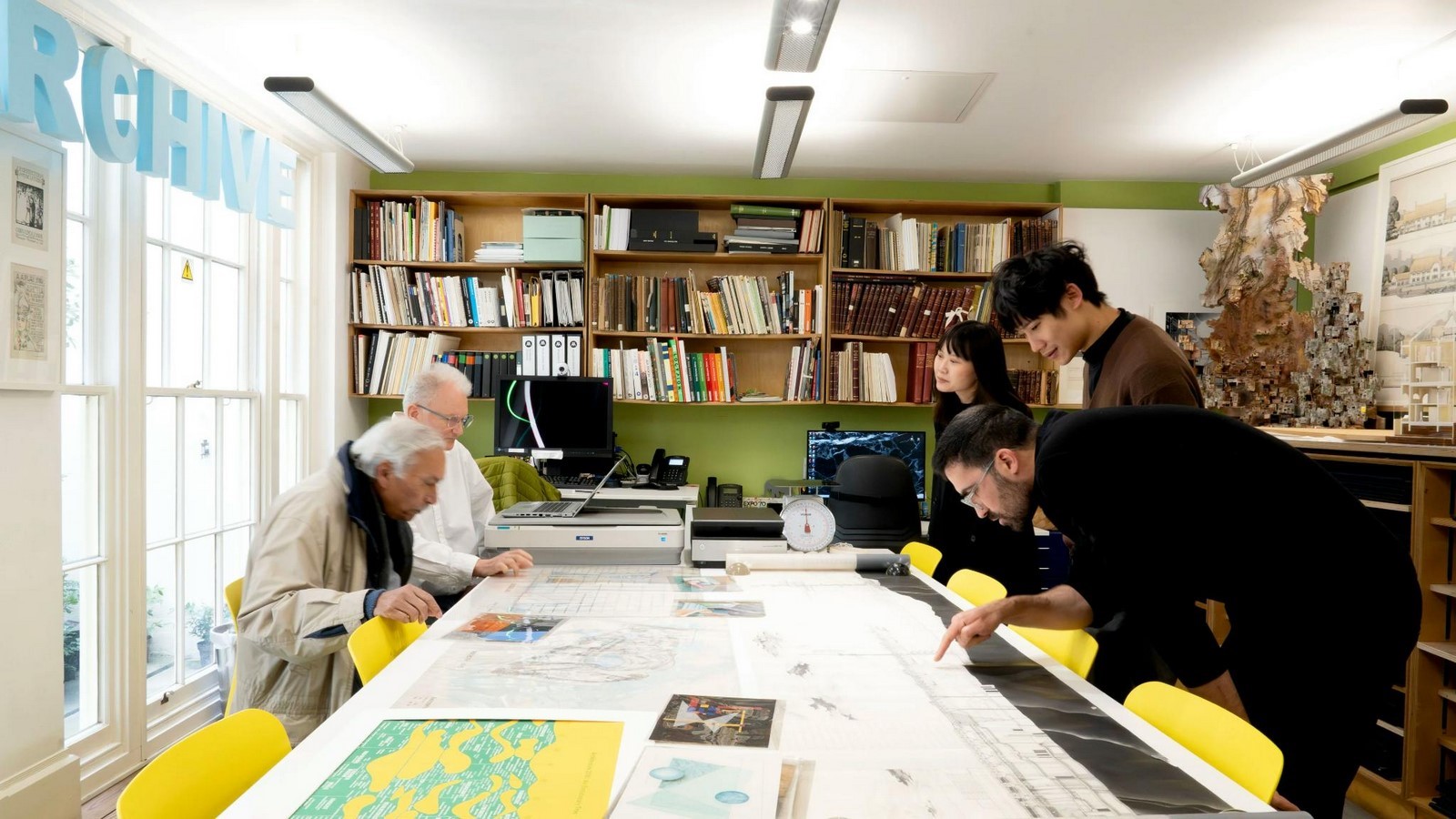
Rather than viewing order and disorder as opposing forces, it is more productive to see them as complementary aspects of the creative process. Effective studio environments can integrate both these elements, allowing individuals to sense a difference between structured and unstructured modes of thinking. For instance, a designer might maintain an organized workstation for technical tasks while dedicating another area for brainstorming and experimentation. This spatial division enables the mind to adapt to different phases of creative thinking.
Periodic reorganization is also important. Resetting the workspace can provide a sense of change and clarity, helping individuals transition from one stage of a project to another. At the same time, preserving certain elements of disorder—such as ongoing sketches or material explorations—can maintain continuity in the creative process.
Personalization further enhances this balance to a deeper state. Incorporating elements such as mood boards, inspirational images, textures, and personal artifacts can enrich the environment without necessarily creating clutter. These elements act as visual cues that stimulate creative thinking while maintaining a sense of order.
Studio Environment as a Reflection of the Mind
The way an individual organizes their studio often reflects their cognitive style. Some people prefer minimal, structured environments that support focused and analytical thinking. Others thrive in vibrant, cluttered spaces that encourage exploration and imagination. There is no universally ideal studio condition. Instead, the effectiveness of an environment depends on how well it aligns with the individual’s creative process. Recognizing one’s preferences and working habits is essential in designing a space that enhances creative thinking.
For architecture students, this awareness is particularly important. Studio culture often involves long hours, collaborative work, and iterative design processes. A well-balanced environment can significantly impact not only productivity but also mental well-being.
Implications for Design Education and Practice
Understanding the impact of studio environments on creative thinking has broader implications for design education and professional practice. Educational institutions can create flexible studio spaces that accommodate both order and disorder, providing students with the freedom to explore different working styles.
Similarly, professional design studios can benefit from incorporating adaptable workspaces that support collaboration, focus, and experimentation. By recognizing the diverse needs of creative individuals, these environments can foster innovation and improve overall performance.
Order and disorder are not mutually exclusive but go hand in hand in the realm of creative thinking. Instead, they function as interconnected forces that shape the creative process. Order provides the structure necessary for clarity, precision, and efficiency, while disorder introduces the freedom required for exploration, experimentation, and innovation.
The most effective studio environments are those that embrace this duality, allowing individuals to navigate between control and chaos. By consciously designing and adapting their workspaces, creatives can enhance their ability to think, create, and innovate. Ultimately, the studio becomes more than a physical space—it transforms into a reflection of the mind, where the balance between order and disorder defines the depth and quality of creative thinking.
REFERENCES:
- Csikszentmihalyi, M. (1996) Creativity: Flow and the Psychology of Discovery and Invention. New York: HarperCollins.
- Harvard Business Review (2019) The impact of workplace design on productivity. Available at: https://hbr.org (Accessed: 19 April 2026).
- BBC Worklife (2018) Why messy desks can be good for creativity. Available at: https://www.bbc.com/worklife (Accessed: 19 April 2026).
- Interaction Design Foundation (2020) What is design thinking? Available at: https://www.interaction-design.org/literature/topics/design-thinking (Accessed: 19 April 2026).