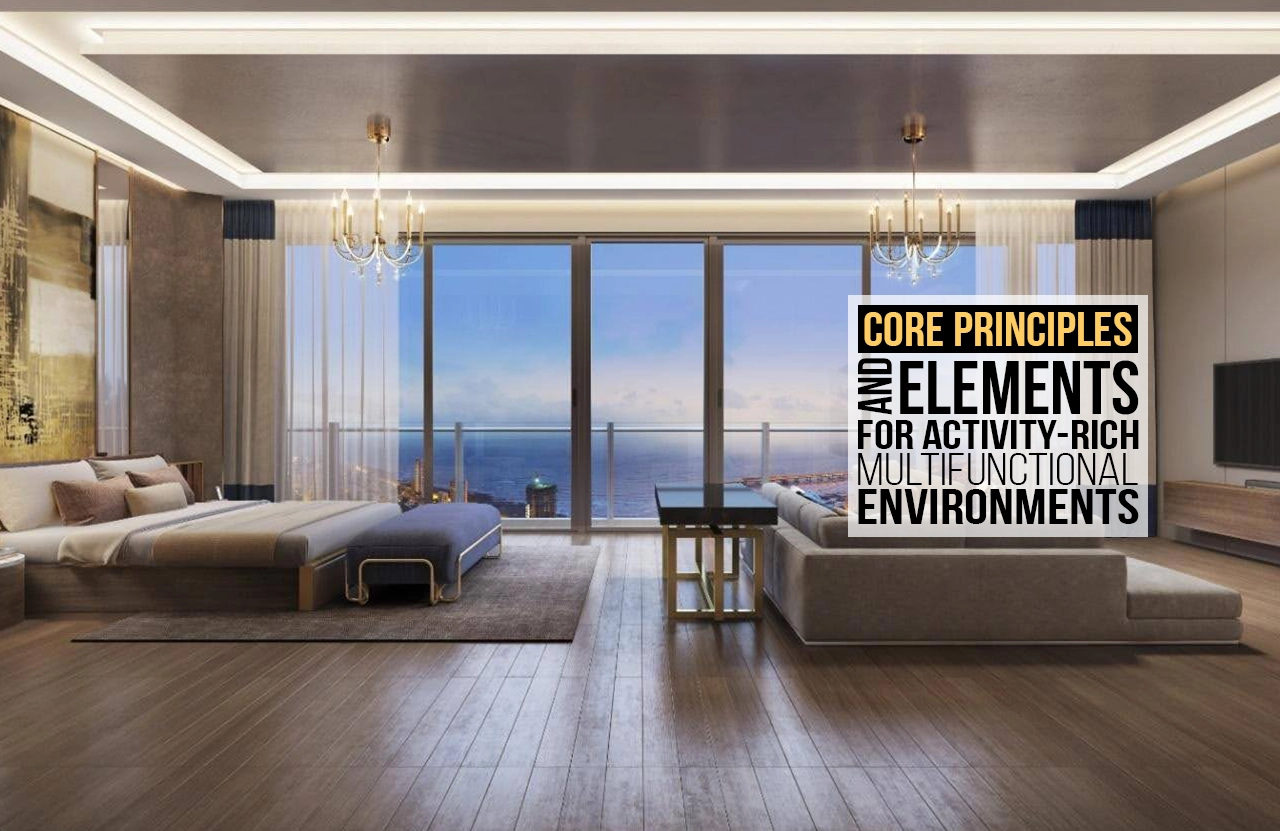
To be multifunctional is to serve a range of purposes facilitated by a single space. The potential this sole space offers determines the level of integration possible across functions, user needs, efficiency, and an individual’s overall well-being.
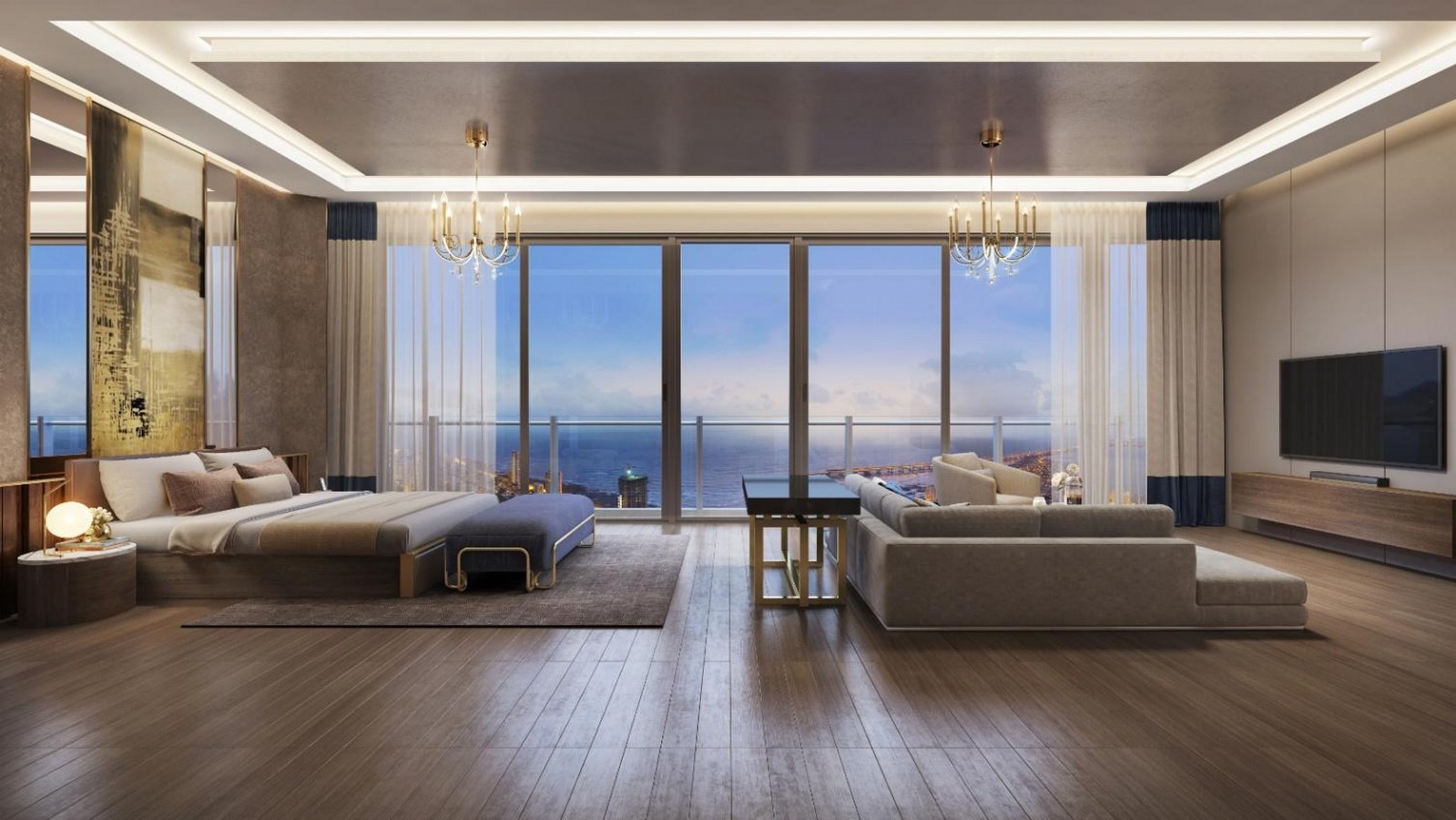
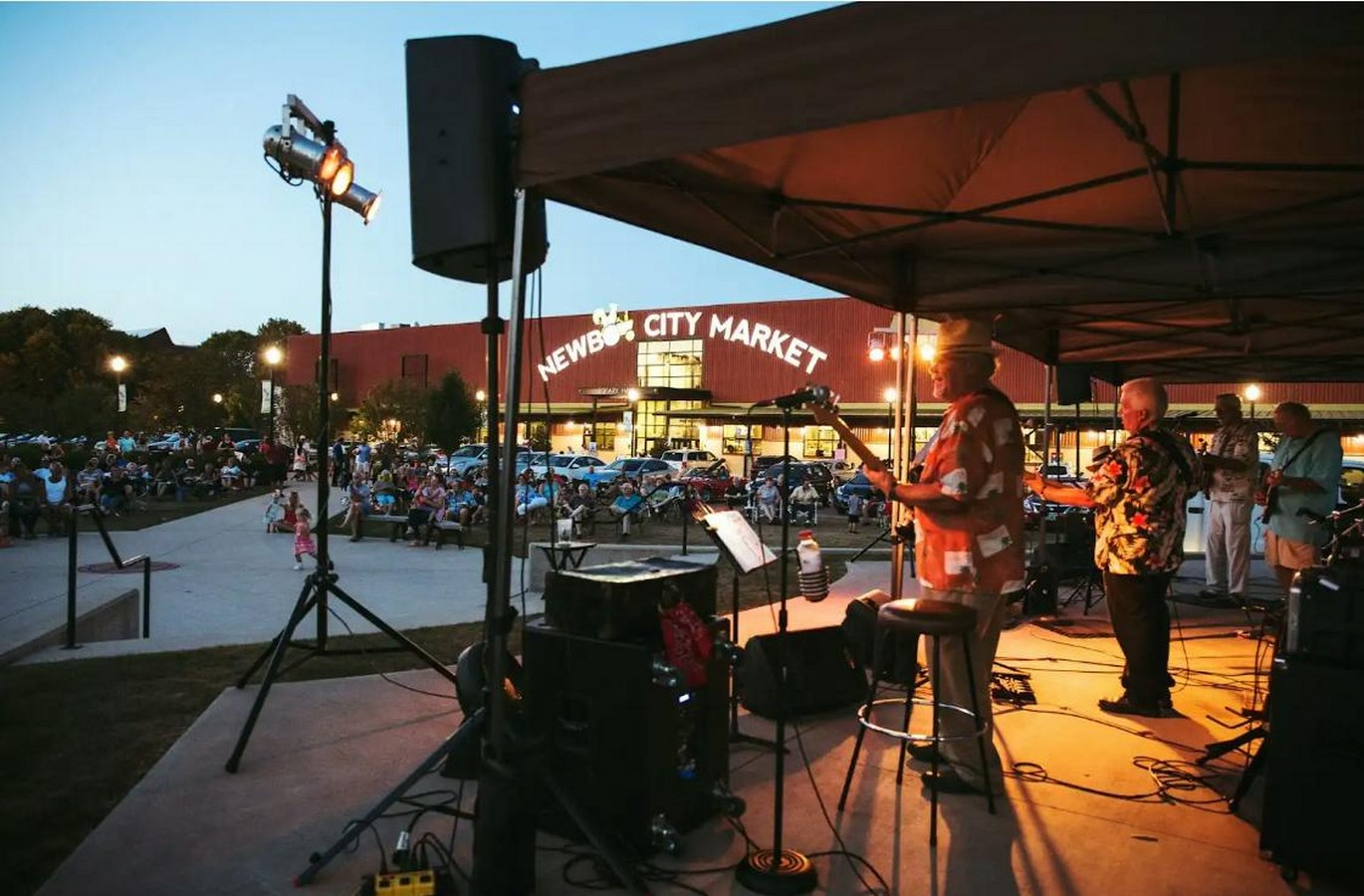
Being surrounded by familiar activities that are often repeated in a community makes an individual feel at ease. For this familiarity to grow, it’s essential to provide opportunities for social interaction through design elements that bring life to the buildings one encounters every day. (ETTEH, 2016)
The concept of multifunctional spaces isn’t unheard of; rather, it has recently gained popularity owing to the rise in demand for flexibility, remote work, and multi-generational living, to name a few. Given the ancient residences, they served as places of stay, work, and the sale of goods, which evolved naturally over time.
If one were to have a glimpse into medieval cities, they would see a strong craft-based economy (blacksmiths, weavers, carpenters, etc.). Due to the economy and the lack of modern transport systems, the commute proved too long, so a walk was required. Thus, there was a strong need for workspaces and residences within the city, leading to an increase in city density. Medieval houses served multiple purposes: the ground floor was a shop for their craft or trade, and the upper floors were living spaces. Thus, the city’s urban form was shaped by the limits of walking distance. (Zhukova and Barsukova, 2023)
What Principles determine a Multifunctional Environment?
What can one comprehend from the word ‘function’?
“Function is derived from the Latin word ‘functio’ – meaning performance, activity, commission. It can be described as the role of an object within a certain system, its work, duty, range of actions.”
In the field of design, function can be associated with the concept of “purpose,” i.e., the sequence of events and states in any phenomenon or type of activity. (Zhukova and Barsukova, 2023)
Some of the principles that drive a multifunctional environment are:
1) Transformation in terms of flexible layout planning:
With no hassle of breaking down heavy structures to accommodate another function, a clear layout within the spaces will enable one to define clean circulation paths, open planning, and smooth transitions between activities, whether social, work, or events.
2) Movement from relationships: In terms of modular and movable furniture:
The concept of modular furniture revolves around its ability to be configured into multiple combinations to support different actions or functions related to the furniture’s core intent. This approach uses standard sizes and units that can be mass-produced and are easy to assemble, rearrange, or customise.
3) Interaction between spaces: i.e., smart zoning incorporating movable partitions:
How does one differentiate between spaces if permanent partitions are not to be incorporated? The creation of visual boundaries helps in this regard; i.e., through the placement of furniture, ceiling design, flooring, and material textures, thereby enabling the coexistence of different activities within one space.
4): Essential aspects for comfort, i.e., acoustic control, lighting and privacy:
A multifunctional environment is all the more enriched by bringing control over the acoustics, lighting and privacy factors within that space. For example, using a single standard lighting scheme across the spaces can prove monotonous to the diverse user groups that will eventually use them. A light source that can be adjusted to the activity at hand can help reduce distractions and increase focus while still allowing social interaction in the same space. (Zhukova and Barsukova, 2023)
Feature Elements that Promote a Multifunctional Environment
Making the most of the Available space:
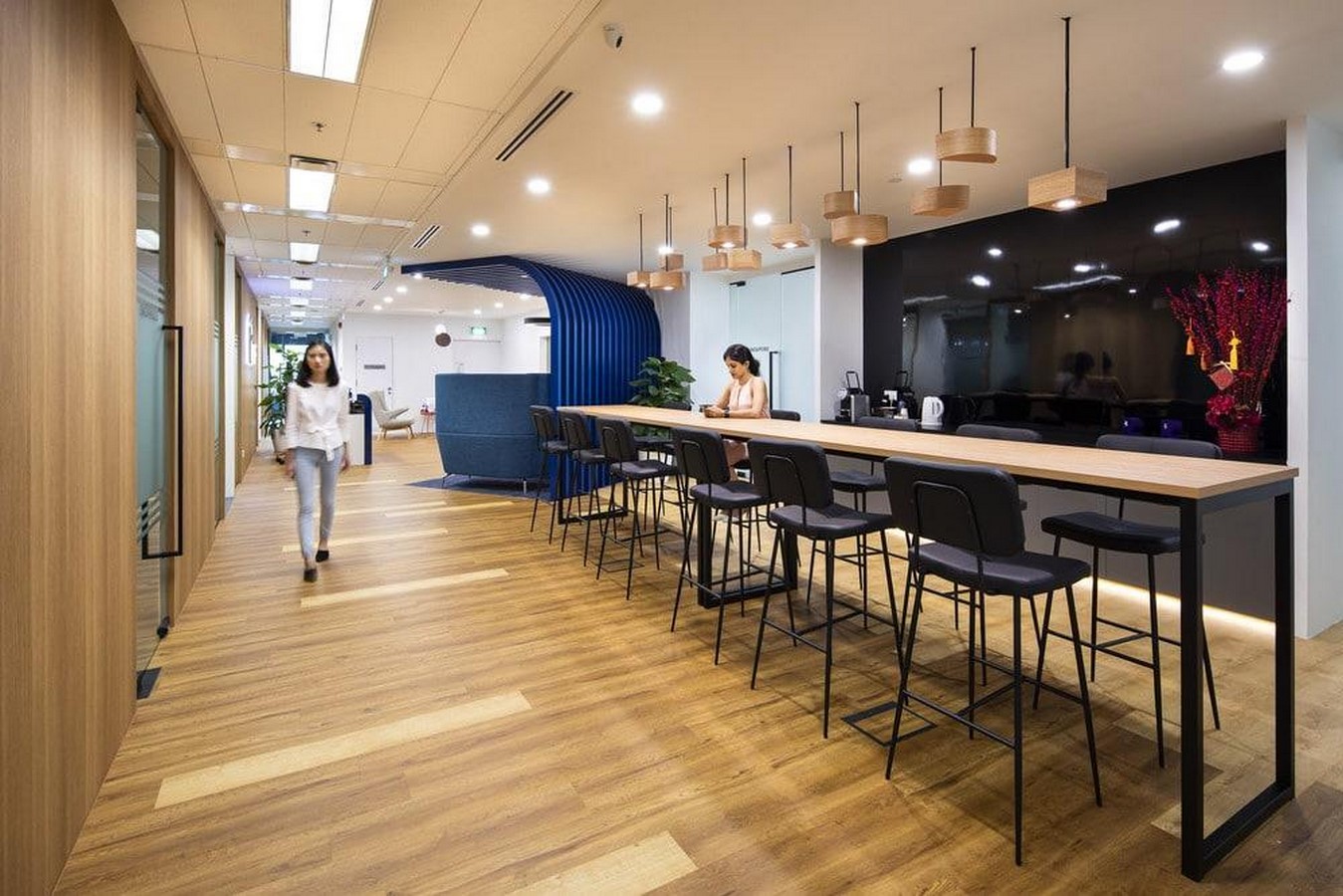
While the concept of multifunctionality can sound like a tightly crammed space, it emphasises making efficient use of the available space. The availability of vertical spaces is not for nought, where the vertical elements – walls can themselves act as storage spaces, or feature cabinets that reach the ceiling, thereby clearing the floor space below. It is not uncommon to also include integrated storage spaces within beds, tables and related furniture. With that said, it isn’t always necessary to include storage spaces in every visible empty space; a balance must be struck to provide a visual break – i.e., allowing negative space to quietly exist simultaneously.
Mezzanine and loft spaces can help optimise vertical space while enhancing the visual appeal or comfort of the space. (Osca, 2026)
Approaching Space Planning:
Before venturing into the layers of crafting multifunctional environments, a clear identification of the activities being incorporated into the space is required. Additionally, one must also take into account the kind of zoning needed for each function- be it a quiet space that requires soundproofing for recording instruments, for example, or a warm, lit space to hold client meetings, etc.
A core feature that cannot be ignored is circulation – the way one distributes the space to allow a smooth transition between spaces can, in turn, prevent any confusion in movement between spaces. (Osca, 2026)
Multifunctional environments are not without challenges. Addressing them at the initial planning stages by having a well-thought-out schedule will help prevent conflicts in their use later. Similarly, in spaces that serve multiple functions, such as a living room and office, there can be a clash between the need for quiet and for interaction. Here, acoustic materials, soundproofing elements, and movable partitions can prove useful. Multifunctional environments are definitely on to evolving constantly with the changing times. These are environments that truly compel a designer or user to take a step back and re-examine how differently one can approach incorporating functions at different or the same times of day. It certainly invites individuals to ponder the actual necessities of daily life!
-
Online sources:
Citations for websites:
ETTEH, D. (2016). Adaptable, Multi-Functional Spaces. [online] A Book published by LAP Lambert Academic Publishing. Available at: https://www.academia.edu/64708244/Adaptable_Multi_Functional_Spaces [Accessed 16 Apr. 2026].
Fidanci, E.A. (2023). Modular Furnitures in Modern Architecture. [online] illustrarch. Available at: https://illustrarch.com/articles/18361-modular-furnitures-in-modern-architecture.html.
HJDM, U. (2024). Multifunctional and Flexible Spaces : Where functionality meets creativity. [online] JD Institute of Fashion Technology . Available at: https://www.jdinstitute.edu.in/multifunctional-and-flexible-spaces-where-functionality-meets-creativity/ [Accessed 16 Apr. 2026].
Ingla, F. (2024). Multifunctional Spaces: What Are They and How to Optimize Space? [online] Pedra. Available at: https://pedra.ai/blog/multifunctional-spaces.
Osca (2026). OSCA Asia. [online] OSCA Asia. Available at: https://www.osca.asia/multifunctional-spaces/ [Accessed 16 Apr. 2026].
Peinhardt, K. (2023). Uses & Activities: How to Create Multi-Purpose Places. [online] www.pps.org. Available at: https://www.pps.org/article/uses-activities.
Writer , S. (2021). Multifunctional Living: A Smart Solution Guide to Design Versatile Spaces – Architect and Interiors India. [online] Architect and Interiors India. Available at: https://www.architectandinteriorsindia.com/insights/22996-multifunctional-living-a-smart-solution-guide-to-design-versatile-spaces [Accessed 16 Apr. 2026].
Zhukova, I. and Barsukova, N.I. (2023). Multifunctionality as a Basic Principle of Design. Культура и искусство, 10.7256/2454-0625.2023.3.39940(3), pp.25–40. doi:https://doi.org/10.7256/2454-0625.2023.3.39940.
-
Images/visual mediums:
Citations for images/photographs – Print or Online:
Fidanci, E.A. (2023). Modular Furnitures in Modern Architecture. [online] illustrarch. Available at: https://illustrarch.com/articles/18361-modular-furnitures-in-modern-architecture.html.
Osca (2026). OSCA Asia. [online] OSCA Asia. Available at: https://www.osca.asia/multifunctional-spaces/ [Accessed 16 Apr. 2026].
Peinhardt, K. (2023). Uses & Activities: How to Create Multi-Purpose Places. [online] www.pps.org. Available at: https://www.pps.org/article/uses-activities.
Writer , S. (2021). Multifunctional Living: A Smart Solution Guide to Design Versatile Spaces – Architect and Interiors India. [online] Architect and Interiors India. Available at: https://www.architectandinteriorsindia.com/insights/22996-multifunctional-living-a-smart-solution-guide-to-design-versatile-spaces [Accessed 16 Apr. 2026].