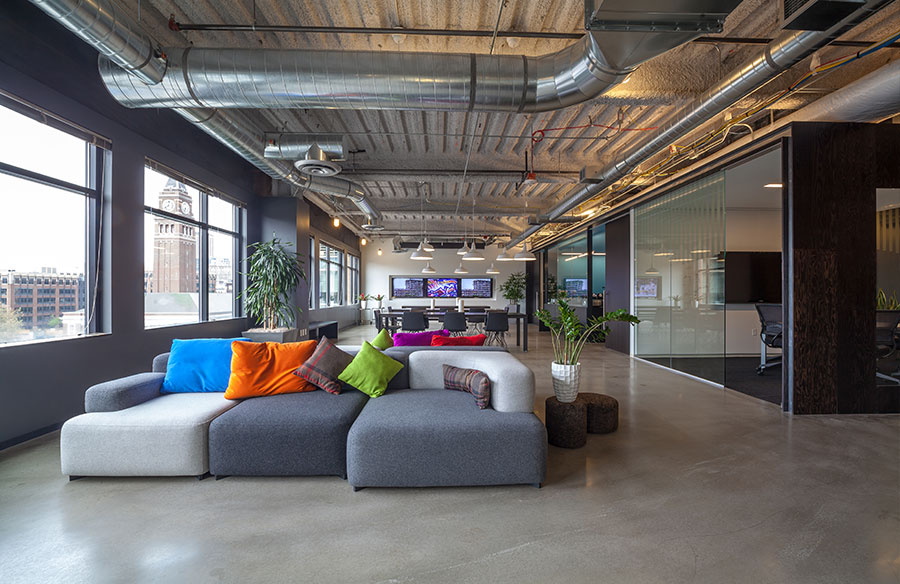
As businesses evolve and employee expectations change, creating a workspace that fosters well-being has become an essential part of modern office design. Gone are the days when office design simply focused on aesthetics or maximizing space. Today, businesses are focusing on creating work environments that support the physical, mental, and emotional health of their employees. The integration of ergonomic furniture, smart technology, and thoughtful design elements is key to future-proofing workspaces and ensuring long-term productivity and employee satisfaction. For example, monitor arms are a simple but effective addition to any office, helping employees maintain better posture and reduce strain during the workday.
In this blog, we’ll explore how innovative office design can improve employee well-being, boost productivity, and help businesses adapt to the changing landscape of work.
The Role of Ergonomics in Employee Well-Being
Ergonomics plays a central role in designing workspaces that prioritize employee well-being. Comfortable, supportive workstations reduce the risk of injury and discomfort, leading to happier, more productive employees. The introduction of adjustable desks, ergonomic chairs, and monitor arms allows employees to personalize their workspace according to their needs. This flexibility ensures that everyone can work in a way that supports their physical health.
Ergonomically designed workstations encourage good posture and reduce common issues like back pain, neck strain, and eye fatigue. By investing in adjustable furniture and ergonomic accessories, companies show their commitment to employee health and create a work environment where people can thrive.
Integrating Flexibility and Hybrid Workspaces
The rise of hybrid work models has introduced new challenges in office design. As employees work from home or split their time between remote and in-office work, businesses must design spaces that are flexible enough to support both environments. Flexible workstations, mobile furniture, and adjustable features allow employees to transition smoothly between different work settings. This approach not only supports physical health but also empowers employees to design their ideal workspace for each day.
Creating a hybrid-friendly workspace means offering employees the tools and technology they need to work efficiently, regardless of where they are. This could include adjustable desks, collaborative spaces for team meetings, and quiet areas for focused work. Investing in versatile, adaptable office designs ensures that companies can maintain productivity while offering employees the flexibility to work in ways that suit their preferences and needs.
Incorporating Natural Elements for Mental Well-Being
Incorporating natural elements into office design has become a popular trend that contributes to employee well-being. Known as biophilic design, this approach connects employees to nature through the use of plants, natural lighting, and organic materials. Studies have shown that incorporating greenery into workspaces reduces stress, improves air quality, and increases creativity.
Beyond plants, office spaces can include natural wood finishes, stone, and sustainable materials that create a warm, calming atmosphere. Natural light is also critical for maintaining energy levels and promoting mental health. As such, designing workspaces with large windows or using lighting solutions that mimic natural daylight can help employees feel more connected to the world outside and improve their overall mood and productivity.
Smart Technology and Wellness Solutions
As the workplace becomes more tech-driven, smart technology is playing an increasing role in improving employee well-being. From air quality sensors to adjustable lighting systems, technology can create an environment that enhances comfort and productivity. Many modern offices now include smart thermostats, voice-activated systems, and apps that allow employees to control their workspace environment with ease.
Technology also plays a role in monitoring well-being. Wearable devices that track employee health metrics—such as posture, heart rate, or stress levels—can be integrated into the workplace. Companies can use these insights to create personalized wellness programs and adjust workspaces accordingly, providing employees with the tools they need to stay healthy and engaged.
Creating Collaborative Spaces That Foster Innovation
Innovation and collaboration thrive when employees feel comfortable and inspired. Office design should encourage collaboration by creating spaces that foster interaction and creativity. Open-concept workspaces, comfortable lounges, and collaborative meeting rooms provide employees with opportunities to work together in informal and formal settings.
However, collaboration doesn’t just happen in large meeting rooms. The design of individual workstations should also support collaborative work. For example, desks that are easily movable or adjustable can encourage team members to collaborate more effectively. These spaces should be designed to facilitate easy communication and encourage spontaneous idea-sharing, which is essential for driving innovation.
A Focus on Mental Health and Employee Well-Being
Mental health has become a top priority for companies looking to support their employees, especially in the wake of the pandemic. Innovative office design should include features that promote mental well-being, such as quiet rooms, meditation spaces, or even areas for physical activity. Providing employees with designated spaces where they can take a break, relax, or recharge is essential for reducing stress and avoiding burnout.
In addition to these physical spaces, companies should integrate mental health programs and support systems that are easily accessible. This could include employee assistance programs, mental health resources, or training for managers on how to support their teams’ emotional needs.
Final Thoughts
Future-proofing your workspace is more than just about keeping up with trends—it’s about creating an environment where employees can thrive physically, mentally, and emotionally. By investing in ergonomic furniture, smart technology, and flexible office design, companies can provide employees with the tools and resources they need to succeed. Whether it’s through the introduction of monitor arms, adjustable desks, or the integration of natural elements, every design decision should contribute to a healthier, more productive work environment.
As the workplace continues to evolve, businesses that prioritize employee well-being will reap the benefits of improved morale, higher retention rates, and increased productivity. By future-proofing your workspace today, you’re not just investing in your office design—you’re investing in your employees and the long-term success of your business.