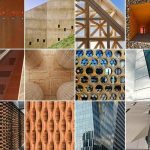
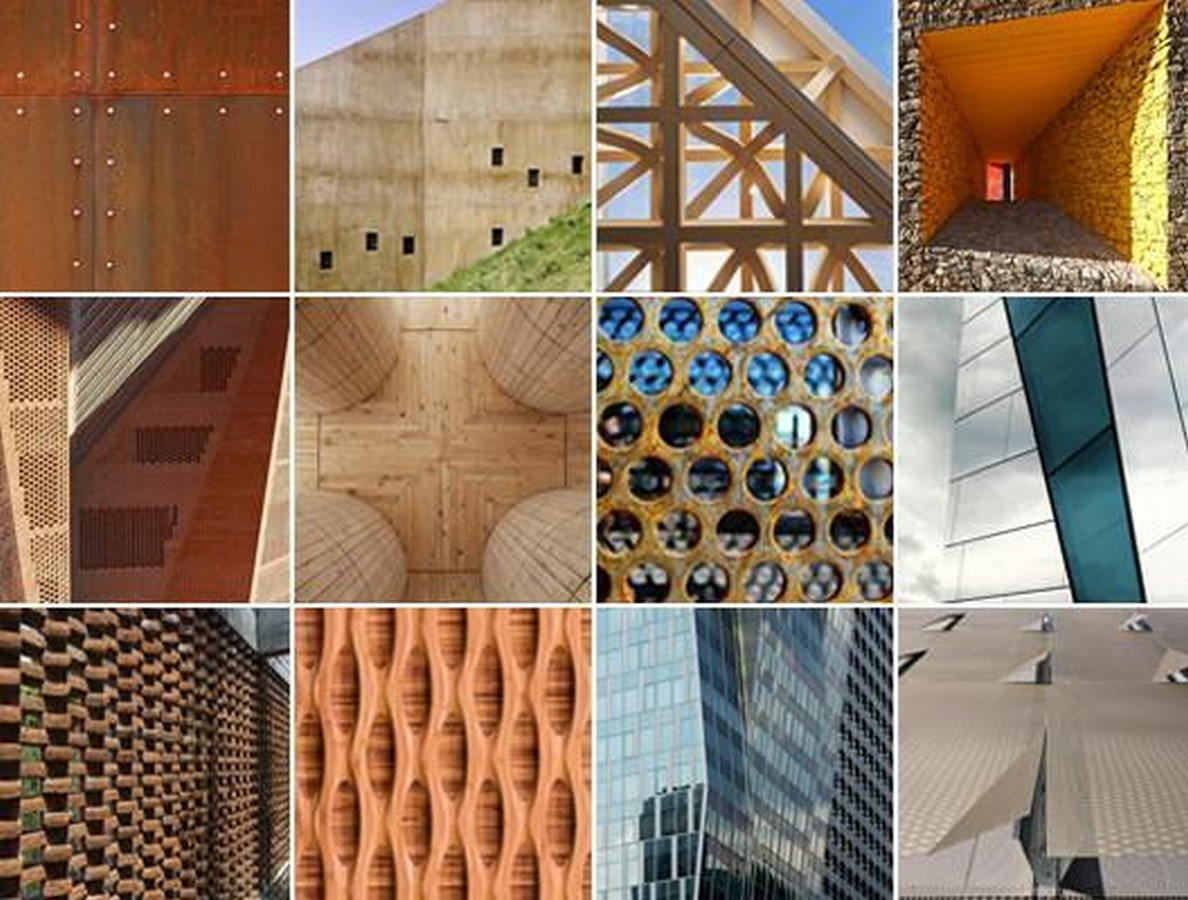
Selecting the right material for your building is just as necessary as selecting the right site or the right function. Materiality is an essential aspect of architecture that cannot be ignored. You cannot design a building without considering what it should be made of. But can material alone be used to define architecture? Some people would believe it does, as the variety in material can give rise to different buildings and the narratives connected to them. Such as marble being used for monumental architecture, and wood being used for traditional architecture. But this confuses the material with the message. Not all buildings made out of marble convey the message of opulence, and not all buildings made of wood fall in the category of traditional or vernacular architecture. This indicates that while material is an essential aspect, as the most visible and tangible element of a built form, architecture is defined by how architects synthesise material, context, cultural intention, and human experience into a meaningful space.
Material as a Medium, Not Message
As the most visible and experiential part of the built form, material may serve as architecture’s primary language, yet language alone does not render meaning. The same material can create completely different spatial experiences in different examples of architecture. This shows that material is a medium through which architects communicate, but not the message itself. The most prominent example of this is the use of concrete in the Church of Light by Tadao Ando and Habitat 67 by Moshe Safdie.
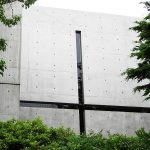
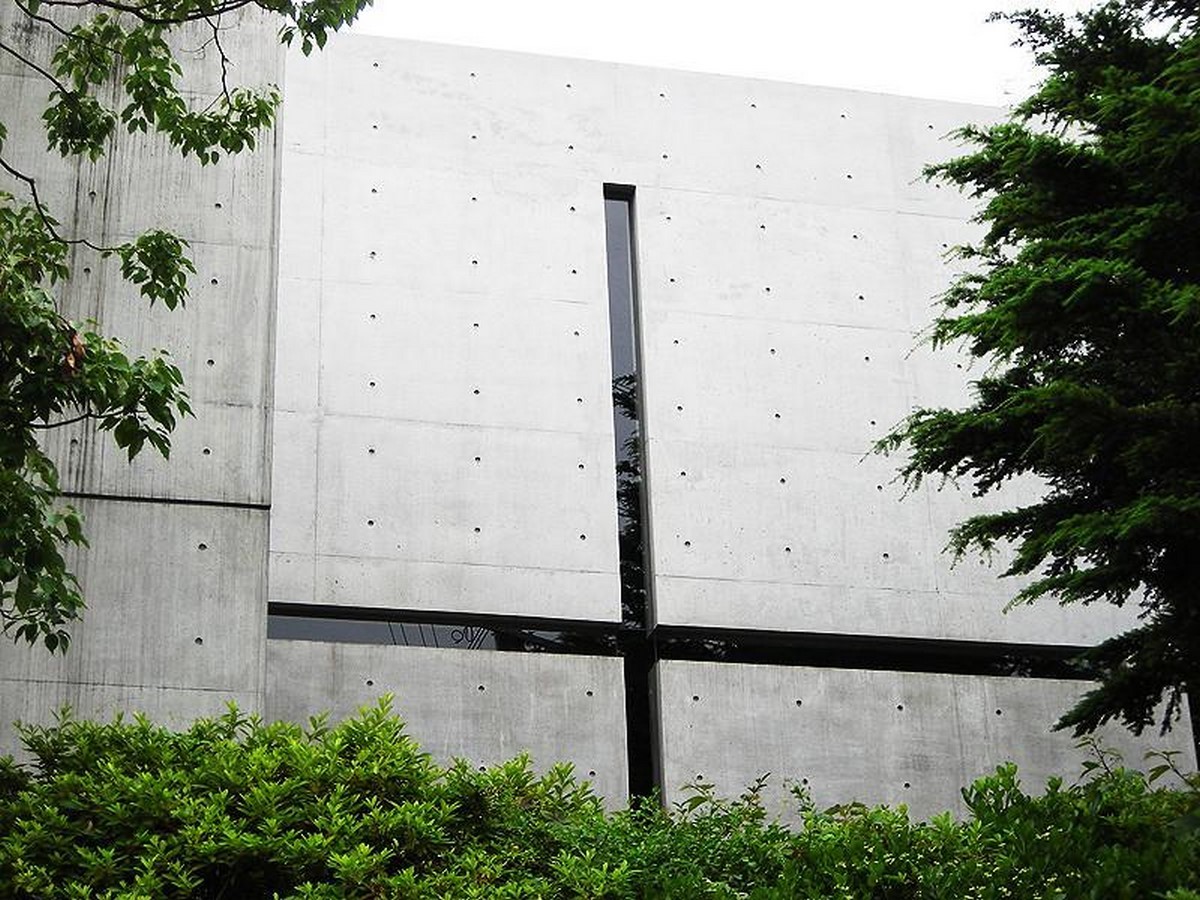
The Church of the Light, designed by Tadao Ando in Osaka, is a stunning sculpture featuring exposed concrete, and yet it uses this material for spiritual meditation. The clean lines, smooth surface finish, and simplicity of the building elevate it from the context as a space for peace, worship, and meditation. Light filters through a singular cross-shaped aperture, transforming the material from a structural necessity into a medium for transcendence. But even in this example, material, while playing a crucial role, is not the only element of architecture that defines it. Along with the use of exposed concrete, the architect has focused on other elements, such as the building’s planning and interior composition, to convey his message of simplicity and transcendence (Kroll, 2011).
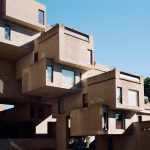
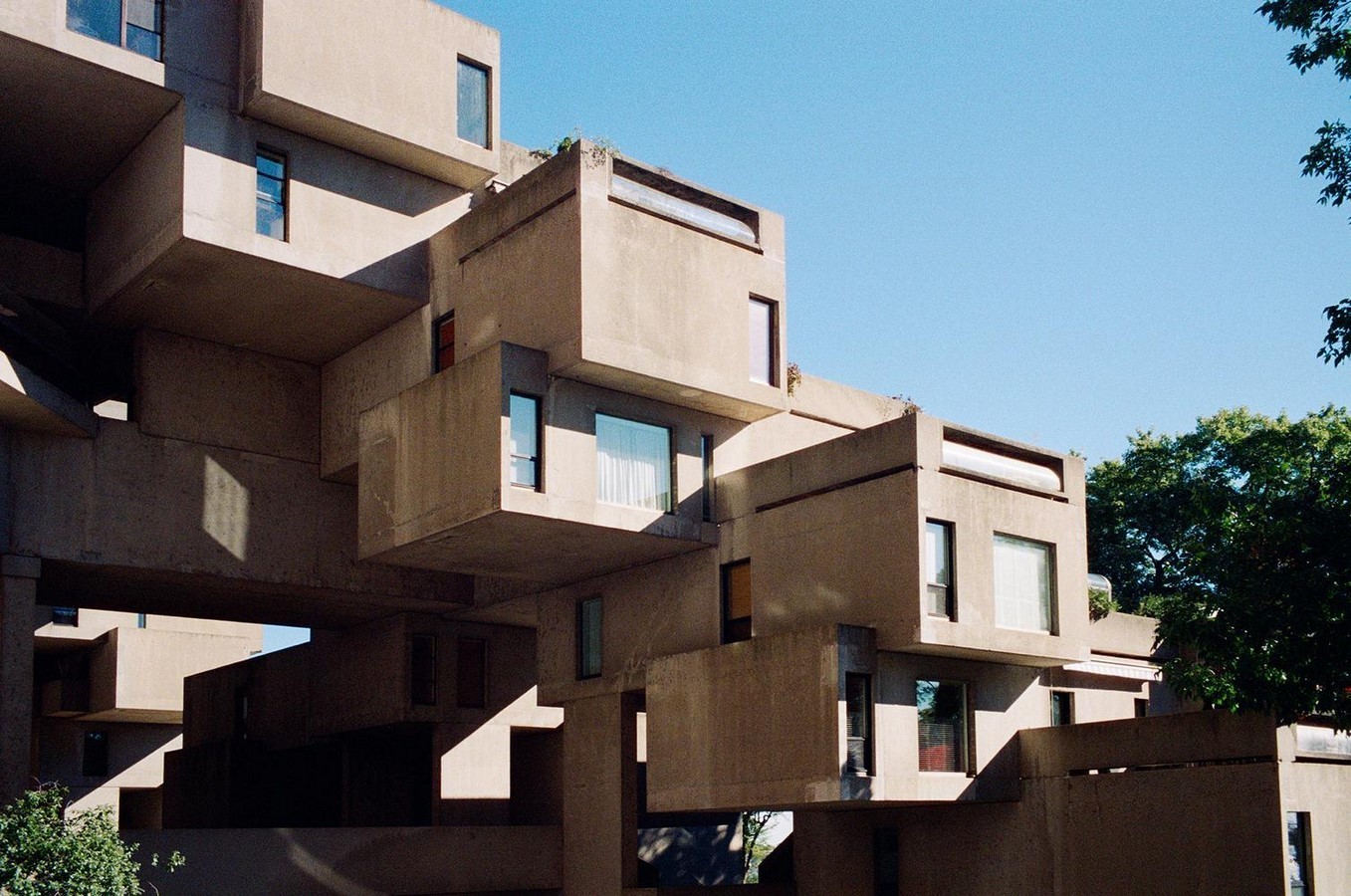
Another example of exposed concrete as exterior material is Habitat 67, designed by the Israeli-Canadian architect, Moshe Safdie. Here, the architect uses concrete for entirely different reasons compared to Tadao Ando in the Church of Light. Selecting concrete as the material for this concept was due to its availability, load-bearing properties, and ease of prefabrication, as Habitat 67 was designed to serve as an experimental solution for high-quality housing in dense urban environments. The material in this architectural example conveys modularity and economy. But even in this example, the choice of material was accompanied by a set of other decisions, such as the stacking of modular units, accessibility, and the overall layout of the complex to fully achieve the architect’s vision.
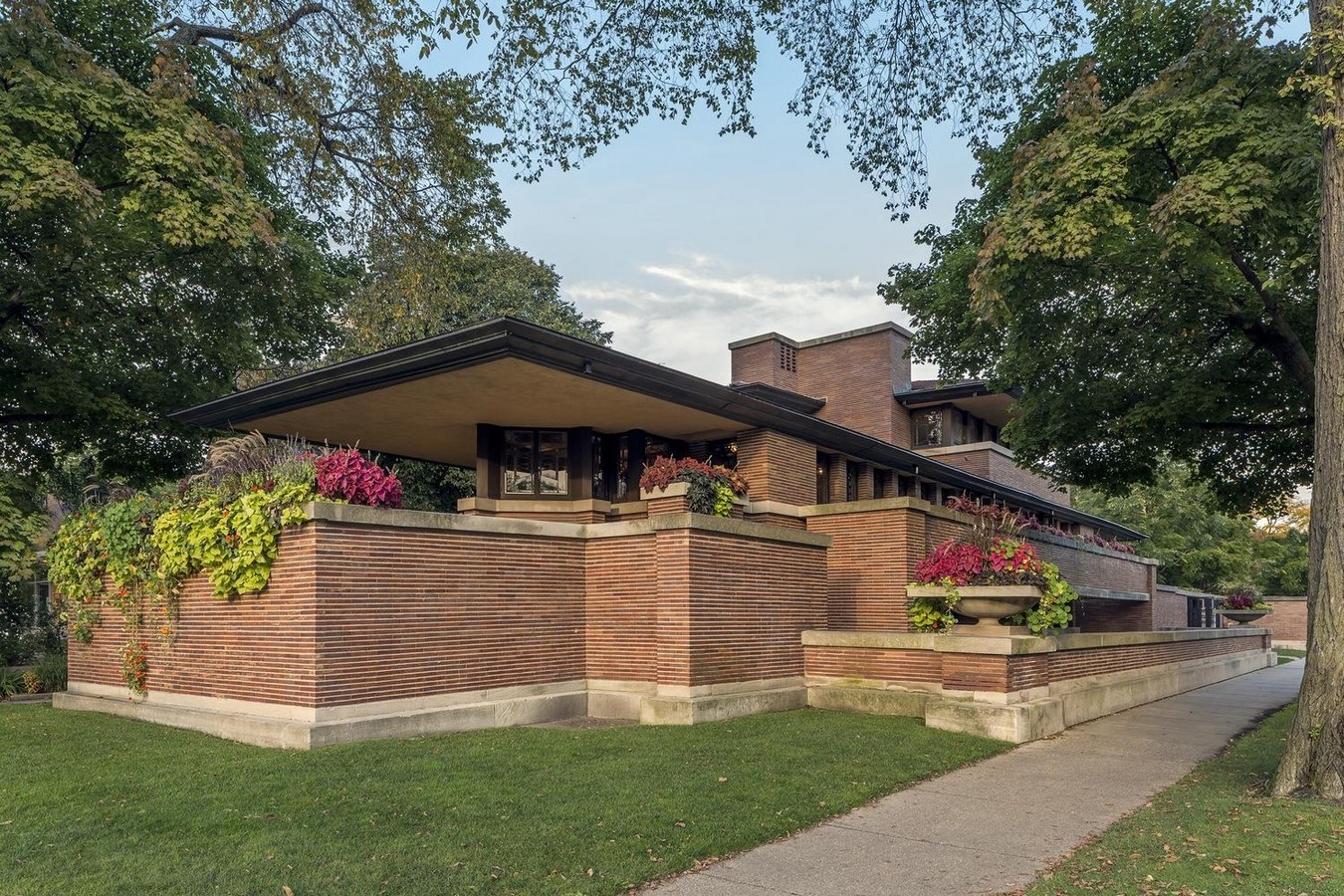
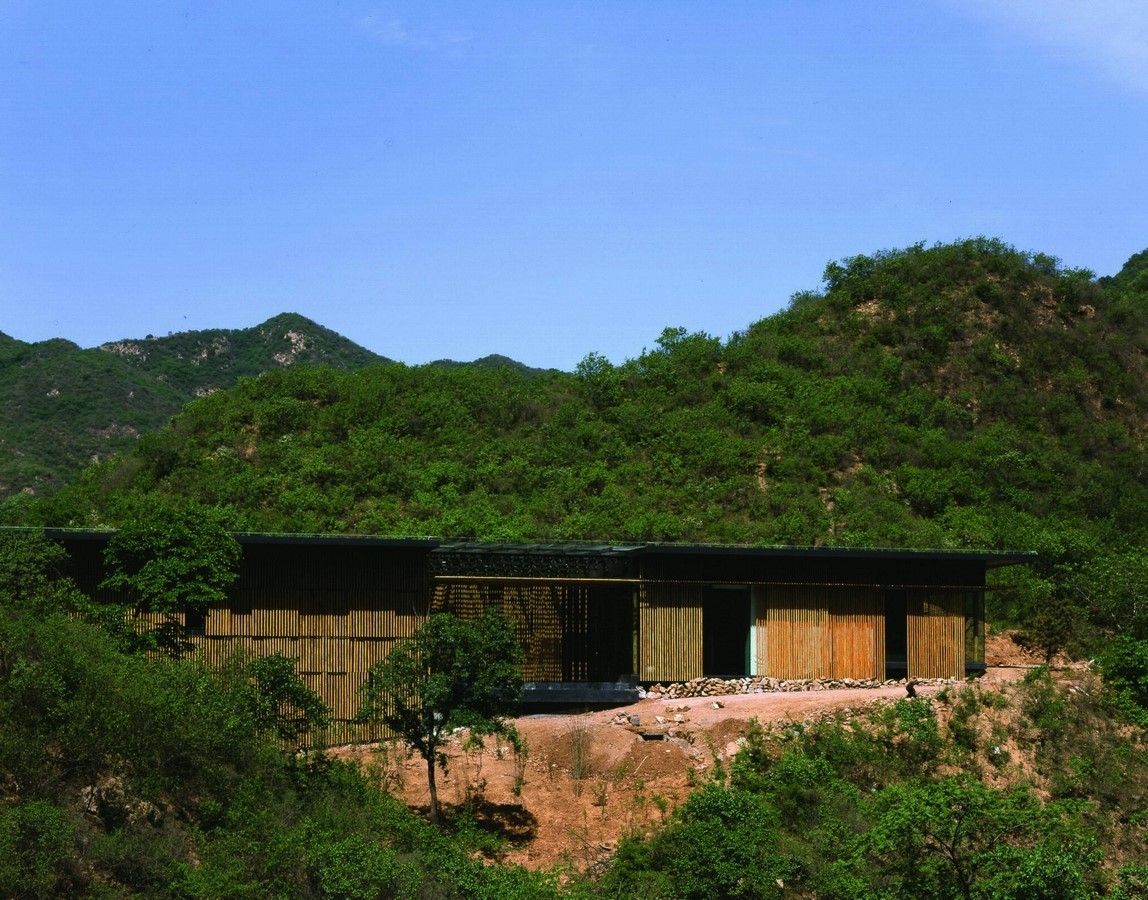
Both buildings harness concrete’s capacity for form-making, durability, and tectonic expression. Yet the spatial experiences they produce, the emotions they evoke, and the philosophical statements they make are fundamentally different. This conveys that the architect’s intentional use of material – how it is shaped, revealed, concealed, and positioned in relation to light, space, and human movement – transforms material from inert substance into expressive medium. Consider the use of material in Frank Lloyd Wright’s work. His organic architecture integrated natural materials—wood, stone, brick—by expressing their inherent qualities and allowing them to emerge from the landscape. His designs celebrated material honesty as a philosophical principle. On the other hand, contemporary architects like Kengo Kuma treat traditional materials – wood, stone, bamboo – in ways that diminish their visual presence, allowing the material to dissolve seamlessly into the landscape from which the built form emerges (Giuroiu, 2024).
Context, Culture, and Temporal Shifts
You cannot separate the material from its context. Thus, material suitability is dependent on climate, geography, culture, and time. A material that works well in one context may not perform as well in the other, for example, using glass in colder climates compared to using glass in warmer climates. Where the same material celebrates transparency and seamless integration of nature in colder regions, in hot regions, such as the Middle East, it can add to the maintenance and cooling costs of the building.
Another example of how the same material can carry different meanings, perform different functions, and communicate different values can be seen in the use of brick. Bricks are perhaps the most universal and ancient building materials. In medieval Europe, brick represented civic permanence and craft tradition. In contemporary Scandinavia, brick expresses regional identity and artisanal value. In vernacular South Asian architecture, sun-dried brick represents climate-responsive building practices rooted in deep cultural knowledge. In these varying contexts, brick remains materially identical, yet its architectural meaning transforms completely. Therefore, brick alone does not define the structures it is used in; the context of the structures does.
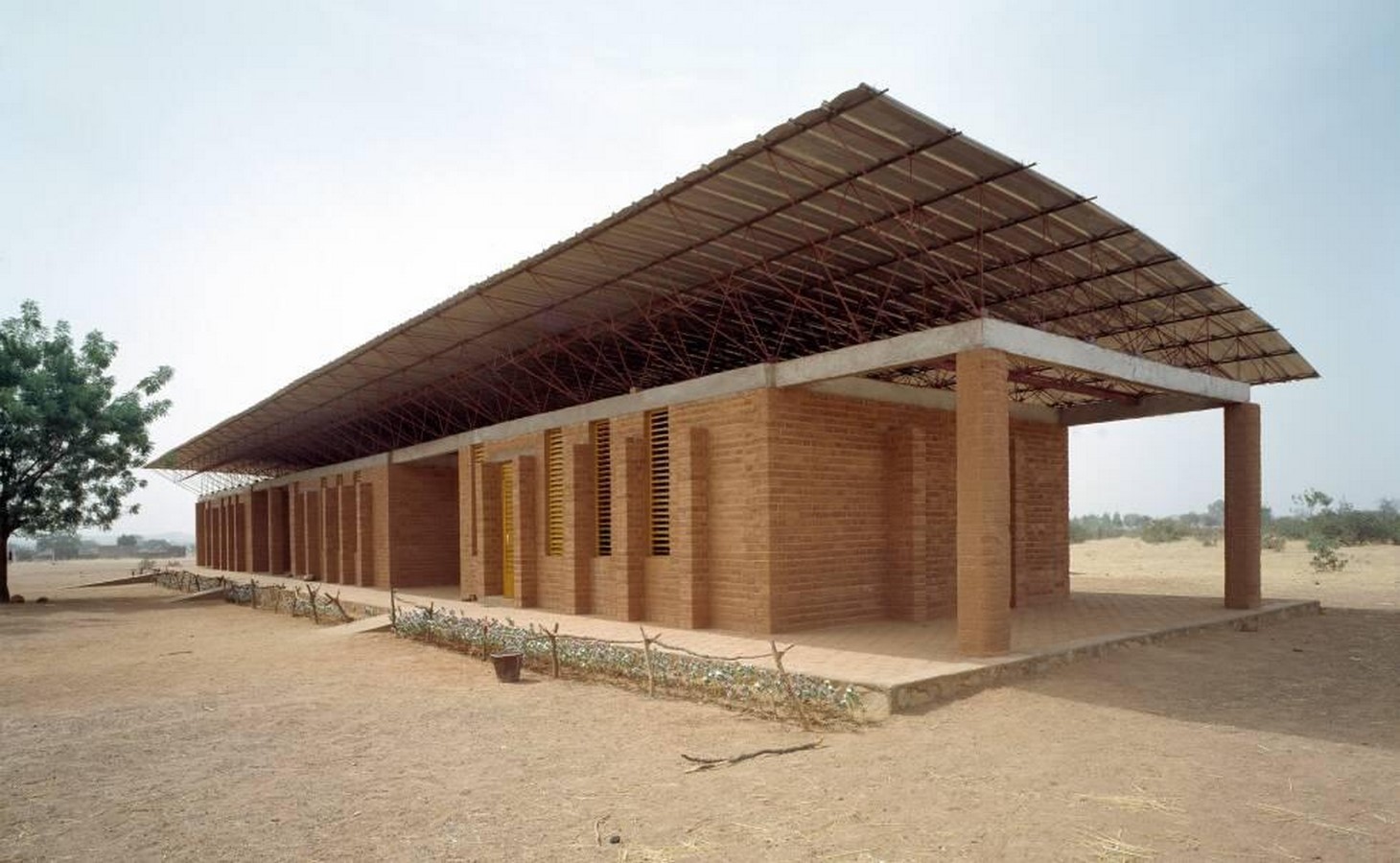
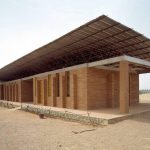
Diébédo Francis Kéré’s work shows how contextual understanding transcends material fetishism. This school in Burkina Faso is built out of locally-sourced compressed earth blocks, which give the building a regional identity. This material is often dismissed as primitive or inferior in global architecture discourse, but here, it is used to respond to local availability, climate appropriateness, and community capacity for maintenance and repair. Aside from the material choice, what defines Gando Primary School’s architecture is the spatial organisation, natural ventilation strategies, integration of community gathering spaces, and thoughtful articulation of material details (Kere Architecture, 2001).
Design Philosophy and Human Experience
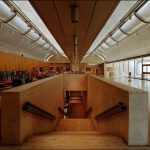
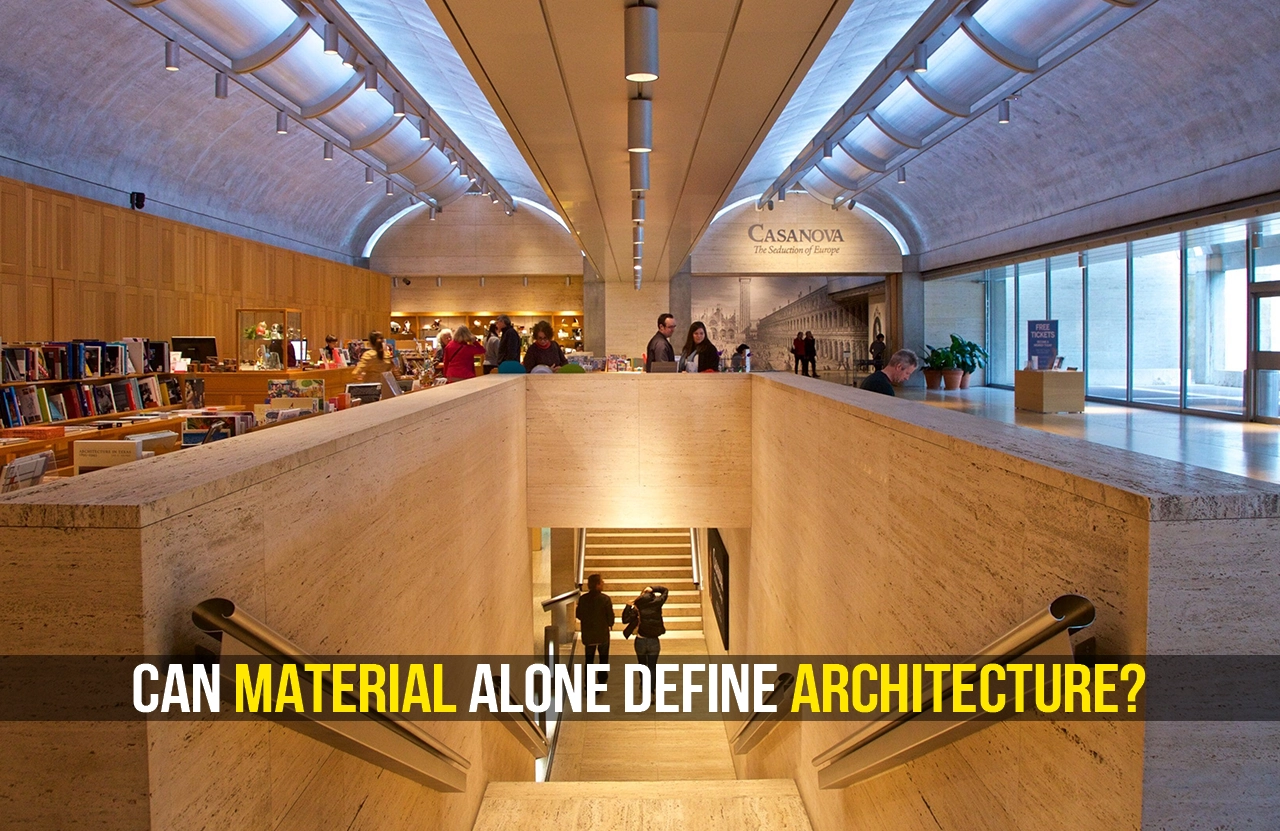
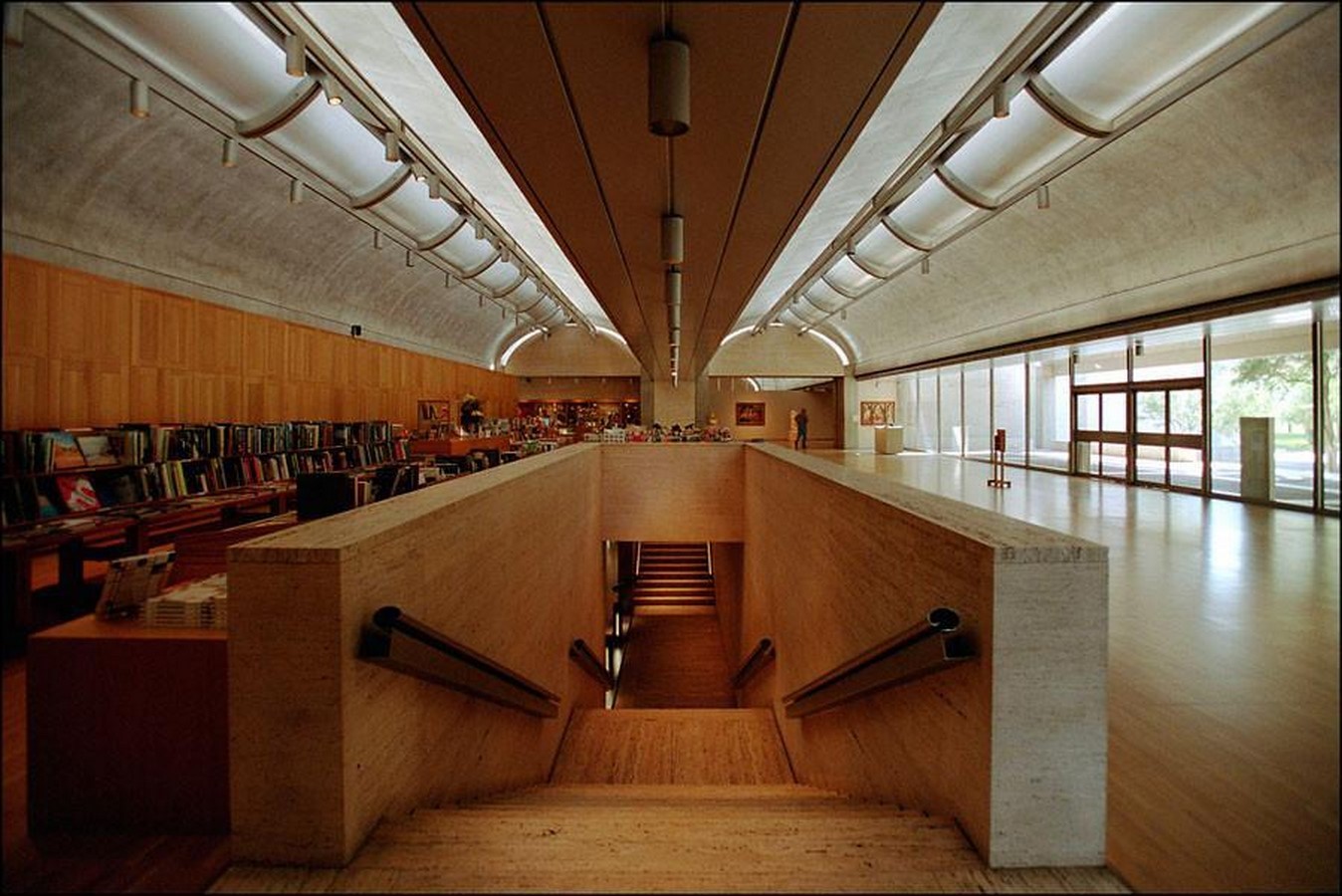
Aside from materiality and context, the most significant aspect that defines architecture is the architect’s design philosophy. This plays a critical role in how the users experience the building and takes into account all the factors already discussed above. Space itself is architecture’s true subject, and how every architect treats this space is reflected in their design philosophy. In the Kimbell Art Museum in Fort Worth, Louis Kahn treated light as a primary material rather than concrete and travertine that make up the structure of the museum. The subtle modulation of natural light in interior surfaces gives a distinct character to the building, enriching its human experience. Visitors are more likely to remember the quality of light, the spatial generosity, and the sense of sacred reverence, rather than the specific materials used (Igor Fracalossi, 2011).
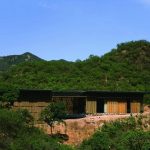
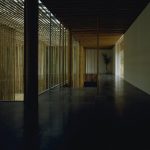
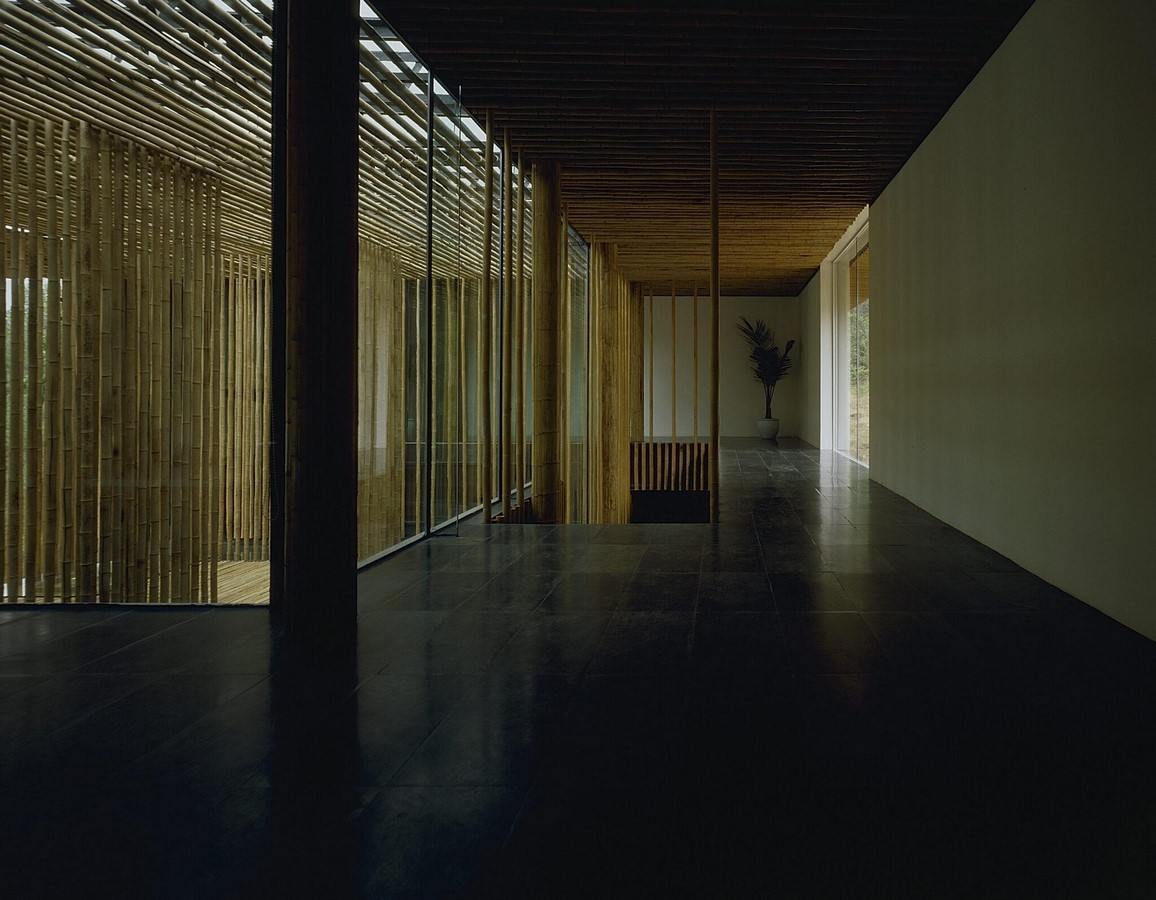
Similarly, Japanese traditional architecture demonstrates how immaterial architectural qualities can transcend material presence. Wood is used primarily in temples and residences in Japan, but the architecture’s defining characteristics emerge from spatial concepts like ma (the significance of void and emptiness), the relationship between interior and exterior, and the expression of impermanence. The material becomes secondary to the design philosophy. Contemporary Japanese architects like Kengo Kuma continue this tradition by designing buildings where material becomes almost invisible compared to spatial and experiential goals. The Great Bamboo Wall House demonstrates this philosophy clearly: bamboo screens dissolve the boundary between interior and exterior, creating spaces where material nearly disappears while spatial experience intensifies (Kengo Kuma and Associates, n.d.).
Material is crucial to architecture, but not its sole determinant. It is a medium through which an architect communicates, the substance through which spaces are constructed, and the tangible expression of design decisions. True architecture depends on the synthesis of material, context, intentional design philosophy, human experience, and cultural relevance. This is why two buildings that share the same material may express opposing architectural visions. Moreover, the same material may carry entirely different meanings across geographic locations, cultural contexts, and historical periods (Yahya and Abdul Samad, 2014). The ability to think beyond material fetishism is much needed in contemporary architecture. You cannot ignore the right selection of material according to the context, culture, and message that has to be conveyed. Thus, material alone cannot define architecture; it is defined by its design philosophy, cultural understanding, and spatial vision.
References:
ASI Architectural (2025). Top 10 Architectural Material Selection Principles for Smarter Design. [online] ASI Architectural. Available at: https://www.asiarchitectural.com/top-architectural-material-selection-principles/.
Giuroiu, A. (2024). The Great (Bamboo) Wall / Kengo Kuma & Associates. [online] Architecture Lab. Available at: https://www.architecturelab.net/bamboo-wall-kengo-kuma/.
Igor Fracalossi (2011). AD Classics: Kimbell Art Museum / Louis Kahn. [online] ArchDaily. Available at: https://www.archdaily.com/123761/ad-classics-kimbell-art-museum-louis-kahn.
Kengo Kuma and Associates (n.d.). Great (Bamboo) Wall. [online] Kengo Kuma and Associates. Available at: https://kkaa.co.jp/en/project/great-bamboo-wall/.
Kere Architecture (2001). Kéré | Gando Primary School. [online] www.kerearchitecture.com. Available at: https://www.kerearchitecture.com/work/building/gando-primary-school-3.
Kroll, A. (2011). AD Classics: Church of the Light / Tadao Ando Architect & Associates. [online] ArchDaily. Available at: https://www.archdaily.com/101260/ad-classics-church-of-the-light-tadao-ando.
Loschke, S.K. (2016). Materiality and Architecture. Routledge. doi:https://doi.org/10.4324/9781315732732.
Merin, G. (2013). AD Classics: Habitat 67 / Safdie Architects. [online] ArchDaily. Available at: https://www.archdaily.com/404803/ad-classics-habitat-67-moshe-safdie.
Picon, A. (2024). The materiality of architecture, between the rise of the Digital Age and the advent of the Anthropocene. Perspectives in architecture and urbanism., 1(2), pp.100019–100019. doi:https://doi.org/10.1016/j.pau.2024.100019.
WBDG (n.d.). Materials | WBDG – Whole Building Design Guide. [online] www.wbdg.org. Available at: https://www.wbdg.org/resources/materials.
Yahya, H.A. and Abdul Samad, M.H. (2014). The Role of Building Materials in Architectural Design. Applied Mechanics and Materials, 679, pp.6–13. doi:https://doi.org/10.4028/www.scientific.net/amm.679.6.