Photography is a visual medium that captures moments by utilising light, composition, and technology to create images. It is more than just clicking a button. It is, in many ways, a quiet miracle. A single photograph can stop time, preserve a face, hold a memory, and carry it forward for decades or even centuries. While people often see photography as an artistic hobby or a way to document daily life, its deeper significance goes far beyond this. Photography connects generations. It keeps the past and memories alive. It allows people in the present to look directly into moments that existed long before they were born. It makes people see the unknown, relive the moment.
In a world that constantly changes, photography becomes a bridge between centuries. It helps us understand history not as something distant and abstract, but as something real, personal, and human.
A Window into Lives We Never Lived
When we look at an old photograph, we are not just seeing an image; we are witnessing a life. A photograph taken in the 1800s may show a man standing stiffly in formal clothes, or a family sitting for a portrait with serious expressions. At first glance, it might feel unfamiliar. But if we look closer, we notice small details: tired eyes, worn shoes, and a child clinging to their mother’s arm. Suddenly, the photograph stops being “history” and becomes a moment of reality.
That is the unique strength of photography. Written history tells us what happened, but photography shows us who it happened to. . From the earliest daguerreotypes to today’s digital imagery, photography has acted as a time-travelling medium—preserving memory, shaping history, and allowing future generations to witness the world as it was.
A person from a different century becomes more than just a name or a statistic. They become human beings. Their existence becomes unquestionable. Their emotions, their surroundings, and their world become visible to us.
Photography as a Silent Historian
One of the greatest contributions of photography is its role as a witness to history. Before photography existed, people depended on paintings, sculptures, and written descriptions to record the past. But these methods were often influenced by the artist’s imagination or the bias of the writer. Kings and queens were painted with exaggerated beauty, wars were described with glory, and ordinary people were rarely documented at all.
Photography, on the other hand, changed that. It introduced a new kind of truth, an unmatched level of realism. Even though photographers may frame or edit an image, the photograph still holds a sense of authenticity that makes it a trusted historical artefact.
When early cameras began capturing images of streets, factories, markets, and homes, they created a visual record that was raw and honest. Photographs from the Industrial Revolution, for example, show crowded cities, smoke-filled skies, and workers surrounded by machines. These images reveal not just progress, but struggle. They show the cost of development. These images provide insight into clothing styles, working conditions, architectural surroundings, and social class distinctions.
A photograph does not simply report history—it exposes it.
Capturing and Preserving Cultural Identity
Cultures evolve constantly. Traditions fade, clothing styles shift, languages mix, and lifestyles modernise. Without documentation, entire ways of living can disappear. This is where photography becomes a powerful tool for cultural preservation.
In India, especially, photography has served as a powerful tool for cultural preservation. Old photographs of bazaars, royal courts, village homes, traditional weddings, and religious processions offer a glimpse into how people once lived. They show regional clothing, jewellery, architectural styles, and everyday routines.
A photograph of a local market from the 1940s, for instance, can show how trade worked before supermarkets and malls. A picture of a wedding from the 1960s can reveal rituals that are no longer commonly practised. A photograph of craftsmen working with hand tools reminds us of skills that modern machines are slowly replacing. Photography becomes a kind of cultural memory. It ensures that even as society moves forward, it does not completely forget its roots. It is the visual proof of how society lived, celebrated, and evolved.
Architecture through the Lens of Time
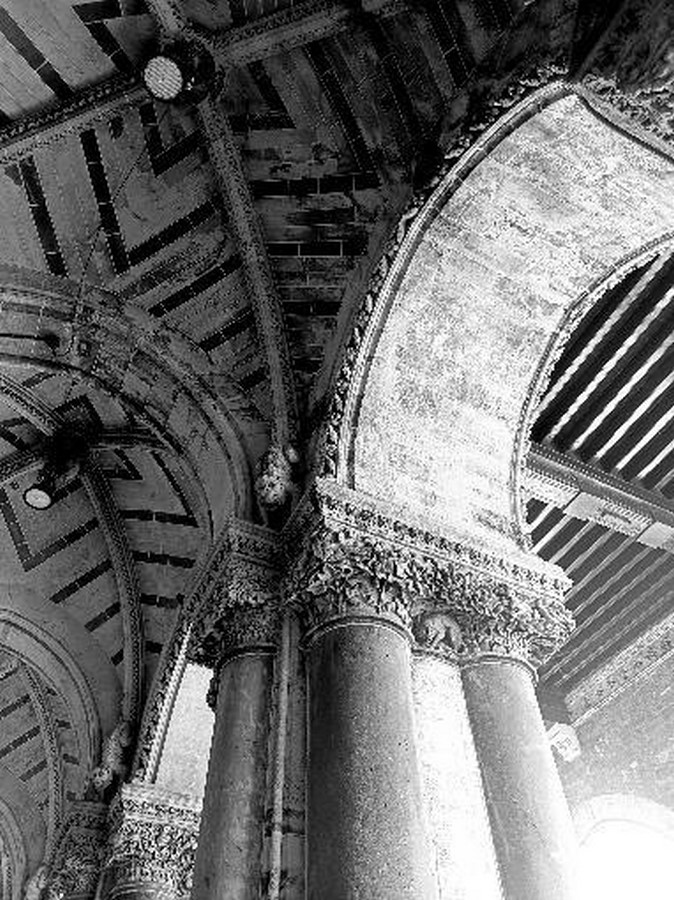
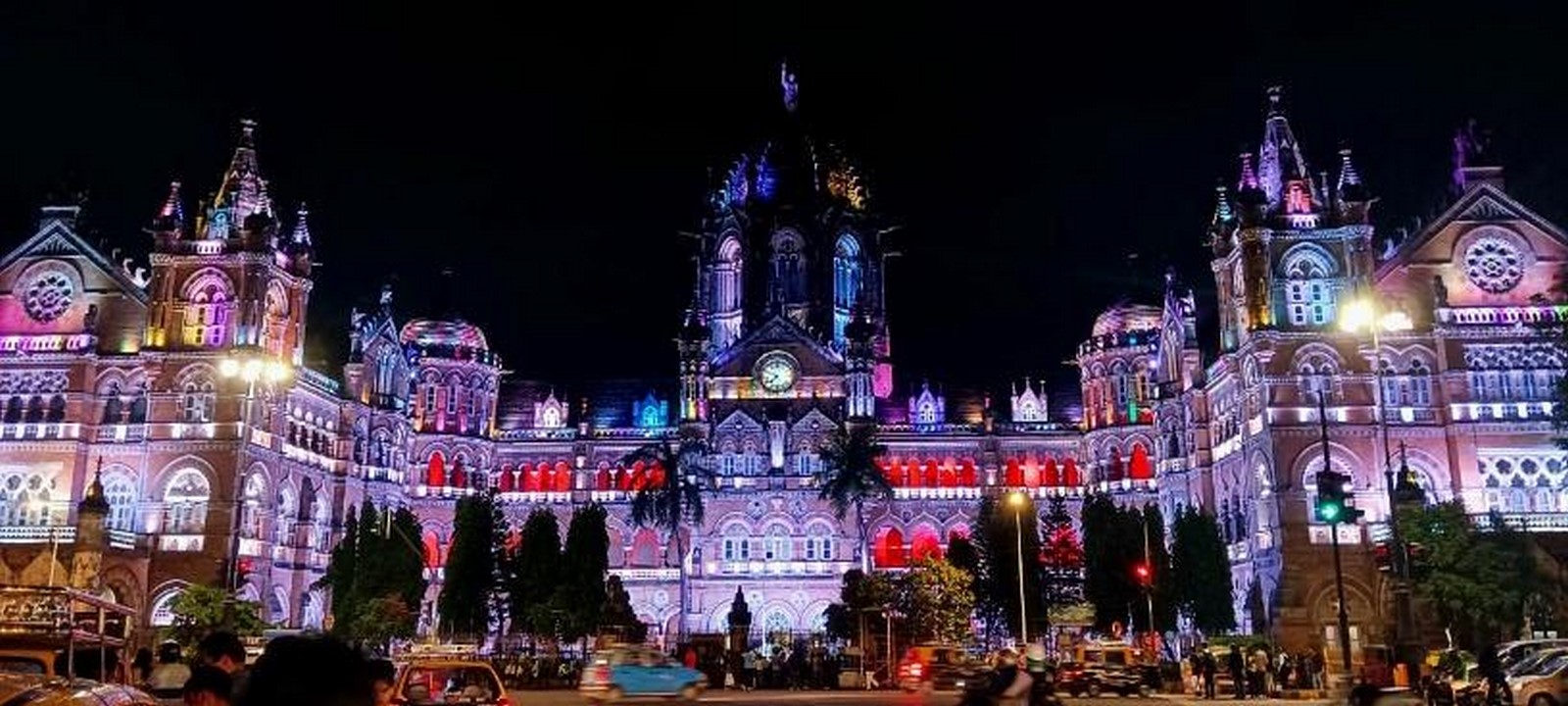
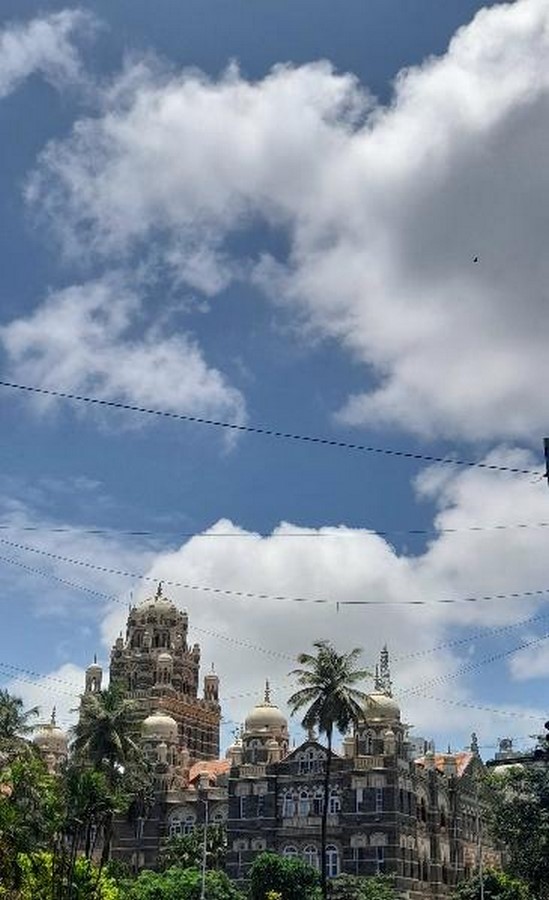
Photography also bridges centuries by documenting built environments. Architecture is one of the clearest indicators of how society changes. Cities grow, streets expand, old buildings are demolished, modern structures rise, and landscapes shift due to development. Sometimes, these transformations happen so quickly that people barely notice until it is too late. A photograph, however, remembers. It preserves architectural heritage and provides evidence of how spaces once looked.
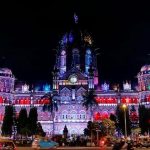
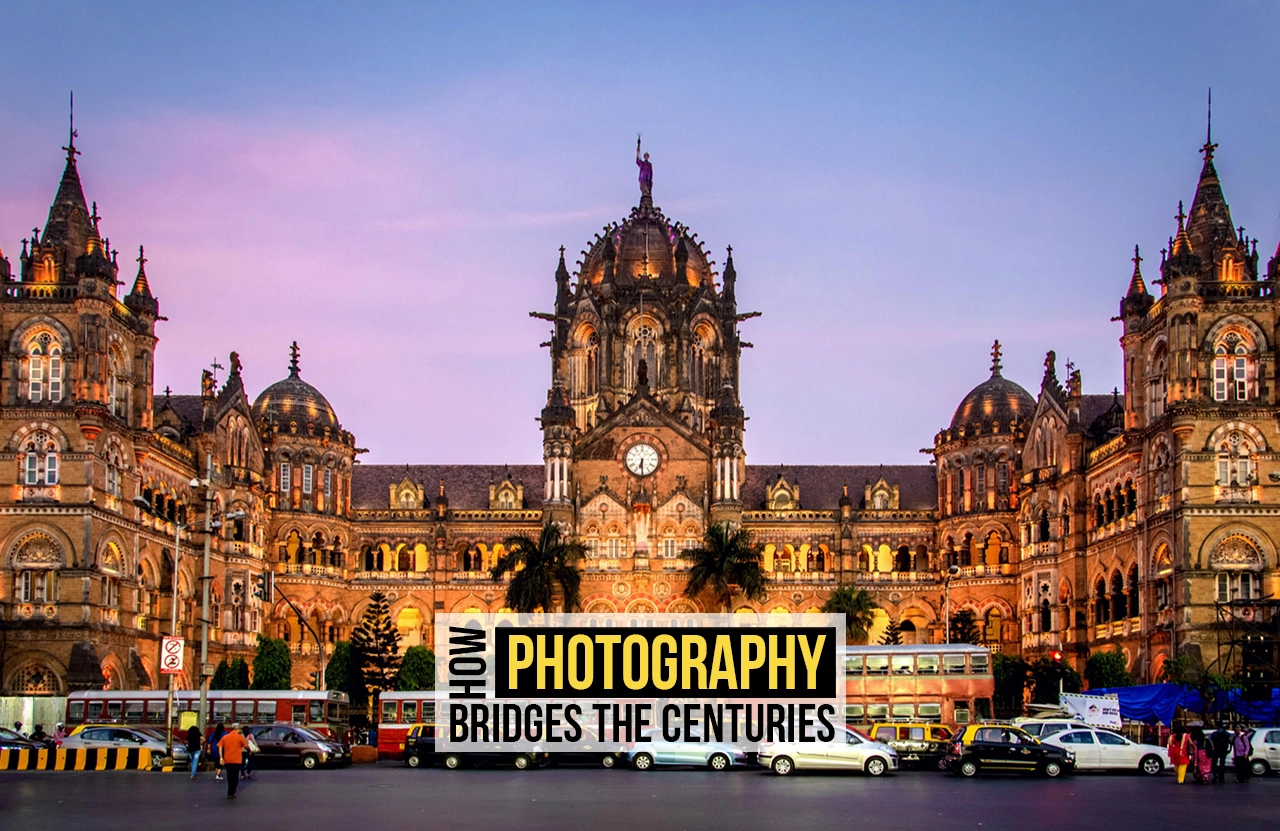
Old images of Mumbai’s colonial buildings, Kolkata’s heritage streets, or Lucknow’s historic structures preserve an architectural world that is constantly under pressure. Even monuments like the Taj Mahal, Qu tub minar, Hampi or the forts of Rajasthan look different today compared to how they appeared decades ago. Pollution, restoration work, tourism, and urban encroachment all leave their mark.
For architects, planners, and conservationists, photographs are not just aesthetic references—they are evidence. They help document change and protect heritage. It offers a visual timeline of architectural evolution. They allow people to compare the past with the present and understand what has been lost or preserved. In this way, photography becomes a bridge not only between centuries, but between old and new identities of a place.
Family Photographs: Personal Bridges across time
Perhaps the most intimate role of Photography lies in personal memory. Family albums are emotional archives that connect individuals to ancestors they may never have met. Almost every household has at least a few old pictures stored somewhere—inside a box, a drawer, a cupboard, or an album with torn edges. These photographs may seem simple, but they carry immense meaning.
A picture of a grandmother as a young woman, smiling shyly at the camera, can feel shocking and beautiful. It reminds us that our elders were once young, too. A photograph of a father as a child can make us see him differently. Suddenly, generations feel closer. Photographs carry silent stories—weddings, migrations, childhoods, hardships, and celebrations. In societies where oral storytelling is common, photographs often strengthen these narratives by giving a face to the past. Family photographs are not just memories. They are proof of continuity. They show that we are part of a long chain of lives and stories.
Without photography, many of these personal stories would disappear with time. Photography humanises history, turning “the past” into something relatable.
Photography and the Power of Social Truth
Photography has also played a major role in shaping society. Certain photographs have changed public opinion, exposed injustice, and influenced major historical shifts. A powerful image can make people feel emotions that statistics never can.
For example, photographs from India’s freedom struggle are not just historic records—they are symbols of resistance. Images of protests, marches, and leaders addressing crowds capture the strength of collective determination. They remind future generations that freedom was not simply achieved; it was fought for.
Similarly, photographs of the Partition era are painful but important. They show migration, loss, and human suffering. They remind people of the consequences of political division. Such images may be difficult to look at, but they ensure that history is not forgotten or repeated.
Photography does not just record history—it actively participates in it. Even today, photographs from wars, natural disasters, and protests continue to shape global awareness. A single image can travel across the world and spark empathy, anger, or action.
From Old Cameras to Smartphones: The Expansion of Memory
As the way photography has evolved, it also reflects how its role has grown. In the beginning, photographs required long exposure times and expensive equipment, making them expensive and limited. Only a few people could afford portraits. Taking a photograph was a formal event, and the results were rare and precious. Over time, cameras became more accessible, and photography became a part of everyday life.
The introduction of digital photography and smartphones has revolutionised photography into a universal language. Today, billions of photographs are captured on a daily basis. This has changed the way humans preserve life. We now document birthdays, meals, sunsets, travel, and even the smallest everyday moments.
Some might argue that photography has lost its value because we take too many pictures. But it also means future historians will have an abundance of visual archives of the 21st century, from fashion to food to architecture to social behaviour. In earlier centuries, only the lives of the rich were recorded. Now, photography has become democratic. It captures ordinary people, ordinary streets, and ordinary lives. And that is exactly what makes it so powerful. Photographs no longer remain limited to physical albums—they travel across borders, making history accessible to anyone with an internet connection.
The Emotional Magic of a Photograph
The most profound aspect of photography is its ability to create emotional time travel.
A photograph can instantly evoke nostalgia, longing, joy, or grief. It can remind someone of a person they lost. It can take someone back to a place they once loved. Unlike videos, which show motion and sound, still photographs possess a certain stillness that makes them timeless. They allow the viewer to pause, observe, and imagine the story behind the frame. Even photographs from centuries ago can create emotion. We may not know the people in them, but we can still feel something. We can imagine their lives. We can wonder what they were thinking. We can see their world and realise how much has changed—and how much has stayed the same. This imaginative participation is what makes photography a bridge rather than just a record. Because a bridge is not only about distance. It is about connection.
Photography bridges the centuries by holding onto moments that time would otherwise erase. It is a witness to history, a guardian of heritage, and a personal archive of human lives. From monumental historical events to quiet family moments, photography captures fragments of time and delivers them into the future. Through photographs, people who lived hundreds of years ago stop being distant figures. They become real. Their faces, their streets, their struggles, and their celebrations become visible. Photography reminds us that history is not made of dates—it is made of people.
Photography is not just an art form—it is a bridge. And through it, centuries are no longer distant; they become visible, tangible, and deeply human.