If you spend any time around architects, whether in a studio, a classroom, or even over coffee, you’ll notice that half of the conversations revolve around images. Someone’s SketchUp screenshot, someone else’s site photo, somebody’s half-finished render saved as “final-final-v7.” We live in pictures now. It’s how ideas travel. It’s how architects explain themselves to clients, collaborators, and honestly, to themselves.
And funny enough, even the tiny tools we barely think about, things you’d normally dismiss as “just editing stuff”, have become part of this ecosystem. When you’re preparing a quick concept collage and you want to isolate a massing model or make a sketch pop a bit more cleanly, you can try this photo bg remover. It sounds like such a small gesture, but it ends up influencing how the idea reads, how the form feels, how the viewer focuses.
That’s what’s interesting to me: digital imagery hasn’t just made architecture easier to present. It’s quietly changing the way architects think.
The Modern Visual Language of Architecture Is… Kind of Everywhere
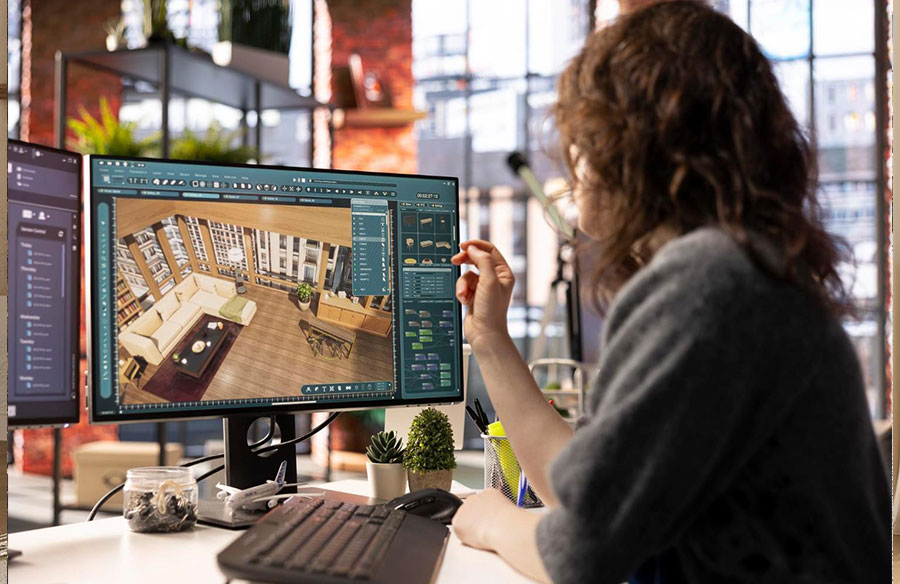
Look at any architect’s desktop and you’ll probably see a bizarre mix of files: a shaky iPhone site photo, a beautifully lit render, five half-erased screenshots from Revit, and maybe a sketch scanned at the wrong angle but still somehow useful.
The visual language isn’t clean or linear anymore. It’s messy, layered, and constantly shifting. And honestly, that’s part of the charm.
Design ideas now move through different formats depending on the moment:
- A quick napkin sketch becomes a digital overlay.
- A drone photo becomes a contextual analysis.
- A render becomes a diagram once you start editing out shadows or textures.
- A simple snapshot becomes a storytelling tool after a bit of cropping, masking, or background cleaning.
Architects have always moved between mediums. But digital imagery allows these transitions to happen instantly. And that speed, that looseness, means the design story can evolve in ways that feel more intuitive, more experimental.
Image Editing Used To Be “Presentation Work.” Not Anymore.
There used to be a pretty clear line between design and presentation. First you design, then you make the visuals look good for clients or studio crits. That line has completely evaporated.
Now, image editing is woven right into the thinking process. You tweak the lighting in a render not to impress a client, but because it helps you understand the massing better. You clean up a site photo not to make it pretty, but to isolate a material palette or reveal a shadow condition you hadn’t noticed.
Sometimes you even cut out the background entirely because the surrounding chaos distracts from what you’re actually trying to study.
It’s analytical work disguised as “editing.” You’re shaping perception, your own and others’, by choosing what stays in the frame and what gets removed. And when that process becomes quicker and more fluid, architects find themselves sketching with images, not just drawing over them.
Architecture Is Now Photographed Before It’s Even Built
 Something else happened over the last decade: architecture started living online before it ever existed in the real world.
Instagram, Pinterest, Behance, these platforms didn’t just change how buildings are shared. They changed what buildings are designed to look like. Or at least, how they’re visually framed.
Architects now think a lot about:
- the “hero angle,”
- how the façade reads at phone-screen size,
- whether a detail will photograph well at golden hour,
- and even how a project might circulate through online design communities.
Whether we like it or not, buildings compete for attention online just as much as they do in real space. Imagery becomes the first encounter, the hook, long before anyone sees concrete, steel, or timber.
And because digital tools let architects fine-tune these visuals at every stage, the storytelling becomes more deliberate. Less “here is the building,” more “here is what we want the building to mean.”
Collaboration Has Become Image-First, Too
If you work in a multi-office studio or collaborate with external consultants, you’ve probably noticed that visuals carry most of the weight in conversations now. Text is secondary. Drawings matter, of course, but images are the fastest way to say, “Here’s what I’m thinking.”
Someone drops a screenshot in the group chat. Someone else annotates it. Another overlays it onto a site photo. Before you know it, a whole idea evolves through five different visual iterations made in three different time zones.
The image becomes the meeting room.
This is especially true for younger designers who grew up moving fluidly between physical and digital spaces. To them, “design” and “imagery” feel inseparable, maybe even interchangeable.
From Static Render to Moving Story
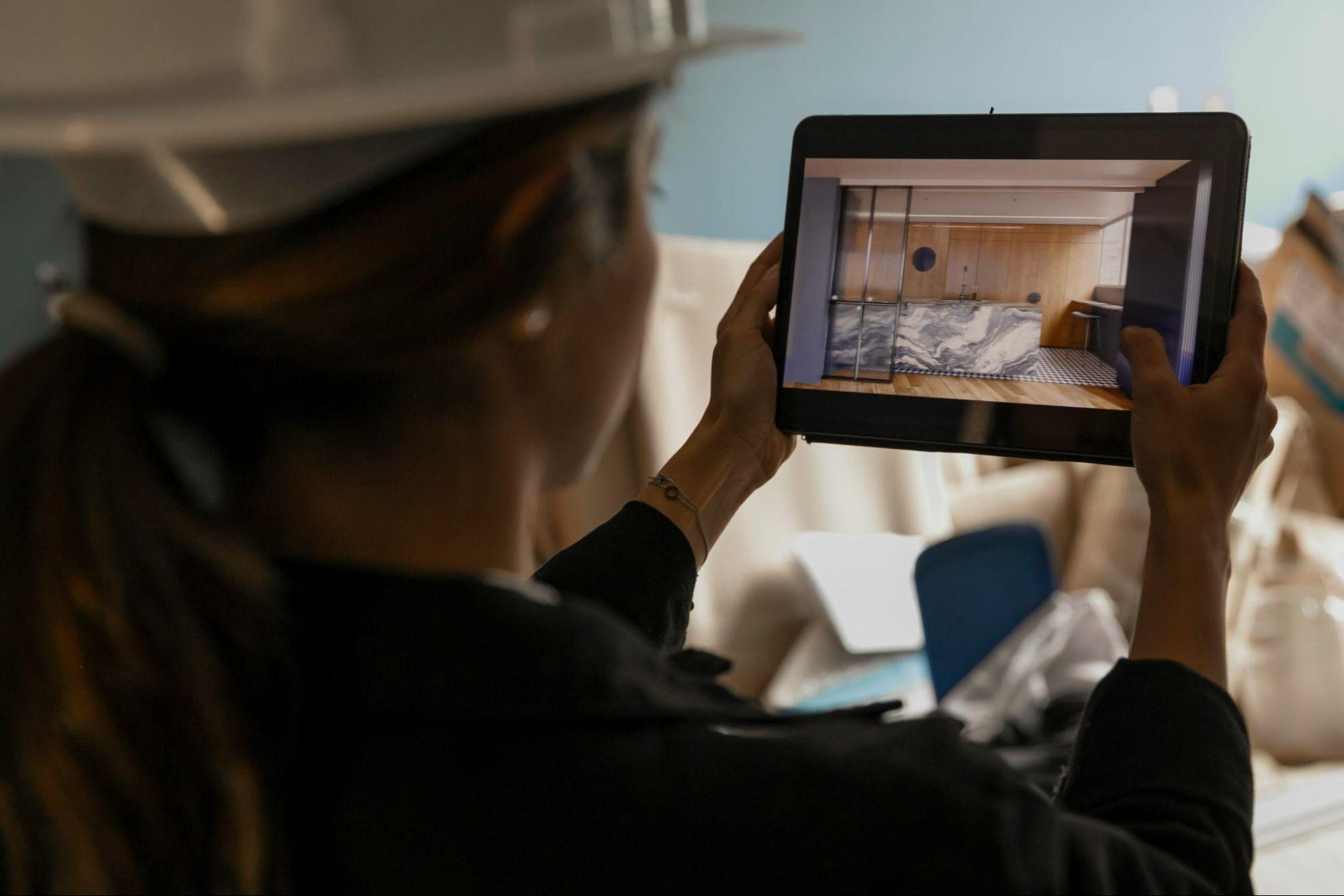
The shift isn’t just about static images. Digital tools now allow architects to create short animations, real-time walkthroughs, shadow simulations, and AR views that let someone experience a building from their living room.
Instead of handing clients a still image of a proposed lobby, designers can show a 20-second video that captures how the morning light spills across the floor.
It’s still a story, just told in a richer, more cinematic language. And storytelling, at its core, is what architecture has always been about. Digital imagery hasn’t changed that truth. It has simply expanded the vocabulary.