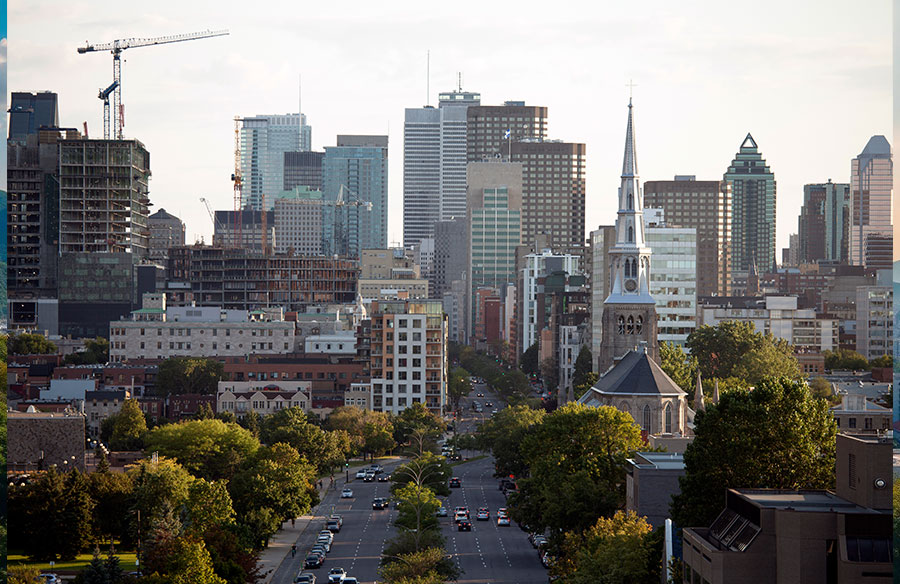
Have you noticed how Ottawa’s skyline, neighbourhoods, and streets keep transforming? New bike lanes appear, transit routes expand, and fresh residential blocks emerge in once-quiet corners of the city. These changes aren’t random, they’re shaped by how and where people move. Every relocation, from downtown apartments to suburban homes, influences how Ottawa grows and how its citizens live, commute, and connect.
In this blog, we’ll uncover how moving trends are reshaping city design, daily life, and the future of urban mobility in Ottawa.
The Connection Between Moving and Urban Design
Every move tells a story. It could be a young professional heading downtown for work, a family settling in suburbs like Barrhaven or Kanata, or retirees choosing compact, walkable communities. When thousands make similar choices, Ottawa planners take note.
These moving trends guide the city’s urban mobility planning, influencing where roads expand, how public transit is developed, and which neighbourhoods become growth hubs. For example, Ottawa’s focus on transit oriented development (TOD) along the LRT routes is a direct response to residents moving closer to accessible transit.
In simple terms, the way people move directly shapes how the city grows and builds around them. With more residents relocating across neighbourhoods, the best movers in Ottawa, like Economical Movers, play an essential role in supporting these shifts, making transitions smoother. At the same time, the city continues to adapt its design to meet evolving urban needs.
Why Ottawa’s Mobility Patterns Are Changing
Over the past decade, Ottawa has experienced significant demographic and economic shifts. Remote work, housing affordability, and lifestyle preferences have altered moving patterns:
- Remote Work Revolution: More residents are moving to quieter suburbs while maintaining downtown connections.
- Sustainability Goals: Eco-conscious residents prefer walkable, bike-friendly areas with strong public transit links.
- Housing Affordability: Rising costs downtown push families toward emerging communities like Orleans or Kemptville.
- Population Growth: Newcomers and students drive demand for mixed-use urban developments.
Each of these factors pushes the city to adapt, improving connectivity, balancing density, and promoting mobility choices beyond private cars. For many residents, another consideration is the cost of moving in Ottawa, which often influences when and where families decide to relocate. Understanding these financial and lifestyle factors helps city planners predict mobility trends more accurately.
How Moving Trends Shape Ottawa’s Infrastructure
City planners analyze relocation data to forecast where infrastructure investments are most needed. When moving activity increases in certain zones, the city often responds with:
- Better Transit Connectivity: Extending bus and rail lines to fast-growing neighbourhoods.
- Smart Traffic Systems: Implementing digital monitoring to manage congestion.
- Cycling and Pedestrian Networks: Building safe lanes and green pathways to promote active mobility.
- Mixed-Use Developments: Designing communities where residents can live, work, and shop within walking distance.
Ottawa’s goal is to create a connected city, one that supports both efficient movement and a high quality of life.
The Human Side of Urban Mobility
Beyond infrastructure, moving trends also shape how people experience daily life. Shorter commutes, more green spaces, and accessible neighbourhood amenities contribute to well-being and productivity.
When families move closer to work or schools, they gain time and reduce travel stress. Likewise, seniors relocating to walkable areas stay independent longer. Every moving decision, when viewed collectively, builds a more inclusive, accessible Ottawa.
Final Thoughts: Ottawa’s Future Is on the Move
Ottawa’s urban landscape is constantly evolving because people’s needs and mobility patterns evolve too. The city’s success lies in understanding these moving trends, designing streets, housing, and transit that make relocation smoother and living more connected.
As Ottawa continues to grow, one thing is clear: mobility isn’t just about movement it’s about designing cities where every move leads to better living.