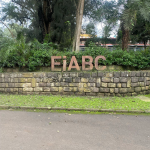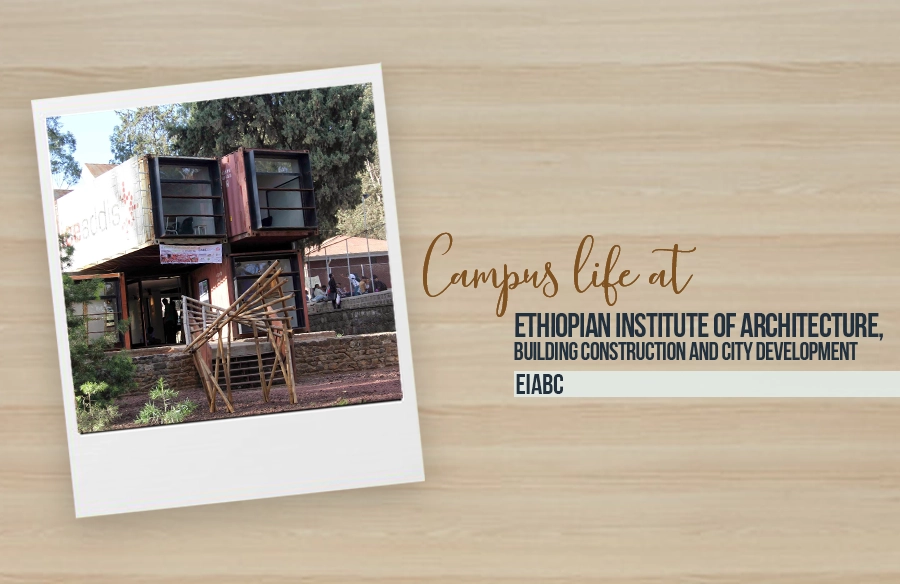
The first day at college was a bit uncertain. Even though I had decided to pursue my degree at Addis Ababa University, being in the exact place where I had dreamed of studying felt different. Most of the seniors, successful architects, and well-known figures in the field studied here. One of the major questions in the industry is often, “Where did you study your degree?” and mentioning EIABC carries significant weight.
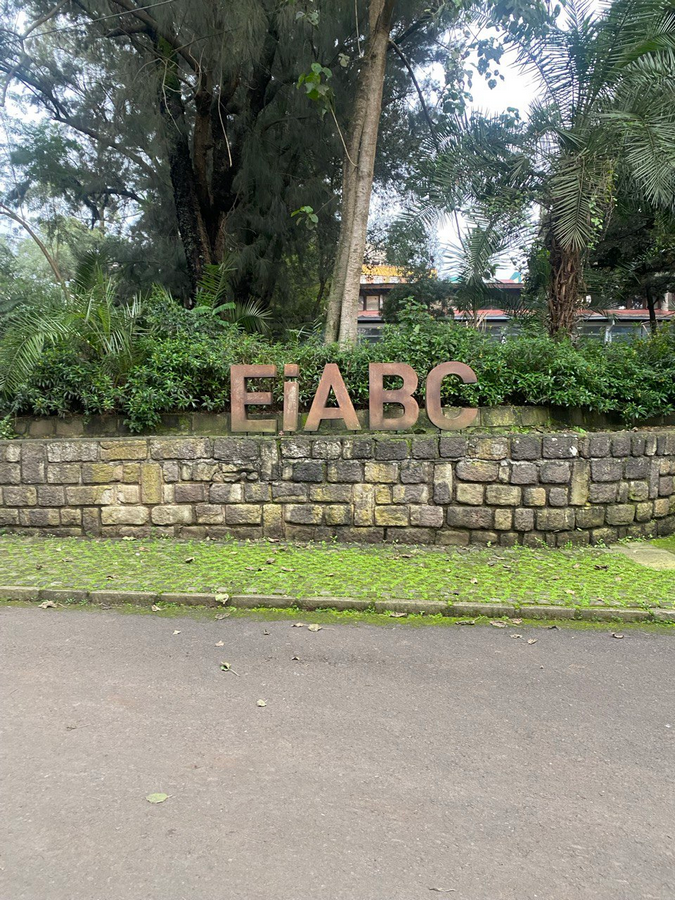
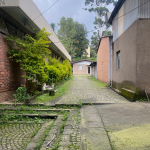
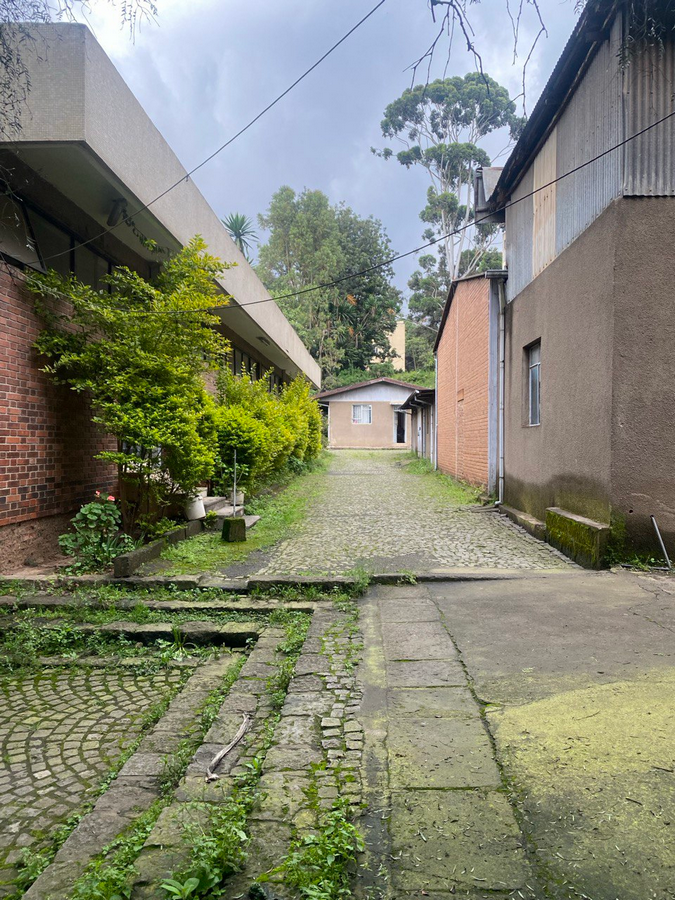
The green compounds of the college, small brick-built houses, and clean roads create a distinct architectural atmosphere that is immediately visible and welcoming. The asphalt roads are well-maintained, and the buildings clearly show their age, reflecting the history and character of the campus.
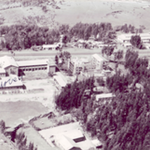
The Ethiopian Institute of Architecture, Building Construction, and City Development, currently known as EIABC, is located in Addis Ababa and is part of Addis Ababa University. It was established in 1954. Previously, it was known as the Swedish Institute, also referred to as the Building College. The institute was founded through a bilateral agreement between the Ethiopian and Swedish governments.
The initial education program began in 1955, offering a three-year diploma, which was later upgraded to a four-year Bachelor of Science degree in Building Engineering. From 1969 to 2009, the Building College and the College of Engineering merged to form the Faculty of Technology under Addis Ababa University.
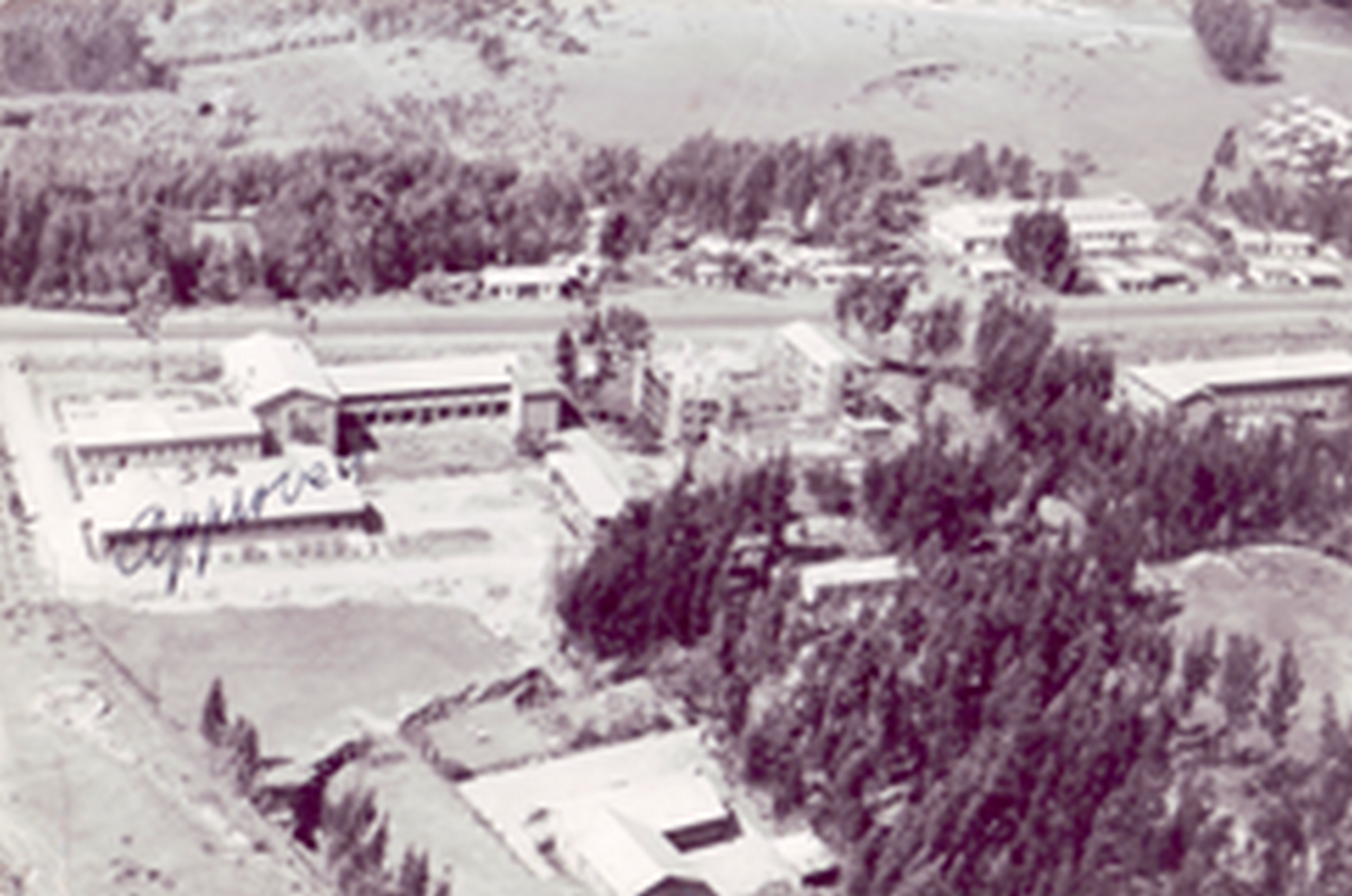
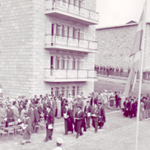
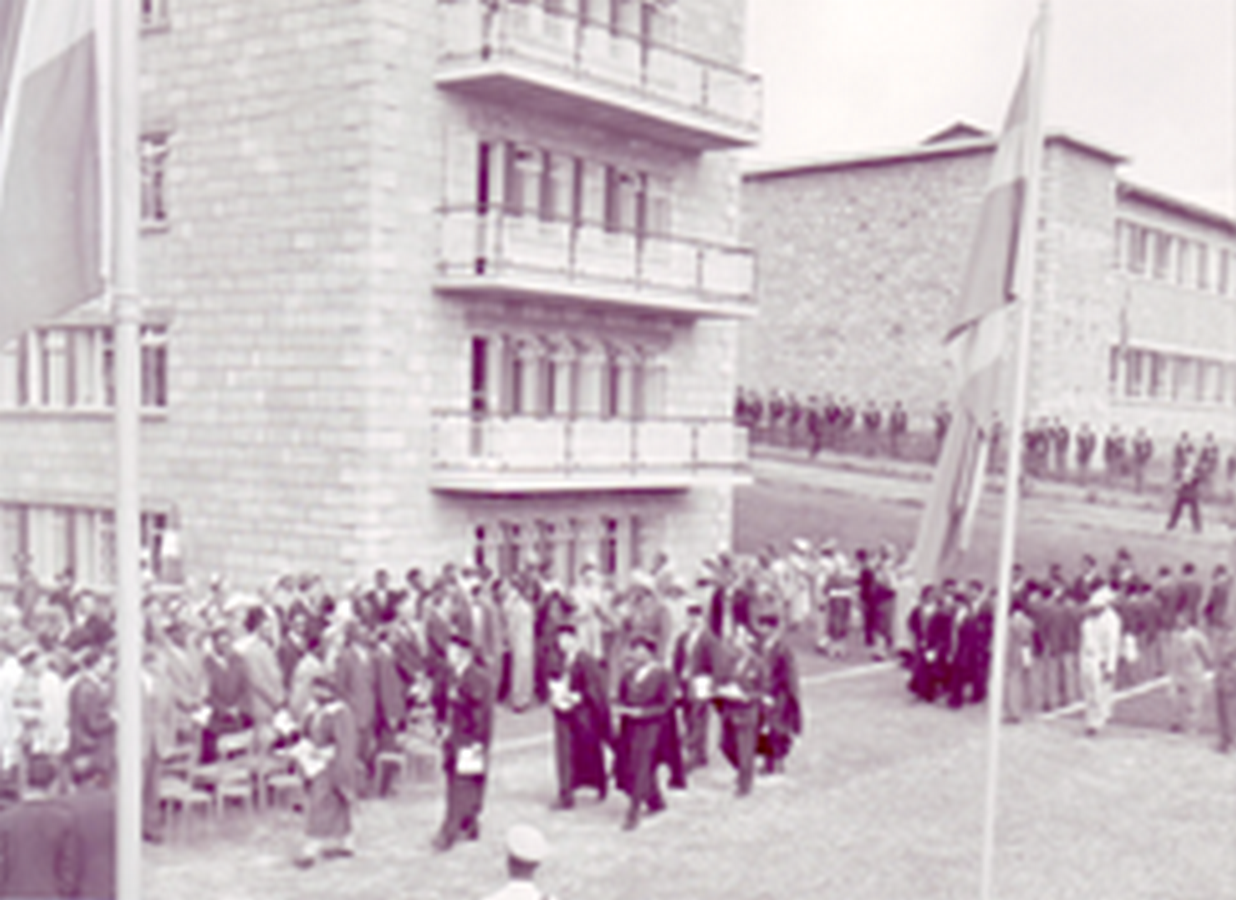
The institute’s first graduation took place in 1959, attended by Emperor Haile Selassie. In 2005, the nation introduced a unified Bachelor’s and Master’s system in Ethiopia, creating internationally recognized curricula in Architecture, Urban Planning, and Engineering. EIABC partnered with the Department of Architecture at ETH Zürich, Switzerland, as a strategic partner. This collaboration established an academic structure built on continuous faculty and student exchange. It also enabled cooperation projects and research activities, ranging from urban design studios to full-scale prototypical construction proposals (Devex, 2026).
Multidisciplinary Focus: Design and Sustainability
EIABC is a multidisciplinary think tank operating under the headline Design and Sustainability, where experts from all fields of the built environment collaborate on strategies for Ethiopia’s future cities. The institute emphasizes the importance of urban planning and its role in city development. EIABC has been actively working with the City of Addis Ababa and has maintained several successful cooperative initiatives.
Reformed in 2010 as an autonomous Institute of Technology under Addis Ababa University, EIABC aims to foster development, capacity, and competitiveness in Architecture, Design, Construction, Urbanism, Environmental Planning, Management, and Technology. The institute offers Bachelor’s, Master’s, and PhD programs, conducts research, and provides consultancy services. It also addresses topics such as private sector support, international standards, quality management, and professional education (Super User, 2020).
Programs and Academic Opportunities
EIABC has more than 3,000 students and offers academic opportunities in various programs. The Bachelor’s programs include Architecture, Construction Technology Management, and Urban and Regional Planning.
Joining a Master’s degree at EIABC requires an entrance exam, which is taken on the first day. Although the programs are diverse it includes Architectural Design, Preservation and Conservation of Historical Buildings and Sites, Urban Design and Development, Housing and Sustainable Development, Landscape Architecture, and Environmental Planning. The entrance exams vary according to the department and program. Admission also requires a specific GPA. Typically, there are two types of assessments: interviews and written exams. For design-related programs, the written exams may include practical design tasks. The Master’s programs generally last two years. Most programs follow a regular schedule, while Urban and Management courses may offer optional extensions and weekend classes.
The campus includes academic buildings, research centers such as the Materials Research and Testing Center, and facilities for workshops and exhibitions. Students also have access to dormitories, a cafeteria, and libraries. Now, seeing the campus feels different: green fields with old trees, a football and tennis court, and students engaged in various activities. It no longer feels uncertain. Like every campus, classes can be demanding, but knowing the institute’s credibility opens many doors, making the experience meaningful. The campus is welcoming and open to students who aspire to study architecture, urban planning, and related disciplines. The environment encourages interaction, creativity, and professional growth.
References:
- Devex. (2026). Ethiopian Institute of Architecture, Building Construction and City Development (AAU). Devex.com. Available at: www.devex.com/organizations/ethiopian-institute-of-architecture-building-construction-and-city-development-aau-130782 [Accessed 16 Feb. 2026].
- Super User. (2020). EIABC History. Eiabc.edu.et. Available at: eiabc.edu.et/index.php/about/eiabc-history [Accessed 16 Feb. 2026]