The field of architecture journalism has significantly contributed to our comprehension and admiration of the constructed surroundings. This type of journalism has evolved remarkably from its early beginnings to the present, with the digital age bringing about previously unheard-of innovations. We will go into the rich history of architecture journalism in this essay, looking at its inception, significant advancements, and adaptations to the digital age.
The earliest roots of journalism about architecture:
Journalistic coverage of architecture has its origins in the print media that began to appear in the 18th and 19th centuries. It became more important to have educated conversations about architecture as civilizations grew more urbanized. Early publications, such architectural journals and magazines, served as a forum for the exchange of ideas, criticism of designs, and discussion of new trends among architects, enthusiasts, and critics.
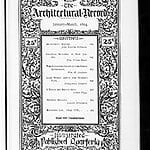
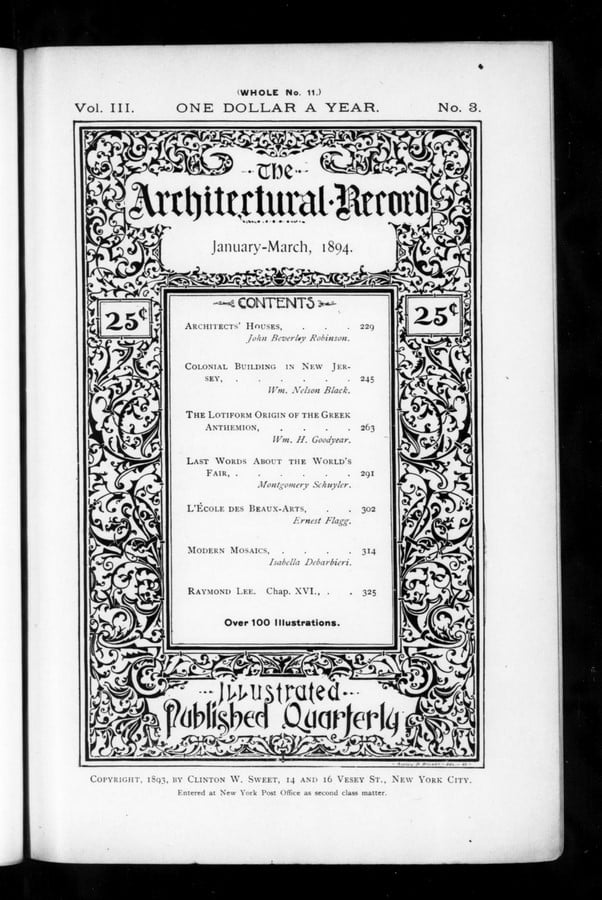
“The Builder,” a British magazine established in 1843, is one prominent example. Architects, engineers, and builders may share ideas and exhibit their work in this publication. Comparably, the American journal “Architectural Record” rose to prominence in the architectural community after it started publishing in 1891. These pioneering endeavors established the foundation for a niche type of journalism that concentrated on the built environment.
The Growth of Criticism in Architecture:
Within architecture journalism, architectural critique emerged as a separate genre in the 20th century. Public opinion and architectural discourse were greatly influenced by influential critics such as Reyner Banham in the UK and Ada Louise Huxtable in the US. Their essays discussed the social, cultural, and political ramifications of architectural design in addition to providing detailed descriptions of specific buildings.
As they helped readers navigate the complexity of architectural theory and practice, architecture critics became as crucial arbiters of taste. They contributed to the intellectual advancement of the subject by critiquing architectural movements and more general urban planning ideas in their writings, in addition to evaluating specific buildings.

III. Television and Film Adaptations:
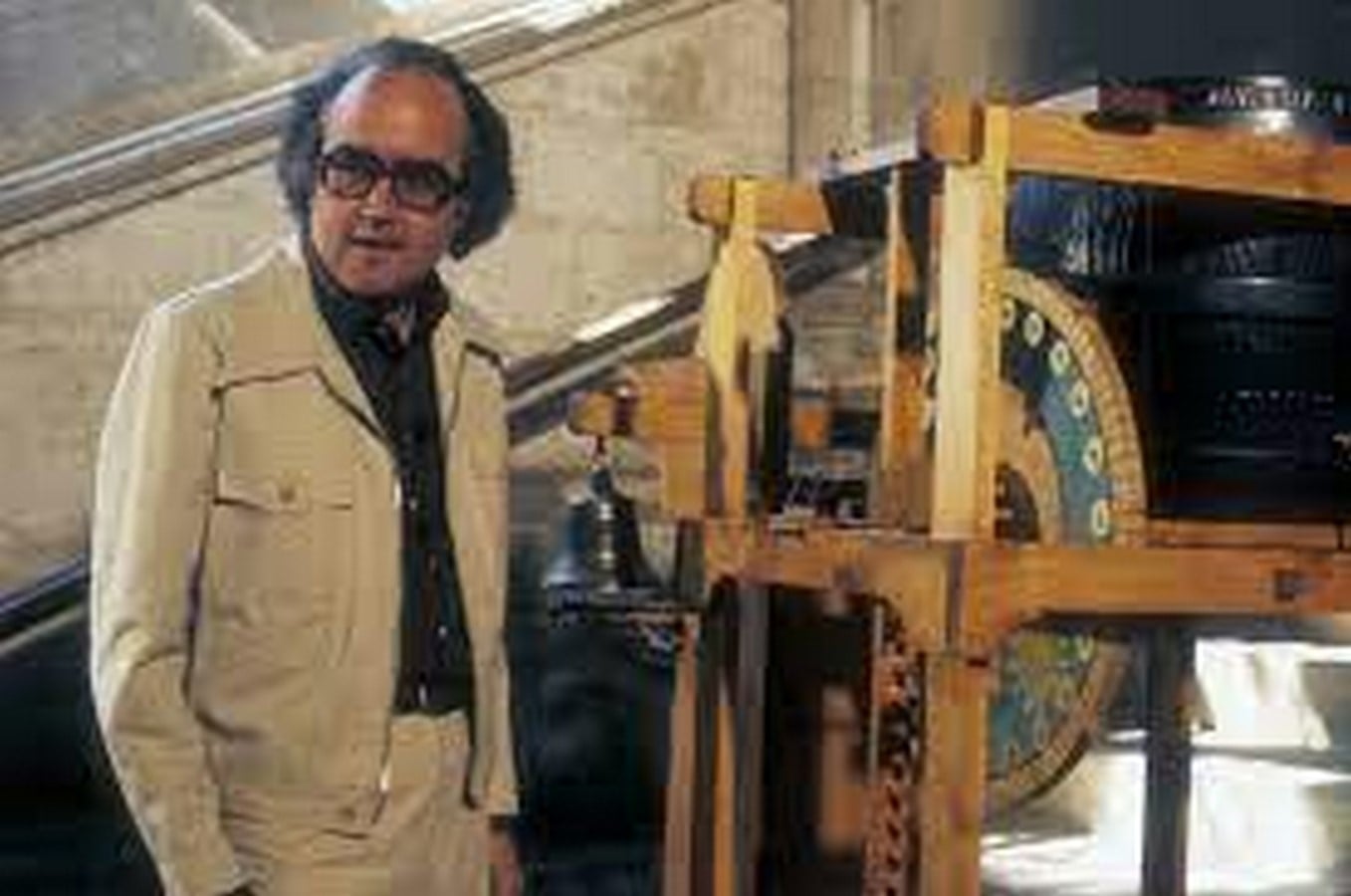
With the introduction of television and film in the middle of the 20th century, architecture journalism began to reach a wider audience beyond the written page. Television shows and documentaries like James Burke’s “Connections” and John Betjeman’s “Great Railway Journeys” expanded the audience for architectural narratives. These visual media showcased the beauty of buildings and the artistic process that went into their design, giving viewers a more immersive experience with architecture.
With the development of technology, multimedia mediums such as audio, video, and photography were adopted by architecture journalists. This change improved the storytelling element while also accommodating the tastes of a wide range of viewers, making architectural content more approachable and interesting.
The Revolution of the Digital Age:
The introduction of the internet was a game-changer for architecture journalism. Unprecedented potential for diffusion, interaction, and collaboration have been made possible by the digital age. Through the use of online platforms, the architectural world became more integrated as geographical barriers were removed and architects, critics, and fans could share their work with a global audience.
Social media, blogs, and forums emerged as new venues for architectural conversation. Readers might participate in conversations about the newest designs, reviewers could post critiques in real time, and architects could display their portfolios. By democratizing information, more voices were able to join in architectural discussions, upending established hierarchies and broadening the field’s focus.
Visual storytelling and social media:
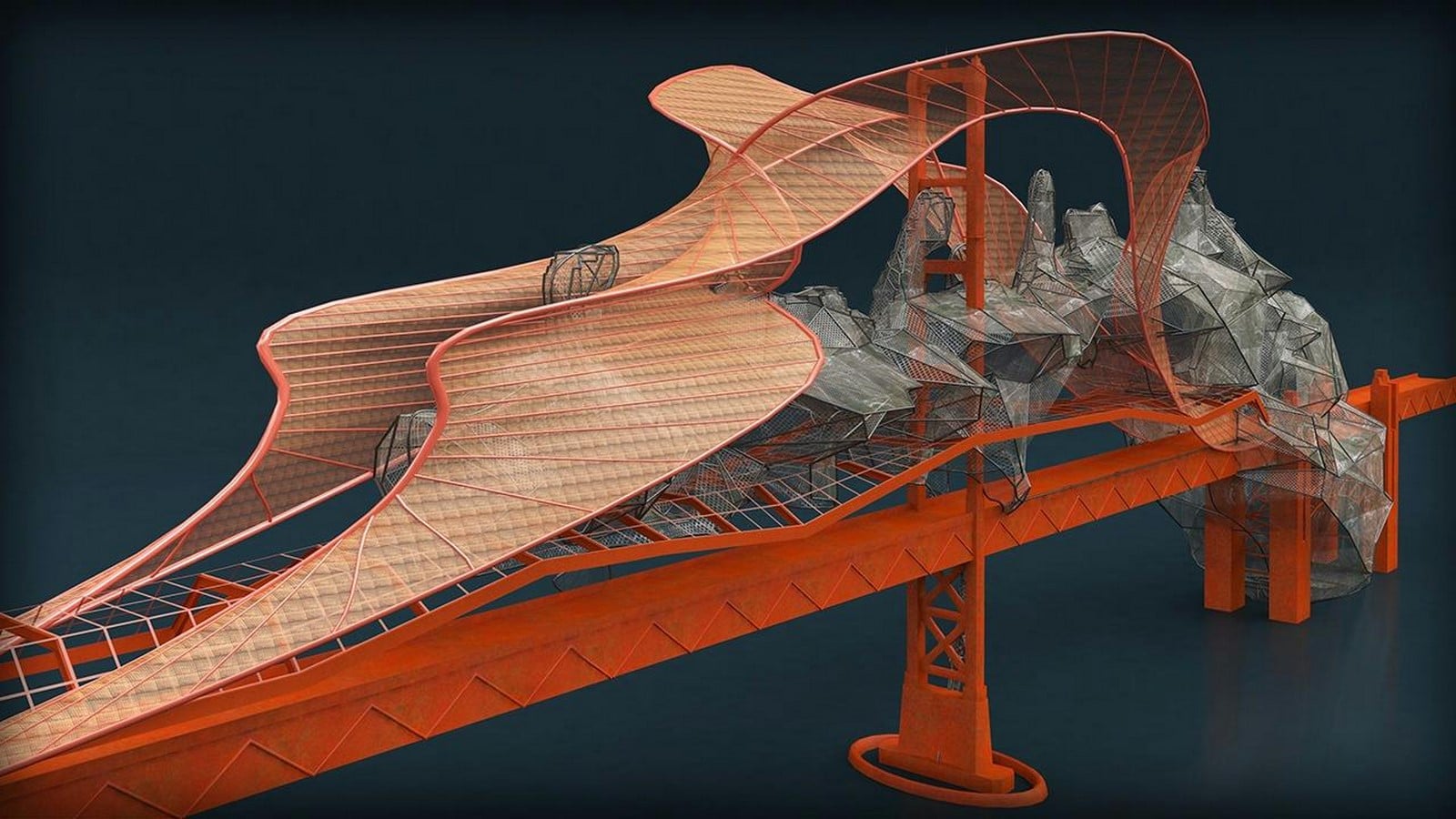
The emergence of social media sites like Pinterest, Instagram, and Twitter has further changed the field of architecture journalism. With the ability to rapidly share their work with a large worldwide audience, architects and designers could now gain recognition and feedback. With pictures and brief movies effectively capturing the spirit of architectural projects, visual storytelling has grown in strength.
Traditional long-form essays about architecture gave way to more visually stimulating content. Social media sites like Instagram evolved into online galleries where photographers and architects could create visually spectacular feeds that highlighted the elegance of architectural design in a scrollable layout. In addition to adapting to the evolving tastes of the audience, this change in presenting style created new opportunities for cooperation between photographers, architects, and other creatives.

The Digital Age’s Challenges and Opportunities:
Architecture journalism has benefited greatly from the internet age, but there have also been drawbacks. The rapid dissemination of information on the internet can occasionally result in discussions that are too superficial and prioritize aesthetics over in-depth analysis. The democratization of voices may also lead to information saturation, which makes it difficult for readers to distinguish between reliable sources and professional judgments.
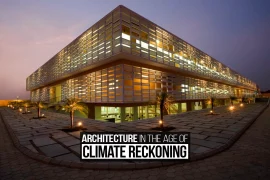
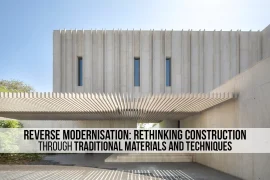
But there are also new chances for creativity and experimentation thanks to the digital era. Users can now see rooms before they are built thanks to technologies like virtual reality (VR) and augmented reality (AR), which have allowed architects to present their concepts in immersive ways. Online publications that provide a carefully chosen collection of projects, news, and thought-provoking conversations, such as ReThinking the Future, ArchDaily and Dezeen, have emerged as significant centers for architectural information.
In summary, the history of architecture journalism is an intriguing one that stretches throughout several centuries, from the first days of print media to the ever-changing digital era. This field’s development is a reflection of greater changes in society, advances in technology, and changes in the ways that we consume information. Despite certain obstacles, the digital era has given architects, critics, and enthusiasts never-before-seen opportunity to interact with the built environment in fresh and fascinating ways. As we commemorate the first anniversary of architecture journalism and celebrate its rich past, we also look forward to future innovation and change that will continue to shape how we view and value the architectural world.