Stadiums – Community Architecture – 20 Types of Architecture thesis topics
In the realm of architecture, the intersection of design and community functionality is exemplified in the fascinating domain of stadium architecture. Stadiums, beyond being mere structures for sports and entertainment, serve as epicenters of community engagement, fostering a sense of collective identity and pride. This article delves into the intricate world of community architecture within stadiums, offering valuable insights for architecture students considering this dynamic topic for their thesis.
The Evolution of Stadium Design
Historical Perspectives
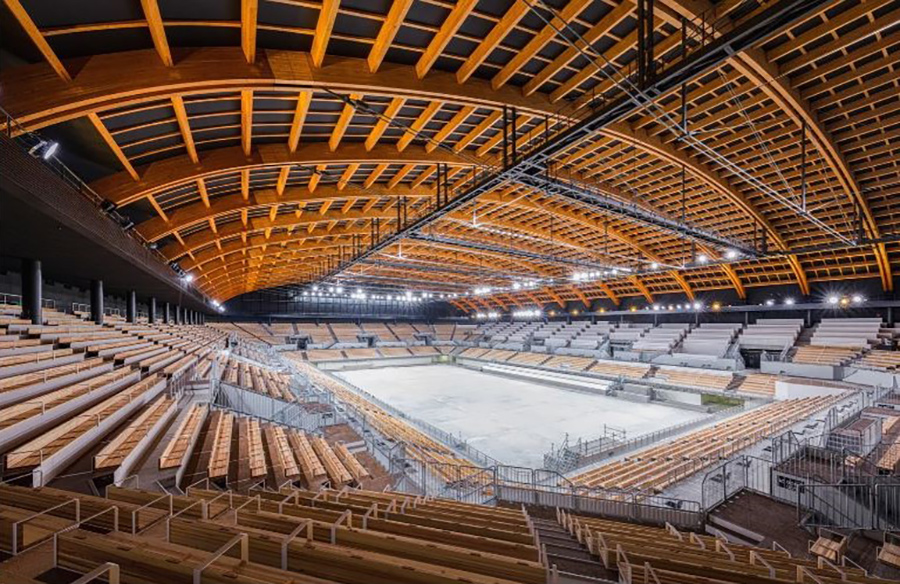
Stadium architecture has undergone a remarkable evolution, mirroring societal shifts and technological advancements. From ancient amphitheaters to modern-day marvels, the typology of stadium design has adapted to diverse cultural, functional, and aesthetic demands.
Integration of Technology
Contemporary stadium design integrates cutting-edge technology to enhance spectator experiences. Giant LED screens, smart seating arrangements, and immersive sound systems contribute to the overall ambiance, creating an environment that extends beyond the physical boundaries of the structure.
Community-centric Design Principles
Inclusivity and Accessibility
One hallmark of community architecture is its emphasis on inclusivity and accessibility. Stadiums are no exception, with designers striving to create spaces that cater to diverse demographics. Wheelchair-accessible seating, sensory-friendly areas, and facilities for the elderly exemplify the commitment to making these spaces welcoming for everyone.
Multifunctional Spaces
Modern stadiums are designed as multifunctional spaces, serving as venues for not only sports events but also concerts, cultural festivals, and community gatherings. This adaptability ensures that the stadium remains an active hub throughout the year, fostering a continuous connection between the structure and the community.
Architectural Elements Shaping Community Interaction
Fan Zones and Social Spaces
Architects keen on community-centric design integrate fan zones and social spaces within the stadium layout. These areas provide platforms for fans to interact, share experiences, and strengthen communal bonds. From themed restaurants to interactive exhibits, these spaces go beyond the traditional seating bowl, transforming the stadium into a social nexus.
Green Spaces and Sustainable Practices
A vital aspect of contemporary stadium architecture involves incorporating green spaces and sustainable practices. Rooftop gardens, permeable surfaces, and energy-efficient systems contribute not only to environmental conservation but also to the creation of aesthetically pleasing spaces where the community can gather and connect with nature.
Case Studies: Exemplars of Community Architecture
Allianz Arena, Munich
The Allianz Arena in Munich stands as a beacon of community-centric stadium design. With its iconic illuminated façade and innovative use of ETFE (ethylene tetrafluoroethylene) panels, the stadium not only provides a cutting-edge visual experience but also serves as a community focal point through guided tours, exhibitions, and events beyond sports fixtures.
Banc of California Stadium, Los Angeles
Situated in the heart of Los Angeles, the Banc of California Stadium exemplifies a commitment to inclusivity. Its design incorporates ADA-compliant features, dedicated family zones, and spaces that cater to the diverse demographics of the community. The stadium’s location within a larger entertainment complex reinforces its role as a community hub.
The Role of Community Architecture in Urban Planning
Urban Integration
Stadiums are integral components of urban landscapes, and their design significantly influences the surrounding areas. Architects and urban planners collaborate to ensure seamless integration, considering factors such as transportation, parking, and the creation of pedestrian-friendly zones. This approach enhances the stadium’s role as a community asset rather than a standalone structure.
Economic Impact
Beyond cultural significance, community architecture, especially stadiums, has a substantial economic impact on the surrounding areas. The influx of visitors, revenue from events, and the development of adjacent commercial spaces contribute to the overall economic vitality of the community.
The Thesis Journey: Navigating the Depths of Community-centric Stadium Architecture
Research Methodology
For students embarking on a thesis exploring community-centric stadium architecture, a robust research methodology is crucial. This involves a comprehensive literature review, case studies, interviews with architects and community stakeholders, and an analysis of the social, cultural, and economic impact of existing stadium designs.
Design Considerations
Aspiring architects should delve into the intricacies of designing for community engagement. This includes understanding the demographic profile of the community, incorporating sustainable practices, and exploring innovative technologies that enhance the overall user experience.
Collaboration with Stakeholders
Successful community architecture involves collaboration with various stakeholders, including city officials, community leaders, and potential users of the stadium. Engaging in a participatory design process ensures that the final product aligns with the needs and aspirations of the community it serves.
Conclusion: Shaping the Future of Community-centric Stadium Architecture
Stadiums, as symbols of community identity and pride, continue to evolve as architects push boundaries and redefine the norms of design. The integration of technology, a focus on inclusivity, and a commitment to sustainability are driving forces shaping the future of community-centric stadium architecture. For students of architecture, embarking on a thesis journey within this dynamic field promises a rich exploration of design principles, societal dynamics, and the transformative power of architectural innovation.
In summary, the marriage of architecture, interior design, and urban planning within the context of stadium design epitomizes the multifaceted nature of community architecture. From historical perspectives to contemporary exemplars, the journey through the realm of stadiums as community architecture is a captivating exploration of form, function, and the enduring connection between built environments and the communities they serve.