The construction sector significantly impacts global energy consumption and greenhouse gas emissions, accounting for around 40% of total energy use and 36% of CO2 emissions. With the rapid pace of urbanization and the increasing urgency of climate change, sustainable design approaches have gained prominence in both architecture and engineering fields. As integral parts of bioclimatic design, living façades are intended to enhance the resilience and adaptability of buildings to climate change. Dressed with a variety of plant species, these walls not only enhance the visual appeal of urban areas but also provide a range of environmental and social benefits. Green façades enhance air quality, which is often degraded by human activities. Through photosynthesis, plants absorb carbon dioxide and release oxygen, effectively purifying the air naturally.
Beyond Glass Skins : Breathable façade
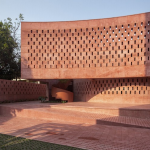
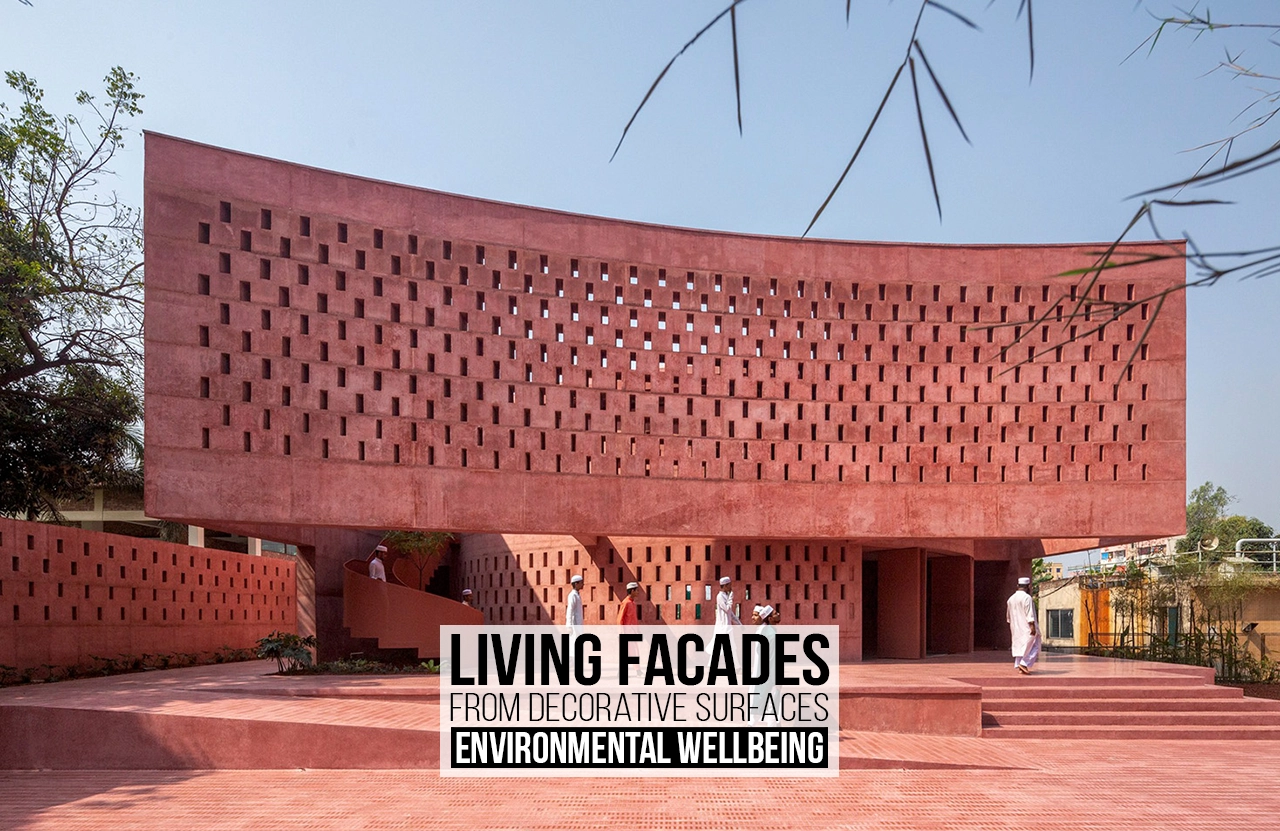
A breathable façade is a building skin designed to control the exchange of air, heat, moisture, and light between the interior and exterior environments. Unlike sealed façades that depend largely on mechanical ventilation and air-conditioning systems, breathable envelopes operate in concert with climatic conditions to create healthier and more energy-efficient environments. They are inspired by vernacular architecture, where buildings were traditionally modified to local climates using passive cooling, shading, and ventilation strategies. By merging modern materials, computational technologies, and environmental engineering, current breathable façades reinterpret these principles for today’s urban landscape.
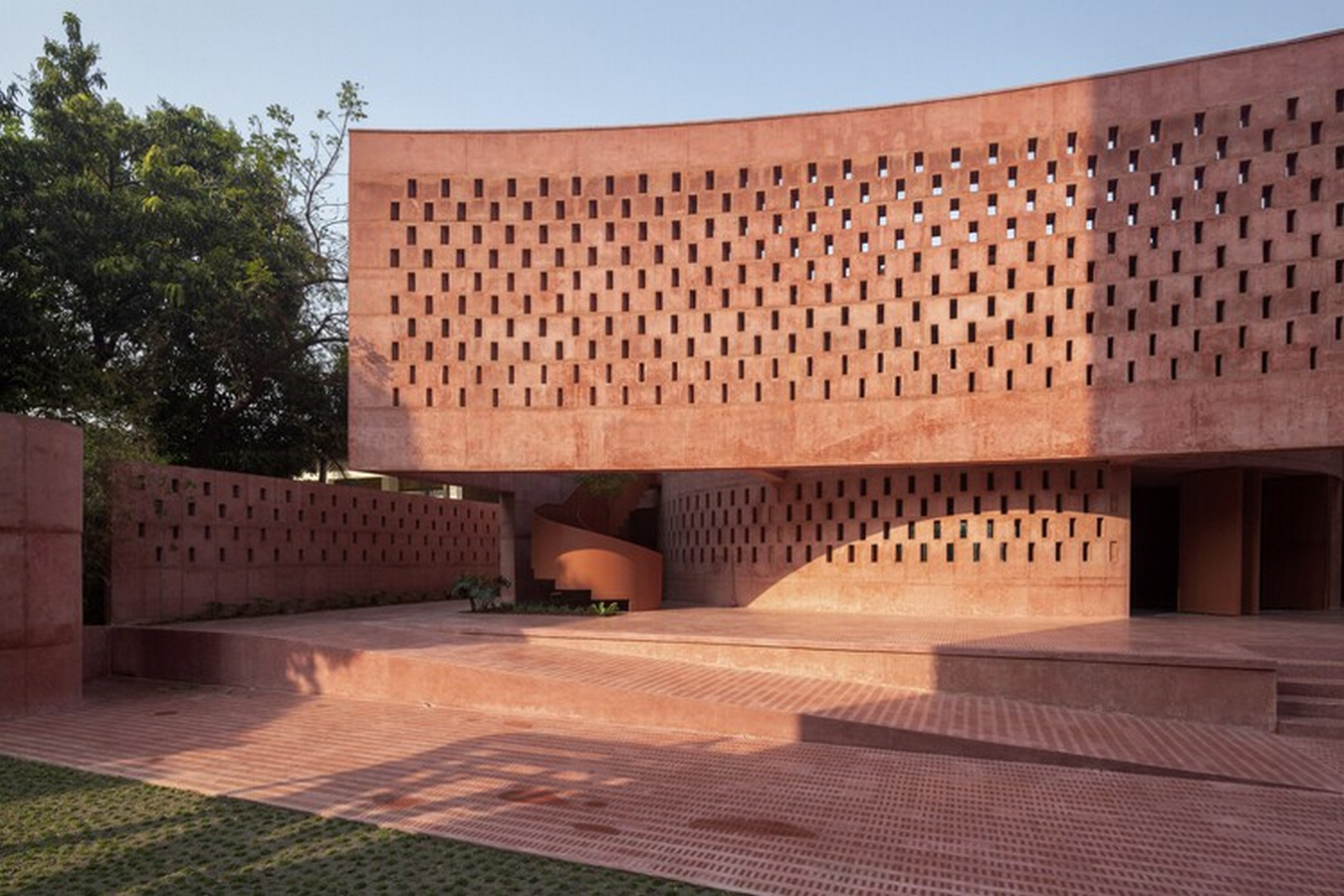
Often, in instances of vernacular architecture that are suitably adapted to local climates, the presence of natural elements in our built environments is exploited and modified to become a beneficial factor that contributes to the comfort of these spaces. A key example is natural ventilation, a passive strategy that utilizes winds and cross-ventilation to introduce fresh air indoors, aiding in the regulation of temperature, humidity, and air flow. Even without these mitigating factors, historical buildings constructed from natural materials like wood, stone, and adobe are generally more permeable, permitting some water ingress. This factor should be considered particularly when restoring historical façades, since the addition of modern impermeable layers can disrupt the original balance, potentially trapping water within specific substructures and resulting in accelerated deterioration.
Green façades and living walls have become a significant aspect of breathable envelope design. By incorporating vegetation into building exteriors, architects can enhance thermal insulation, mitigate urban heat island effects, and promote biodiversity. Plants serve as natural filters, absorbing pollutants and cooling the surrounding air through the process of evapotranspiration. Additionally, green façades support psychological well-being by re-establishing a connection between urban residents and nature. The inclusion of living systems in architectural envelopes signifies a wider movement towards regenerative design principles.
Ventilated façades
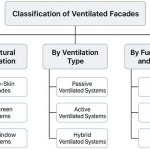
The rise of fully glazed curtain walls during the late twentieth and early twenty-first centuries illustrated architecture’s preoccupation with transparency and minimalism. Although visually captivating, such façades often struggled in hot climates, causing excessive solar heat gain, glare, and an increased reliance on artificial cooling systems. The environmental repercussions of these sealed systems revealed the limitations of favoring appearance over performance. Ventilated façade systems can be classified based on different criteria found in the literature, which include their physical structure, air circulation methods, and control functionalities. A commonly recognized and thorough classification method organizes these systems into three primary dimensions: structural configuration, type of ventilation, and functionality/control strategy.
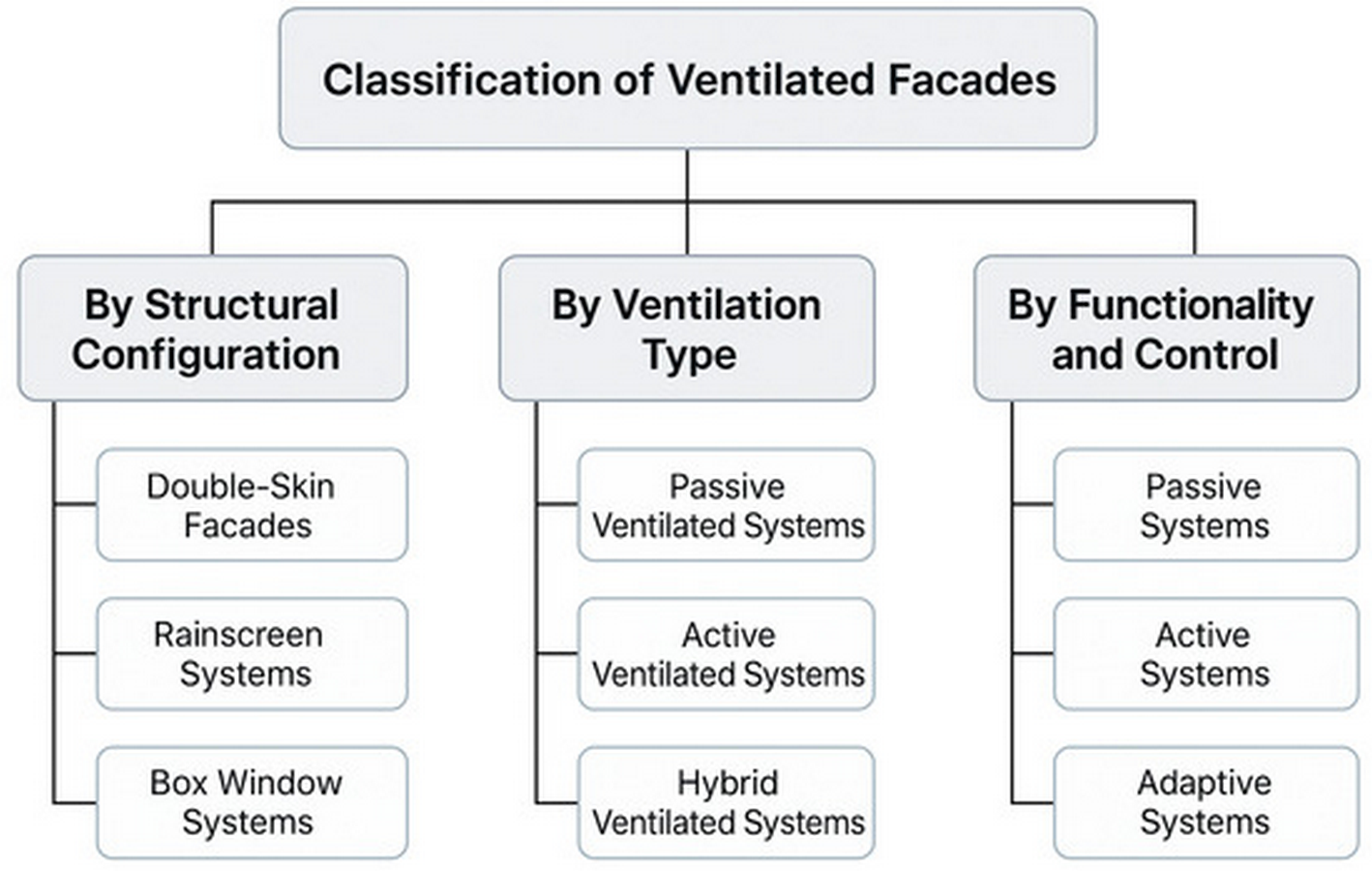
Ventilated façades are well-known for their capacity to decrease cooling loads in structures while simultaneously improving heating efficiency during colder months. By capturing and expelling a significant portion of incoming solar heat, it significantly reduces the heat gain that would otherwise infiltrate the building, thus decreasing the reliance on cooling systems. Moreover, during cold weather or heating periods, the ventilated cavity can be adjusted to enhance thermal performance, such as by closing vents or reclaiming heat from the cavity air, which aids in energy savings for heating. This dual advantage has been validated through both experimental research and comprehensive building energy simulations in the last ten years.
Double-skin façades
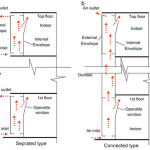
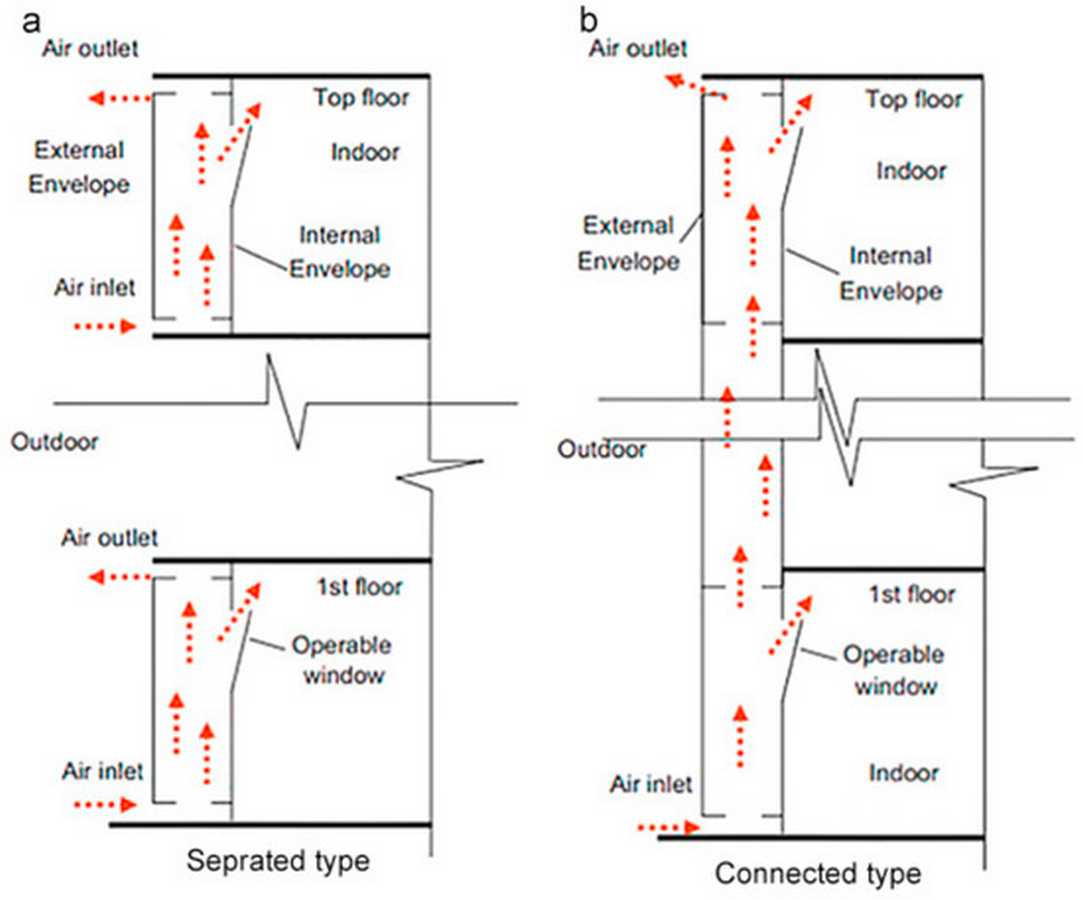
Double-skin façades are among the most significant advancements in breathable building envelopes. These systems generally comprise two layers of glazing with a ventilated cavity in between. The air that flows within this cavity serves as an insulating barrier, minimizing heat transfer and enhancing thermal regulation. Based on the climate, the cavity can either retain heat in the winter or release excess heat in the summer via stack ventilation. In addition to thermal advantages, double-skin façades improve acoustic insulation and manage daylight effectively. Their versatility illustrates how façades can function as smart environmental systems instead of merely passive surfaces.
The Commerzbank headquarters
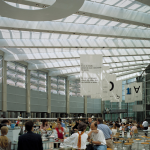
The Commerzbank headquarters in Frankfurt, crafted by Norman Foster, is frequently recognized as a groundbreaking instance of climate-responsive façade design. Completed in 1997, the tower featured naturally ventilated office areas and sky gardens that facilitated fresh air movement throughout the structure. Instead of relying solely on air-conditioning, the design incorporated operable windows and a central atrium to promote natural airflow. This method contested the common belief that high-rise office buildings necessitated completely sealed façades.

The building’s design features a triangular layout, consisting of three petals that represent the office floors, along with a stem created by a full-height central atrium. Winter gardens spiral around the atrium, serving as the visual and social centerpiece for clusters of offices spanning four storeys. Externally, these sky gardens impart a feeling of transparency and lightness to the structure. Socially, they act as gathering spots for office clusters, offering areas for colleagues to meet or unwind during breaks. Environmentally, they enhance the central atrium with light and fresh air, functioning as a natural ventilation chimney for the inward-facing offices. Depending on the orientation of each garden, the planting is sourced from one of three regions: North America, Asia, or the Mediterranean. The tower stands out prominently on the Frankfurt skyline while being integrated into the lower-scale urban landscape, achieved through the careful restoration and rebuilding of the surrounding structures to maintain the original block’s scale.
The Al Bahar Towers
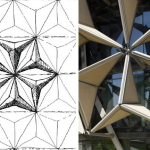
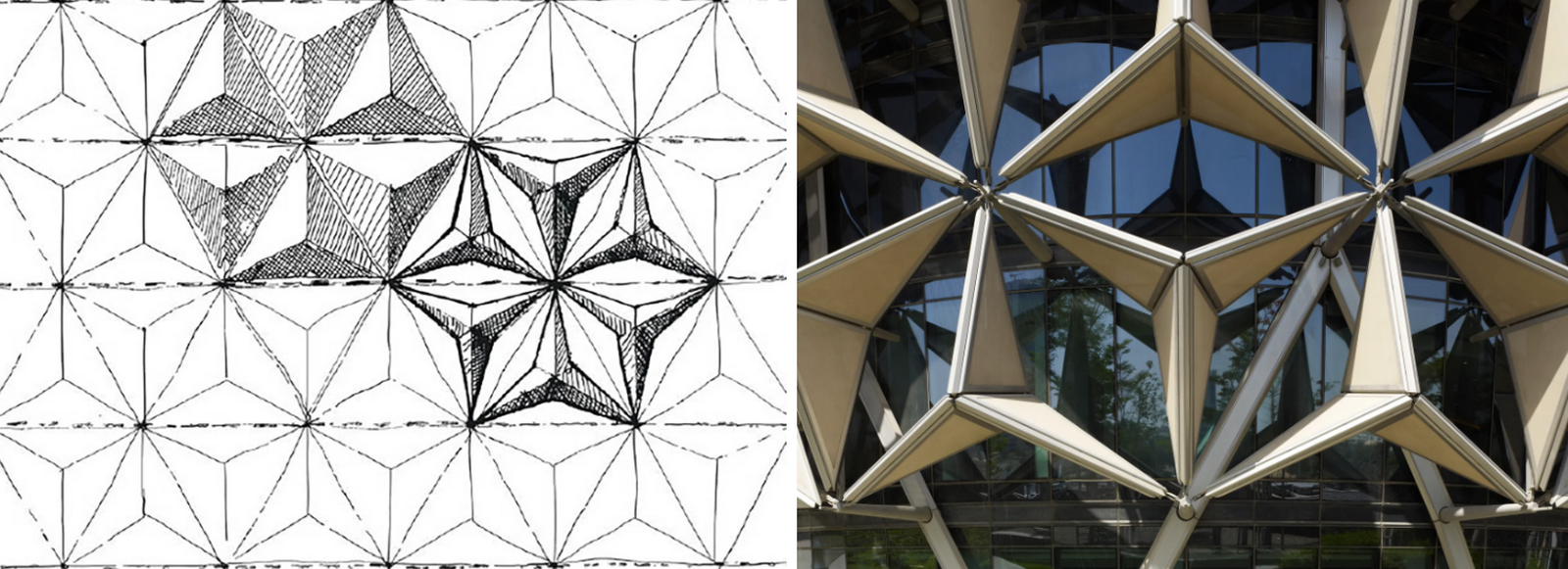
Similarly, the Al Bahar Towers in Abu Dhabi have transformed traditional Islamic shading systems through innovative technology. The design of the Al Bahar Towers is inspired by the idea of adaptive flowers and the ‘Mashrabiya’, which is a wooden lattice shading screen. The Mashrabiya serves as an additional layer that regulates daylight, minimizing glare. The geometry of this shading screen adjusts according to the sun’s movement, decreasing solar gain by as much as 50%, while also enhancing visibility by managing the incoming light.
The Bosco Verticale
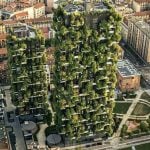
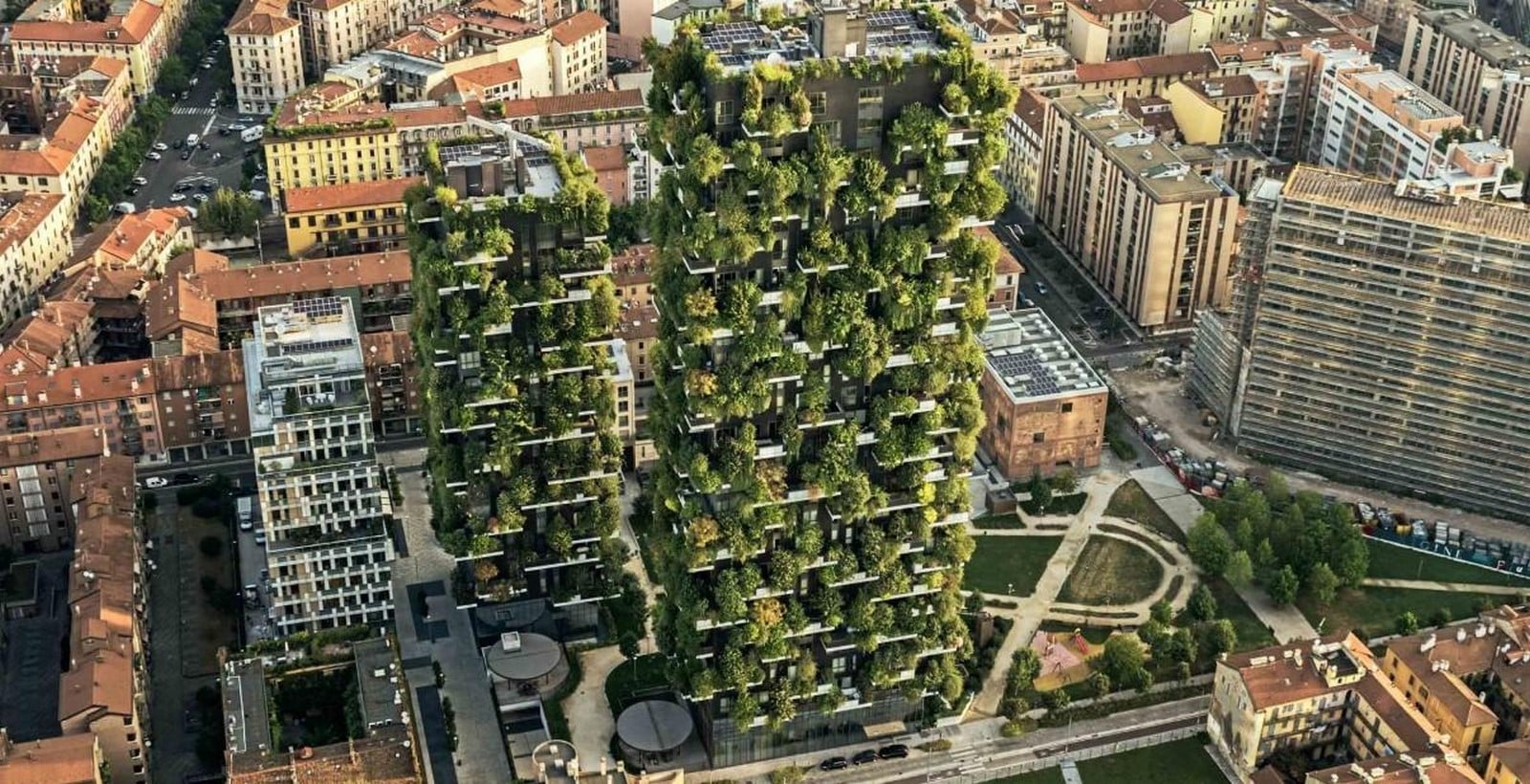
The Bosco Verticale in Milan exemplifies a green residential structure, serving as a project for urban forestry that aids in environmental regeneration and enhances urban biodiversity without increasing the city’s footprint. It stands as a model for the vertical integration of nature within urban settings, aligning with policies for urban forestry and the application of nature-based solutions. This initiative comprises two residential towers, measuring 110 and 76 meters tall, situated in the heart of Milan’s Porta Nuova district, featuring 800 trees, 4,500 shrubs, and 20,000 plants from a hundred diverse species, arranged according to the sun exposure of the building’s façade.
Key findings
The introduction of high-performance, breathable façades signifies a major shift in modern architectural ideology, where buildings are increasingly viewed as environmentally responsive systems rather than just aesthetic objects. This evolution reflects a broader realization that sustainability cannot be achieved through visual aesthetics alone, but must be rooted in responsible performance throughout the entire lifecycle of a building, from material selection and construction to operation, maintenance, and eventual re-use. As the most prominent and climate-exposed feature of a structure, the façade is crucial in managing airflow, daylight, heat, and moisture while also influencing the occupant experience. Consequently, contemporary architecture is redefining beauty through efficiency, adaptability, and environmental intelligence rather than through excessive ornamentation or grand appearances. In the context of rapid urbanization, rising global temperatures, and increasing energy consumption, breathable façades offer a vital strategy for reducing carbon emissions and enhancing thermal comfort through passive environmental control. While these systems may involve higher initial costs, technical complexity, and maintenance challenges, their long-term benefits significantly outweigh these limitations. Improved indoor air quality, reduced operational energy demand, enhanced occupant wellbeing, and greater durability contribute to the overall lifecycle value and resilience of buildings. Additionally, advancements in material technology, smart systems, and climate-responsive design continue to strengthen the effectiveness of breathable envelopes in diverse environmental conditions. Ultimately, the evolution from sealed and purely decorative façades towards dynamic, breathable building skins demonstrate how architecture is moving beyond spectacle towards ecological responsibility and human-centered design.
References:
Image 1- Breathable façade using natural material
https://www.archdaily.com/1014646/how-breathable-should- façades-be-exploring-permeability-and-impermeability-in-building-envelopes
Image 2- Ventilated façades classification
https://www.mdpi.com/2227-9717/13/7/2275
Image 3- Double skin façades
https://www.mdpi.com/2227-9717/13/7/2275
Image 4- The Commerzbank headquarters
https://www.fosterandpartners.com/projects/commerzbank-headquarters
Image 5- The Al Bahar Towers Design
https://www.ahr.co.uk/projects/al-bahr-towers
Image 6- The Bosco Verticale
https://www.stefanoboeriarchitetti.net/en/project/vertical-forest/