

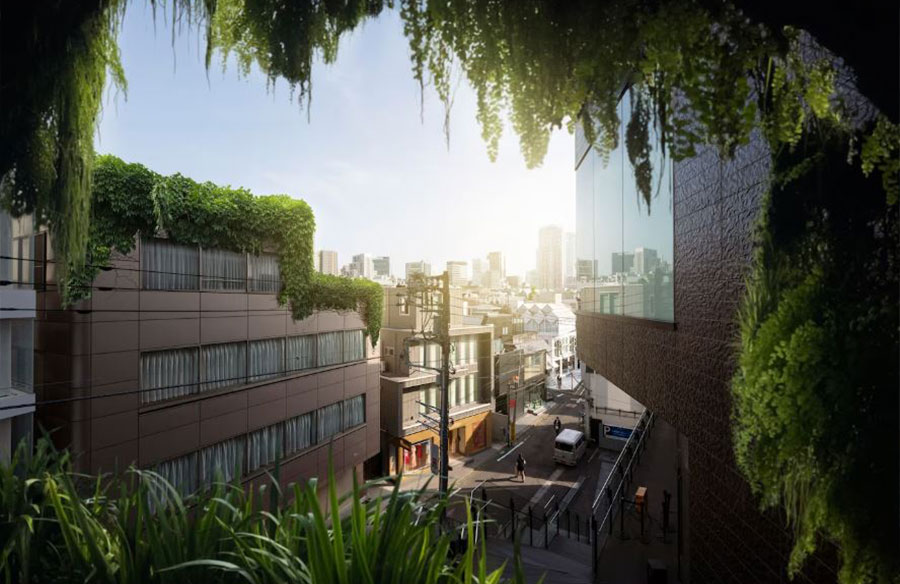
As urban areas grow denser, the quest for sustainable and aesthetically pleasing architectural solutions has led to a surge in green facades. These living walls, which integrate vegetation into the design of building exteriors, are not just a visual statement; they represent a shift toward environmentally conscious urban design. By merging nature with architecture, green facades are transforming cityscapes worldwide, offering a host of benefits for both people and the planet.
The rise of green facades has also influenced industries like commercial facade restoration, as property owners seek to incorporate sustainability into their building maintenance and upgrades. This growing trend is reshaping how we think about urban spaces, providing actionable ways to create healthier, more sustainable environments.
What Are Green Facades?
Green facades are vertical gardens that use climbing plants, shrubs, or modular vegetation systems to cover the exterior walls of buildings. These systems can be designed in two primary ways:
- Direct green facades: Where climbing plants grow directly on the building wall or a trellis system.
- Living wall systems: Modular panels pre-planted with vegetation, supported by integrated irrigation and drainage systems.
Both types bring greenery to urban spaces, but living wall systems allow for greater creativity, as they can support diverse plant species and complex designs.
Benefits of Green Facades
The appeal of green facades goes far beyond their visual impact. Here are some of the key advantages:
1. Improved Air Quality
Plants absorb pollutants and release oxygen, improving the air quality in congested urban areas. Green facades help mitigate the effects of vehicle emissions and industrial pollution, creating cleaner, more breathable environments.
2. Thermal Regulation
Green facades act as natural insulation, reducing the heat absorbed by buildings in summer and retaining warmth in winter. This can significantly lower energy consumption, reducing heating and cooling costs for property owners.
3. Noise Reduction
The vegetation in green facades absorbs sound waves, reducing noise pollution in busy city centers. This creates quieter, more peaceful environments for residents and workers.
4. Biodiversity
By incorporating plants into urban settings, green facades provide habitats for birds, insects, and other wildlife. This helps support biodiversity, even in highly developed areas.
5. Psychological Benefits
Studies show that exposure to greenery improves mental health and well-being. Green facades contribute to a more pleasant urban environment, fostering relaxation and reducing stress.
Design and Maintenance Challenges
While the benefits are undeniable, green facades also come with challenges. Proper planning and maintenance are essential to ensure their success and longevity.
Selecting the Right Plants
Not all plants are suited to urban environments. Designers must consider factors such as climate, sunlight, and wind exposure when choosing vegetation.
Irrigation and Drainage
Efficient irrigation systems are crucial for keeping plants healthy. Green facades also require adequate drainage to prevent water damage to the building.
Ongoing Maintenance
Regular upkeep is essential to maintain the health and appearance of green facades. This includes pruning, replacing dead plants, and ensuring the irrigation system is functioning correctly.
For existing structures, retrofitting green facades may require specialized support, particularly if the building has undergone wear and tear. In some cases, property owners may need to combine green facade installation with other services, such as commercial facade restoration, to ensure the building is structurally sound before adding vegetation.
How Green Facades Are Changing Urban Landscapes
Green facades are more than a trend—they are a transformative force reshaping urban design. Here’s how they are making an impact:
Reducing the Urban Heat Island Effect
Cities often experience higher temperatures than surrounding rural areas due to heat-absorbing surfaces like concrete and asphalt. Green facades combat this by reducing surface temperatures and promoting a cooler microclimate.
Reconnecting People with Nature
In densely populated urban areas, access to green spaces can be limited. Green facades bring nature closer to where people live and work, creating a sense of connection with the environment.
Enhancing Building Aesthetics
From artistic living wall installations to lush green facades that evolve with the seasons, these designs add beauty and character to cityscapes, making urban areas more vibrant and inviting.
Practical Tips for Adopting Green Facades
If you’re considering a green facade for your commercial property, here are some actionable steps to get started:
- Consult with Experts: Work with architects and horticultural specialists to design a system that suits your building and environment.
- Start Small: If a full-scale green facade feels overwhelming, begin with a smaller installation to test the concept.
- Invest in Maintenance: Budget for ongoing care to ensure your green facade remains healthy and visually appealing.
- Leverage Technology: Use smart irrigation systems to monitor water use and optimize plant care efficiently.
By taking these steps, property owners can enjoy the many benefits of green facades while contributing to a more sustainable urban future.
The integration of green facades into urban design is a powerful testament to how nature and architecture can coexist. As cities continue to grow, embracing these innovations will be essential for creating healthier, more sustainable spaces that benefit both people and the environment. Green facades are not just an aesthetic addition—they are a meaningful step toward reimagining urban life.







