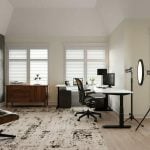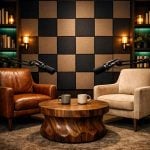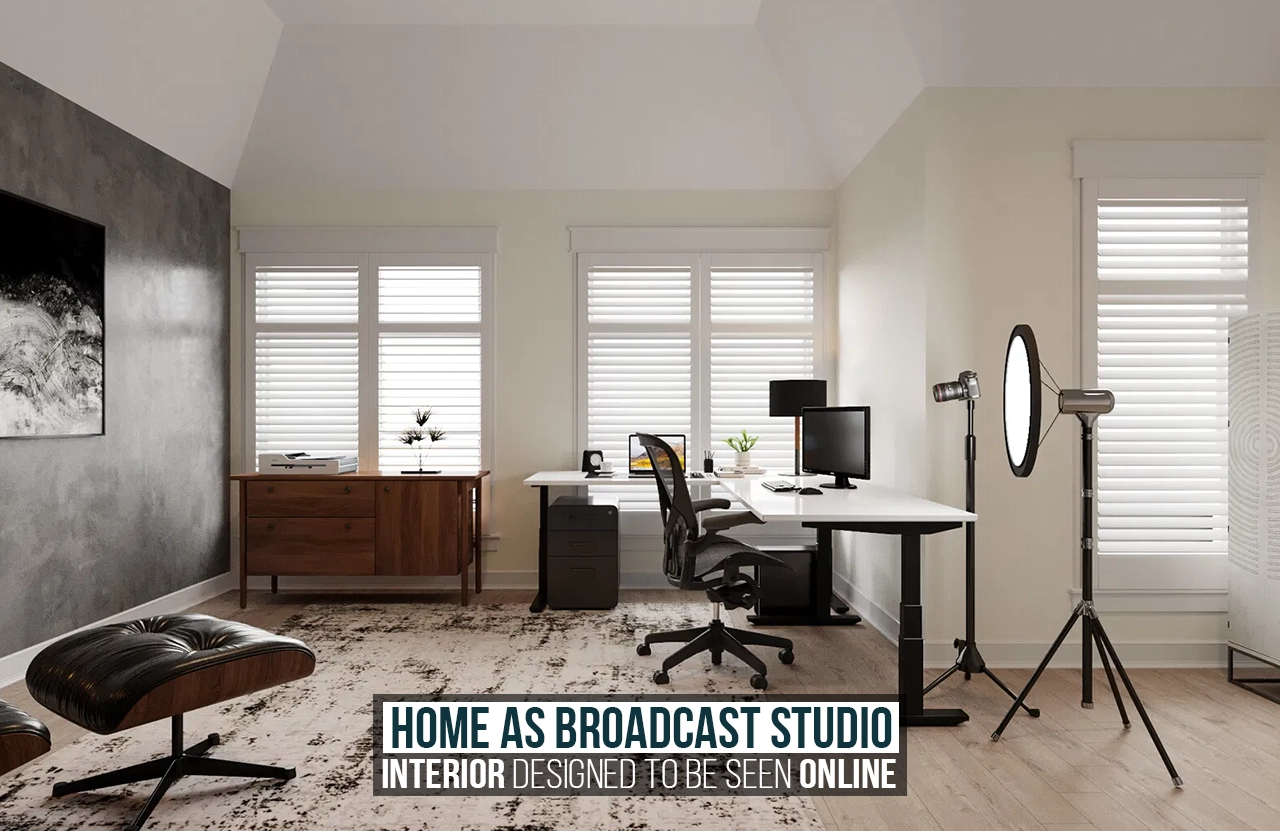
Homes were spaces designed mainly for comfort and living. But these days, with many people working remotely and becoming influencers or content creators, homes are not merely a space to live in, but a studio that looks captivating online. Post-COVID-19, people’s engagement with cameras and social media has led to interior design becoming more aesthetic and visually appealing. The interiors of a home are now exposed to many people through Zoom calls, YouTube, Instagram, online classes, and work-from-home culture, and therefore, homes are transformed into broadcast studios for digital interaction and online presence.
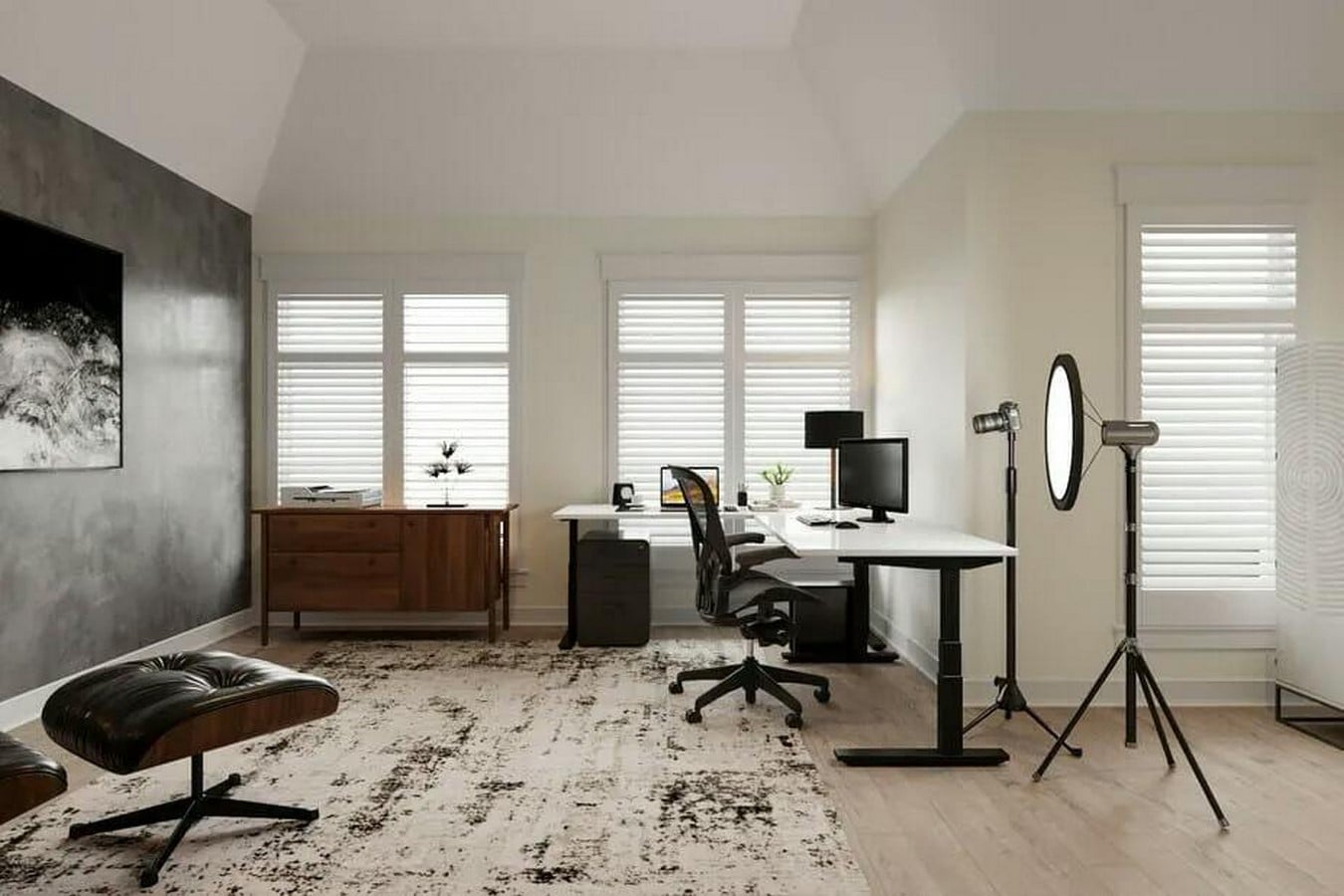
Since people tend to spend a longer period of time in their homes, the spaces should be psychologically comforting for them and aesthetically pleasing to capture the viewers’ attention. Many factors influence such interior designs, ranging from lighting and color palettes to backgrounds and acoustics.
- Backdrops: It is essential to look confident in online meetings or when creating a vlog at home. This confidence comes from aesthetic backgrounds that include statement walls, shelves, paintings, plantations, etc. The background also reveals a great deal about an individual’s personality through digital screens, especially in professional and social media contexts. For instance, a well-designed bookshelf in the background represents one’s passion for reading, and indoor plants signify one’s love for nature and a cozy atmosphere.
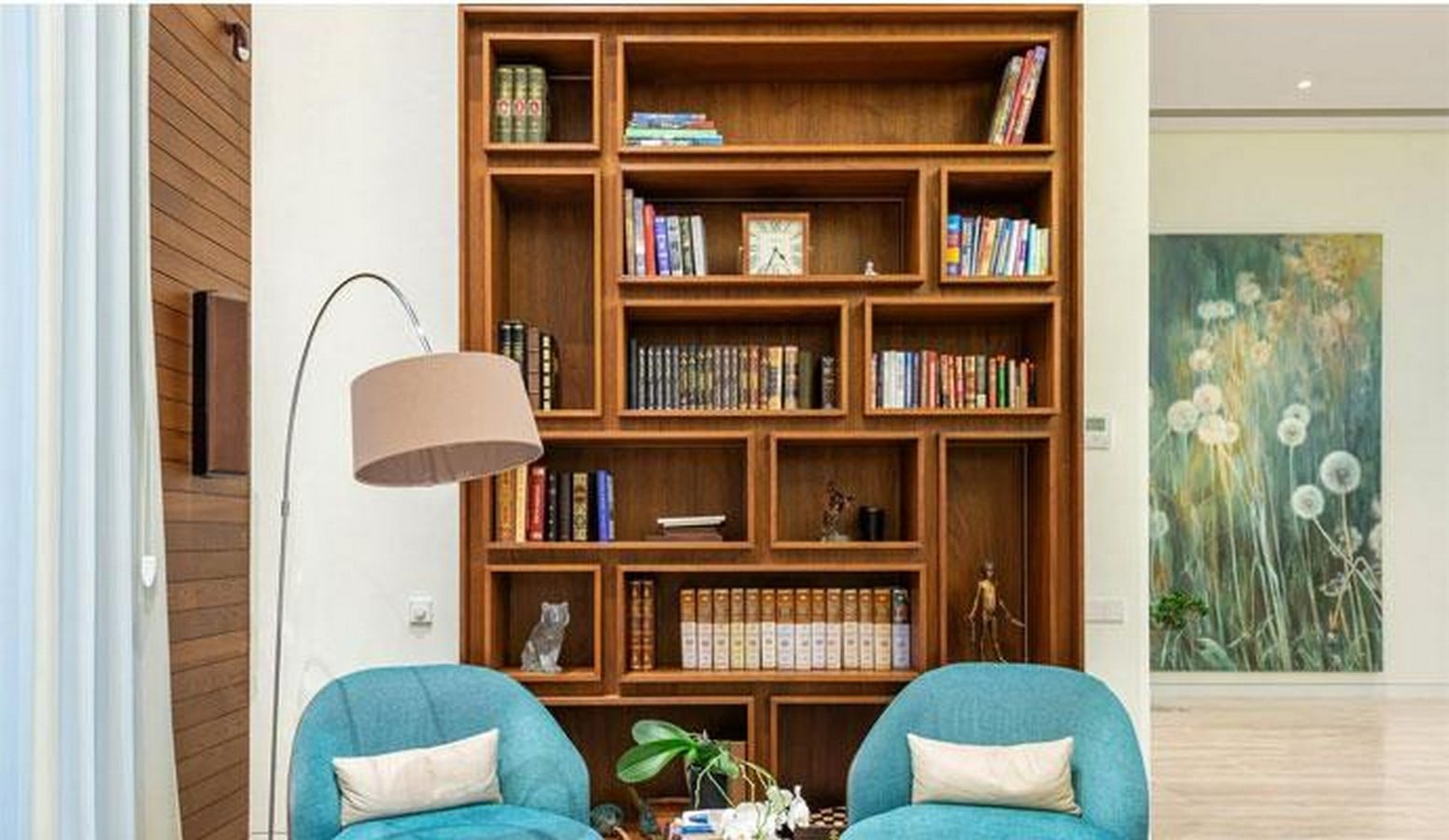
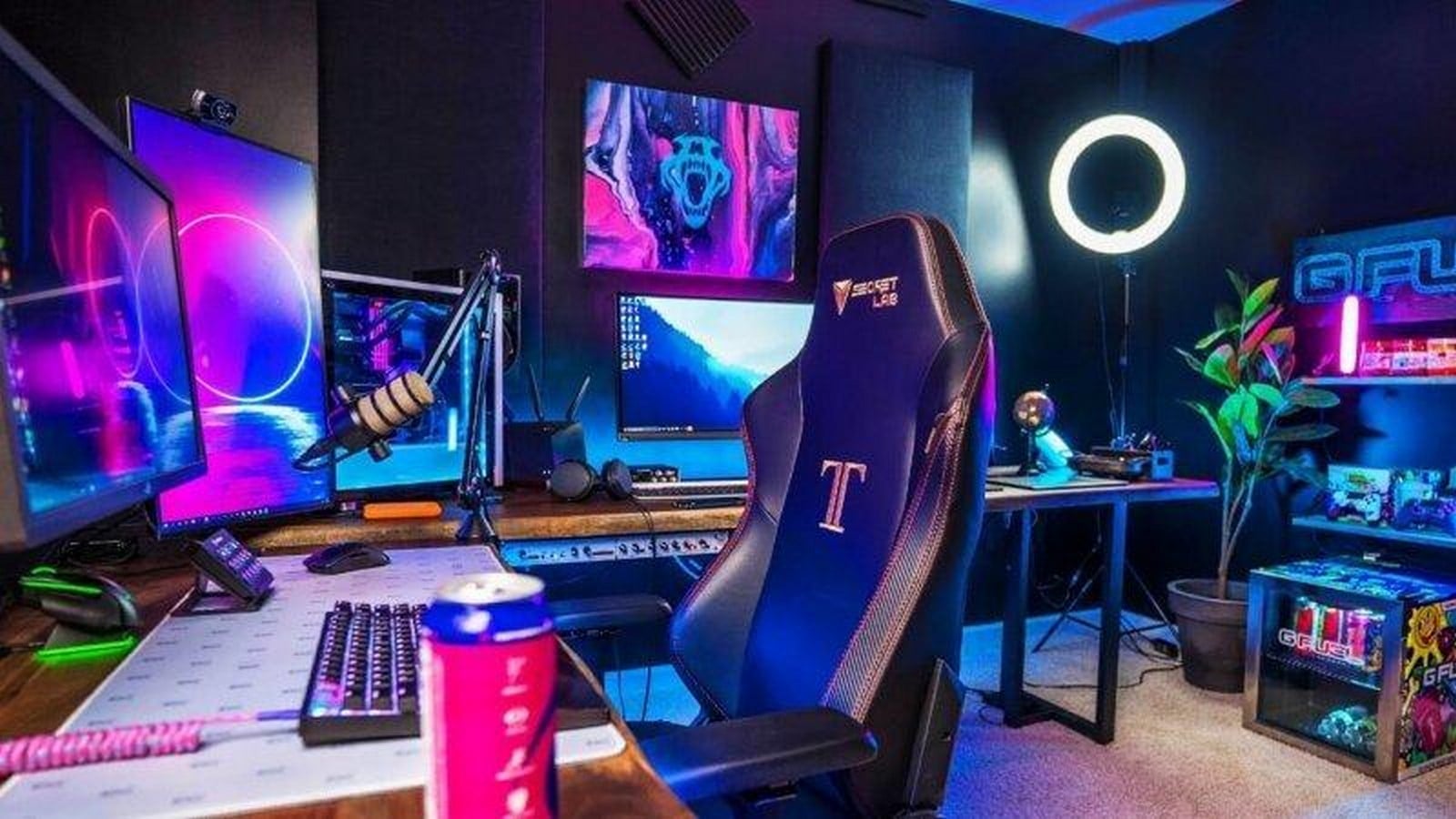
- Colour palettes: Different colours evoke different emotions and psychological responses in both the presenter and viewers. When a person is in a meeting, too many bright colors on the background might disturb the viewer’s concentration, while soft neutral tones create a calm and professional atmosphere. In contrast, gaming studios often incorporate vibrant and dynamic color options to reflect excitement and creativity, enhancing viewer engagement and experience.
- Lighting: A good-looking video is heavily dependent on good lighting. Natural lighting creates a soft and realistic appearance on screen. Artificial lighting options vary according to the purpose of the video, from ring lights to create TikTok videos and YouTube vlogs to colorful LED lights to make live-streaming gaming videos. Poor lighting can create shadows, glare, or dull visuals, negatively affecting the viewer’s perception and engagement.
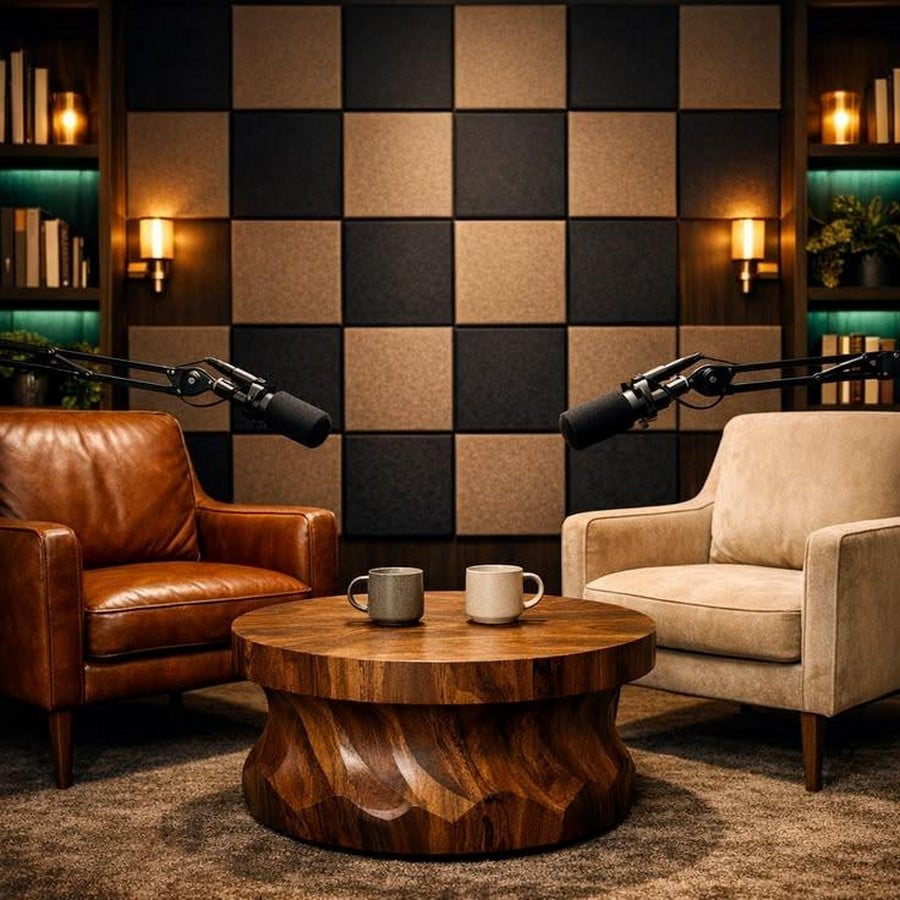
- Acoustics: Creating a corner at home for online meetings and making videos is not just about aesthetics, but also requires careful attention to acoustic detail, ensuring the sound is clear and free of unwanted noises. Many remote jobs like Zoom meetings, podcasts, vlogs, etc., require minimal noise inside the room. Incorporating sound insulation materials such as fiberglass wool in walls can significantly reduce sound transmission between the spaces. Furthermore, acoustic panels, curtains, bookshelves, cork panels, etc., not only reduce background noise but also create a visually appealing backdrop in front of the camera.
- Spatial Layout: In terms of planning, minimal layouts help reduce visual clutter during online meetings or video recordings. Instead of separating spaces with walls, furniture pieces can be used to define different areas within a room. This way, the interior looks clean and visually pleasing for everyday digital interaction, with improved functionality and user comfort in shared spaces.
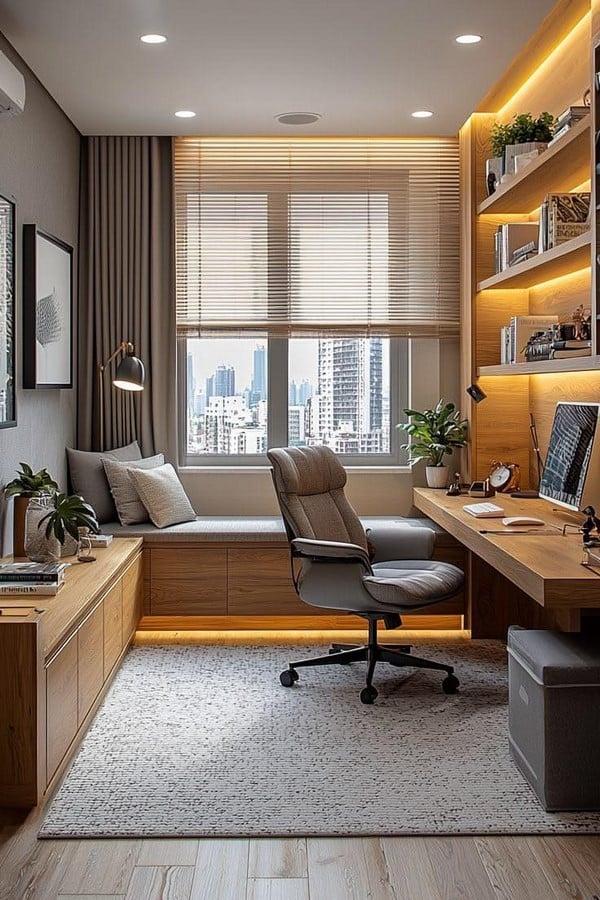
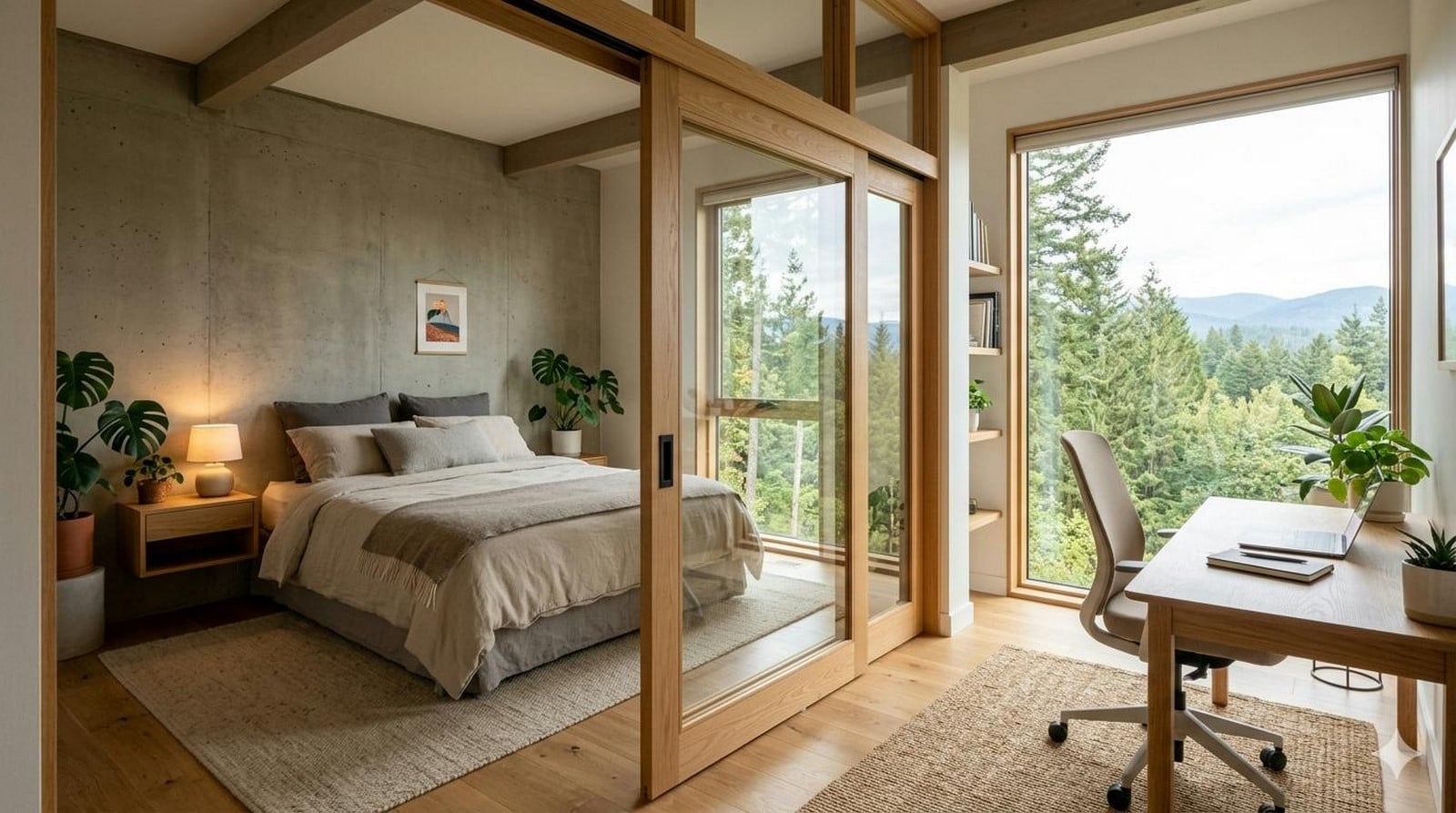
- Hybrid Spaces: Homes these days are more of a multifunctional space, a space where one can live and work at the same time. Bedrooms can become offices, and balcony corners can become content studios. This way, the interior design should be made flexible. Foldable furniture, movable partitions, and modular seating arrangements are some of the design installations that make a space flexible. This flexibility allows spaces to adapt to changing lifestyles and digital needs, especially in compact homes with limited spatial availability.
In the process of converting a home into an online studio, has it lost its identity? Home is considered a private and cozy place where individuals feel comfortable and away from the outside world. But this digital era of showcasing homes online has also created a growing pressure on people to design better interiors, which might lead to increased costs and high-quality materials and finishes. Today, interior design is influenced by thousands of viewers rather than a person’s comfort and choices.
While this shift may have created additional pressure for users in designing interior spaces, it also allows exploring interior designs and techniques that are thoughtful and attractive. A well-designed home should have a balance between a person’s personal taste and represent their culture, identity, and character, along with expectations of the outside world, rather than incorporating something trendy that lacks personal meaning.
Reference:
Home Interior Background for Zoom or Other Meeting. Available at: https://www.interioracebd.com/about-us/blog/home-interior-background-for-online-meeting. (Accessed: 9 May 2026).
Podcast Studio Acoustic Design: Creating the Perfect Environment for Quality Audio Production. Available at: https://sound-zero.com/podcast-studio-acoustic-design/ (Accessed: 9 May 2026).