Redefining Urban Life
The Hybrid City has emerged as a distinguishing notion in contemporary urbanism, indicating a trend away from strict spatial divisions and toward fluid, multifunctional settings. Historically, cities were organized using zoning systems that divided residential, commercial, and recreational activities. However, the Hybrid City challenges this model by combining various roles, allowing work, home, and third places to cohabit in common spaces. Technological improvements and altering work cultures have hastened this process, especially in the aftermath of global shocks like the COVID-19 pandemic (Florida, 2014).
In the Hybrid City, spatial boundaries are no longer rigid. Homes serve as offices, workplaces take on home characteristics, and public areas can support both leisure and productivity. This blurring of positions reflects a larger cultural change toward flexibility and adaptation. As a result, the Hybrid City is both a geographical situation and a behavioral metamorphosis that alters how people perceive and interact with urban settings (Oldenburg, 1999).
Work and Domestic Space in The Hybrid City
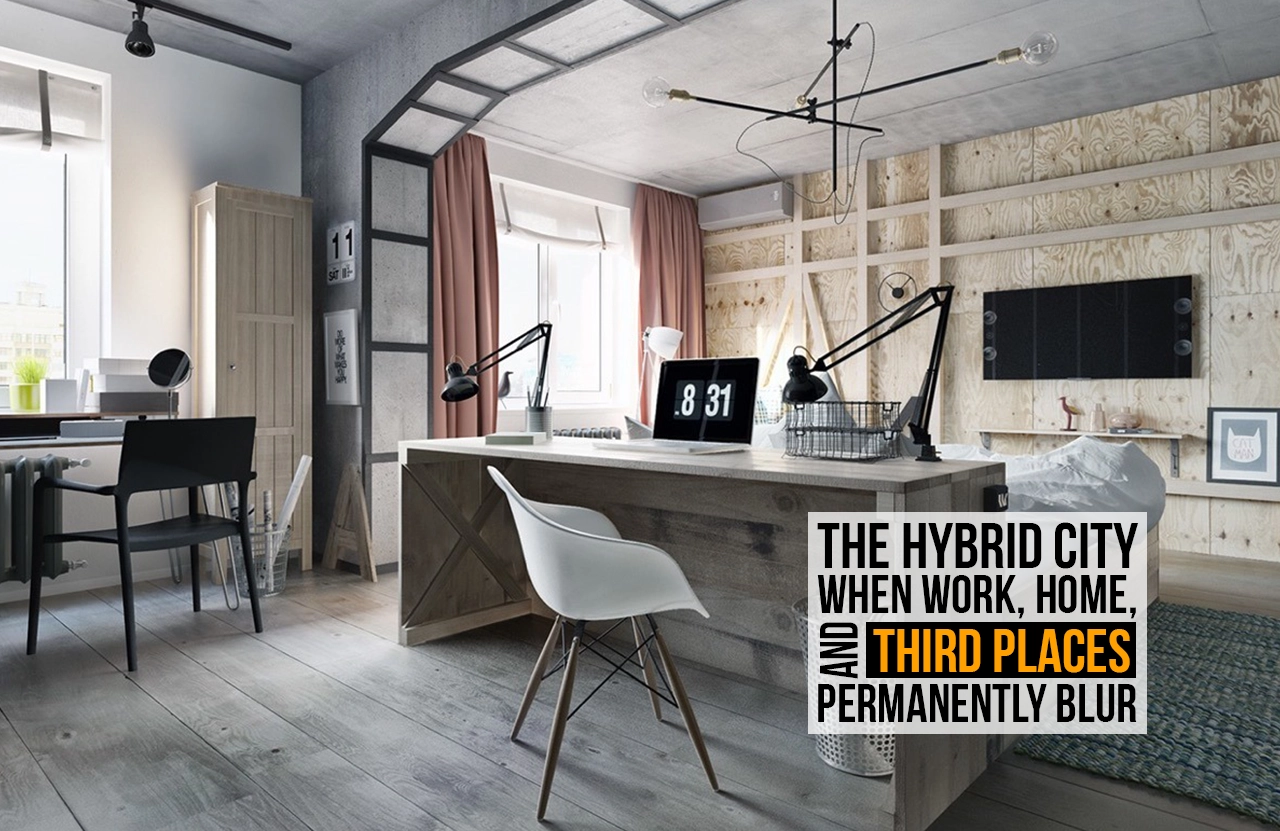
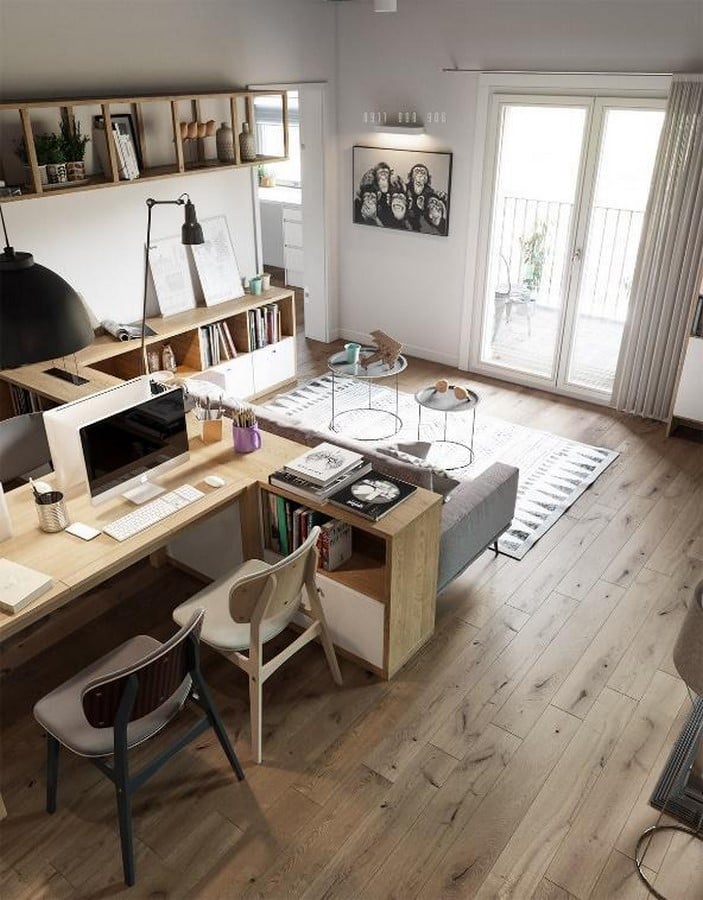
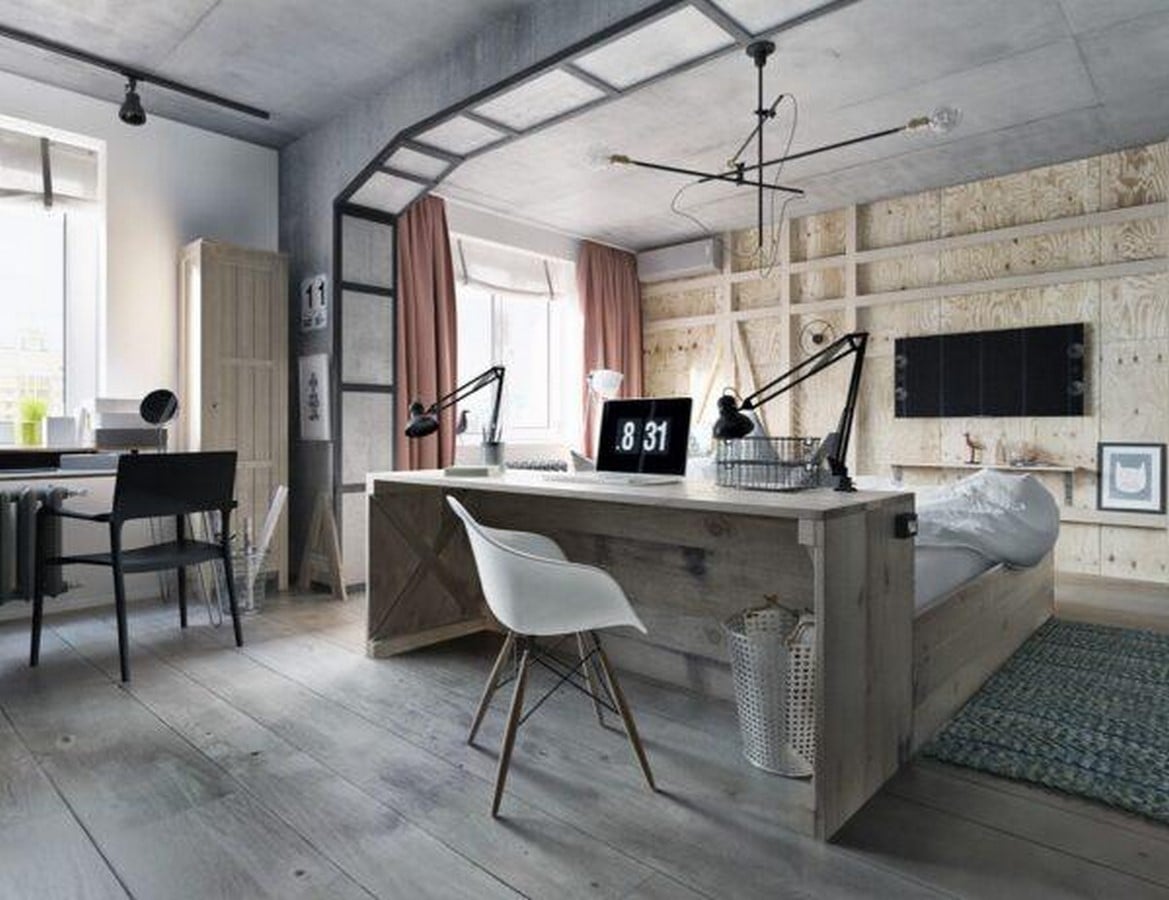
The rise of remote work has had a profound impact on the Hybrid City’s development, changing household environments into multifunctional spaces. Unlike traditional office structures, digital technologies today enable employees to work from home or other flexible places. This transition has altered the nature of housing, necessitating spaces that accommodate both personal and professional activity (Allen, Golden, & Shockley, 2021).
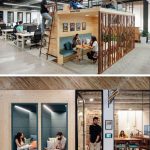
Interiors in the Hybrid City must accommodate a wide range of functions while maintaining comfort. While bedrooms and transitional spaces are used for work-related activities, living rooms are frequently used as gathering places. This necessitates adaptable design approaches that put flexibility, acoustics, and spatial efficiency first. As a result, the Hybrid City pushes architects to reconsider residential designs in favor of more flexible and user-friendly settings (Allen, Golden, and Shockley, 2021).
Third Places in The Hybrid City
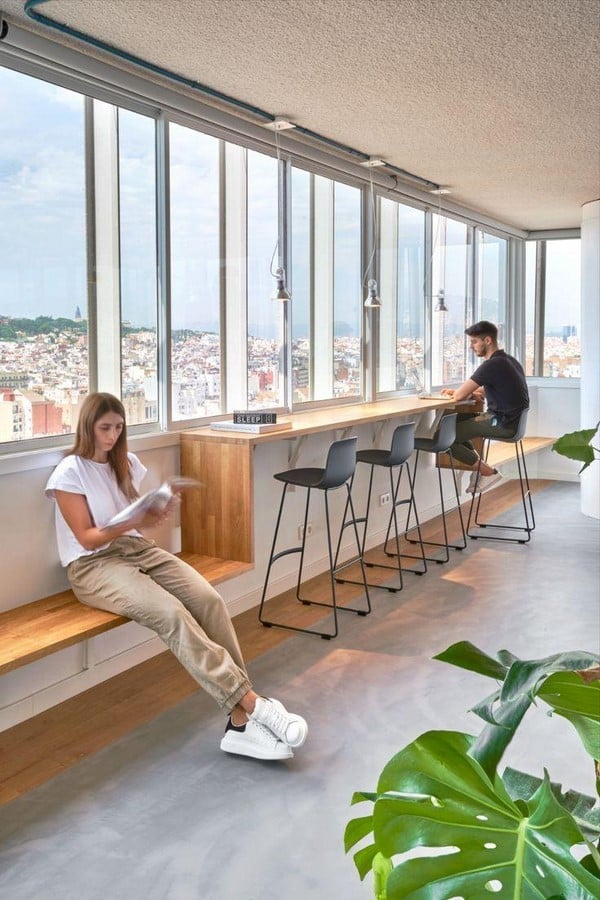
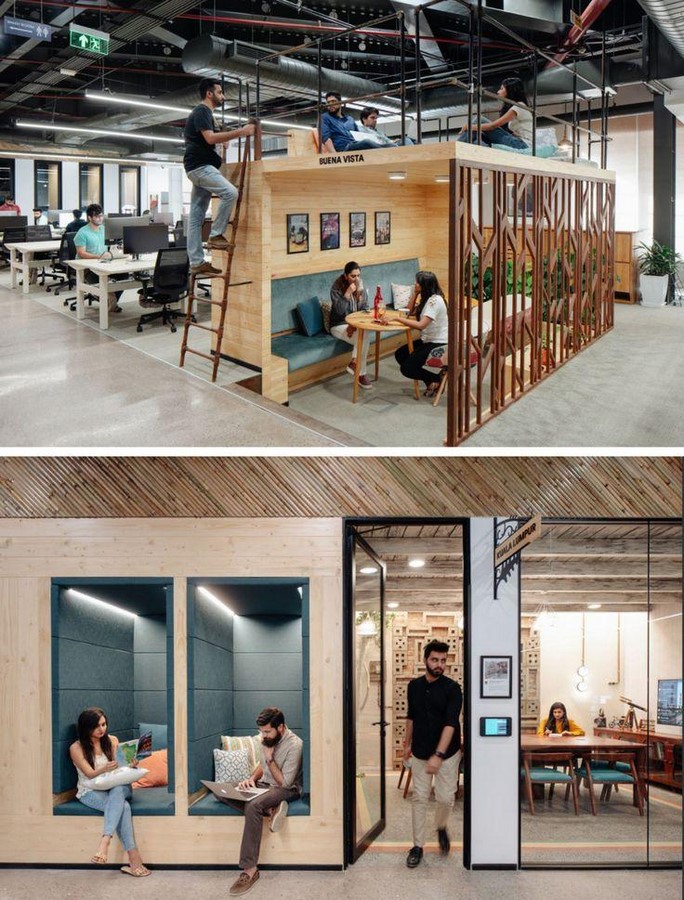
Third locations are critical in facilitating social and professional life in the Hybrid City. These informal locations, such as cafés, libraries, and co-working spaces, provide a bridge between home and work, allowing people to engage in both leisure and productivity. Third spaces are no longer just social in the Hybrid City; they are critical components of daily work infrastructure (Oldenburg, 1999).
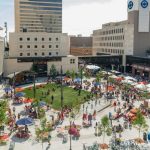
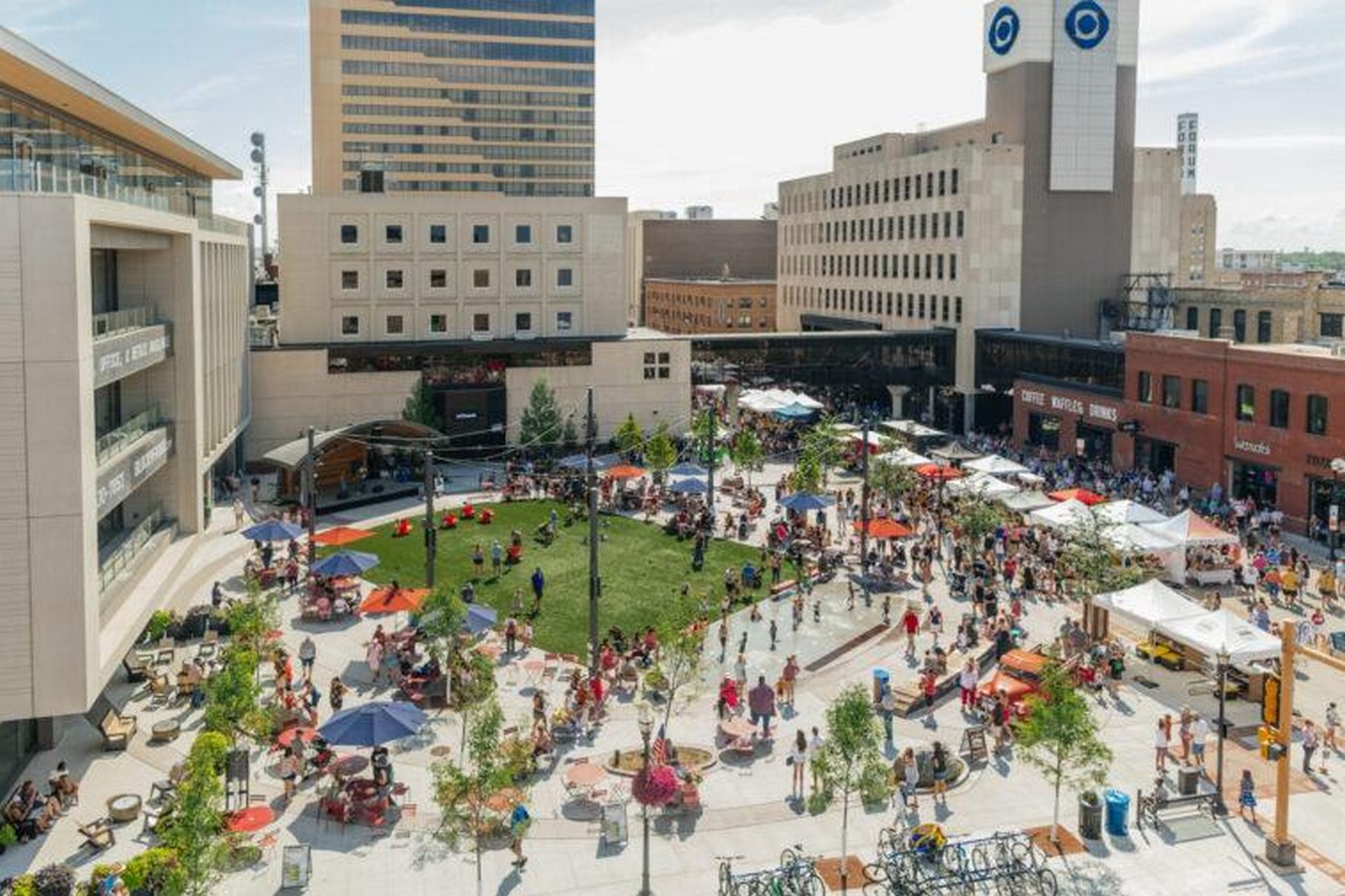
Furthermore, the Hybrid City emphasizes the necessity of public areas that are both accessible and inclusive. Third places offer options for persons who may not have acceptable work conditions at home, while also encouraging social connection and community involvement. This underscores the importance of well-designed public spaces that improve both utility and urban experience (Gehl, 2010).
Urban Design in The Hybrid City
The Hybrid City concepts are reshaping urban architecture, particularly as mixed-use development gains traction. Rather than dividing services, modern planning ideas include residential, commercial, and recreational activity in the same place. This is consistent with the Hybrid City’s emphasis on spatial overlap and efficiency (Jacobs 1961).
These developments shorten commute times, encourage walkability, and create vibrant urban areas. The Hybrid City’s areas are planned to be active throughout the day, promoting both economic and social vitality. This necessitates adaptable infrastructure and planning solutions that respond to changing user requirements (Gehl, 2010).
Technology and Social Implications
Technology is a crucial driver of the Hybrid City, allowing for smooth transitions between diverse spatial functions. Digital platforms, smart systems, and communication tools enable people to stay connected no matter where they are. This adaptability strengthens the decentralized aspect of the Hybrid City, in which work is no longer restricted to a particular location (Townsend, 2013).
However, the Hybrid City has social and psychological issues. The overlap between work and home life can cause stress and unclear boundaries, making it difficult for people to detach. At the same time, it allows for greater autonomy and a higher quality of life. Addressing these problems necessitates intelligent design that takes into account both functional and emotional aspects of space (Pallasmaa 2012).
Sustainability and the Future of The Hybrid City
The Hybrid City promotes sustainability by eliminating the need for everyday commuting and encouraging resource efficiency. With fewer journeys, traffic congestion and carbon emissions are reduced, which supports environmental aims. Furthermore, multifunctional areas lessen the need for substantial infrastructure, hence improving urban systems efficiency (UN-Habitat, 2020).
However, the Hybrid City must strike a balance between technological dependency and sustainable design approaches. Energy usage in digital infrastructure remains an issue, necessitating integrated solutions that combine innovation and environmental responsibility. Finally, the Hybrid City is a forward-thinking paradigm that balances adaptability and sustainability, determining the future of urban living (UN-Habitat, 2020).
References:
Allen, T.D., Golden, T.D. and Shockley, K.M. (2021) How effective is telecommuting? Psychological Science in the Public Interest, 22(2), pp. 40–68.
Florida, R. (2014) The Rise of the Creative Class. New York: Basic Books.
Gehl, J. (2010) Cities for People. Washington, DC: Island Press.
Jacobs, J. (1961) The Death and Life of Great American Cities. New York: Random House.
Oldenburg, R. (1999) The Great Good Place. New York: Marlowe & Company.
Pallasmaa, J. (2012) The Eyes of the Skin. Chichester: Wiley.
Townsend, A.M. (2013) Smart Cities. New York: W.W. Norton.
UN-Habitat (2020) World Cities Report 2020. Nairobi: United Nations.