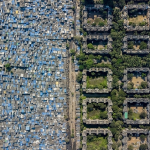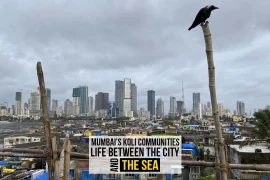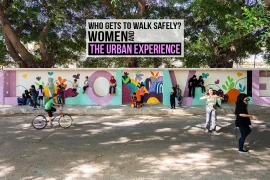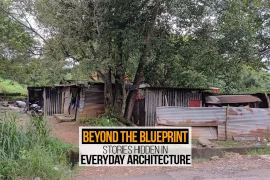
Indian cities seem to be organised on paper, zoned, regulated, and systematically organised. However, the lived experience tells a different story. An individual is walking on a damaged footpath, a street vendor is occupying the edge of a street or road, and a commuter is negotiating through the congested public transport routes. Such everyday experiences show a basic loss of fundamental understanding: the experience of cities has been thoroughly thought out and designed, but is lived much more adaptively and with complexity.
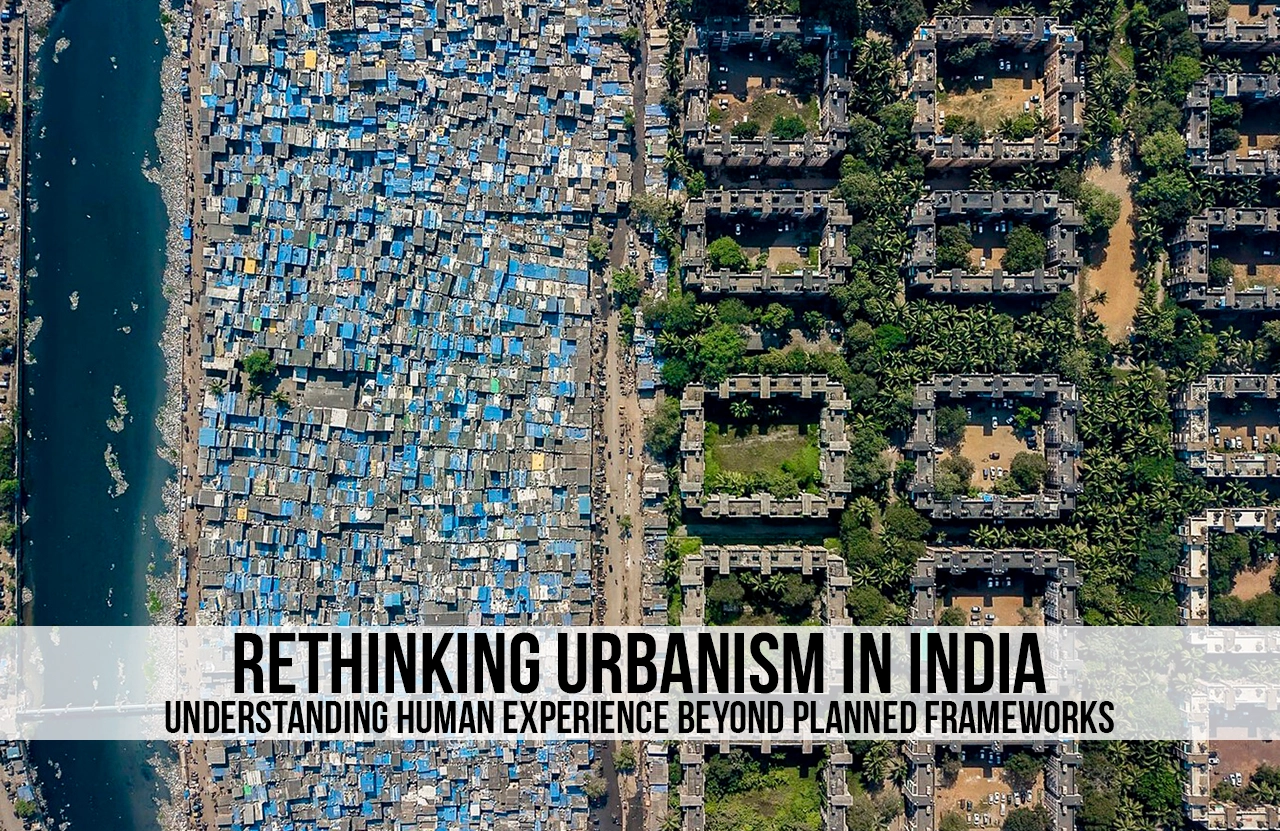
The concept of urbanism in India can never be explained using master plans and policy documents. It occurs in everyday activities, negotiations and adaptations. In a bid to reinvent urbanism in India, it is imperative that we go beyond thoughtful city frameworks and focus on the way people experience and make urban space.
When Plans Meet Reality
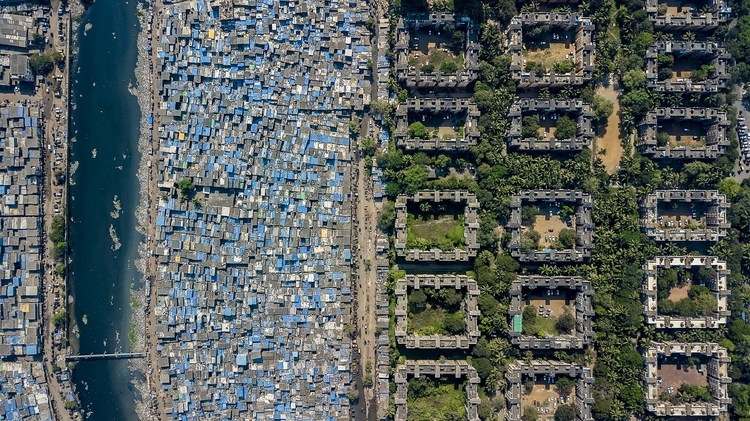
Traditionally, urban planning in India is approached in a top-down mode, such as master plans, zoning laws and development based on the infrastructure. Such systems place a high value on order, efficiency and predictability. Cities are categorised into residential, commercial and industrial areas and the infrastructure is created to facilitate movements and development.
Nevertheless, such structures tend to have the assumption of a static and homogeneous city. They do not take much consideration of the fluid, informal and layered Indian urban life. The focus on regulation and control does not pay enough attention to the way spaces are utilised, modified, and changed by their users.
Urbanism as Lived Experience
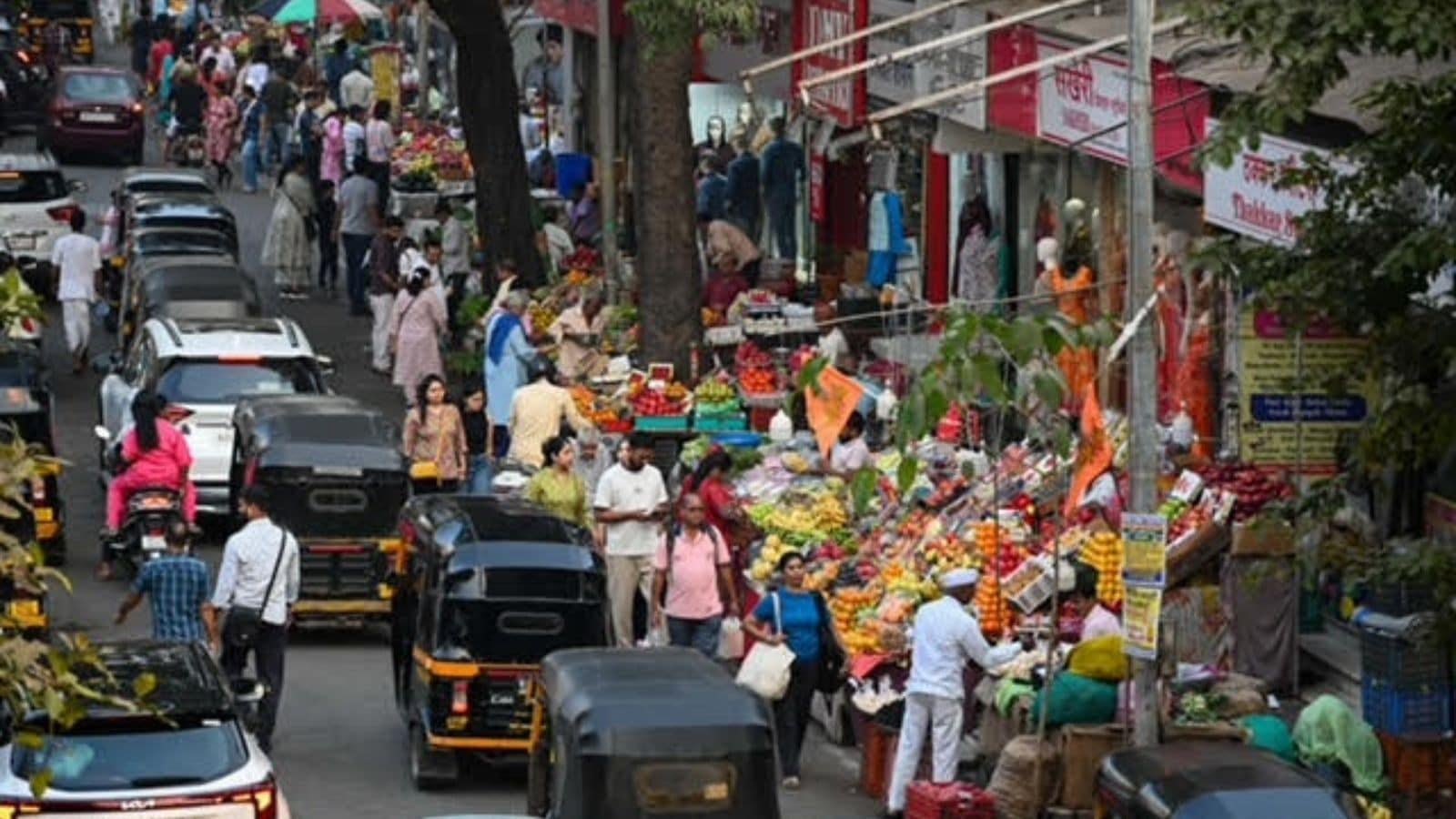
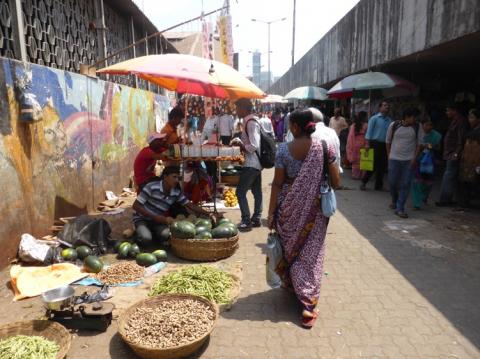
The city transcends plans and policies of the real world, a world of movement, negotiations, and constant evolution. The examples include streets, which are hardly used as per the design. A road that is designed for vehicular movement turns into a mixture of spaces for pedestrians and sellers, cyclists and parked vehicles.
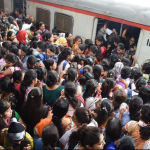
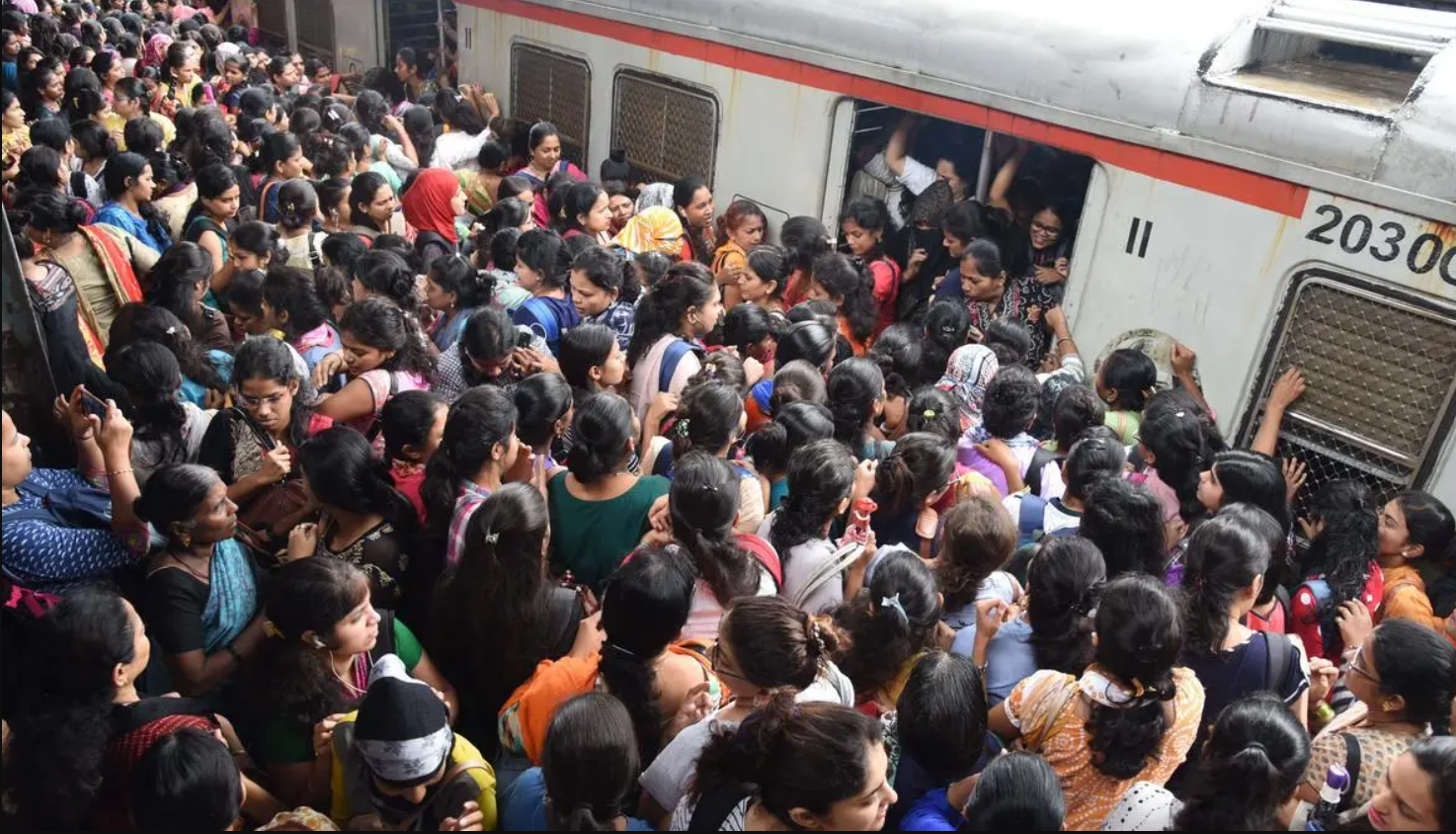
Local trains in cities like Mumbai are not only the means of transport, but also the social and economic lifelines. Although they have a design capacity, they facilitate many more users with informal accommodations, timing, placement and collective behaviour. This is one way to show how people keep on redefining the urban systems. Such everyday routines point out some significant facts that a city is not merely an environment constructed but rather an environment inhabited by human behaviour.
Urban Informality as a Logic for Negotiated Spaces.
Informality is often considered to be a deviation from planning; within Indian cities, it is regarded as a crucial logic of cities.
- Streets as Multi-Purpose Environments.
Areas like Dadar in Mumbai or Lajpat Nagar in Delhi have streets that serve as marketplaces, social spaces and channels of transit at the same time. Sellers are put on the edges; people move in and out of the traffic, and businesses are brought into the streets. The rigid planning assumptions are challenged due to such layered uses.
2. Temporal Transformations
In India, the urban spaces are quite time-sensitive. A morning street, which is quiet, can turn into a busy market in the evening. Equally, places like maidans or spacious grounds are transformed appropriately throughout the day, from recreational activities to informal trades. Such flexibility in time is very infrequent in planned frameworks.
3. Adaptation of Informality
Being a failure is not the case; informality often develops to provide a solution to planning gaps. As illustrations, where formal retail might not be found, there might be vendors in the streets who can provide the services available. They have both an economic requirement and spatial accommodation.
Who is Overlooked in Planned Urbanism?
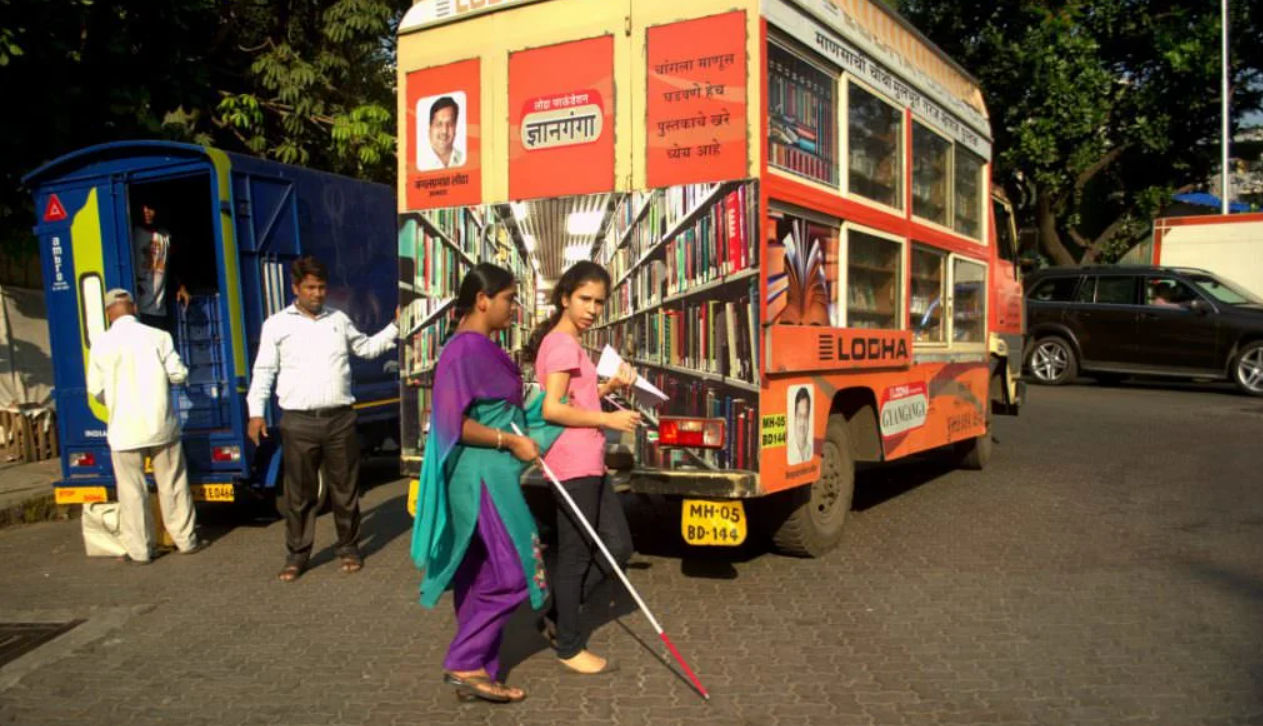
Planned urban frameworks are usually unable to consider the diversity of urban users, such that users are offered unequal and marginalising experiences.
- Women often use the cities with fears of safety and being seen, especially in low-lit or inactive areas.
- Children and the elderly also have accessibility-related difficulties, such as unsafe crossings and uneven pavements.
- Formal planning systems do not work well with informal workers despite their economic contribution towards the city.
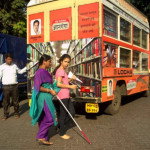
- People with disabilities face serious challenges due to a lack of proper inclusive infrastructure.
- The job commuters living in sufficient metropolitan areas, such as Mumbai or nearby, travel daily by difficult routes characterised by overcrowding, limited comfort, and a time-consuming journey schedule.
These exclusions help bring into focus the key issue that planned urbanism tends to favour an ideal user, and not the realities of people who live in the city.
Case Studies: Real Life of Indian Urbanism
- Suburban Rail Network, Mumbai.
The suburban railway system located in Mumbai is modelled for high-capacity transport, with millions of commuters using it daily. Although it does well in connectivity, the lived experience is characterised by crowding, physical stress, and security issues. To cope with these conditions, commuters acquire adaptive strategies as they adjust their travel time, negotiate space and use collective behaviour. Human adjustment is an important factor in the functionality of the system as well as infrastructure.
- Sabarmati Riverfront, Ahmedabad.
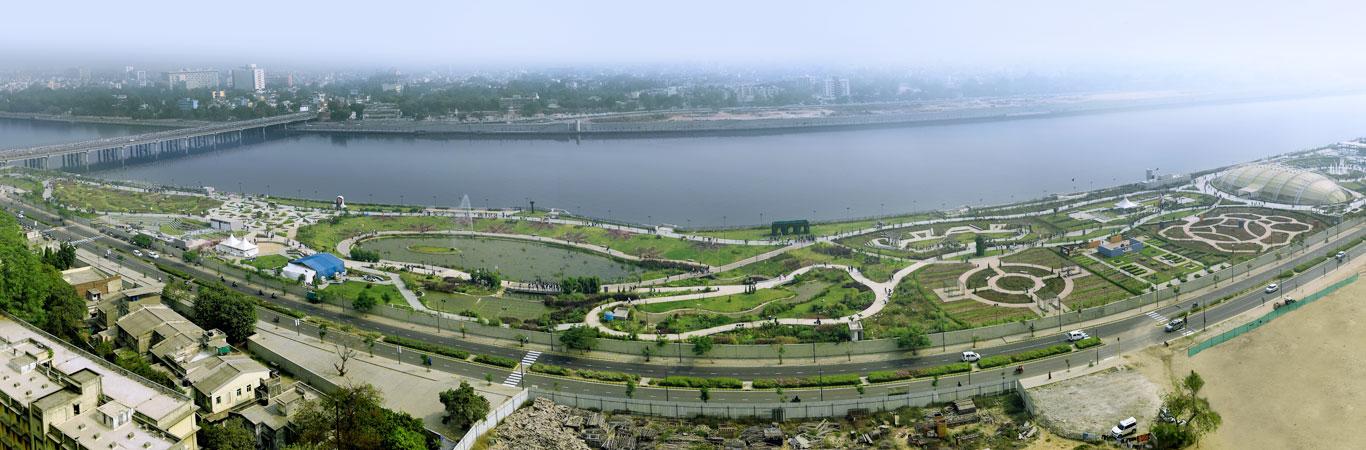
One of the official urban interventions is the Sabarmati Riverfront project, which is designed to enhance the condition of the way people live. Although it has improved access and formed organised recreational spaces, it has caused the removal of informal communities and the interference with the existing socio-economic networks. This is the conflict between urban development strategies and the actuality of urban life.
Towards a More Experiential Urbanism.
In order to overcome these loopholes, urban planning in India has to shift to be more experiential and participatory.
- The human scale design enhances comfort and walkability.
- The recognition of informality as a constituent element of the urban structure.
- Participatory planning systems to design inclusive spaces.
- Creation of dynamic and versatile areas, which change according to their use.
- Increasing the resilience of daily infrastructure, such as footpaths, public transport, and shaded parks.
This is not meant to be against planning; it is just meant to be integrated in planning – putting the human experience in the centre.
From Planning Cities to Understanding Them
A city that is well-planned does not necessarily have to be a well-experienced one. Indian urbanism tends to prioritise structure over experiential quality, development over efficiency and inclusion, and order over adaptability.
The way to rethink urbanism in India is to think differently, that is, not to design Indian cities as fixed entities but to see them as lived environments. Urban Planning of cities can be more about creating cities that are not only functional, but also equitable, responsive, and humane by engaging everyday life data with the design.
References:
- Anjaria, J. S. (2016). The Slow Boil: Street Food, Public Space, and Rights in Mumbai. Stanford University Press, Available at – https://www.researchgate.net/publication/321108511_The_Slow_Boil_Street_Food_Rights_and_Public_Space_in_Mumbai_by_Jonathan_Shapiro_Anjaria_Stanford_CA_Stanford_University_Press_2016_213_pp_Book_Reviews
- Bhan, G. (2016). In the Public’s Interest: Evictions, Citizenship, and Inequality in Contemporary Delhi. University of Georgia Press, Available at – https://escholarship.org/uc/item/0nd455cm
- Chase, J., Crawford, M., & Kaliski, J. (1999). Everyday Urbanism. Monacelli Press, Available at – https://celladdition.wordpress.com/wp-content/uploads/2011/02/everyday_urbanism_2.pdf
- Ministry of Housing and Urban Affairs (MoHUA). (2015). Smart Cities Mission Statement and Guidelines. Government of India, Available at – http://164.100.161.224/content/innerpage/guidelines.php
- Sabarmati Riverfront Development Corporation Ltd. (SRFDCL). (n.d.). Sabarmati Riverfront Development Project Documentation, Available at – https://sabarmatiriverfront.com/studies-reports.html