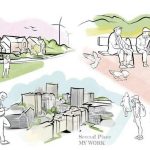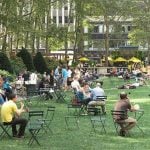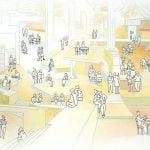
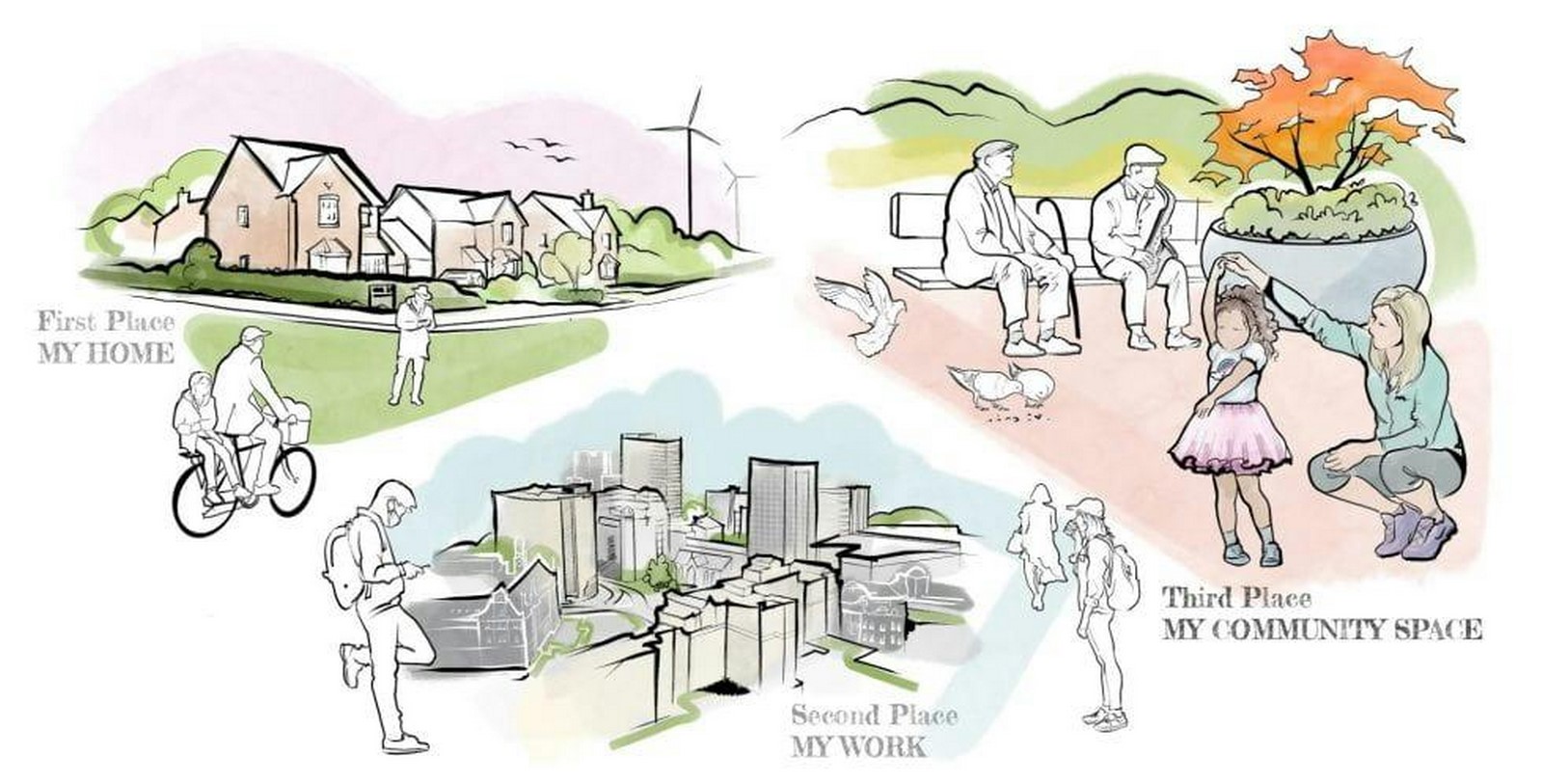
Urbanist Jan Gehl argues that the essence of a city lies not just in its built form but in the everyday social interactions that occur in the spaces between buildings. Third places play an important role in it. Urban sociologist Ray Oldenburg describes third place as informal public environments that exist beyond home (the first place) and work (the second place). Very simply, third places can be thought of as societal glue. They bind people together to construct communities. Cafes, parks, community squares, and shopping markets are some classic examples.
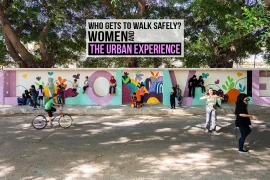
The idea of third places is mostly associated with enclosed, curated and commercialised environments. Streets, despite being the most accessible public spaces, are rarely discussed in the same way. Interestingly, there lies a difference in how women and men perceive the streets. The experience is not universal. Streets often fail to support social activities for women. Gathering, lingering, or just casual walking on streets are often restricted by society or urban design elements. For most of the women, streets are primarily the movement corridors.
This article, hence, focuses on streets as potential third places for women, and rethinks how everyday public spaces are designed, perceived, and inhabited.
Understanding the Social Role of Third Places
Ray Oldenburg, in ‘The Great Good Place’, explains that third places help people meet, interact, and connect outside their home and work, which strengthens friendships, trust and community life. A third place can potentially soften the social hierarchy and support an inclusive environment. Such environments support social well-being, allowing individuals to feel connected to their community. The World Health Organisation (WHO) describes social well-being as the core component of overall well-being, which encompasses the ability to form relationships, participate in community life and feel connected and supported by society.
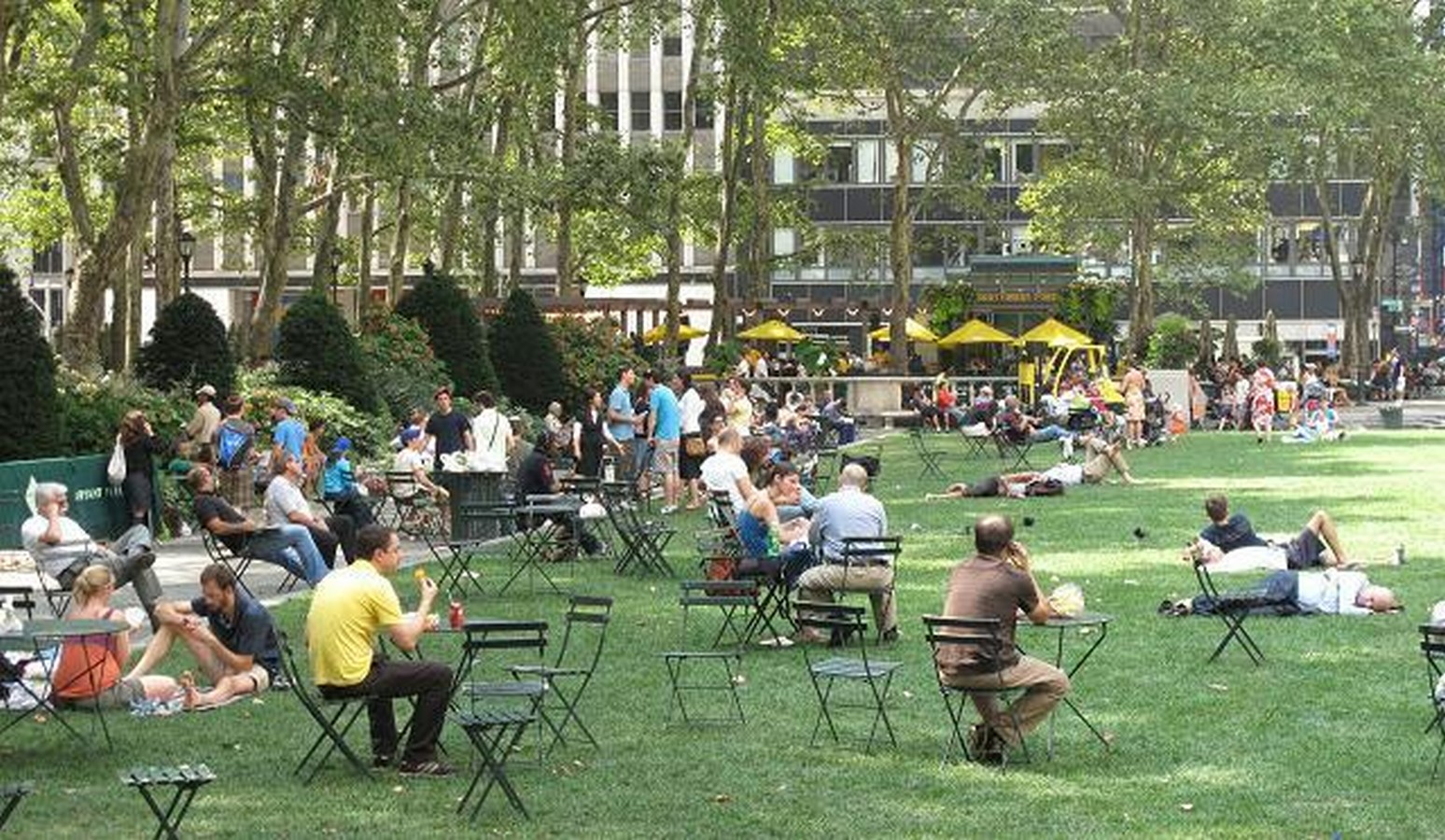
Third places can reduce social isolation, increase civic engagement, and enhance well-being. They are not just places, but catalysts for a more connected and fulfilling world. However, access to these spaces is shaped by social conditions and spatial design. If any group of society feels unsafe or unwelcome, the potential of a third place remains unrealised.
Third places are, unfortunately, gendered. You can easily find more men around a roadside tea stall, gathered over an extended edge/curb, or just wandering around, while you find women usually around a vegetable street market or around a street food vendor. Their presence is usually purpose-driven.
Streets and Gendered Experiences of Public Space
Women perceive spaces differently from men. The experience of a woman on the street is shaped by factors such as safety concerns, social norms, and basic public infrastructures- clean toilets, proper lighting, good pedestrian experience, and connectivity. The spatial design limitations are often resolvable issues that must be addressed and designed for. They have the potential to transform streets from movement corridors to spaces for pause.
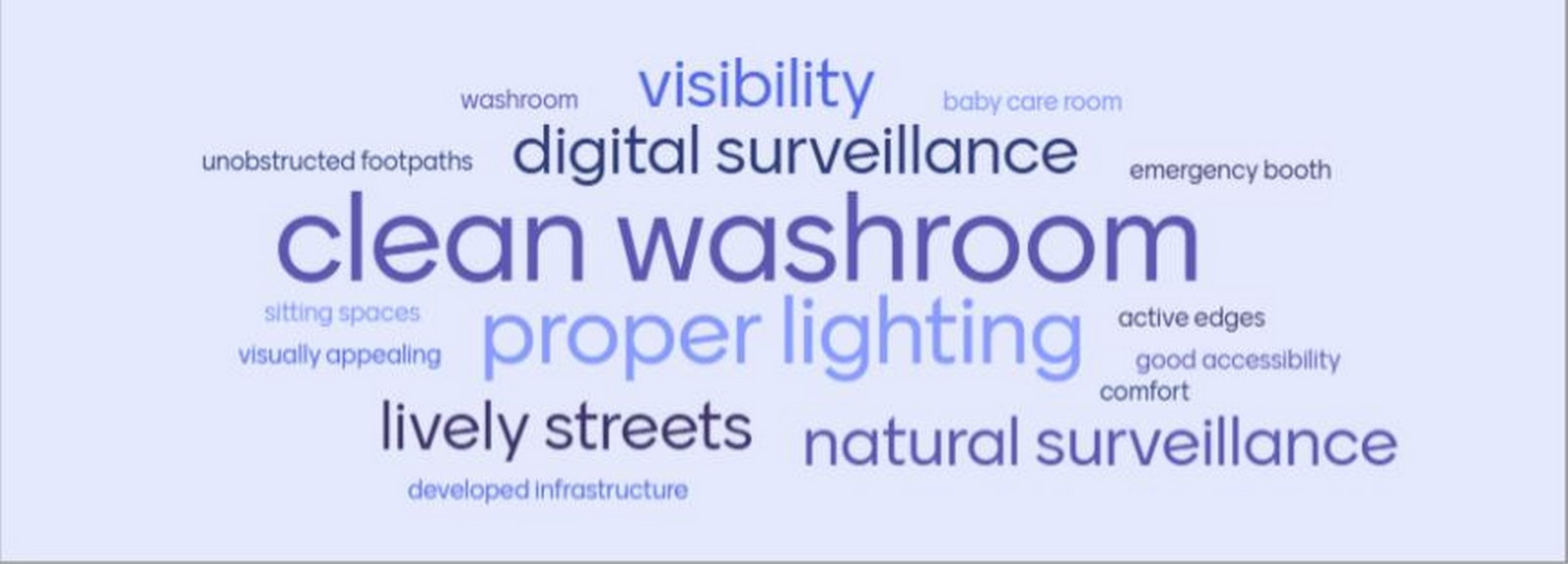
Safety, perception and visibility strongly influence behaviour. Jane Jacob describes ‘Eyes on the Street’ as natural surveillance that encourages safer and more engaging environments. Third places in such an environment are inclusive. They afford a moment of pause for all. And when women feel comfortable enough to pause without being questioned, the street starts to function as a third place.
Characteristics of the Third Place
A good third place is simple, unpretentious, and an everyday place. There is no host or guest to the place; people can come and go freely, and the basis is the neutral ground. Social status, profession and wealth or for that matter any grounds, shouldn’t be a point of exclusion. The place must be publicly and easily accessible. This can help gain regulars (people who are regular/frequent to the place). Conversations and activities can help create a sense of familiarity.
Such conditions can greatly impact emotional comfort without responsibility and an overall sense of belonging associated with the place.
Streets as Third Places for Women in India
Patriarchal social norms in India often restrict women’s mobility and presence in the public sphere. It is only in the recent decades that women have started moving out, working and starting to be a part of the overall public life; the streets unfortunately, haven’t yet evolved to include them. Apart from the infrastructural restrictions, the notion of modesty and honour constrains female mobility; loitering and aimless movement is still a societal taboo. This cultural policing diminishes dignity if a woman cannot walk or sit freely in public; her identity remains tied to the private spheres.
In such a situation, it is important to discuss how third places in India can be more inclusive. How can women be included in public spheres through urban design? How can contemporary practice ensure participation without categorising them as a ‘vulnerable’ section of society?
The conversations around third places often centre on cafes, libraries, malls or community centres. Yet streets remain the most fundamental public space within a city. They are woven into everyday life and accessible to people from diverse social backgrounds.
Reimagining Streets as Third Places for Women
Reimagining streets as third places for women challenges us to rethink how public spaces function. It asks whether cities are designed merely for efficiency or for a shared urban life that is inclusive.
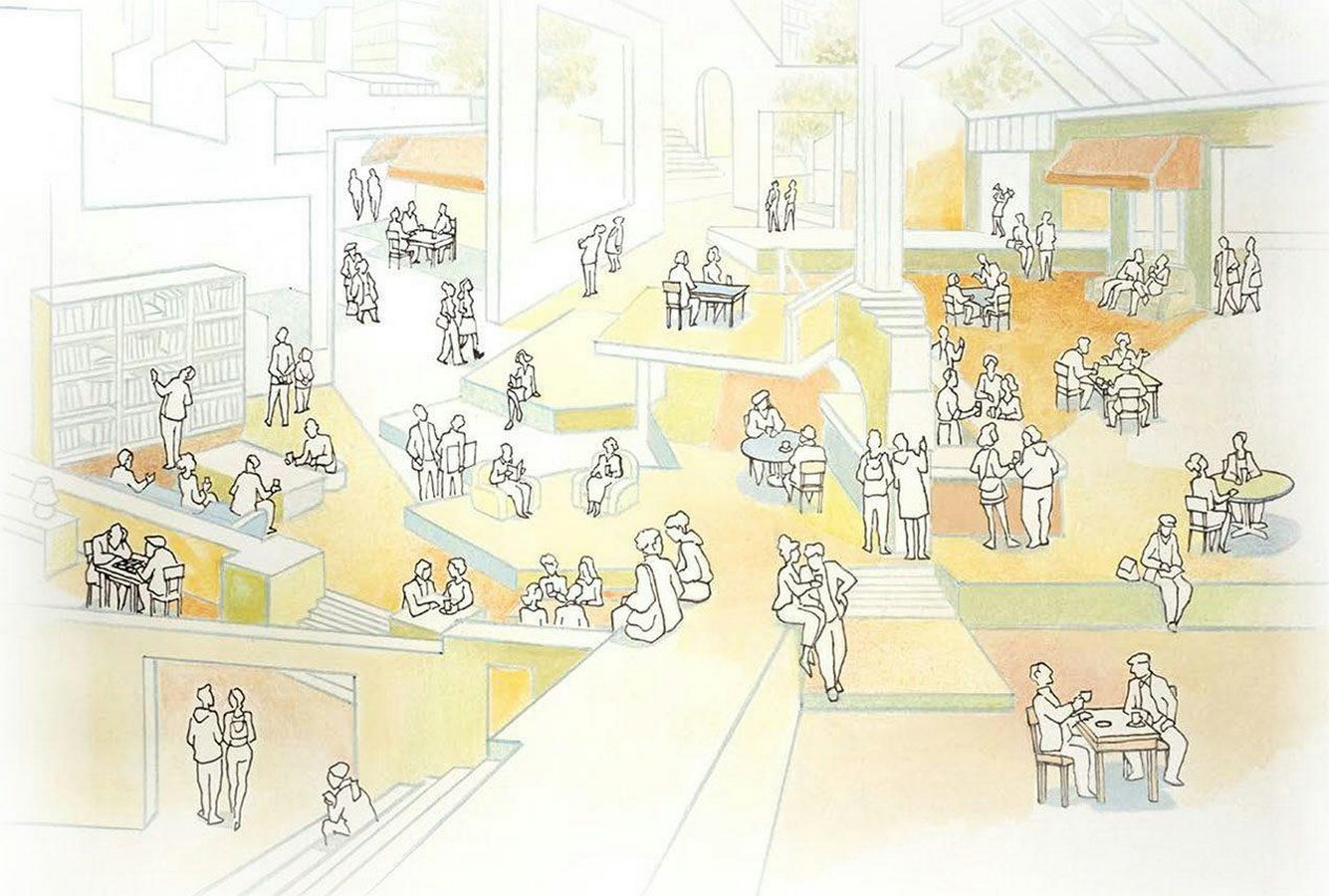
A street can truly act as a third place for women only when it makes women feel comfortable to pause, gather, observe and participate in the street life. It then becomes more than an urban infrastructure; it becomes a social environment where everyday interactions shape the character of the city. In this sense, designing inclusive streets that act as third places supports belonging, participation, and collective urban experience.
When that happens, the street no longer exists as simply a route between destinations; it becomes a third place in its own right. And when streets are designed with women in focus, they ultimately would work for most of the other sections of society.
References:
Gehl, J. (2011) Life Between Buildings: Using Public Space. Washington, DC: Island Press.
Oldenburg, R. (1999) The Great Good Place. New York: Marlowe & Company.
Jacobs, J. (1961) The Death and Life of Great American Cities. New York: Random House.
Phadke, S., Khan, S. and Ranade, S. (2011) Why Loiter?: Women and Risk on Mumbai Streets. New Delhi: Penguin Books India.
UN Women (2017) Safe Cities and Safe Public Spaces Global Results Report. Available at: https://www.unwomen.org.
ITDP (2018) Women and Transport in Indian Cities. Available at: https://itdp.in .
World Bank (2020) Handbook for Gender-Inclusive Urban Planning and Design. Available at: https://www.worldbank.org.
UN-Habitat (2013) Streets as Public Spaces and Drivers of Urban Prosperity. Available at: https://unhabitat.org.
Project for Public Spaces (2026) What Makes a Successful Place? Available at: https://www.pps.org.
University of Chicago English Language Institute (2023) Third places: What are they and why are they important to American culture? Available at: https://esl.uchicago.edu/2023/11/01/third-places-what-are-they-and-why-are-they-important-to-american-culture/.
Urban Design Lab (2024) Third place theory: Creating community spaces. Available at: https://urbandesignlab.in/third-place-theory-creating-community-spaces/.