The Paradox of Urban Renewal
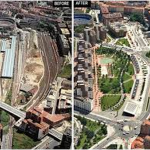
Urban renewal is often necessitated by the growing population, ageing infrastructure, and demands of contemporary life. While it promises efficiency, improved living conditions and economic growth, there lies a much deeper concern of identity.
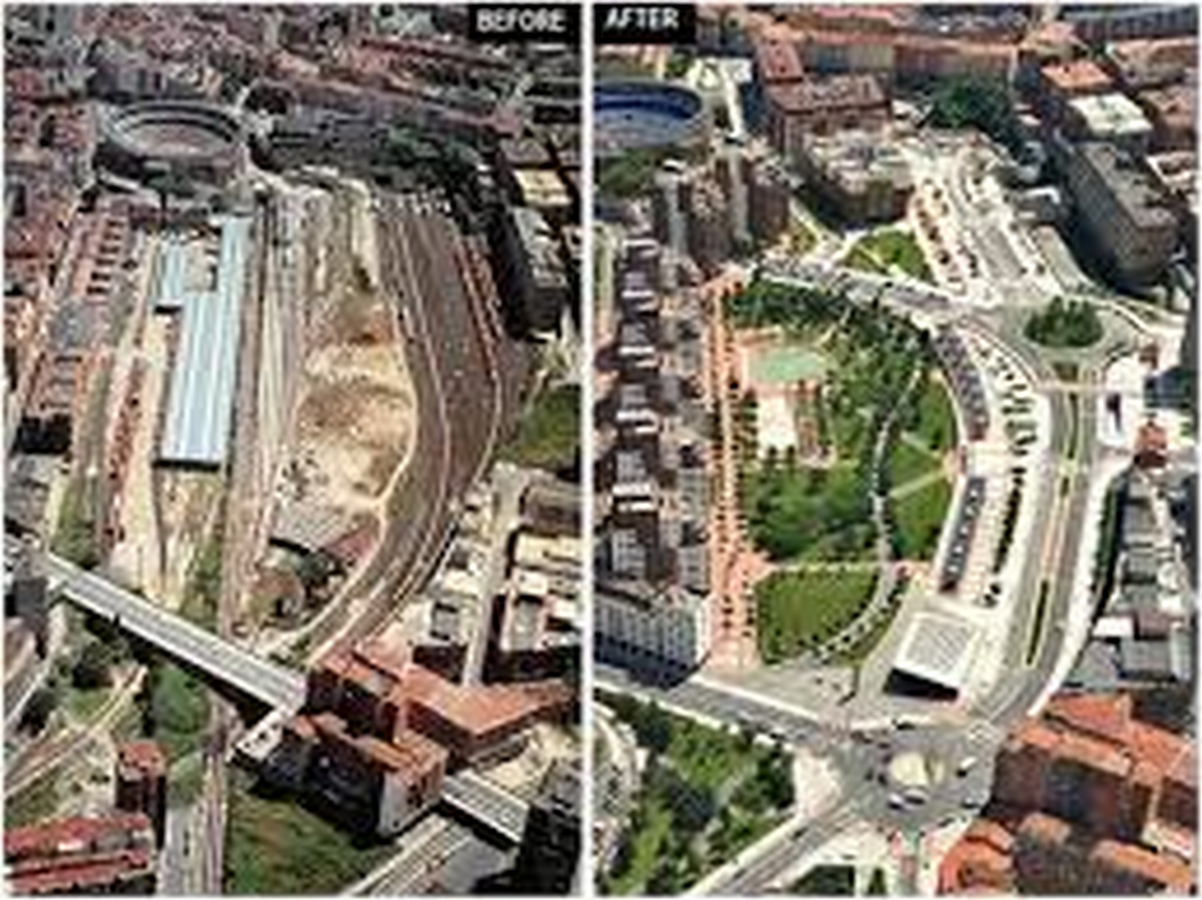
At the core, the question isn’t about whether cities should renew themselves, but about how renewal engages with the existing identity of the place while addressing the present needs. The approach taken can heavily impact the memory, essence/character, community and the identity of the place. It can potentially also become a means of strengthening and evolving the identity of a place.
Understanding Urban Identity
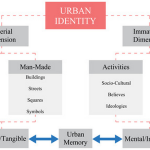
Urban identity extends beyond the visible form of the built environment. It is shaped by a combination of tangible and intangible elements. Patterns of everyday life, people and place relationship, social relationships, community networks, cultural practices, local economies, collective memory and shared histories are some essential layers to understand when one talks about identity.
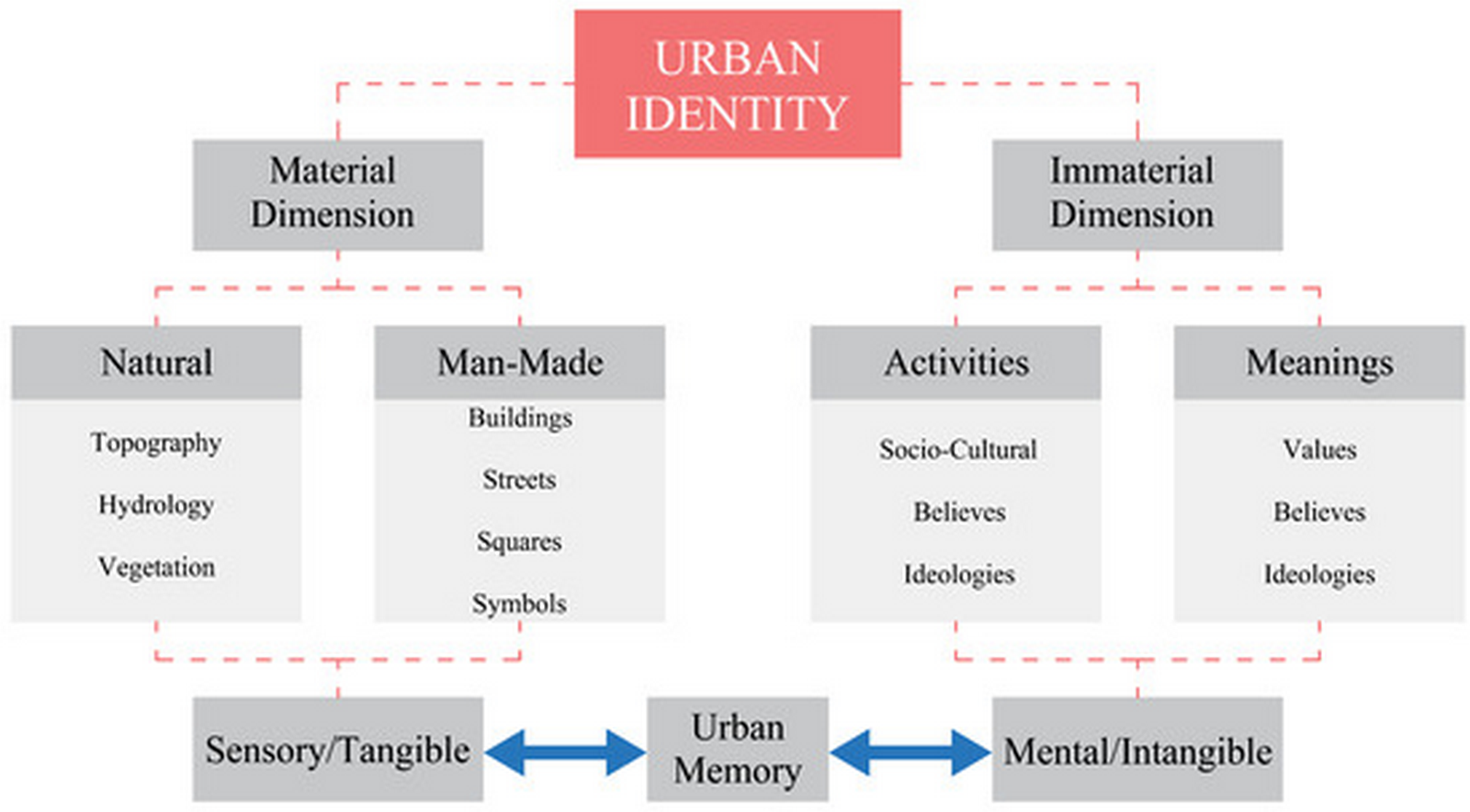
As argued by Kevin Lynch, the image of the city is formed by how people perceive, navigate and remember it. Identity, therefore, is not a fixed attribute but a lived and continuously constructed notion of a place.
Urban Renewal as Erasure: a Conflict of Approaches
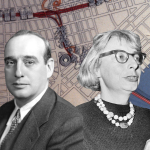
Urban interventions such as those led by Robert Moses in mid-twentieth-century New York are examples of prioritising speed, infrastructure and city-wide efficiency through large-large-scale clearance and redevelopment. These approaches are made at the institutional or governmental level with limited involvement and engagement with the lived communities. This may result in demolishing established neighbourhoods and the displacement of communities. Though such interventions can potentially transform the city’s physical structure, they can also disrupt the social and cultural fabric that sustains the local identity of the place.
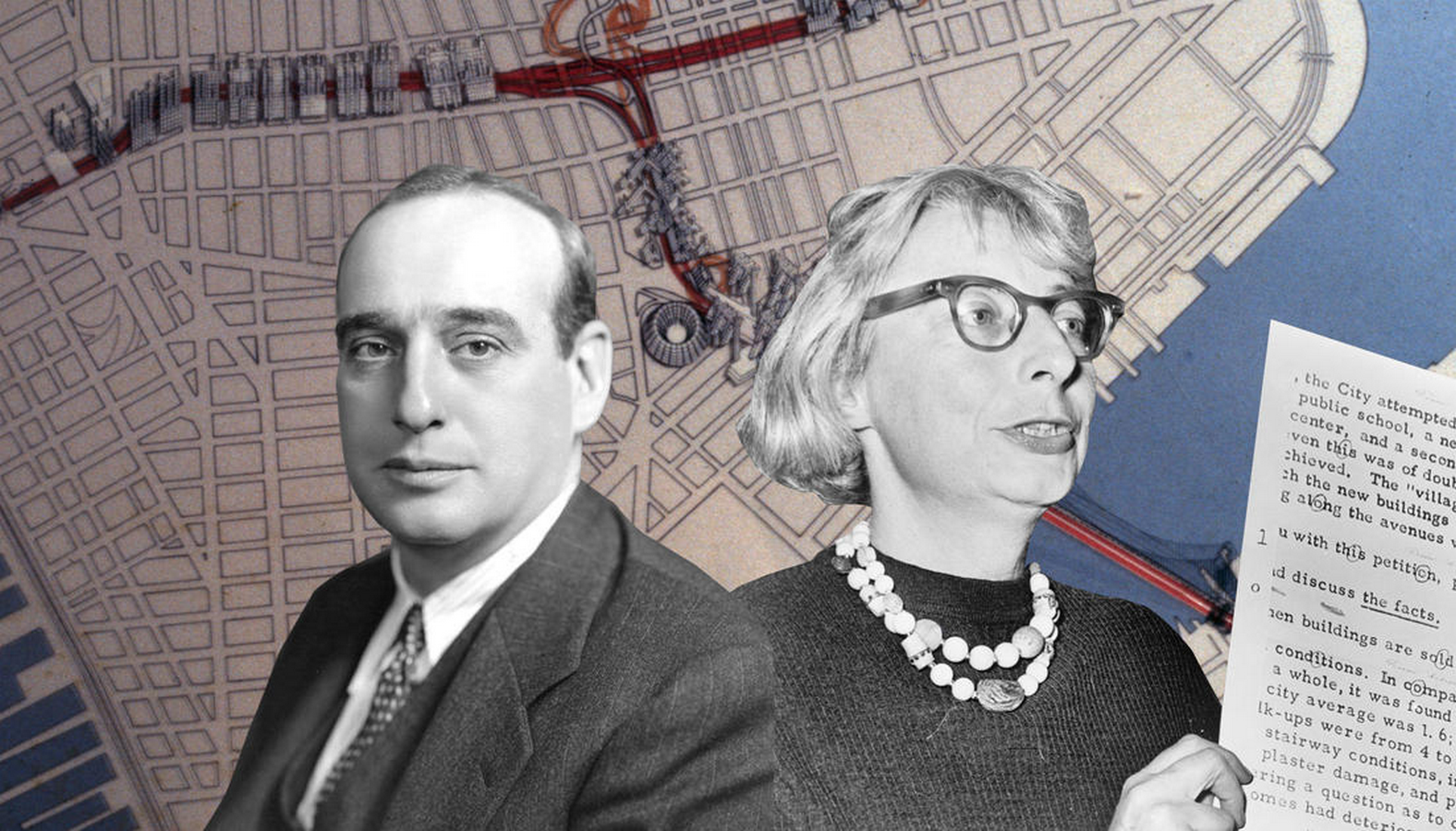
The Bottom-up approach, on the other hand, is a human-centric approach advocated by Jan Gehl, which emphasises engaging with existing life, allowing identity to evolve organically. David Harvey, emphasising the “right to the city”, argues that urban renewal often excludes the very communities that give a place its identity.
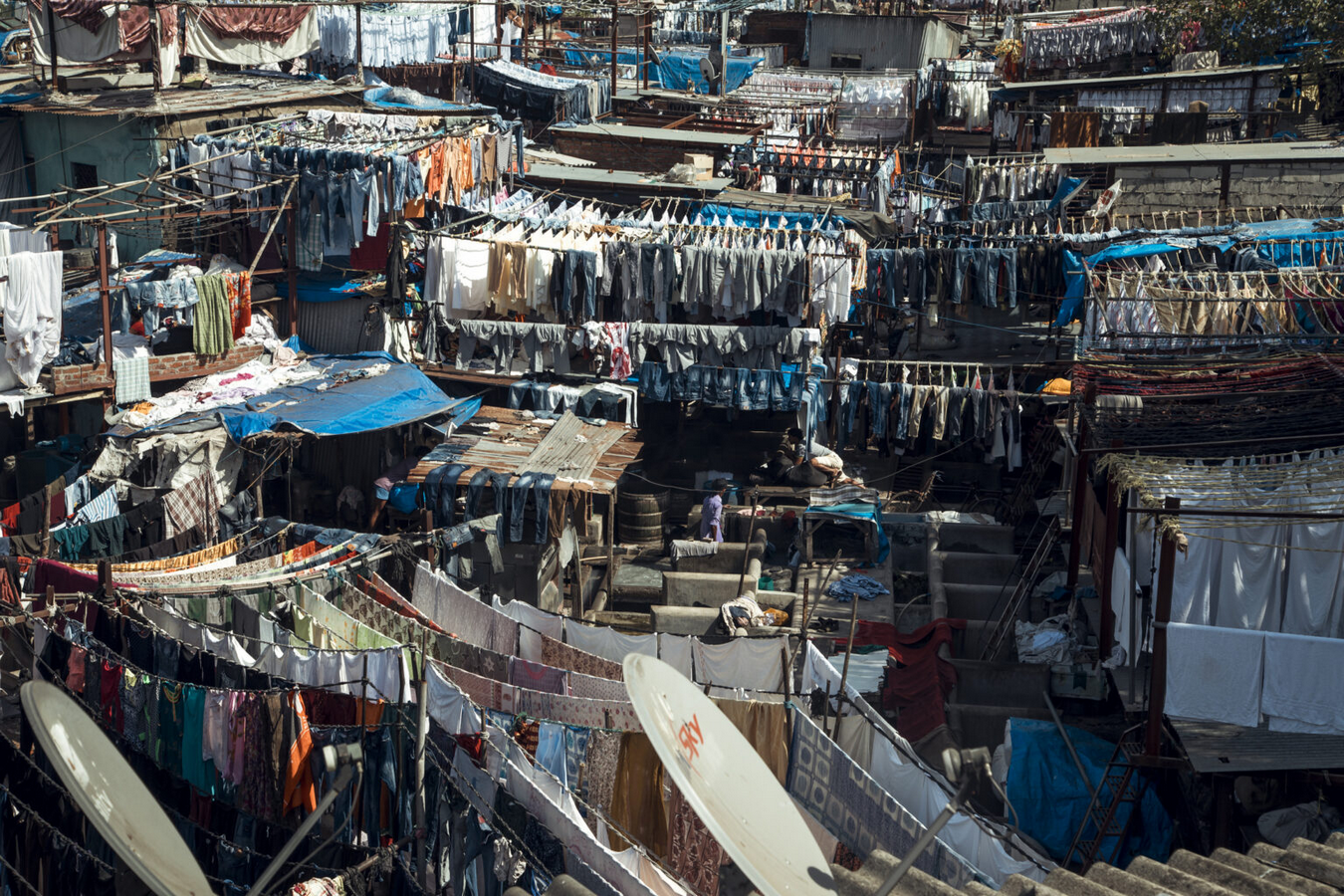
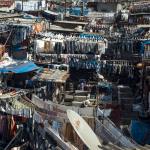
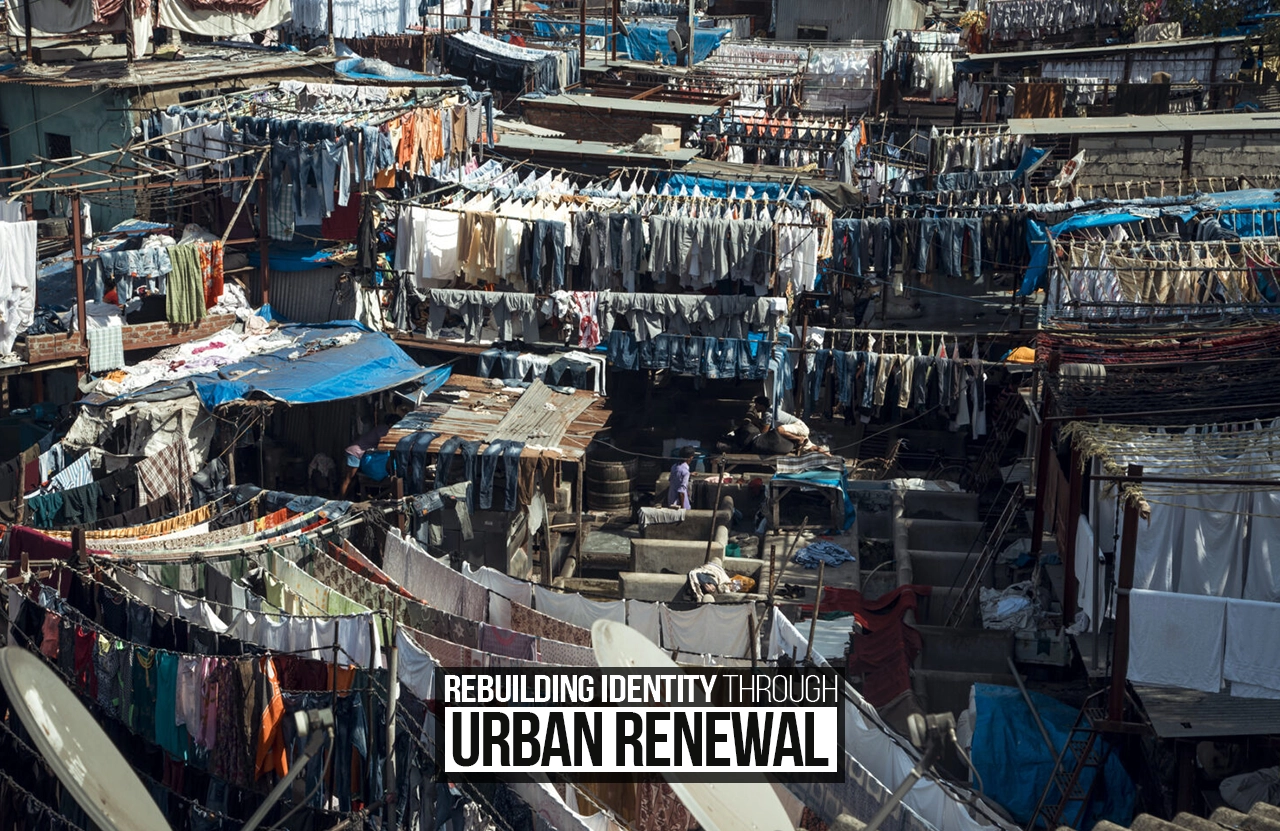
In the Indian context, Dharavi illustrates this tension. While urban renewal in the form of redevelopment promises improved living conditions, it also risks the loss of intricate networks of informal economies, social ties and spatial practices that are the core identity of the place.
Urban renewal, therefore, is not merely a physical transformation; it is a question of: Whose knowledge shapes the city? Whose identity is being rebuilt? And whose is being erased? Whether identity is treated as a starting point or a casualty of development?
Rebuilding Identity: Conditions for Meaningful Renewal
When the existing conditions are not looked down as a problem to be erased but rather treated as anchors to build upon, urban renewal can contribute positively to the identity. Some key conditions to include:
- Retention of communities: Ensuring the continuity of social networks
- Integration of livelihoods: Recognising local economies as essentials and not informal obstacles
- Respect for spatial practices: Understanding the place-people-work relationship
- Incremental transformation: Allowing change to occur gradually rather than through abrupt interventions.
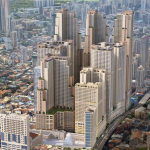
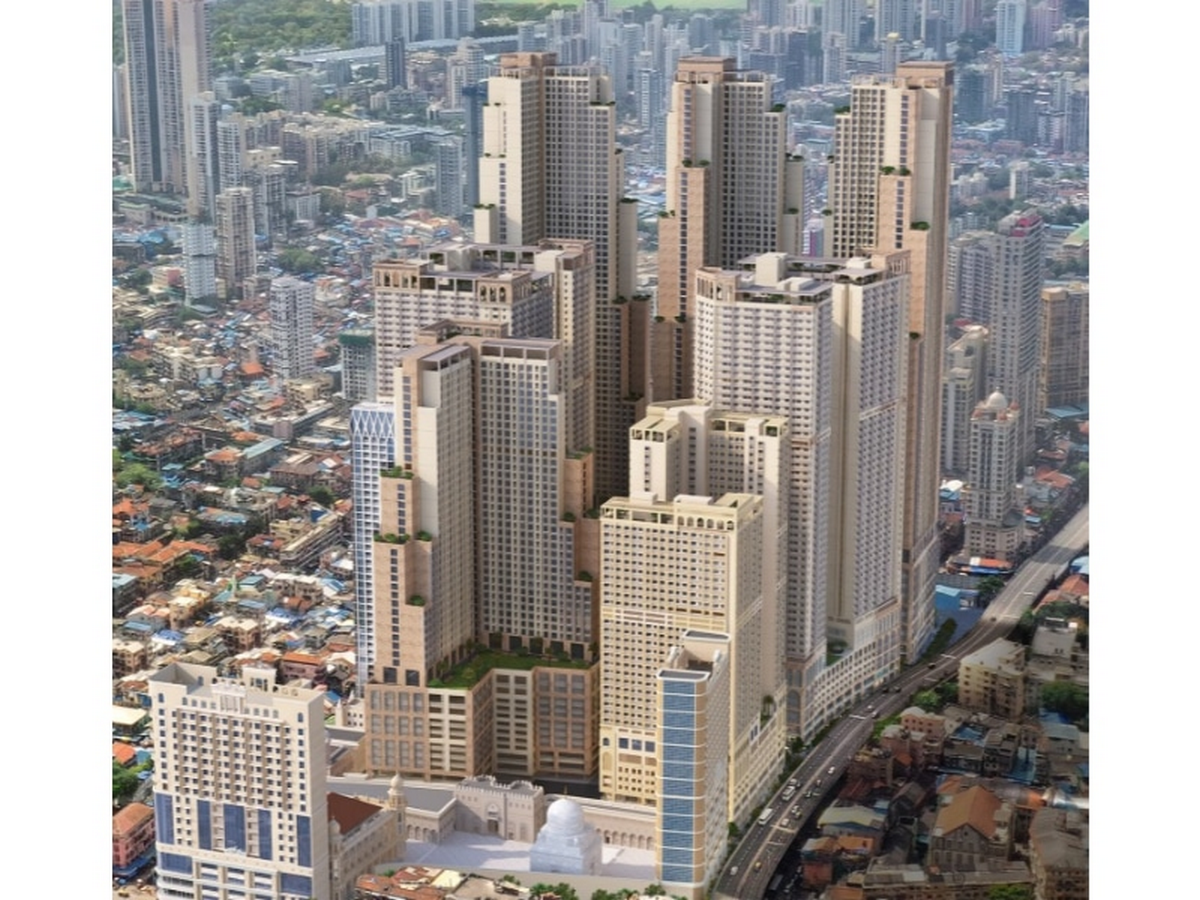
Redevelopment at Bhendi Bazaar is one such attempt to balance the modernisation with community continuity while also revealing the challenges of negotiating density, economics and social fabric.
Identity as a Lived and Evolving Condition
A common misconception is that urban renewal treats identity as something that can be ‘recreated’ through visual references. It is hence important to realise that identity cannot be imposed through stylistic gestures such as replicating the “heritage” facade, but must emerge from how spaces are inhabited and transformed over time. Identity, therefore, is a dynamic outcome of lived experiences that is shaped by daily routine, informal interactions and adaptations and improvisations by users. Attempts at artificially constructed identity often result in spaces that appear culturally rooted but lack genuine social life. In contrast, environments that allow for occupation, negotiation and change tend to develop stronger and more authentic identities over time.
Urban renewal should not be seen as an opportunity to recreate an entirely new identity, nor should it seek to freeze the existing ones. Instead, it must operate within a more nuanced understanding:
Identity is not something to be replaced or replicated, but something to be critically carried forward, negotiated and allowed to evolve.
The success of urban renewal, therefore, lies in its ability to balance transformation with continuity, ensuring that while cities change, they do not lose the very quality that makes them meaningful to the people who inhabit them.
In this way, urban renewal becomes not an act of erasure, but a process of rebuilding identity through continuity, inclusion and lived experiences.
References:
Jacobs, J. (1961) The Death and Life of Great American Cities. New York: Random House.
Kamarudin, K.H. (2017) Urban Planning Legislation Notes. Available at: https://khairulhkamarudin.wordpress.com/wp-content/uploads/2013/04/nota-legislation-21feb2017.pdf (Accessed: 22 March 2026).
Lynch, K. (1960) The Image of the City. Cambridge, MA: MIT Press.
Mansour, H.M., Alves, F.B. and da Costa, A.R. (2023) ‘A comprehensive methodological approach for the assessment of urban identity’, Sustainability, 15(18), p. 13350. Available at: https://doi.org/10.3390/su151813350
Saving Places (2020) A tale of two planners: Jane Jacobs and Robert Moses. Available at: https://savingplaces.org/stories/a-tale-of-two-planners-jane-jacobs-and-robert-moses (Accessed: 22 March 2026).
Tomorrow.City (2023) Turning trash into treasure: Inside Dharavi, Asia’s largest slum. Available at: https://www.tomorrow.city/turning-trash-into-treasure-inside-dharavi-asias-largest-slum/ (Accessed: 22 March 2026).
Construction Week Online (2023) The transformation of Bhendi Bazaar. Available at: https://www.constructionweekonline.in/business/the-transformation-of-bhendi-bazaar (Accessed: 22 March 2026).
Harvey, D. (2008) ‘The right to the city’, New Left Review, 53, pp. 23–40.
Gehl, J. (2011) Life Between Buildings: Using Public Space. Washington, DC: Island Press.
Ghosh, S., Majumdar, S. and Cheshmehzangi, A. (eds.) (2024) Cities of Tomorrow: Urban Resilience and Climate Change Preparedness. Singapore: Springer.
URBZ (2025) Dharavi and speculative urbanism. Available at: https://urbz.net (Accessed: 22 March 2026).
Saifee Burhani Upliftment Trust (2024) Bhendi Bazaar redevelopment project overview. Available at: https://sbut.com (Accessed: 22 March 2026).
Drishti IAS (2024) Towards sustainable urbanism. Available at: https://www.drishtiias.com (Accessed: 22 March 2026).