Places in architecture assume a very sacred position regarding how it is perceived. Some places demand to be seen and experienced, places that hide in all their glory, places of informal and formality, places to be saved, and places to live on mercy. Sometimes a place is seen as a metaphor, a symbolic entity created to escape uncomfortable interactions. The formation of the great divide, separating private from public life, is an indelible contrast to the century-old idea of placemaking born out of public and social space beyond the realms of home and work. Solitude became a necessity, and leisure was privatised. So where have these social spaces disappeared? Spaces that appear liminal between the home-work binaries, spaces that form an implicit necessity for survival, spaces of connections and discussions, spaces that follow after home and work, profoundly characterised and sometimes underestimated. These spaces constitute ‘third spaces’ in architecture, as the sociologist Ray Oldenburg coined in his 1989 book, “The Great Good Place.”

Beyond physical and between emotions
In architecture, “third spaces” represent environments that go beyond the traditional enclosures of home and work to foster community and social connections. These spaces, which are often public or semi-public, play a crucial role in promoting sociological and emotional well-being within communities.
The significance of third spaces extends beyond their physical attributes. They hold profound sociological implications as they provide a platform for individuals from diverse backgrounds to converge, interact, and establish relationships. By transcending social hierarchies and promoting inclusivity, third spaces can bridge gaps and cultivate a sense of belonging and unity within society.
These spaces create inclusive environments that embrace people from various walks of life, encouraging dialogue, exchanging ideas, and forming social bonds. They facilitate the emergence of shared experiences, common interests, and collective identities, all essential for fostering community cohesion. Through their thoughtful design and purposeful inclusion, third spaces offer opportunities for individuals to connect, collaborate, and engage in meaningful interactions. Whether it’s a neighbourhood park, a community centre, a public square, or a local café, these spaces serve as catalysts for social integration, promoting a sense of togetherness and enhancing the overall well-being of individuals and communities.
What constitutes Third Spaces?
Third places refer to public, social spaces outside home and work. These spaces have been present throughout history and have evolved into integral components of communities.
Examples of third places have emerged, including coffee shops, pubs, libraries, and corner stores. These spaces provide environments where people can gather, socialise, and establish connections. They are often characterised by their relaxed and informal atmosphere, fostering a sense of comfort and belonging.
Recent years have seen a growing recognition of the value of incorporating third places within the workplace. Companies have begun creating internal third places, such as cafés and casual spaces, where employees can interact, enjoy beverages, and engage in informal conversations. These spaces enhance collaboration, creativity, and employee well-being within the office.
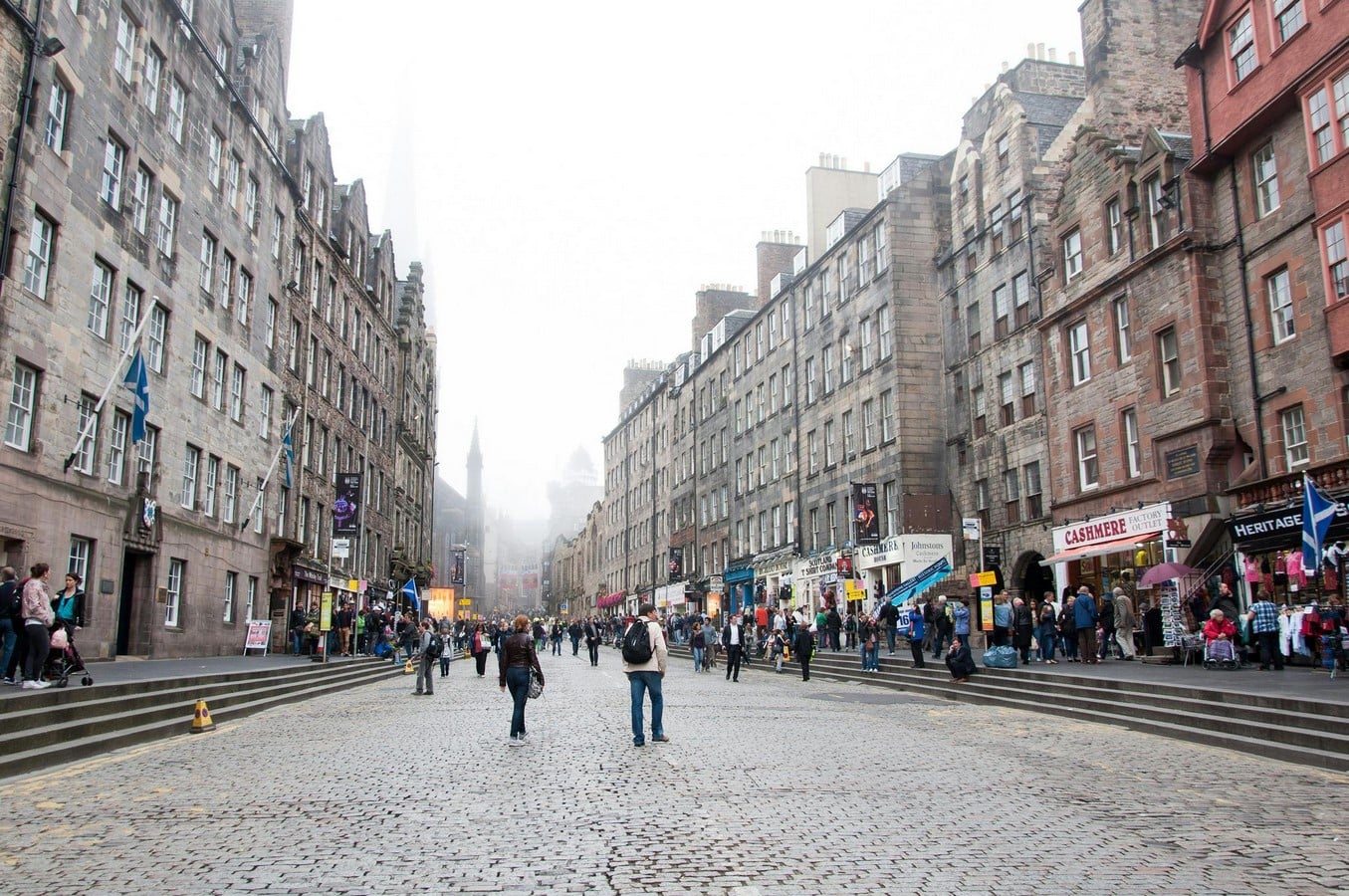
Certain outdoor locations also serve as quintessential third places. Beaches, parks, and other public recreational areas are considered prime examples. These spaces are open to everyone, free of commercial transactions, and facilitate social interaction and community engagement.
Appearance, disappearance, and Reappearance
“The Great Good Place” explores the historical trajectory of third spaces and their subsequent resurgence in recent years, particularly within the work environment.
During the industrial revolution, the rise of separate home and work environments led to the emergence of third spaces as important social gathering spots (Oldenburg, 1989). However, with the advent of modernism and zoning regulations, these incidental third places began to disappear (Sugihto, 2016). The emphasis on productivity and the shift towards home-based entertainment further contributed to their decline. Large homes and suburban environments reduced the need for external community spaces, resulting in a loss of incidental interactions (Conti, 2022).
The work environment has seen a notable shift in recent times. Companies have recognised the value of incorporating third places into the workplace (Steelcase, 2015). Creating internal third spaces, such as coffee shops, lounges, and collaborative areas, has become increasingly common.
These spaces transcend traditional work environments, offering a dynamic interplay where professional and social interactions intertwine. By providing a vibrant hub for idea exchange and collective innovation, they transform workplaces into thriving ecosystems of connection and inspiration.

The revival of third spaces in the work environment can be attributed to various factors. Firstly, companies have recognised the significance of nurturing a sense of community and social bonding among employees to cultivate a positive and enriching work culture. Secondly, the understanding that informal interactions and serendipitous encounters often spark innovative ideas and solutions has propelled the incorporation of third spaces within office premises.
Additionally, the changing nature of work itself has played a role. As remote work and flexible schedules become increasingly prevalent, organisations are striving to establish physical spaces that entice employees back to the office, offering the advantages of social interaction and collaboration often absent in remote work settings.
Characteristics features
Ray Oldenburg outlines several characteristics that make a good third space. These features help create a welcoming and inclusive environment where social connections thrive. The key characteristics of third spaces are as follows
- Neutral ground: Third places are public spaces that foster a sense of neutrality, where individuals from different backgrounds and demographics can come together.
- Leveling place: These spaces transcend social hierarchies, providing a sense of equality and inclusivity.
- Conversation: While conversation is a central activity in third places, they also accommodate other interactions and activities. The focus, however, remains on fostering meaningful dialogue and connections among people.
- Open and accessible: Third places accommodate the needs of their occupants, providing flexibility and convenience.
- A reservoir of regulars: Third places have the potential to contribute to the atmosphere and set the tone of the space. They provide a sense of familiarity and welcome newcomers.
- Plain, homely, non-pretentious: Third places are designed to be comfortable, unassuming, and free from pretense, creating an environment where people feel at ease and can be themselves.
- Playful: Third places embrace a lighthearted and playful atmosphere, encouraging laughter, banter, and enjoyment.
- Home away from home: Third Places strive to create a warm and inviting ambiance that makes individuals feel a sense of belonging and comfort (Oldenburg, 1989).
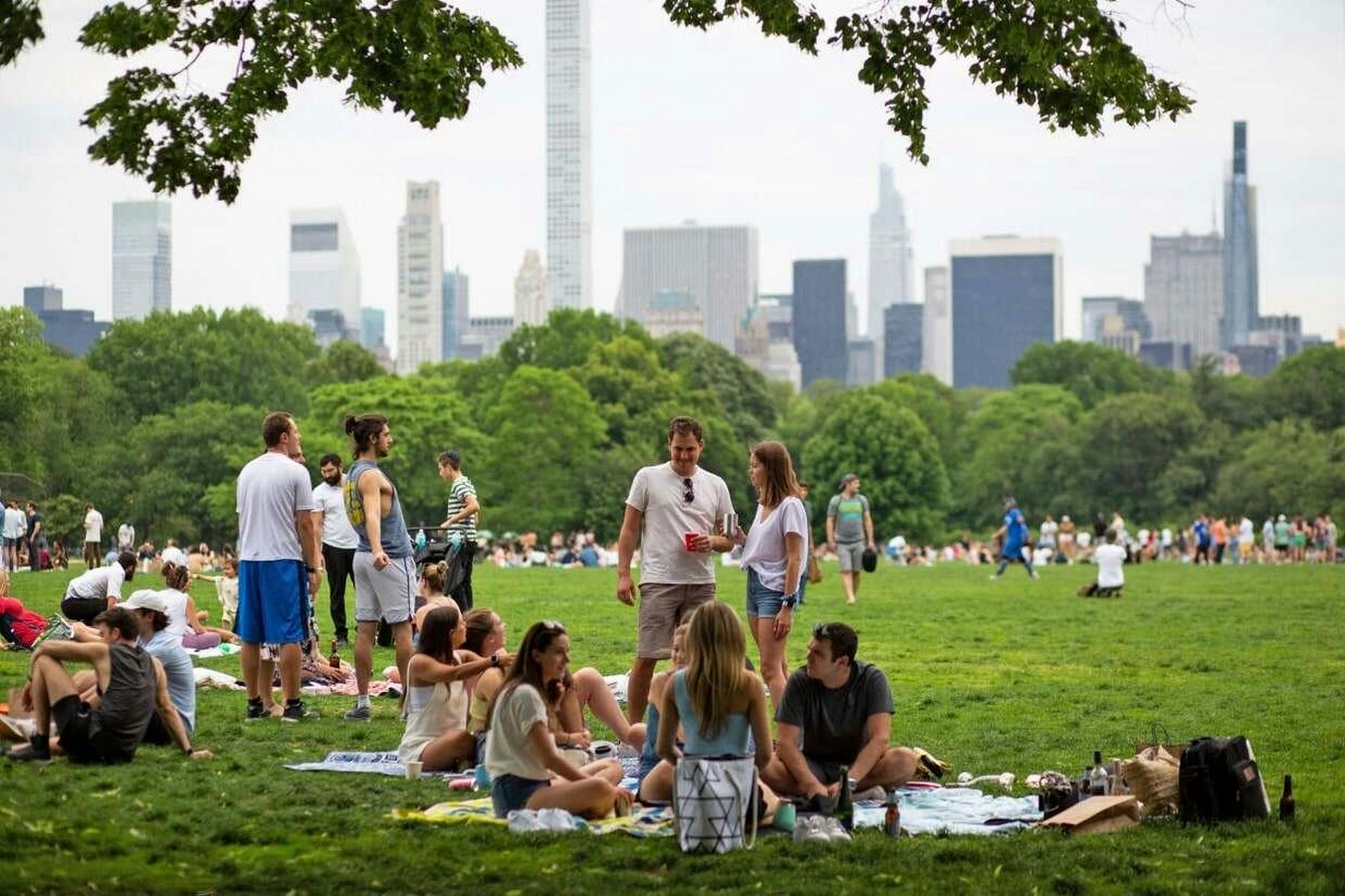
Additionally, third places are informal gathering spots without set agendas. They are not structured meetings but spaces where people naturally interact for social interaction (http://www.facebook.com/john.dzubak, 2015). The presence of regulars and the focus on conversation further contribute to the social dynamics of these spaces.
Third places are characterised by their neutral and inclusive nature, emphasis on conversation, and the creation of a relaxed and enjoyable atmosphere. These features make third places conducive to building social connections and fostering community. As architecture evolves, recognising and incorporating third spaces will remain integral in designing environments that prioritise human connection, social engagement, and overall quality of life.
Reference List:
Branigan, T. (n.d.). No.1 Martin Place.
Conti, A. (2022). Do Yourself a Favor and Go Find a ‘Third Place’. [online] The Atlantic. Available at: https://www.theatlantic.com/family/archive/2022/04/third-places-meet-new-people-pandemic/629468/.
HASTA. (n.d.). What Makes a Space a Place?: Place-making in Urban Design. [online] Available at: http://www.hasta-standrews.com/features/2017/11/14/what-makes-a-space-a-place-place-making-in-urban-design.
http://www.facebook.com/john.dzubak (2015). The Third Place | The Importance of Ray Oldenburg’s Third Place. [online] The Art of Charm. Available at: https://theartofcharm.com/art-of-personal-development/what-is-a-third-place-and-why-do-you-need-one/.
Oldenburg, R. (1989). The Great Good Place : cafés, Coffee shops, bookstores, bars, Hair salons, and Other Hangouts at the Heart of a Community. Philadelphia: Da Capo Press.
Sinha, P. (2019). The ‘third place’ is revolutionising the way we work | IndesignLive. [online] Indesign Live: Interior Design and Architecture. Available at: https://www.indesignlive.com/ideas/third-place-revolutionising-work [Accessed 18 Jun. 2023].
Steelcase. (2015). Q + A with Ray Oldenburg. [online] Available at: https://www.steelcase.com/research/articles/topics/design/q-ray-oldenburg/.
Sugihto, E. (2016). Third spaces. [online] Medium. Available at: https://medium.com/@social_archi/third-spaces-6245f99645b0.