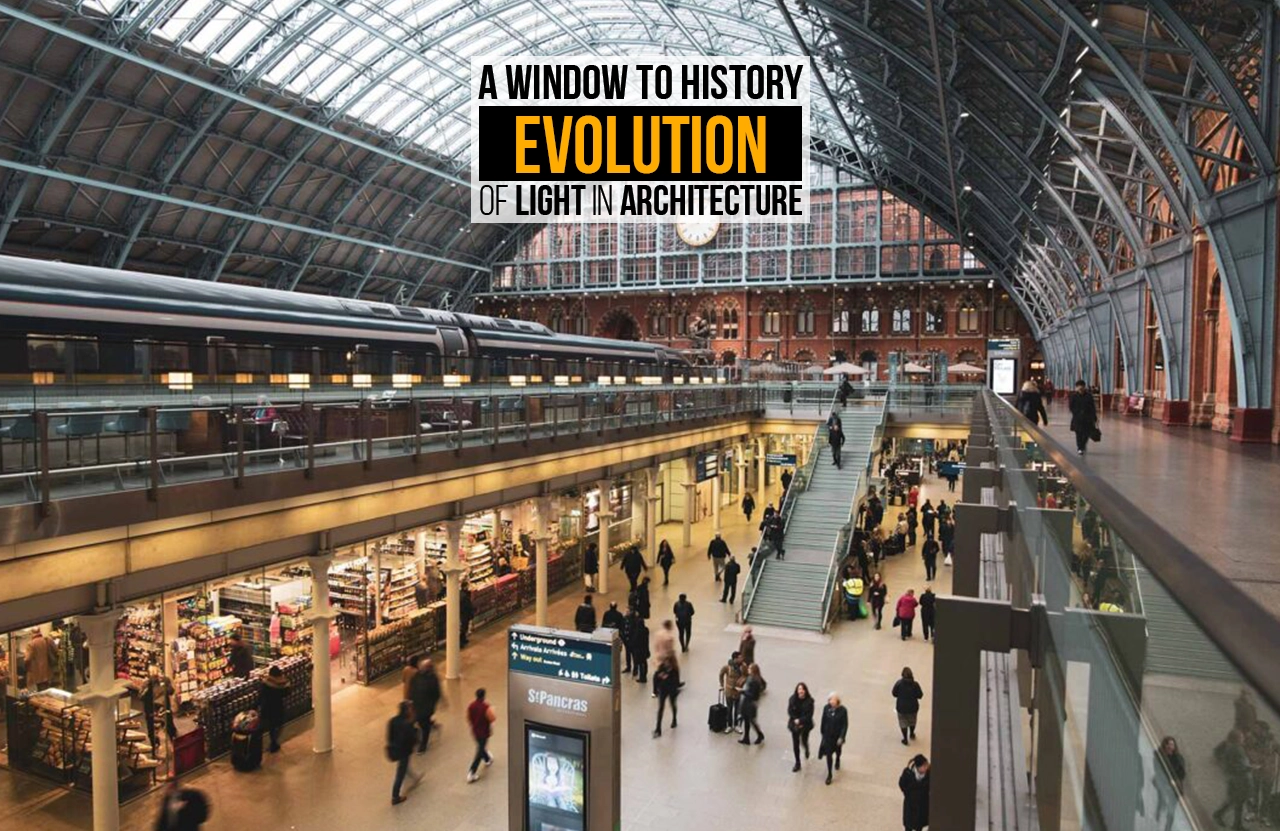
Throughout the history of architecture,windows have always played a critical role. Light has always been connected with architecture, shaping the design methodology and principles of construction. Windows are more than just openings; they are a tool that can even influence the function, aesthetics, and experience of a space. The evolution of openings along with humans has improved the connection between the outside world and human minds, creating a harmony with nature,seasons, and other natural elements.
The origins
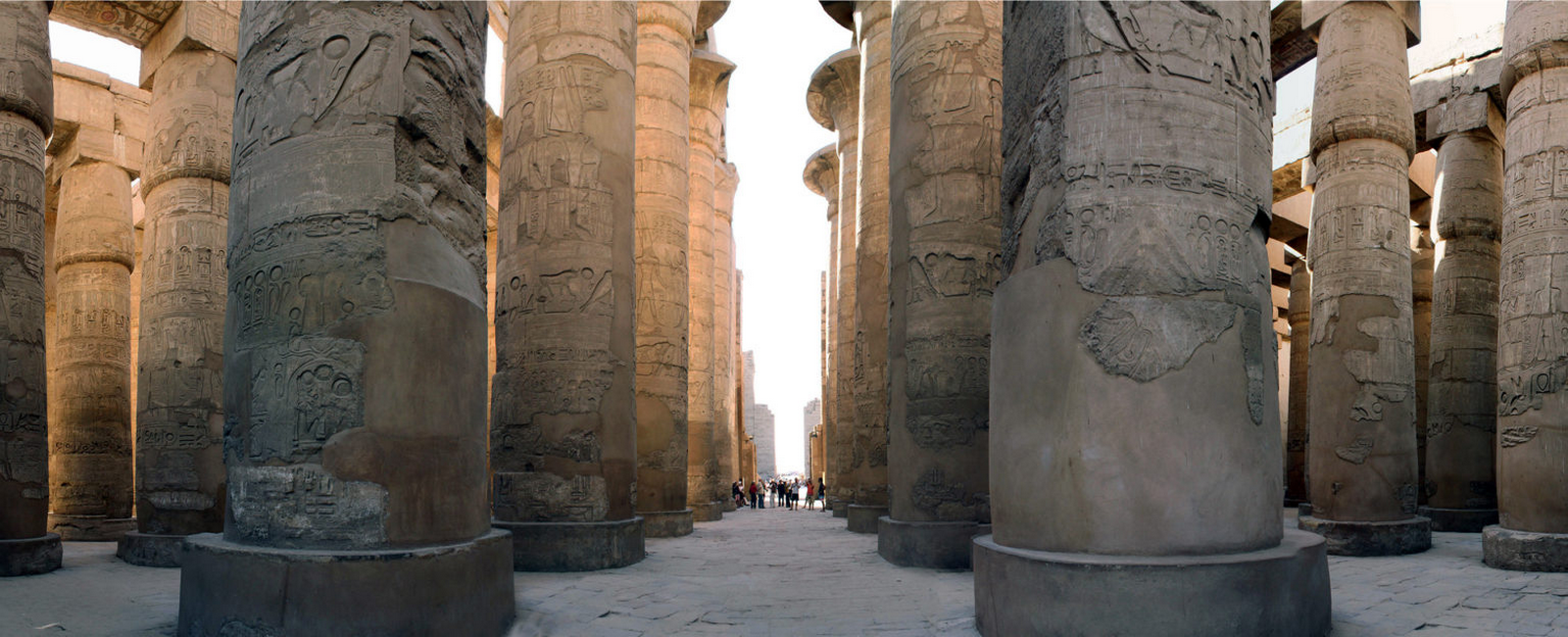
During the Egyptian civilization, light was carefully considered in temple and tomb design. Doors, windows, and clerestories were used to admit light. Large openings allowed sunlight to illuminate sacred spaces, enhancing their divine atmosphere. Despite the limited number of openings, building orientations often aligned with the sun’s movement, highlighting the significance of light in religious practices. At the Karnak Temple, the hypostyle hall has a central area that is taller than the surrounding aisles. This design admits sunlight through the gap, highlighting the architectural wonder. Openings were also shaped by the harsh climate, providing a balance of heat and temperature. Passive cooling techniques, such as placing high and small openings, helped reduce heat gain.
Greek and Roman Architecture
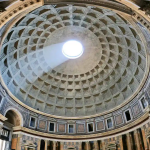
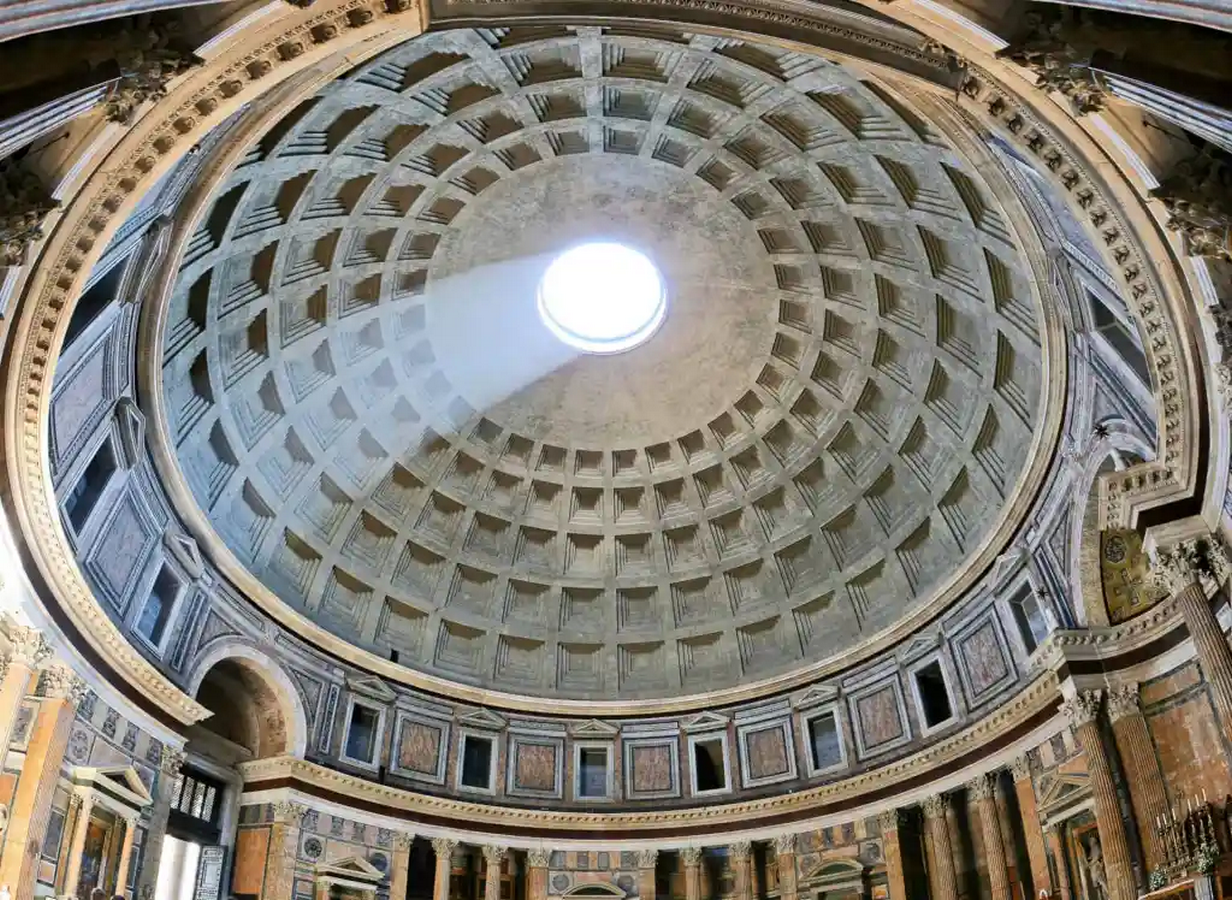
Greek architecture was primarily focused on external beauty, limiting the interior lighting. Romans were the first to introduce large windows and glass in their design. However, the most iconic structure didn’t use glass at all;The Pantheon has a 27-foot-wide hole in the center of the dome. It treats light as a physical beam that moves inside like a celestial clock connecting the sky and the building. This period marked a proper shift from openings being functional to improving the total composition of architecture.
The Gothic transformation
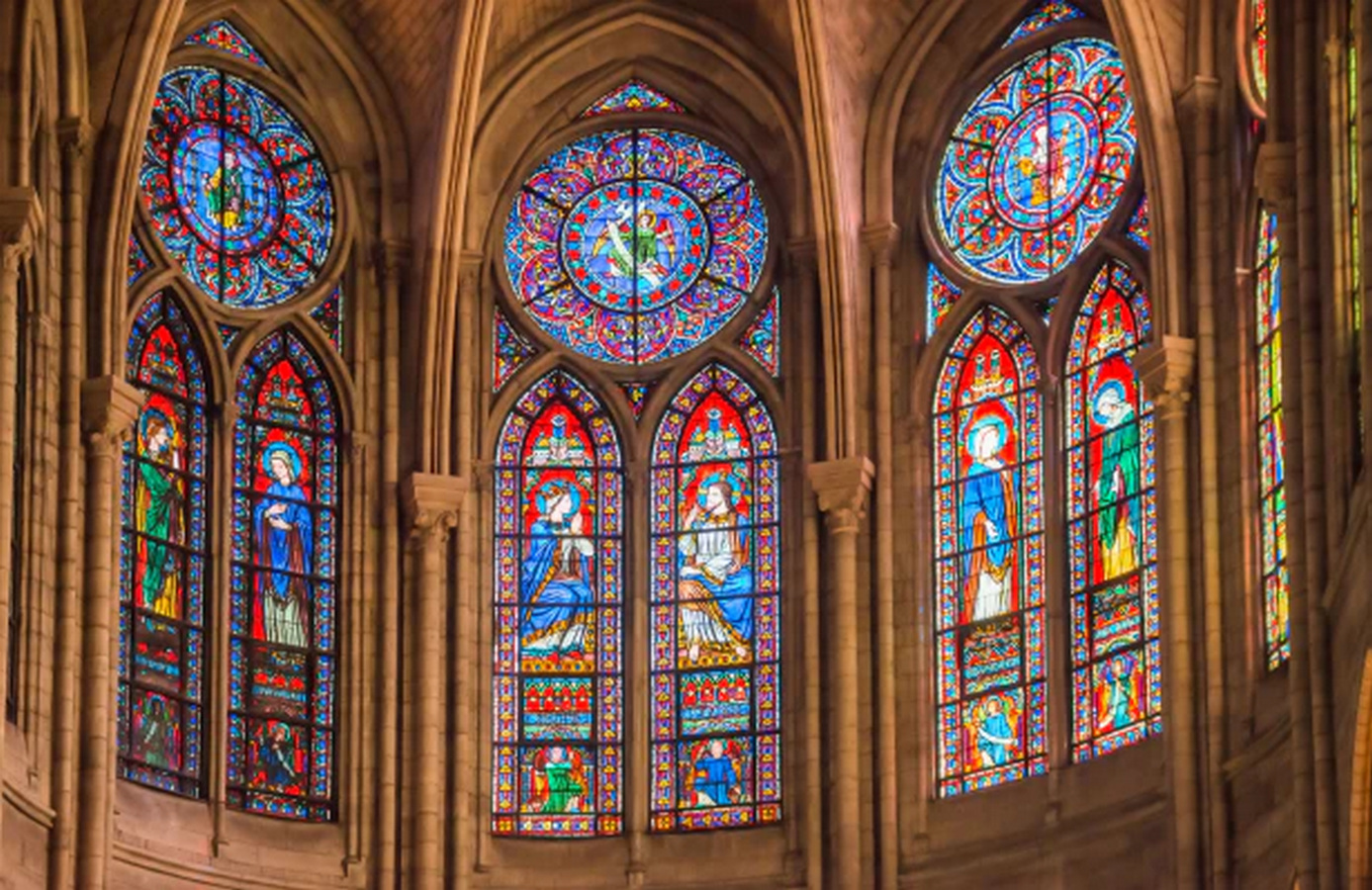

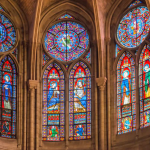
The Gothic period openings are the core design philosophy of the era. The development of structural elements like pointed arch,ribbed vault, and flying buttresses allowed the incorporation of new structural designs that shifted loads to external supports. The stained glass windows are one of the innovations in cathedrals that transform sunlight into colorful patterns, filling the interior with vibrant light. This also served as an educational function for the illiterate ;the stained glass depicts biblical stories and other moral lessons. The most distinctive Gothic opening is the rose window, a masterpiece of geometry and craftsmanship. It also influenced noble families and other personalities to introduce the stained glass to embellish their homes, transforming them into a piece of pride and prestige.
Industrial Revolution
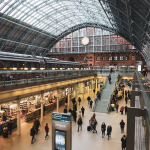
During the industrial revolution, new building materials -iron and steel helped to construct buildings with thinner structural frames and larger openings. Natural lighting was required for the functioning of factories and industries before the use of electric lighting. This resulted in the feature of large windows with larger sheets of glass made at lower rates. These long horizontal rows of windows in industries became a characteristic of the architectural openings in the industrial period. The rapid extension of railway networks also introduced new designs, such as arched openings and glass roofs, to the period. A remarkable example is the St.Pancras railway station of London, with enormous glazed surfaces turning it into a luminous space combining both architectural marvel and engineering innovation.
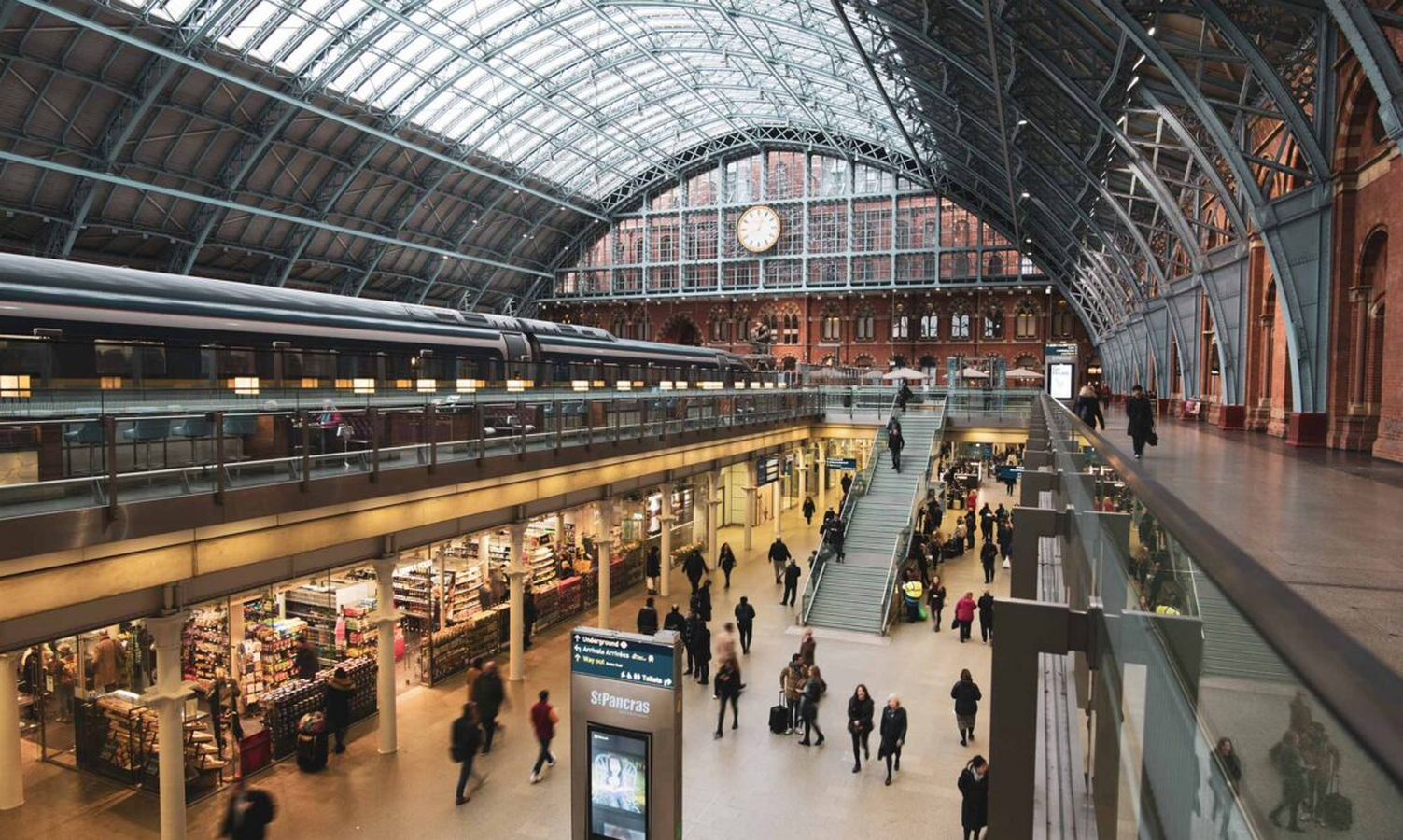
The industrial revolution also altered the residential architecture; mass urbanization resulted in the adoption of standardized window openings that were produced quickly and economically. Before this period, glass was considered expensive, limiting its use and production. Industrial techniques allowed it to be produced on a large scale. As a result, buildings began to emphasize a transparent visual connection between interior and exterior spaces, which gradually influenced modernism.
The modern glazing
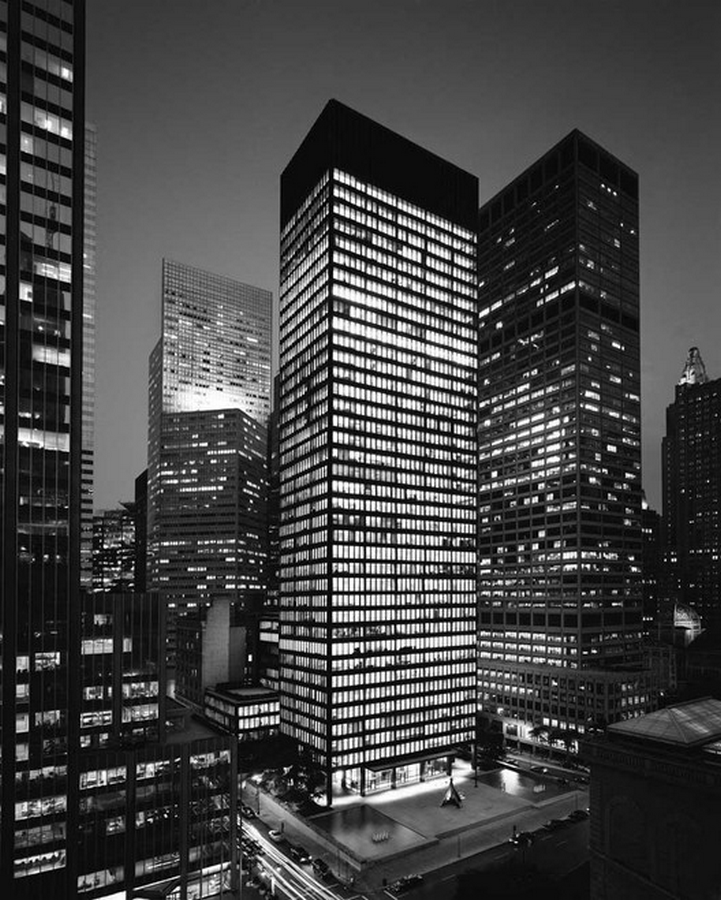
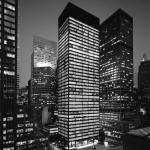
In the twentieth century, modern architecture redefined the spatial relationship;homes with larger windows and open plans became desirable. Window openings slowly became the primary element of every design, serving a new shape to every building. Architects Le Corbusier and Mies van der Rohe championed the curtain wall system, where the exterior glass hangs from the internal steel frame like a curtain. Architecture during this period saw the emergence of the international style of minimalism and functionalism. This also gave rise to various sub-movements, including futurism and surrealism, each contributing various unique perspectives to the design movement. The Seagram Building treated transparency as a virtue, eliminating the visual barrier between the inhabitant and the environment.
Today, windows play a crucial role in sustainable architecture. The placement, size, and orientation of the openings to maximize daylight while minimizing energy consumption make it more energy efficient. Contemporary architecture combined with shading systems and advanced insulation techniques allowed us to harness this process while maintaining comfort.
Architects are inspired to use glass not only to create transparent spaces but also to create illusion and wonder. The combination of protection from the external world and maintaining the outside view is a unique characteristic that only the glass possesses. From small openings in ancient shelters to expansive glass facades in the postmodern buildings, window openings have continuously adapted new technologies to include cultural values and environmental needs. Light influences how people perceive each environment, but more importantly, it shapes how we see ourselves within the world.
References:
Image 1:
https://smarthistory.org/temple-of-amun-re-and-the-hypostyle-hall-karnak/
Image 2:
https://accademiastudioitalia.com/the-mysterious-oculus-of-the-pantheon-a-hole-to-heaven/
Image 3:
https://croix-precieuse.com/en/blogs/blog-croix-precieuse/comment-sont-apparus-les-vitrages-d-eglise
Image 4:
https://croix-precieuse.com/en/blogs/blog-croix-precieuse/comment-sont-apparus-les-vitrages-d-eglise
Image 5:
https://stpancras-highspeed.com/st-pancras-international/
Image 6:
https://www.archdaily.com/59412/ad-classics-seagram-building-mies-van-der-rohe