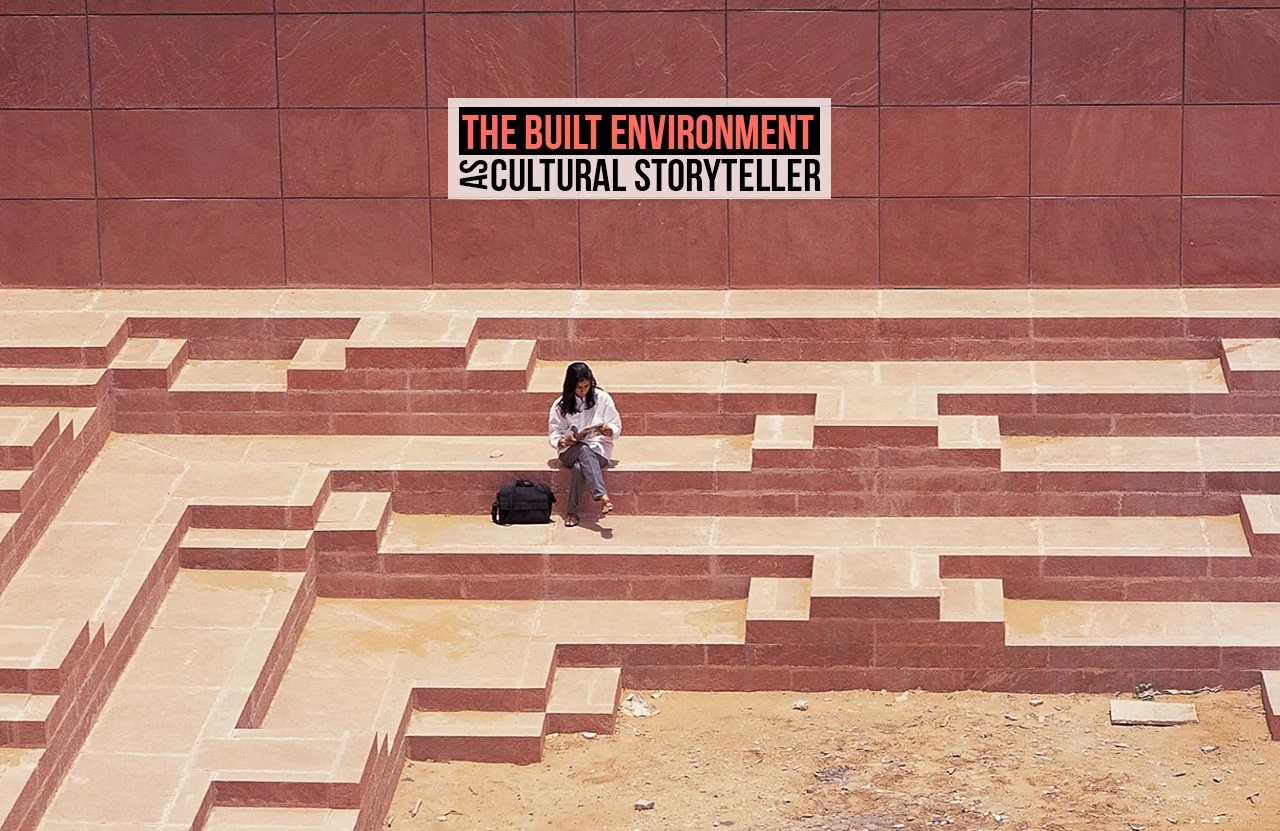
The built environment reflects our values, our fears, our spiritual convictions, and our social dynamics. Buildings, roads, courtyards, and public spaces speak silently about who we are as a society. Long after the written history is lost, and the traditions change, architecture endures. In this manner, the built environment is a storyteller, not in words but in space.
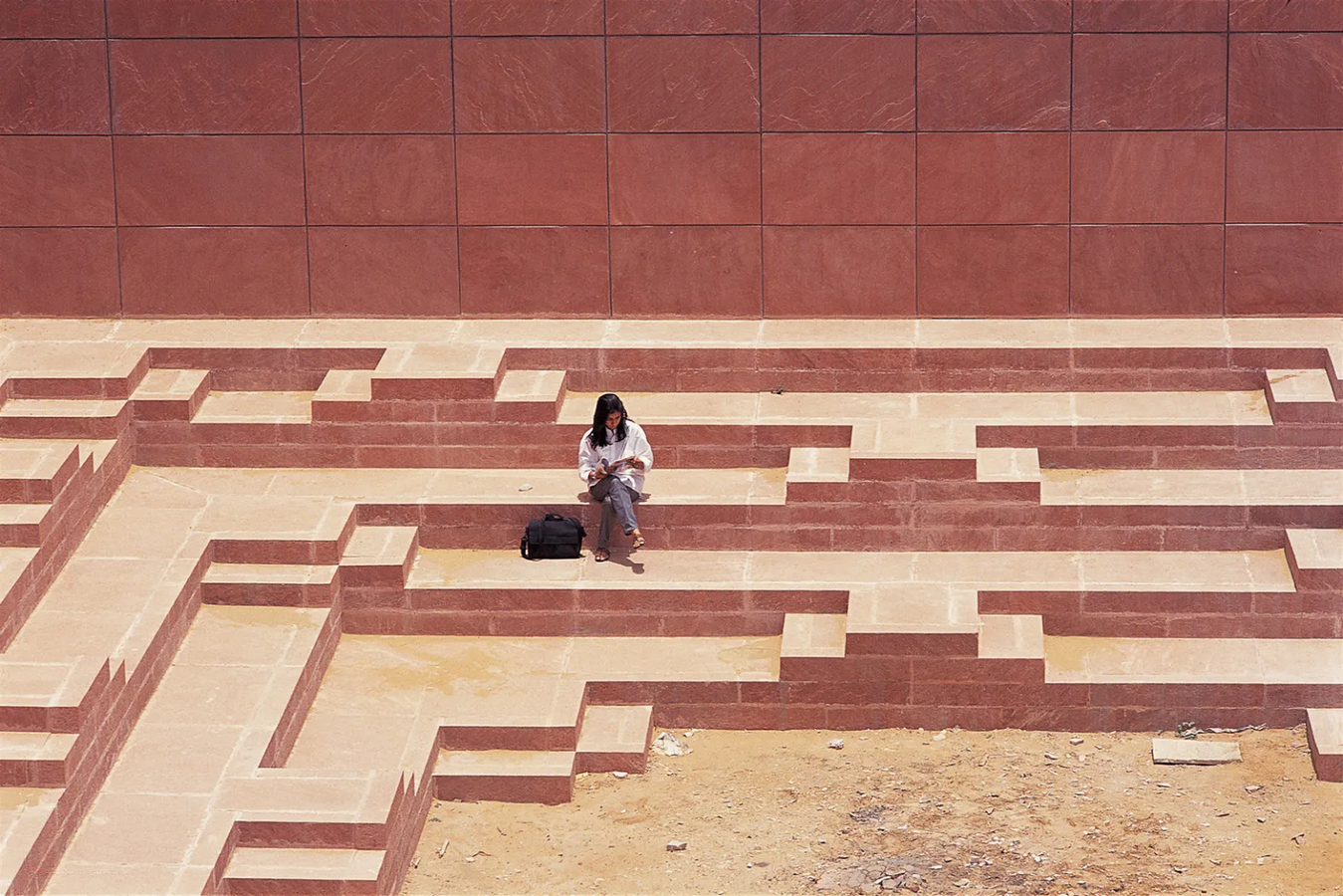
Architecture is more than the layout of bricks and concrete. It is the expression of human values in space. The layout of a house may reveal family dynamics, a temple may embody philosophical tenets, and a city plan may reflect political power. By studying the use of space, one can learn about a society without reading a single written history.
Built Environment as a Non-Verbal Language
If literature is the written word of a culture, architecture is the syntax of the physical world. We “read” a city in terms of its spatial syntax. The plan of a settlement immediately reveals who was considered important and how life was lived.
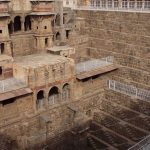
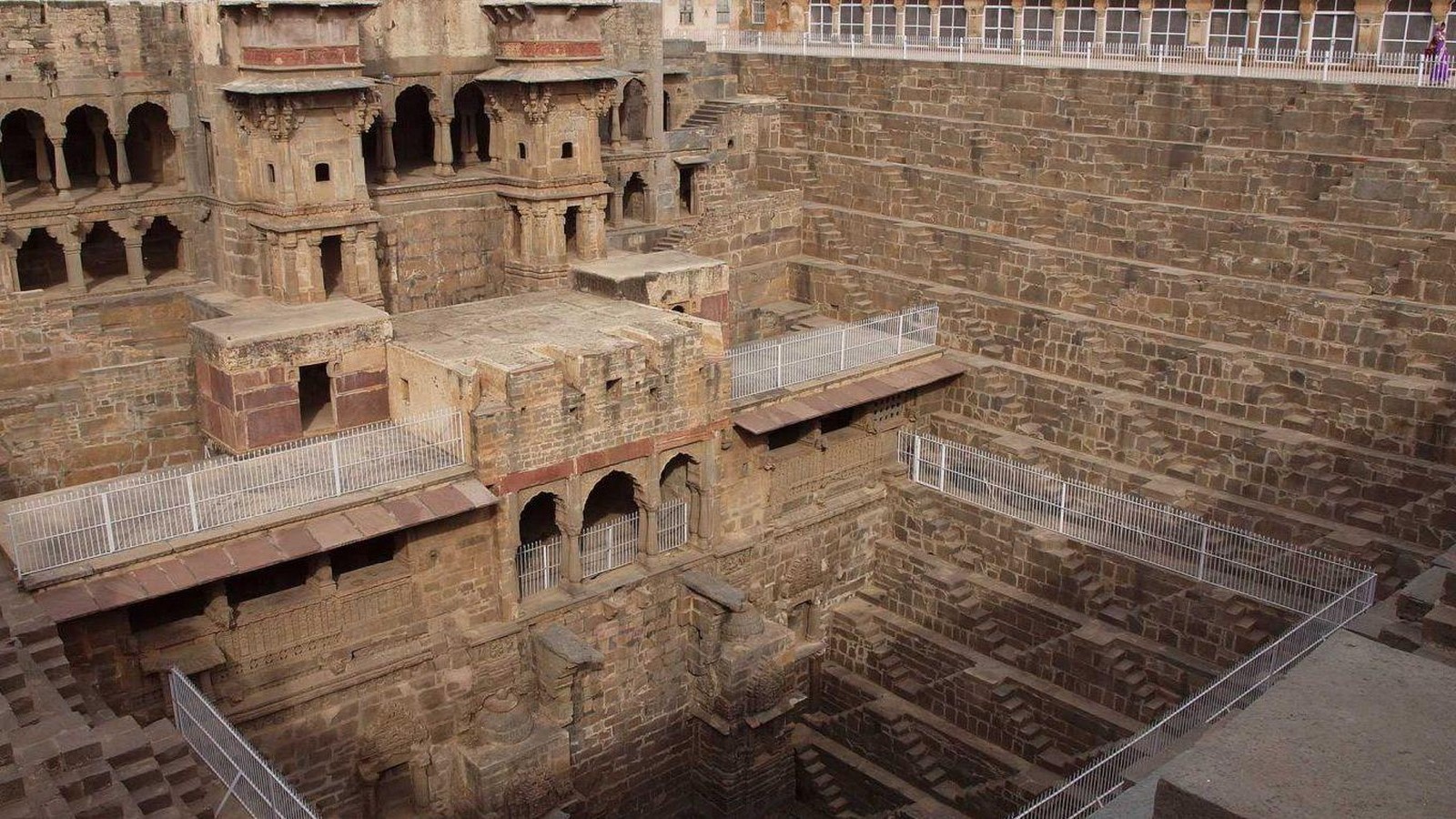
For example, the Ancient Stepwells (Baolis) of Rajasthan and Gujarat, like Rani ki Vav. On one hand, these were highly advanced water conservation systems for a dry climate. But the architectural narrative here is much more complex. As one moves from the hot surface to the cool underground refuge, this is preceded by thousands of carvings of deities. It is a story of the importance of water, a narrative where life and religion are inextricably intertwined.
Built Environment for spiritual beliefs
Religious architecture is the strongest example of spatial storytelling. Such architecture is meant not only for performing religious rituals but also for the emotional and psychological experience that it provides.
The temple architecture in India represents cosmology through verticality. The Brihadeeswara Temple, for example, symbolizes the sacred mountain. The worshipper progresses from the outer courtyard to progressively darker and quieter inner chambers, culminating in the sanctum sanctorum. The spatial experience corresponds to the meditation experience of progressing from the external world to the internal consciousness.
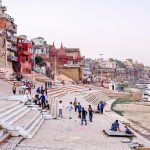
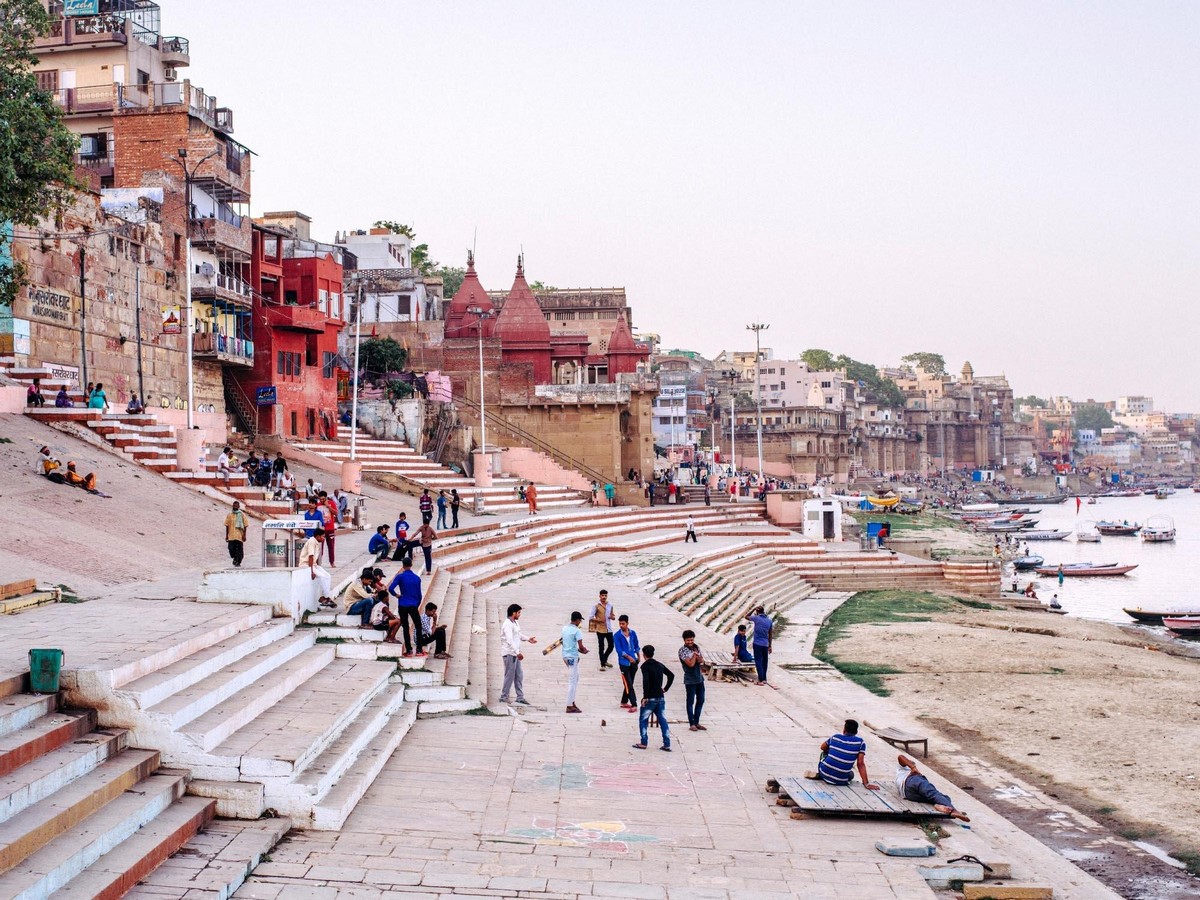
In a similar manner, the ghats of Varanasi are designed in a manner that they form a series of steps leading to the river. This is not merely a functional design; it also represents a philosophical journey from the chaos of the world above to the purification of the soul in the holy water below. The act of walking down the steps symbolizes the act of leaving behind worldly worries.
In all these cases, architecture is a teacher. The philosophy of a religion is not only preached; it is also lived.
Built Environment as a narrative
Architecture is also an expression of politics and ideology. Colonial architecture in India was intended to convey power. Scale, symmetry, and broad avenues conveyed power.
The Victoria Memorial in Kolkata is a classical European design intended to convey imperial power. Lutyens’ New Delhi is also a design intended to convey psychological power through broad roads and massive government buildings, making the individual feel small in comparison to the state.
After independence, architecture began to tell a new story. Chandigarh was a symbol of a modern nation that was rational and industrial. The Sabarmati Ashram, on the other hand, was a symbol of Gandhian ideology: simplicity, moderation, and living in harmony with nature. Both are architectural statements, but they tell two different stories about the same nation.
Built environment as a story of people
Whereas the monuments speak of the kings, the vernacular architecture speaks of the community. These buildings are designed by the climate, geography, and social habits of the region.
In the Chettinad area of Tamil Nadu, the large mansions (Valavu Veedu) speak of a trading community that went around the world. The use of Burmese teak, Italian marble, and Japanese tiles, in a traditional courtyard setting, speaks of a history of global trade and cultural assimilation. The large front porches (thinnai) speak of a society that was keen on socializing and community transparency.
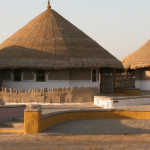
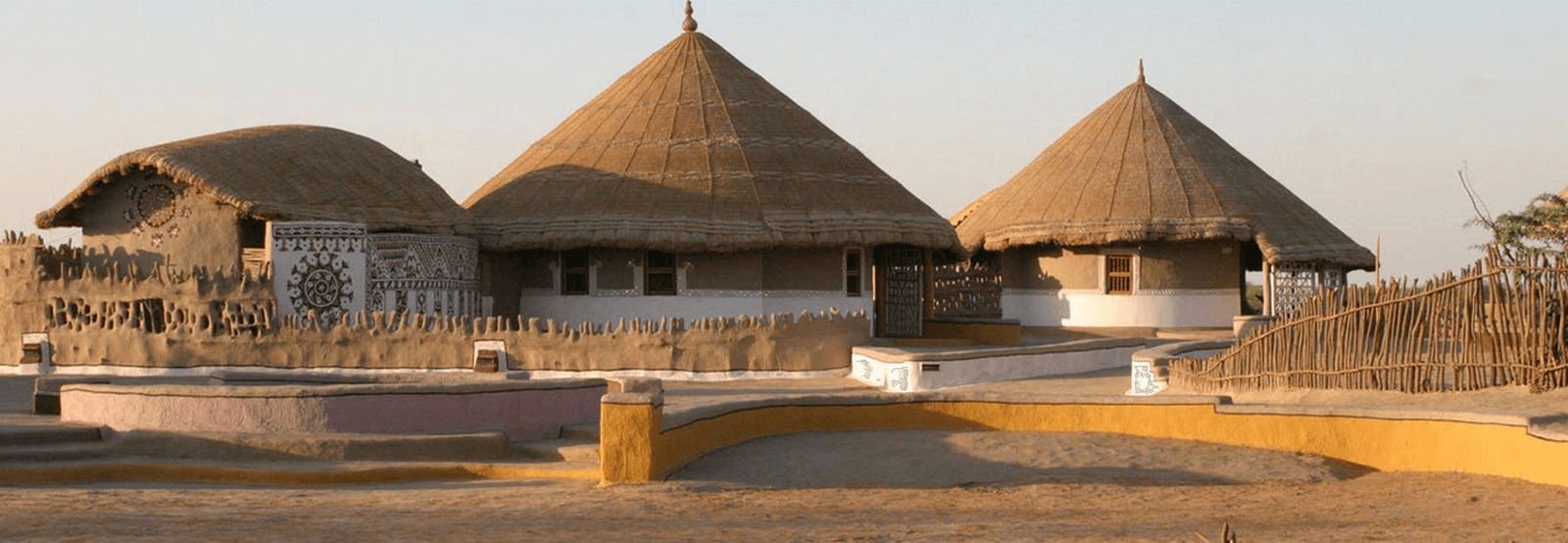
The Bhunga houses of Kutch are a lesson in indigenous technology. The round shape and thatched construction speak of the seismic activity and hot climate of the desert. These houses speak of a history of adaptation and living in harmony with a hostile environment, where “culture” is often a synonym for “adaptation.”
Importance of Storytelling in the Built Environment
If we don’t pay attention to the storytelling aspect of our environment, we might end up living in placeless places, cities that could be anywhere from London to Dubai to Mumbai. This is a kind of cultural amnesia.
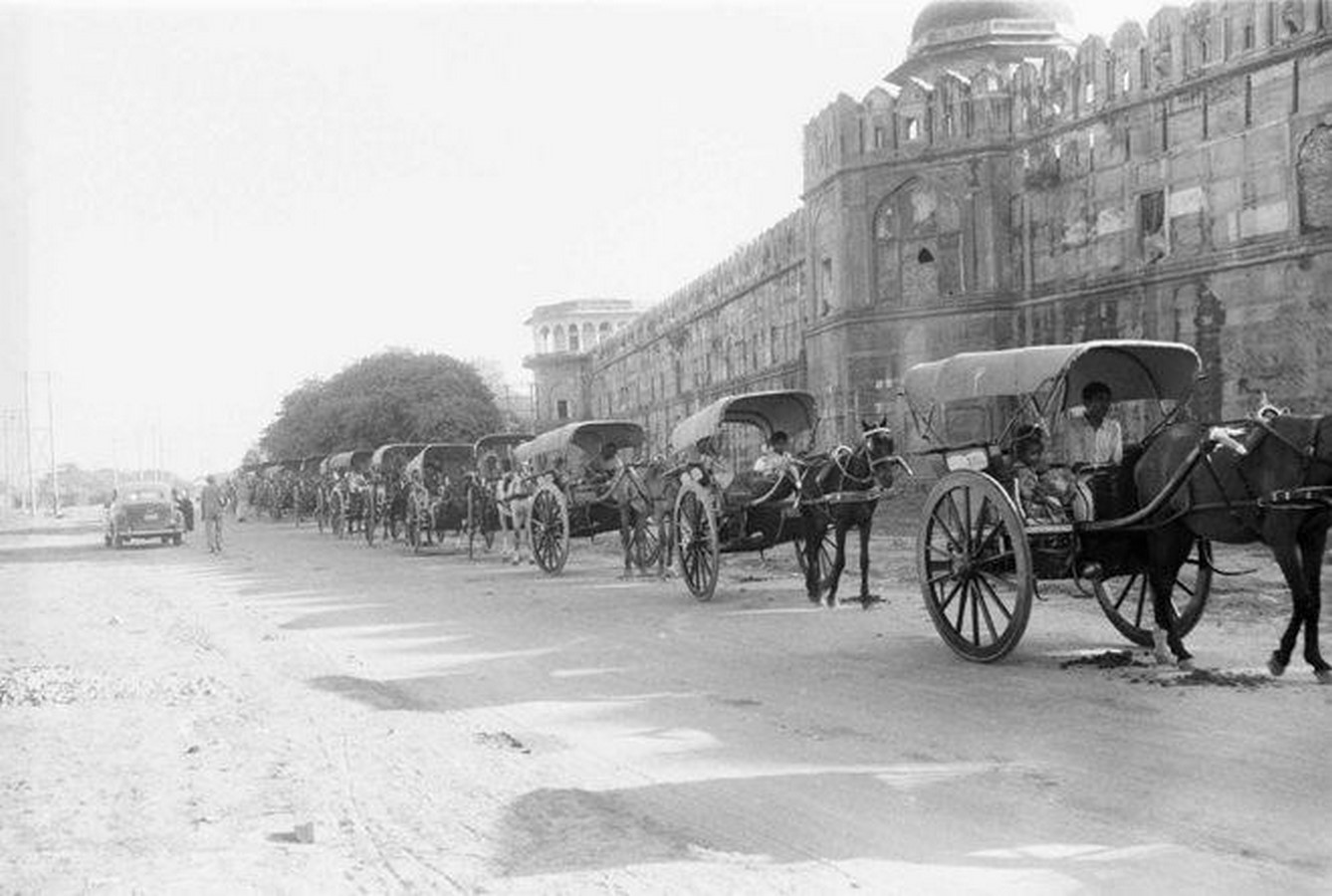
The narrow, serpentine alleys of Old Delhi (Shahjahanabad) speak of a high-density social fabric and eyes on the street security that the contemporary gated complex, with its high walls and alienation, has forgotten. When we save our heritage sites, we’re not just saving old rocks, we’re saving the manuals for how to live.
The built environment does tell stories. Every material, every axis, every courtyard, and every skyline has a voice. Architecture is the record of belief systems, political ideologies, climatic responses, and social practices that do not require words. Temples narrate spirituality, cities embody social order, houses explain daily practices, and public buildings convey power or defiance.
Most importantly, this narrative is not only a record of the past but also an ongoing process. Gated communities, glass-and-steel corporate buildings, metro stations, and shopping malls in the present are also telling stories. These stories are of globalization, ambition, movement, and shifting social dynamics. Future generations will learn about our society not only from books but also from the spaces that we are designing today.