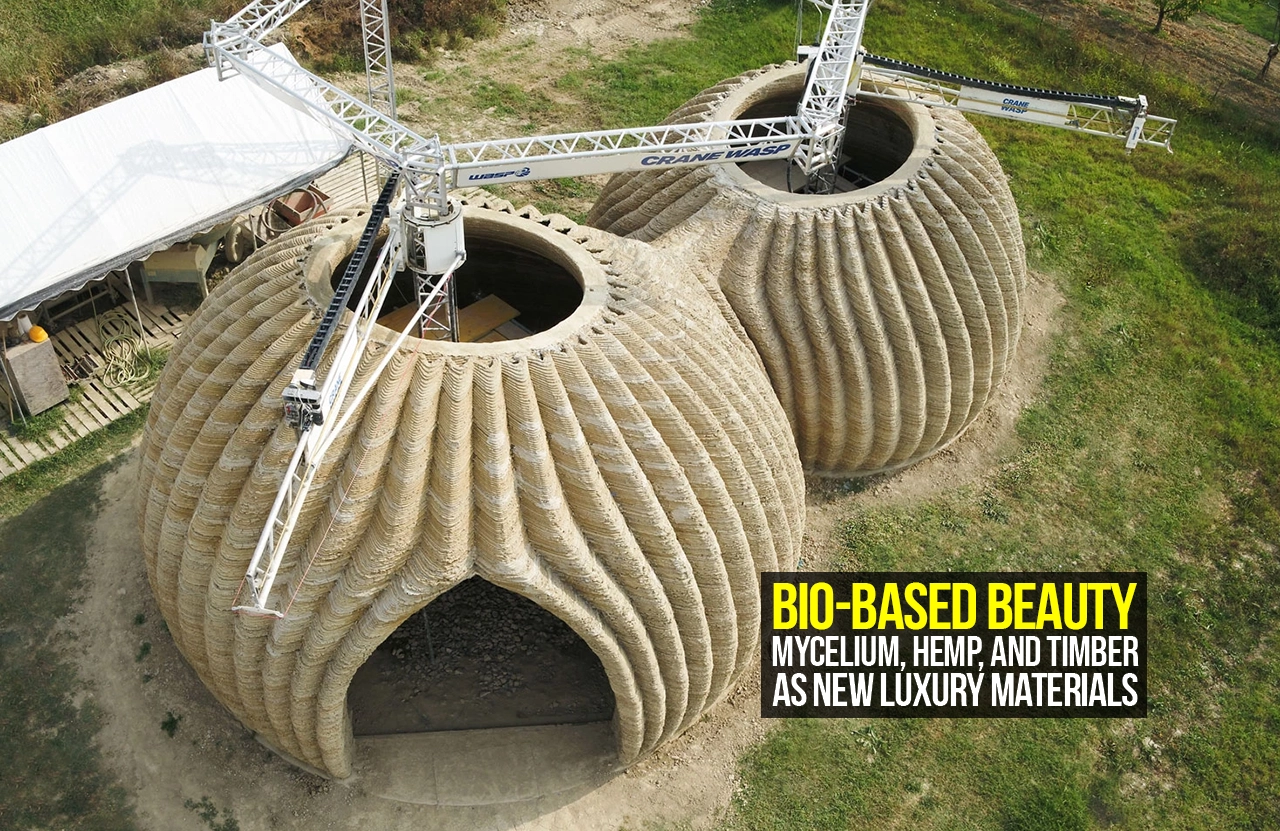
The concept of luxury is a fascinating one. On one hand, it could mean inherent or intrinsic value, while on the other hand, it could mean the value given to a product or service based on human sentiment or cultural bias. Beauty, they say, is in the eyes of the beholder. But, can we then say luxury is also in the eye of the beholder?
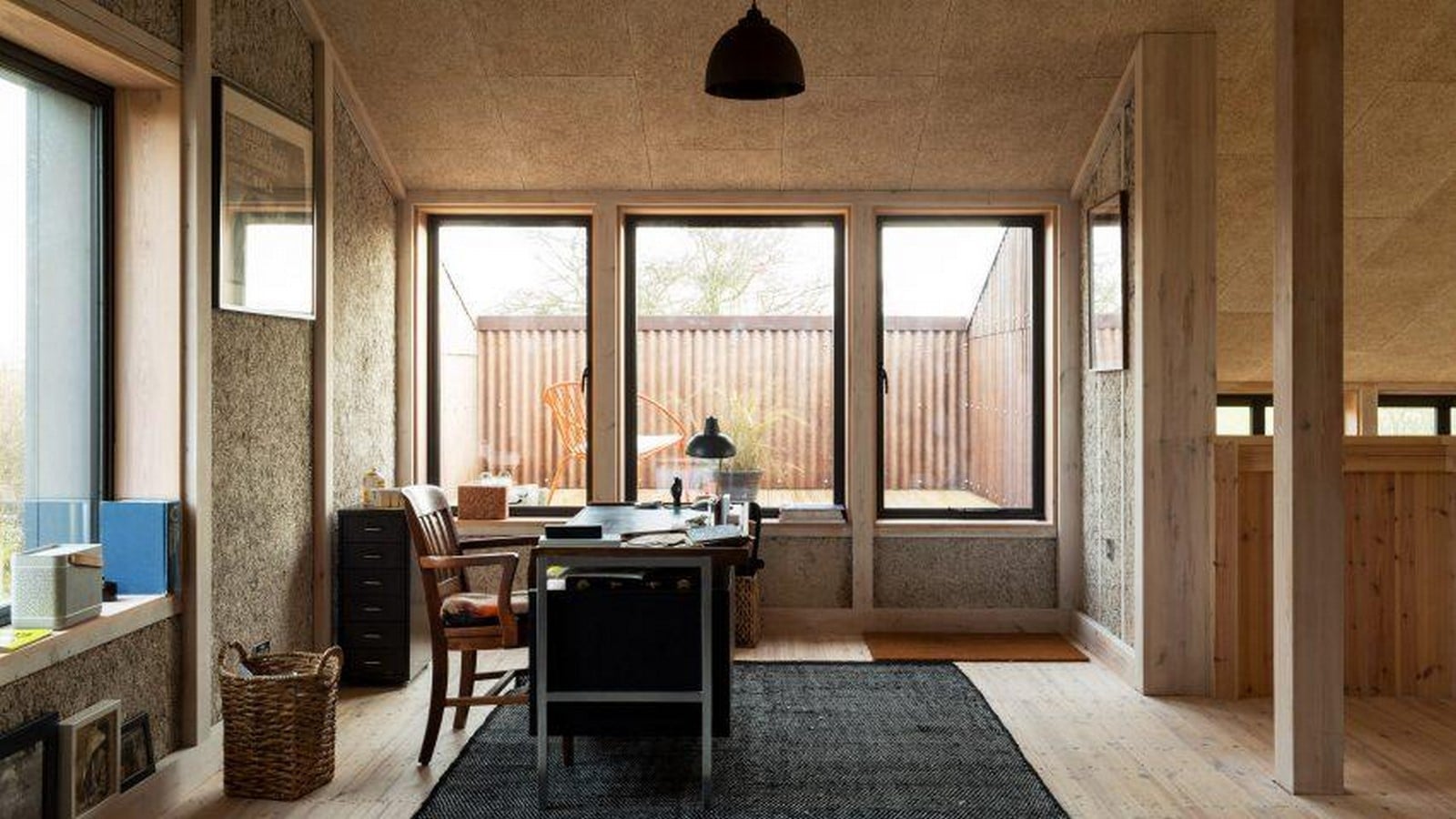
What is considered Luxury in Architecture?
Conventionally, luxury building materials are determined fundamentally by their cost. Alongside cost, other factors that influence the cost and make it high are its quality or durability, the rarity of the material in terms of sourcing and aesthetics, and the skill required to install or use it. Some examples include natural stones like Marble, Limestone, Quartz, etc. These natural stones are considered luxury because of their unique designs and scarcity. Other examples include certain exotic woods from specific trees that mostly grow in only specific areas of the world.
While all these examples are naturally available and require little processing to become usable, there are some other examples of luxury materials that are luxurious because of the innovative processes that bring them to life. Examples include smart glass, carbon fiber panels, and metals like Bronze. To be considered a luxurious material, the two major criteria are unique design and extreme processing.
Bio-Based Materials, What are They?
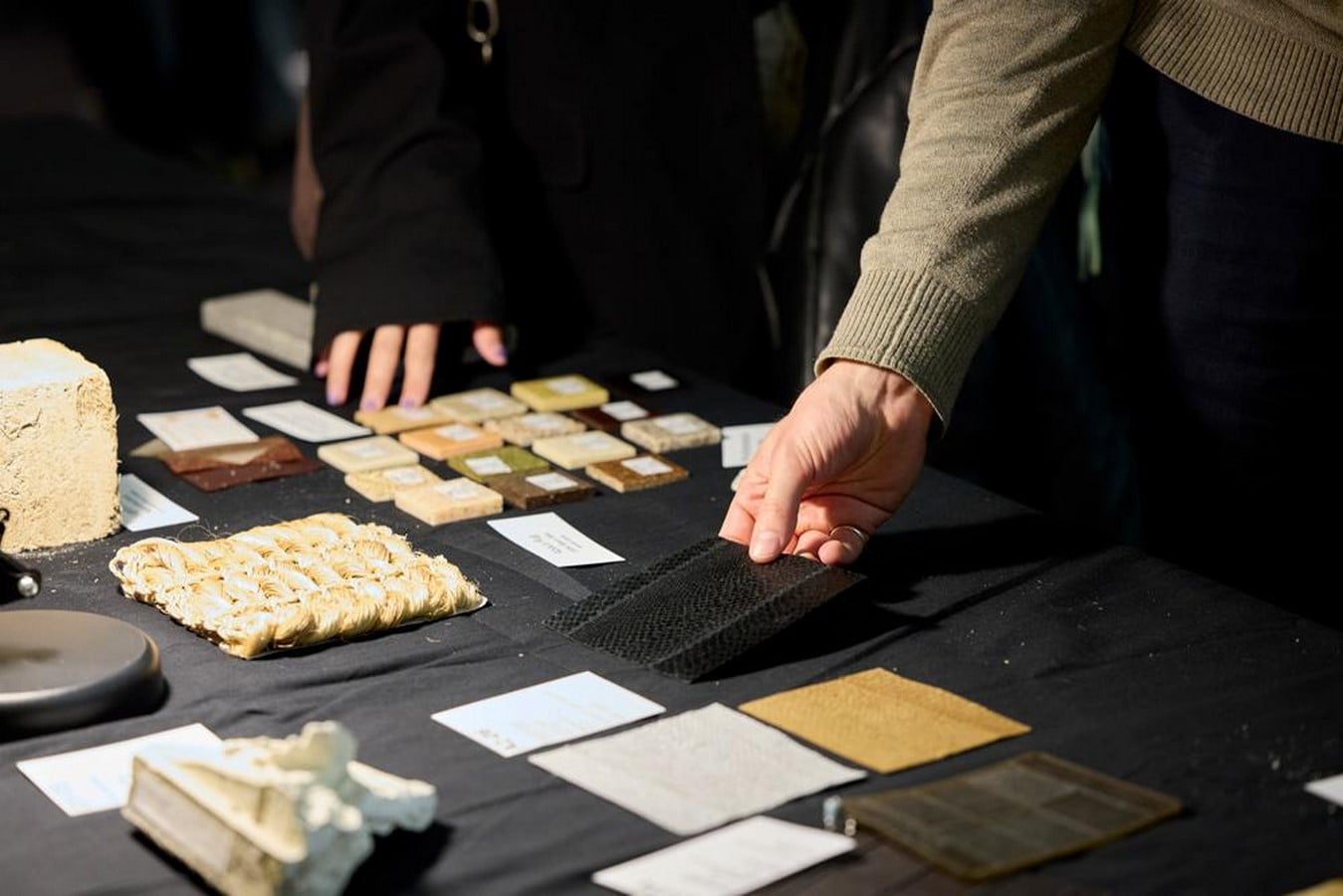
Bio-based materials are simply materials gotten from living organisms, plants, animals, bacteria, fungi, and so on. Some of them are obtained from agricultural waste, while others are made wholly from biological mattter Examples include Timber, one of the most popular and commonly used materials globally. Timber can be used in its original state, and we also see several other innovative and engineered materials come from it, such as plywood and laminated veneer lumber.
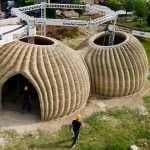
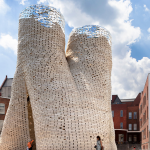
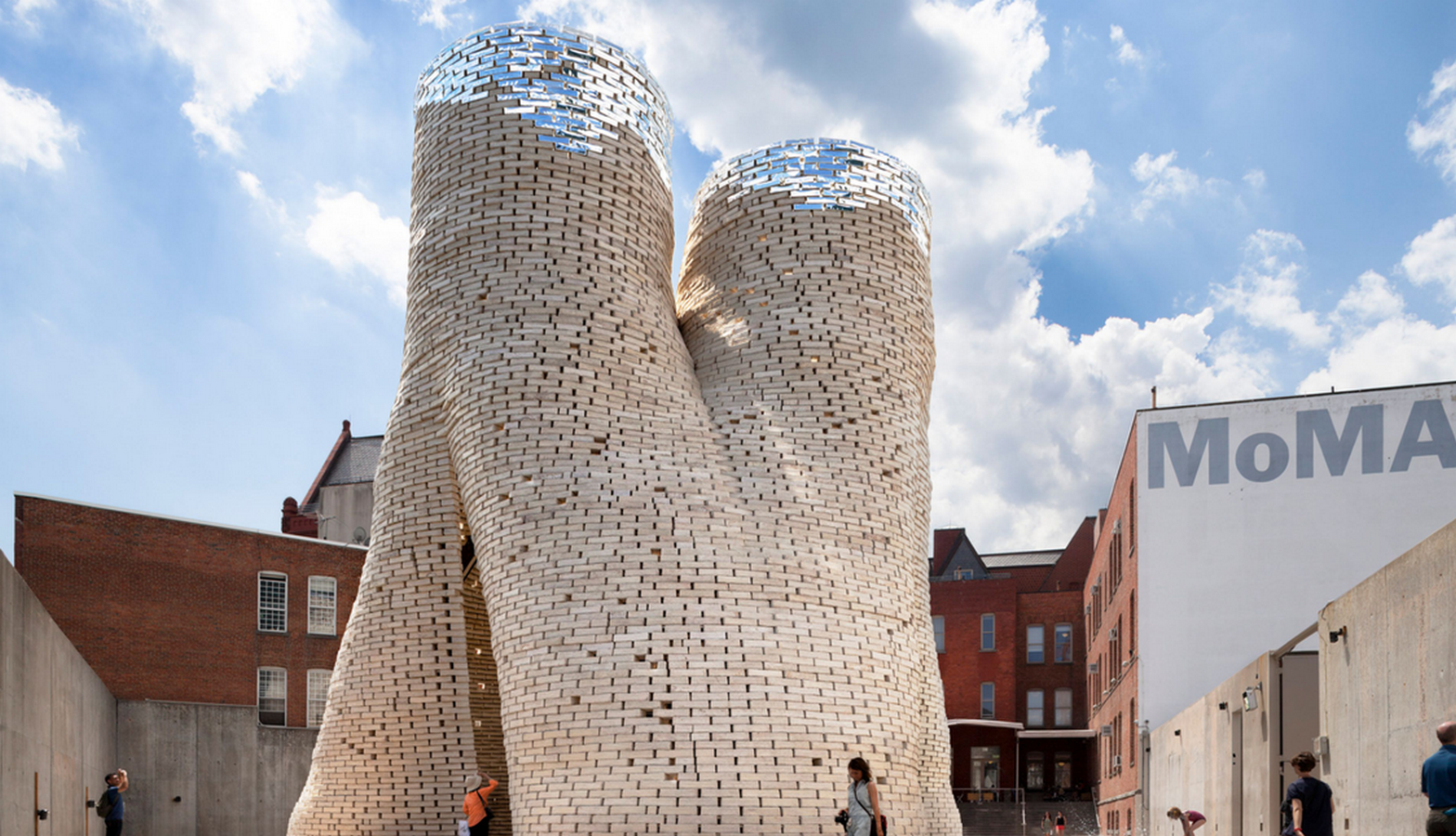
Another example of a bio-based material is hemp, which, unlike timber, is not used in its original state but undergoes some processing to maximize the qualities relevant in construction. And Mycelium, which is the most processed of them all, is a product of extensive research and study over several years.
Bio-based materials; Beauty that can be seen?
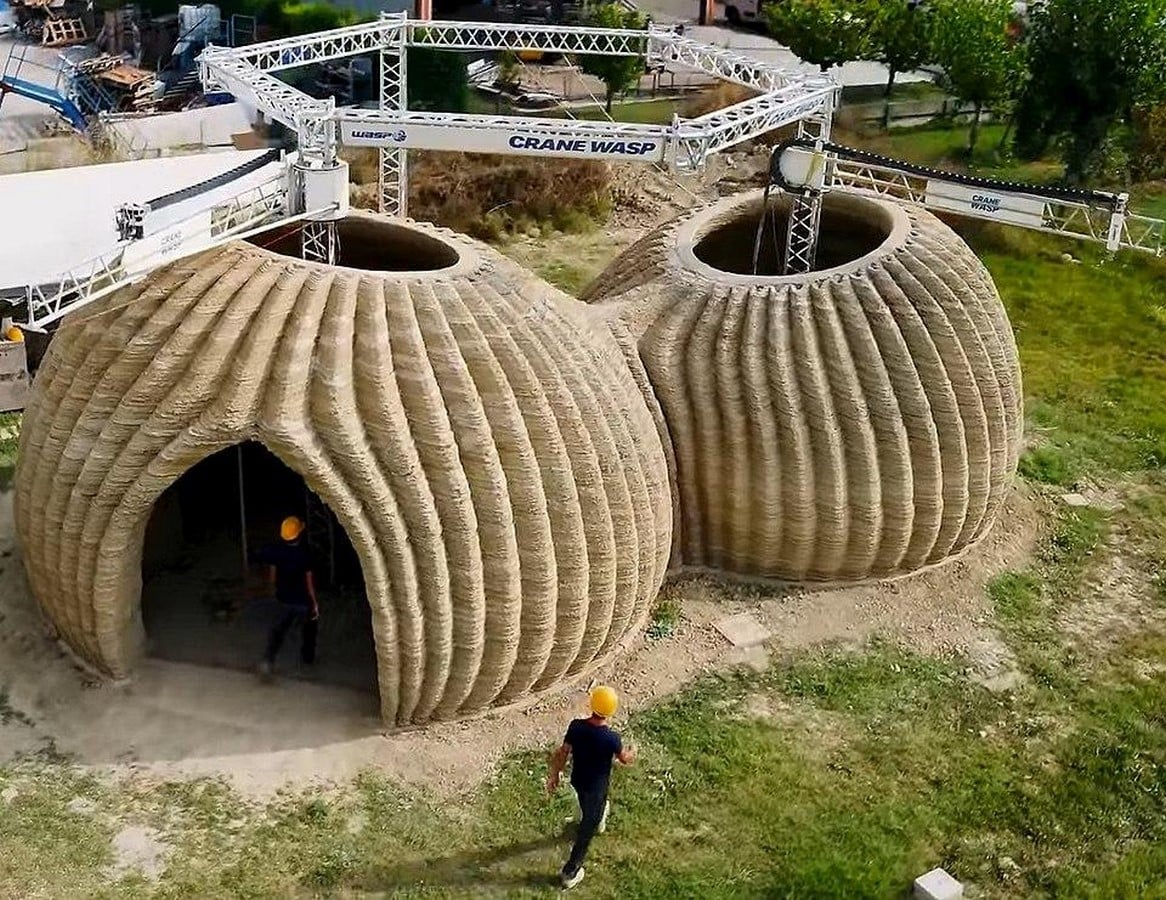
With the exception of timber, which already falls into the category of beautiful and luxurious, the other bio-based materials seem like ‘waste products’ rather than rare or unique products. Can they be classified as beautiful or luxurious if they are not necessarily unique? This is where the shift occurs. The beauty and value in bio-based materials are not just their origin but their capabilities. In a world faced with an impending climate crisis, bio-based materials hold the power to change everything. These materials can store large amounts of carbon, for example, sequester carbon significantly more than trees.
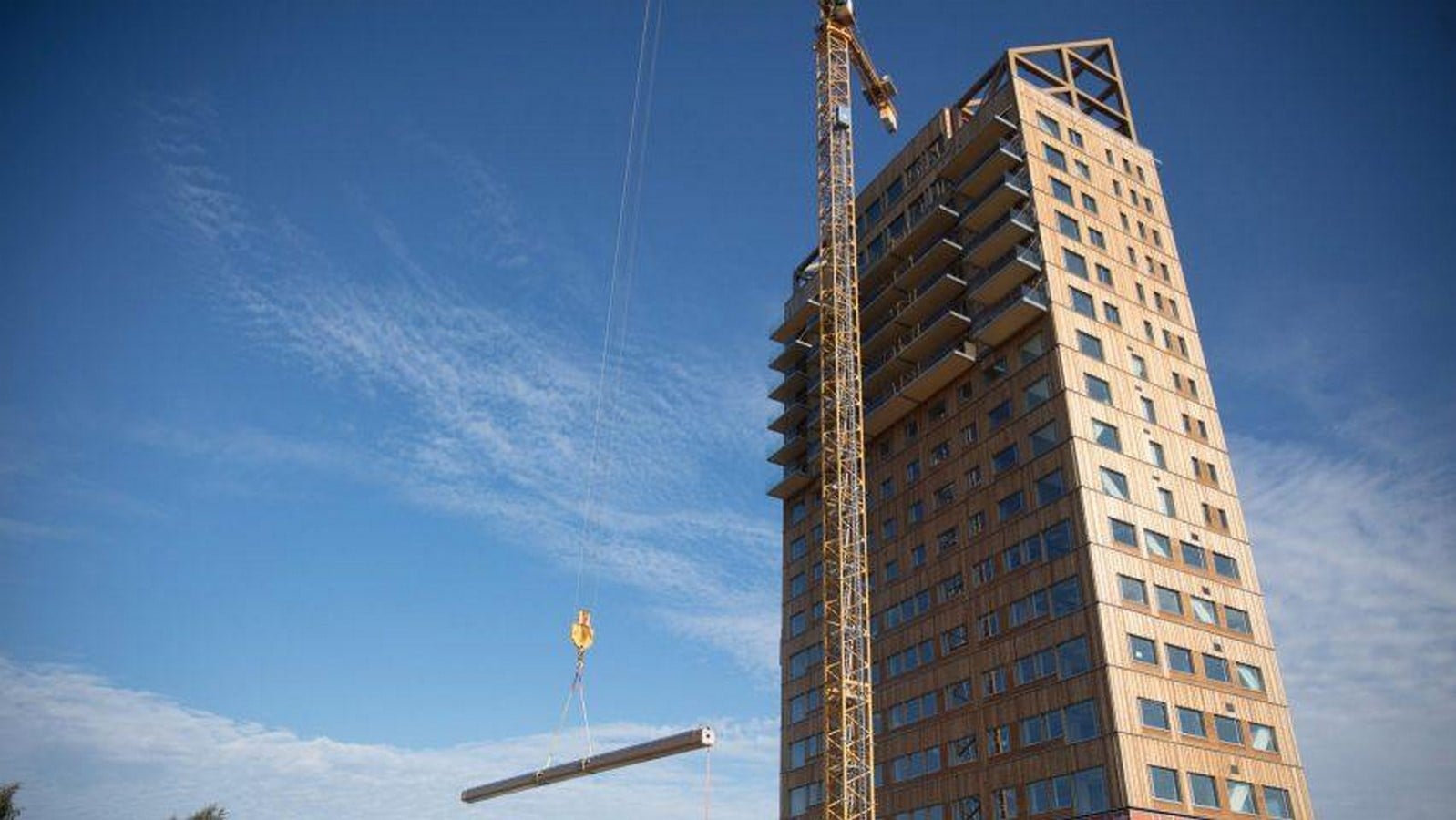
Trees have been a common solution to getting rid of excess carbon, but the downside to trees is how long it takes for them to grow. And the dilemma of growing enough for greenery, but also growing enough to be used in construction. Hemp, on the other hand, is a fast-growing, abundantly available material.
In the face of the problem with climate change, the definition of beauty has shifted from rarity, unique design, to value and contributive capacity to the environment. Bio-based materials thrive excellently in this area. It is noteworthy that they are also very beautiful, a win-win.
The New Face of Luxury
Timber, Hemp, and Mycelium have become some of the most sought-after materials when sustainability is at the core of the design. While it is notable that the use of these materials does not mean ignoring other important criteria for building green, they are solid additions to the cause of having a green world. They are therefore replacing most conventional materials because of their long-term benefits, not just to the users but to the environment and to nature as a whole.
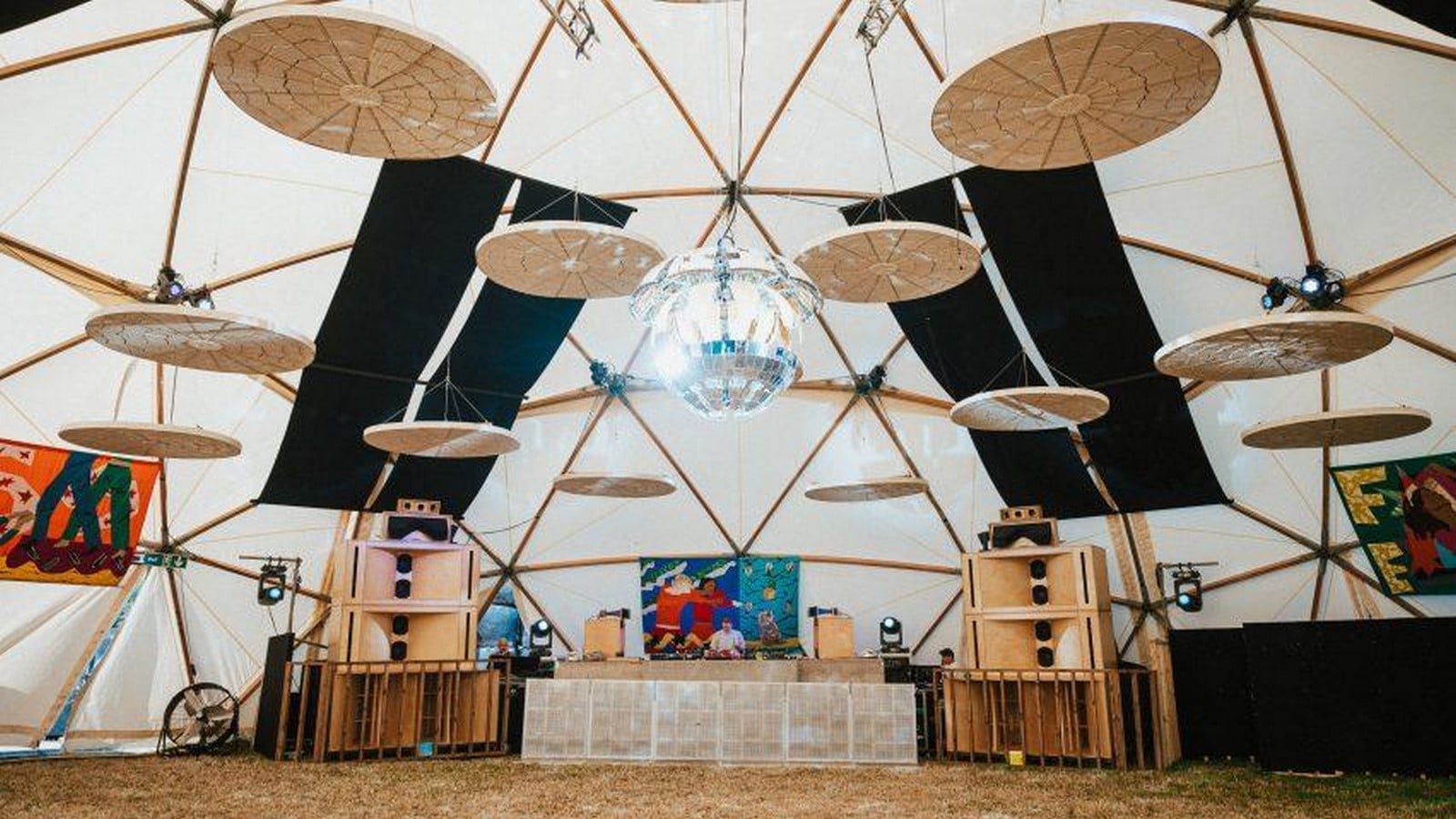
In terms of cost, they are fairly more expensive than conventional materials, which adds to their reputation of being luxury materials. However, the goal for the use of bio-based materials is not to have a material that can only be accessed by a particular income bracket. The ongoing research and study to improve these materials is the reason for their cost, and as more research is done, they will be more readily available for all people.
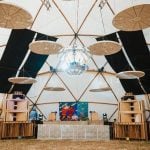
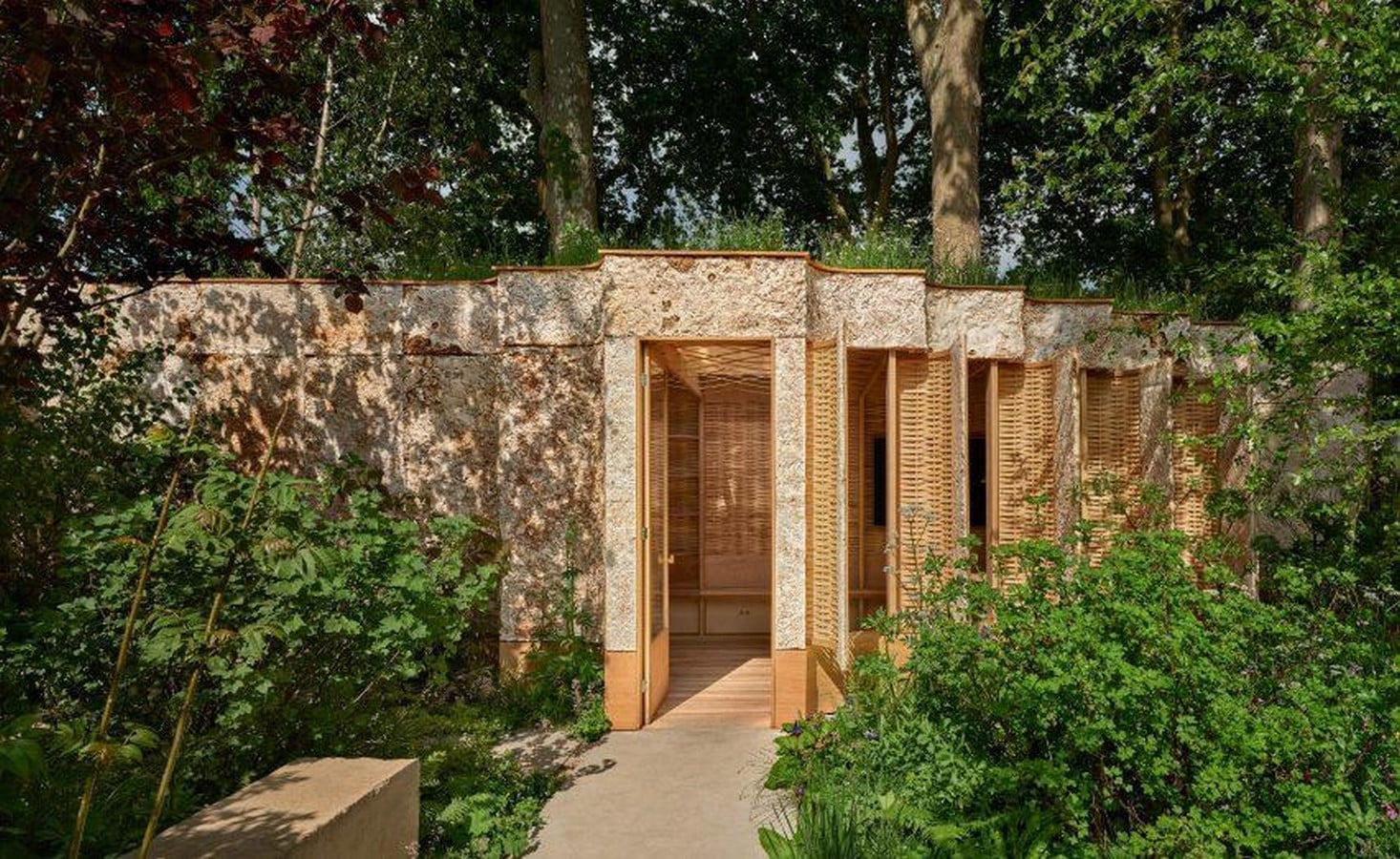
Mycelium, for example, can not be used in its raw state because it is gotten from fungi. There is currently no established method for producing its components on a large scale yet. Time and research will improve knowledge in those areas.
The Production Process, Carbon Intensive or Not?
The most crucial question to answer now is, “Is the process that creates the bio-based material carbon-intensive?” This question is important to avoid repeating errors from the past. It is wonderful that bio-based materials have excellent carbon-storing capabilities, but if the processes that create them are carbon-intensive like standard materials, what will be the use?
The good news is that bio-based material production is mostly not carbon-intensive. The manufacturing process for refined and advanced products, however, may generate emissions. Generally, the use of bio-based materials comes with a number of benefits and should be used more.
CITATIONS
Dezeen. (2020) Flat House Uses Hempcrete For its Thick-Walled, Low-Carbon Design. Available at: https://www.dezeen.com/2020/01/09/flat-house-hempcrete-practice-architecture-margent-farm/ [Accessed: 15 February 2026].
Dezeen. (2025) Glastonbury’s Sunflower Sound System Uses Mycelium Insulation to Create Sustainable Festival Spaces. Available at: https://www.dezeen.com/2025/06/27/glastonbury-sunflower-sound-system-mycelium-insulation/ [Accessed: 15 February 2026].
Dezeen. (2025) Studio Weave’s Intelligent Garden Pavilion Features Fluted Mycelium Facade. Available at: https://www.dezeen.com/2025/05/30/studio-weaves-intelligent-garden-pavilion-mycelium/ [Accessed: 15 February 2026].
European Commission. (no date) Facts About the Bioeconomy. Available at: https://environment.ec.europa.eu/strategy/bioeconomy-strategy/facts-about-bioeconomy_en [Accessed: 15 February 2026].
Holcim Foundation for Sustainable Construction. (2025) Biomaterials. Available at: https://www.holcimfoundation.org/biomaterials [Accessed: 15 February 2026].
Harvard Graduate School of Design. (2024) How Bio-based Building Materials are Transforming Architecture. Available at: https://www.gsd.harvard.edu/2024/04/how-bio-based-building-materials-are-transforming-architecture/ [Accessed: 15 February 2026].
Norris Construction. (2025) Luxury Building Materials Defining Modern Architecture. Available at: https://www.norris.construction/blogs/luxury-building-materials-defining-modern-architecture [Accessed: 15 February 2026].
Novus Homes. (2025) What Materials are Used in Luxury Homes. Available at: https://www.novushomes.com.au/blog/what-materials-are-used-luxury-homes [Accessed: 15 February 2026].
Wikipedia. (2025) Bio-based Building Materials. Available at: https://en.wikipedia.org/wiki/Bio-based_building_materials [Accessed: 15 February 2026].
Wikipedia. (2025) Bio-based Material. Available at: https://en.wikipedia.org/wiki/Bio-based_material [Accessed: 15 February 2026].