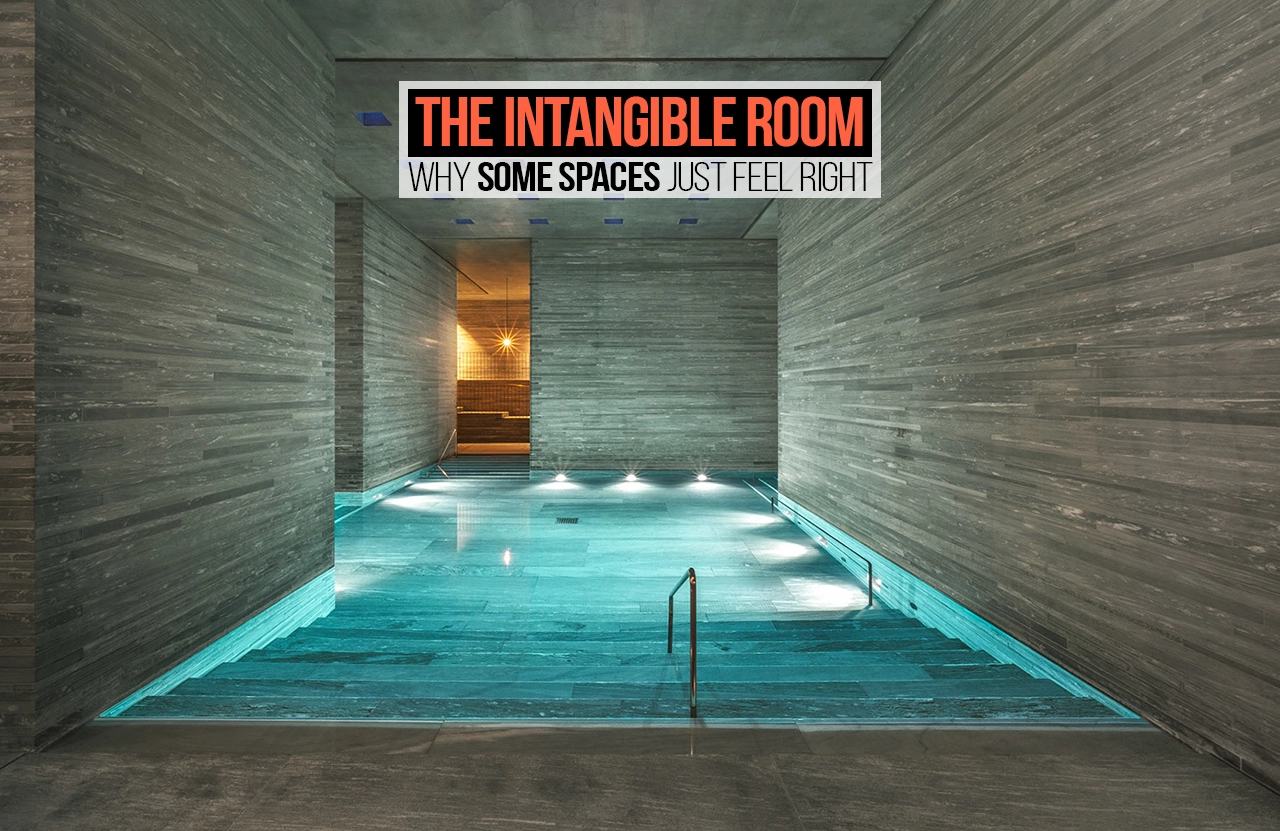
When we quantify a space, we tend to measure physical attributes like shape, size, depth and colour. Yet long before we consciously assess these features, our body and mind are already responding to the space around us. We instinctively sense whether a room feels welcoming, warm, oppressive, calm, or charged with energy. These responses are shaped by intangible qualities, subtle, invisible forces that directly influence our mood and mental well-being. Though unseen, they are essential to how we experience architecture and must be considered an integral part of the design process. Intangible qualities are non-physical attributes of a space that can be experienced emotionally, psychologically or sensorily. These are not walls, floors or ceilings themselves but the atmosphere those elements create. As Peter Zumthor quotes, intangible qualities are what we feel before we think (Zumthor P., 1998)
Tangible Qualities
To understand intangibility, we need to understand tangible elements that build a space and their relationship with intangibility. Anything that we can touch, taste, smell, hear and see through our senses are tangible qualities. It’s physically present and can be sensed. For example, low ceilings can connect space to a more human scale, while heightened ceilings impart a monumental scale. The intention can be to promote grandness or intimidate the viewer. Similarly, the intensity or colour of light can help define alertness or calmness in a space. Warmer tones can be used to build a relaxed, cosy interior, while cooler tones could be used for working spaces to promote zeal and productivity. Materials and textures can also play an important role. Earthy, natural and muted hues promote a different energy than bright blues and yellows. Understanding of these tangible elements of design, equips a designer with intentional tool and create spaces that feels like an extension of our energy rather than merely spaces to live in.
Intangible qualities
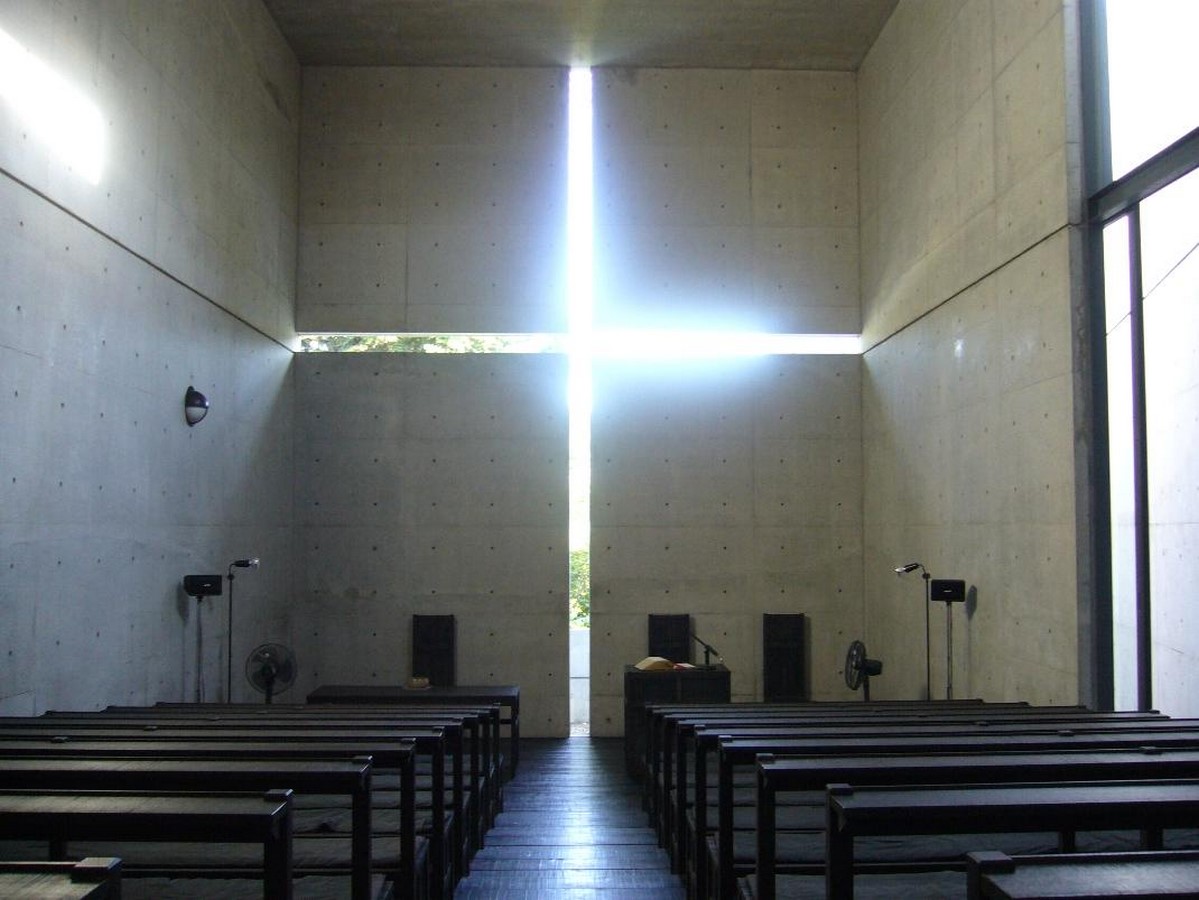
It is important to understand the intangible qualities because, as humans, we tend to remember the experiences rather than the design. Our senses play a crucial role in forming a narrative or perception when we enter a new space. This perception can also be influenced by past experiences and hence can be subjective from one individual to another. In this context, intention takes precedence over form or function. Architects are actively diving deeper and studying these principles of design. For instance, the understanding of how nature can assist in mental wellbeing introduces biophilic design in hospitals and wellness centres. How a hospital room designed for purely functional purposes can feel cold and stressful. But the same space, when designed with attention to light, colour, scale or acoustics, can provide comfort to the patients and even promote healing effects. Neuroscience and environmental psychology dictate how spaces can have a direct effect on cortisol levels and how they can promote focus or productivity.
Intention before function
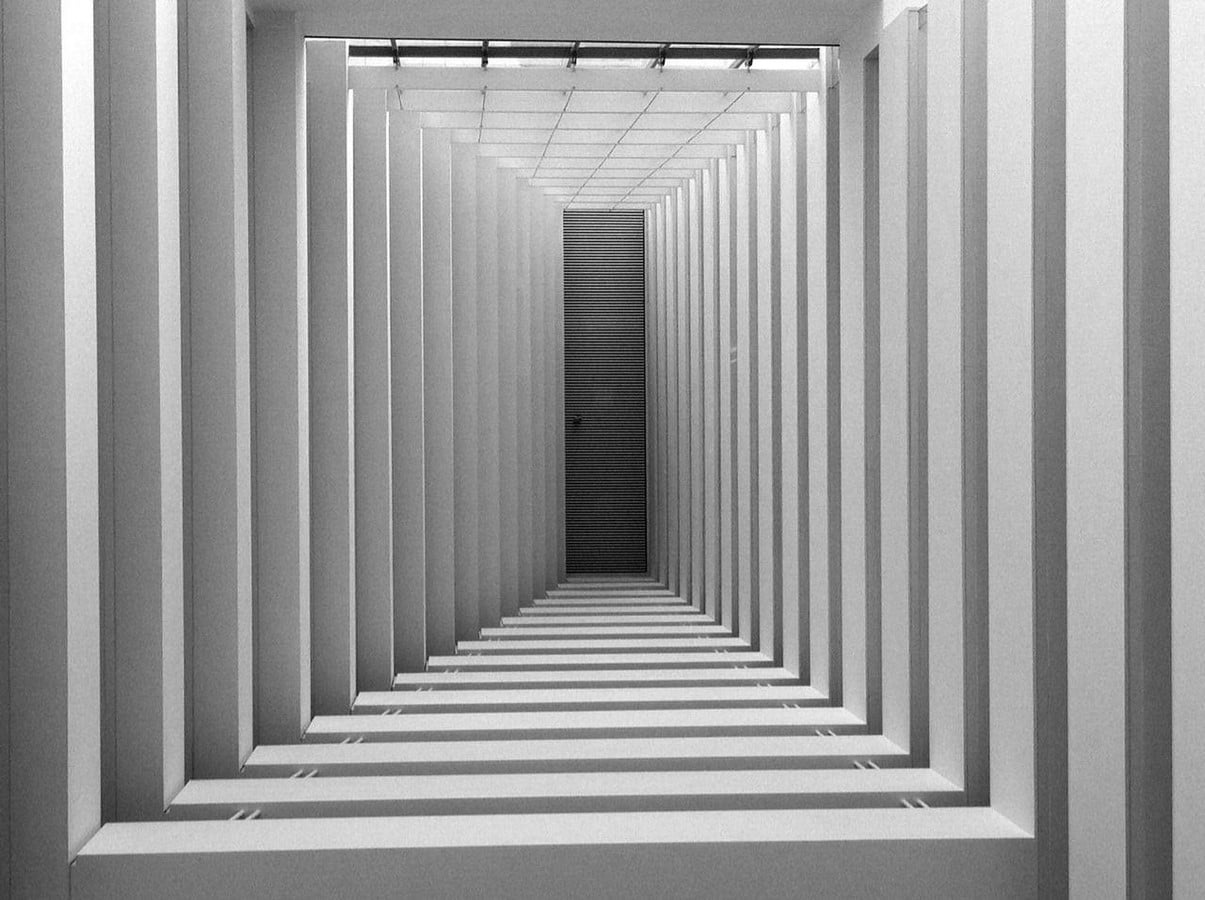
Designers play an undeniably critical role in shaping these experiences. Before resolving layouts or materials, essential questions must be asked: Does this space feel safe? Does it feel welcoming, calming, or inspiring? What elements contribute to these feelings?
Through intentional design decisions, a designer controls how light enters and reflects, how sound behaves within a room, how one moves through a space, and how enclosed or open it feels. Though these outcomes are intangible, they are defined through physical means. When approached consciously, such decisions shape emotional responses and reinforce architecture’s role at the intersection of psychology and human experience.
Spatial Energy
In nature, energy is not abstract—it results from the interaction of tangible elements. When we say, “This room feels heavy” or “This space feels uplifting,” we are responding to spatial energy. These reactions occur instinctively, often before conscious thought, as our body continuously reads environmental cues for comfort, safety, and orientation.
Energy can neither be created nor destroyed, but it can be designed.
This “energy” emerges from the sum of sensory experiences within a space—the balance, harmony, or tension created by light, material, sound, and scale working together.
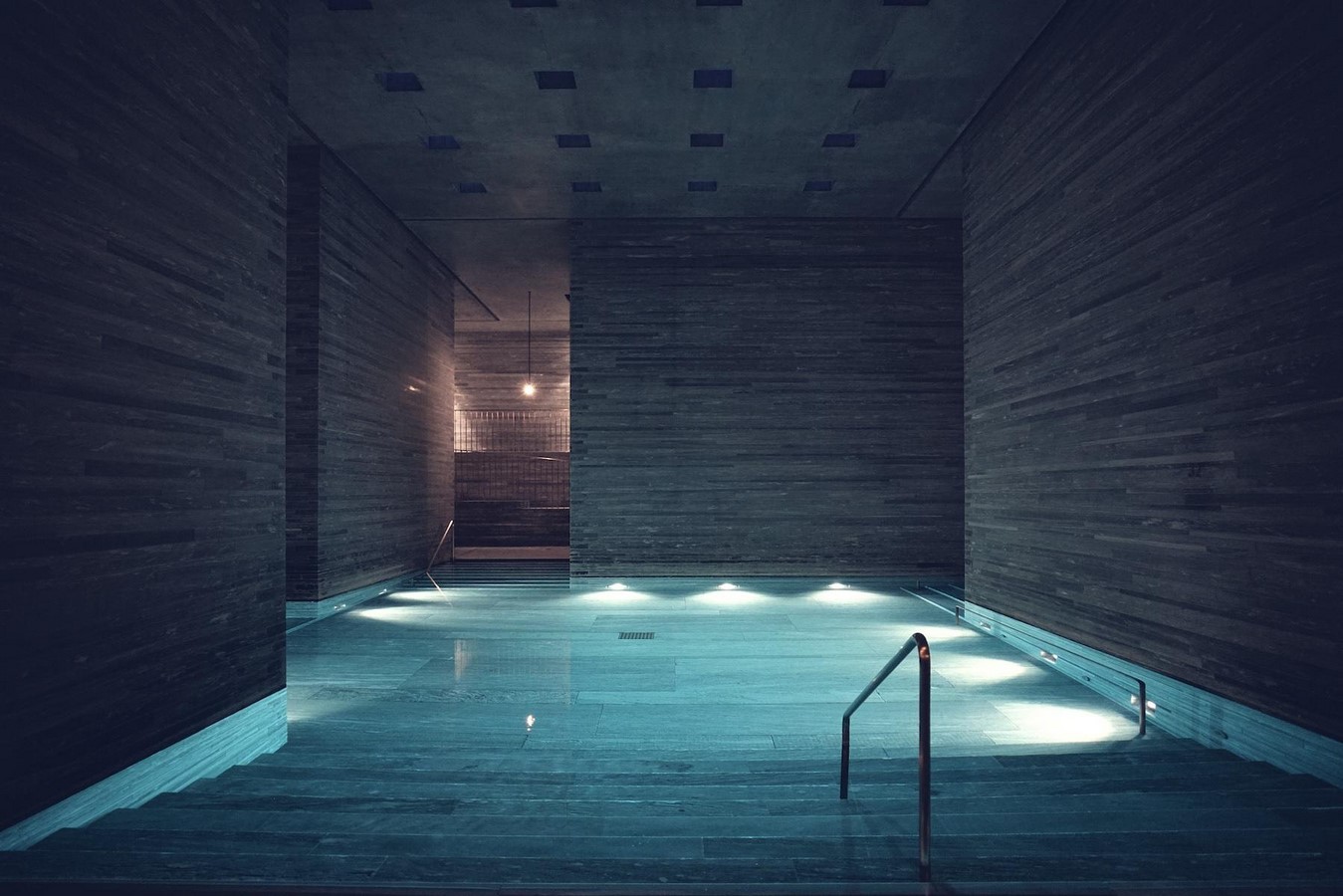
The role of the five senses
Sight – Visual energy formed through colour, proportion, contrast, and light
Hearing – Acoustic energy shaped by materials, volume, and reverberation
Touch – Tactile energy conveyed through texture and temperature
Smell – Strongly connected to memory and emotion
Taste – An indirect atmospheric influence tied to context and association
The five senses reveal that the energy of a space is not an abstract idea but a carefully constructed outcome. What we see, hear, touch, smell, and even indirectly taste forms a continuous sensory dialogue between the body and its surroundings. Visual cues establish emotional tone, sound confirms comfort or unease, touch grounds us physically, and smell anchors experience in memory. Together, these sensory responses shape how a space feels long before it is consciously understood.
Because each sense responds to tangible design decisions, spatial energy is never accidental. It is shaped through light, material, proportion, silence, texture, and time. When these elements are thoughtfully composed, the resulting energy supports presence, balance, and well-being. In this way, architecture moves beyond form and function to become an intentional act of shaping human experience, designing not just spaces we occupy but energies we live within.
References:
Zumthor, Peter. Thinking Architecture. Basel, Birkhäuser, 1998
“The Human Side of Architecture: How Spaces Shape Our Lives | ArchAdemia.” ArchAdemia, 29 Oct. 2024, archademia.com/blog/human-side-of-architecture-how-spaces-shape-our-lives/
Jung, Christopher M., et al. “Acute Effects of Bright Light Exposure on Cortisol Levels.” Journal of Biological Rhythms, vol. 25, no. 3, 19 May 2010, pp. 208–216, www.ncbi.nlm.nih.gov/pmc/articles/PMC3686562/, https://doi.org/10.1177/0748730410368413
Kriger, Boris Bruce. “Architecture and Psychology: The Influence of Space on Our Consciousness.” Medium, GLOBAL SCIENCE NEWS, 5 Aug. 2024, medium.com/global-science-news/architecture-and-psychology-the-influence-of-space-on-our-consciousness-389515312214
Vidya S. “Sensory Design: Engaging All Five Senses in Interiors.” RTF | Rethinking the Future, 11 Mar. 2025, www.re-thinkingthefuture.com/interior-design/a13861-sensory-design-engaging-all-five-senses-in-interiors/
The Magic of Light and Shadow in Architectural Marvels: A Visual Odyssey in Architecture – Arch2O.com. 26 Feb. 2024, www.arch2o.com/the-magic-of-light-and-shadow/