From the post-industrial and World War era to today in the 21st century, we have seen a significant commercialization and commodification of various fields and sectors to keep pace with the rising and advancing world. One such field that experienced this, and was no safer from it than any other, is the field of architecture and urban planning. The entire dogma behind designing spaces got revolutionized to accommodate new-age thoughts and principles.
From the simple design change we saw in modernist and somewhat post-modernist cities that focused planning and movement around cars rather than people, to designing spaces in post-modernism that were icons and symbols of individuality rather than a collective area for people, the design practice has evolved to correspond to the time that it exists within.
The “Sustainability” Movement
Stepping back in the 21st century, there is no one prevalent design movement, but instead a plethora of manifestos and ideologies that have come together to create many different kinds of designs we see today. A great rise has been seen in sustainable architecture due to the observance of climate change in the 1990s and addressing the question of how the built environment would evolve in the face of climatic challenges while ensuring environmental ethics are not breached. Hence, a green solution to the problem, one that covers different aspects of the built environment, water, lights, heat envelopes, energy consumption, material durability, viability, and so on and so forth.
In contemporary design practice today, we see the active role of LEED certifications (along with other organizations pursuing similar goals) in ensuring that moral and environmental ethics for the built environment are maintained.
Reclaiming the Human-Centric Design
The sustainability ethos is just one aspect of contemporary design practice. The previous century saw a loss not just in the environmental layer but also in the act of design as a service to the people. It was instead made out to be either a spectacle or a profit. To say that the soul of the built spaces was sucked out would not be wrong, as the world saw architecture become commodified. With time, awareness, and most of all, standing in today’s almost dystopian world, has brought humans back to thinking about designing for actual humans rather than machines or mega-corporations.
But what exactly does it mean to design ethically in today’s world? Is it to design for the people? Or for the environment? Or perhaps a safe future? Or maybe all of them?
Ethics in Architecture
Architecture, when compared to scientific fields such as medicine or engineering, does not seem to hold that much significance; it does not save lives, does it? However, the entire field itself is an act of morality. Architecture, unlike art, is not a thing to be hung and appreciated as you look at it and move on with your life; architecture is integrated with people, their daily lives, activities, and their emotional, psychological, and social responses to spaces. No, architecture is not “effect-less”; in fact, every single design decision impacts someone, or the entire community and the ecosystem.
Architecture stands in its place for a long while, decades or sometimes centuries, becoming a part of its surroundings or at times even defining them. Hence, how the design practice evolves in contemporary times is always a question to be pondered. Architects, then, have a social responsibility to the people they design for, first and foremost. In these cases, the architects’ own perception and idea of philosophy come into play and can sometimes overpower the greater need of designing for the communities rather than oneself. In such an event, a fine line is to be drawn between professional ethical practice and one’s own design ethos. A balance is to be found between the market demands to avoid over-commercialization of buildings, client demands, and above all, societal good.
Emotional and Spiritual Dimensions of Architecture
Elaborating on the “soulless” architecture, a question comes back into play of how one can bring back the emotional and spiritual side of architecture, and how they correspond to contemporary design practice.
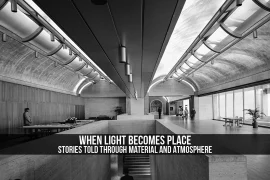
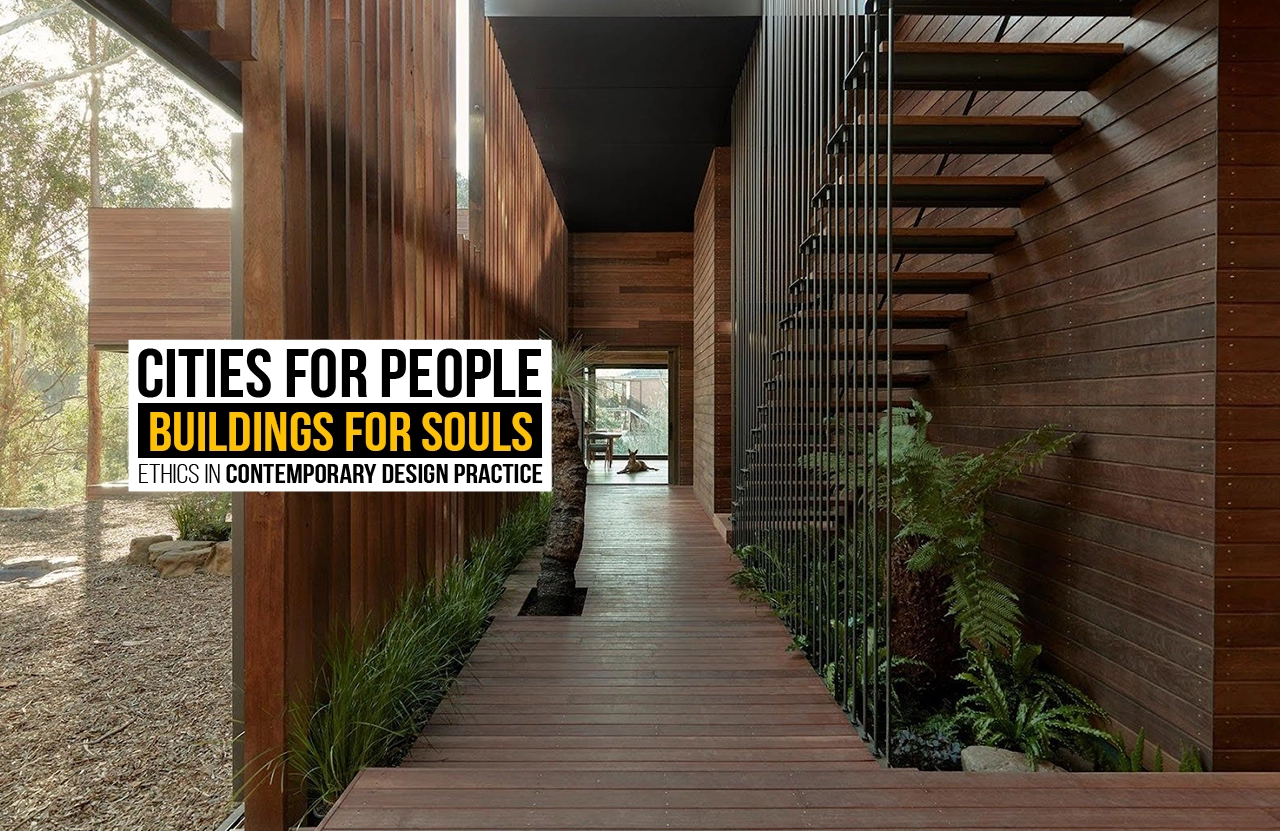
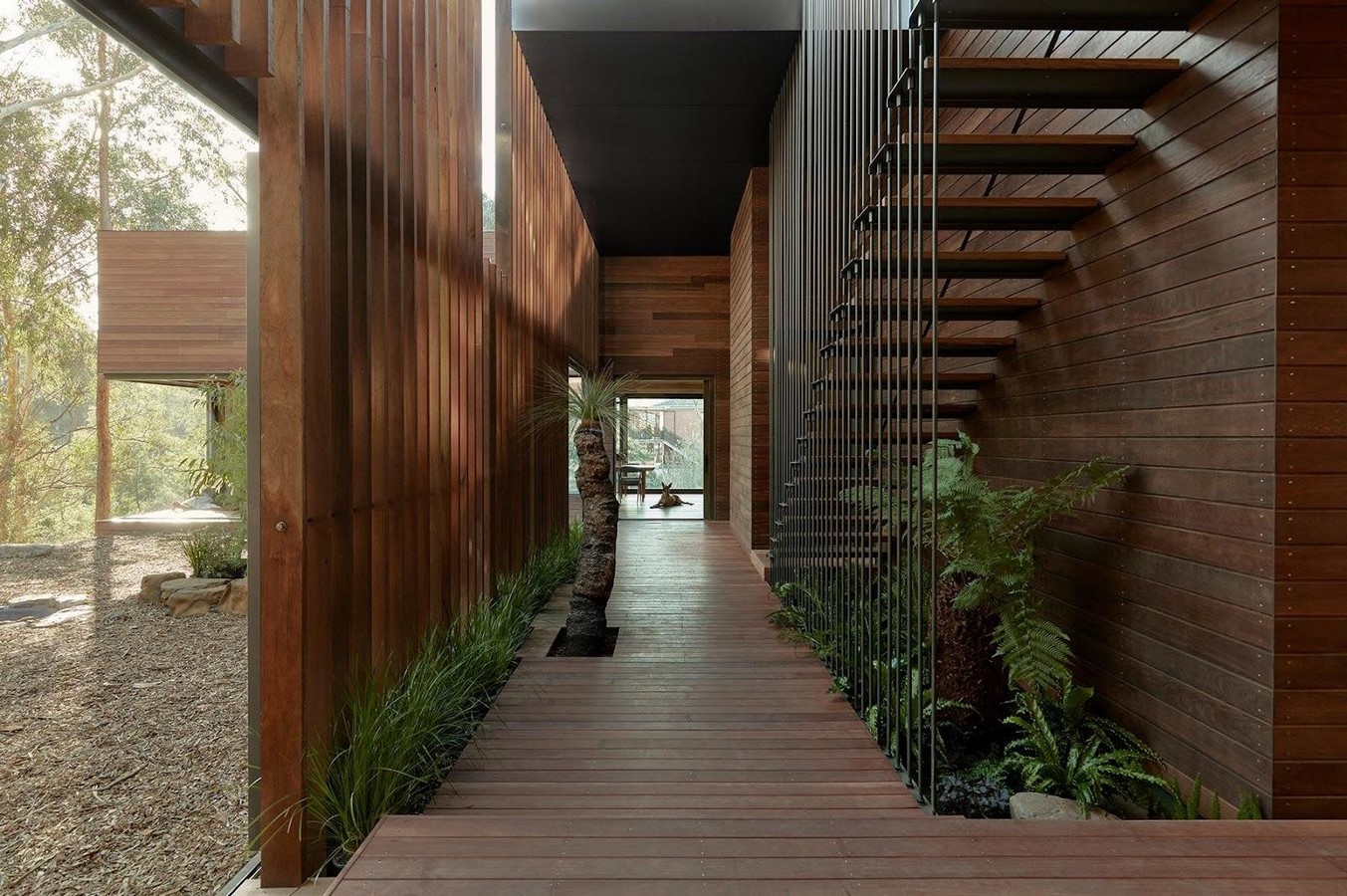
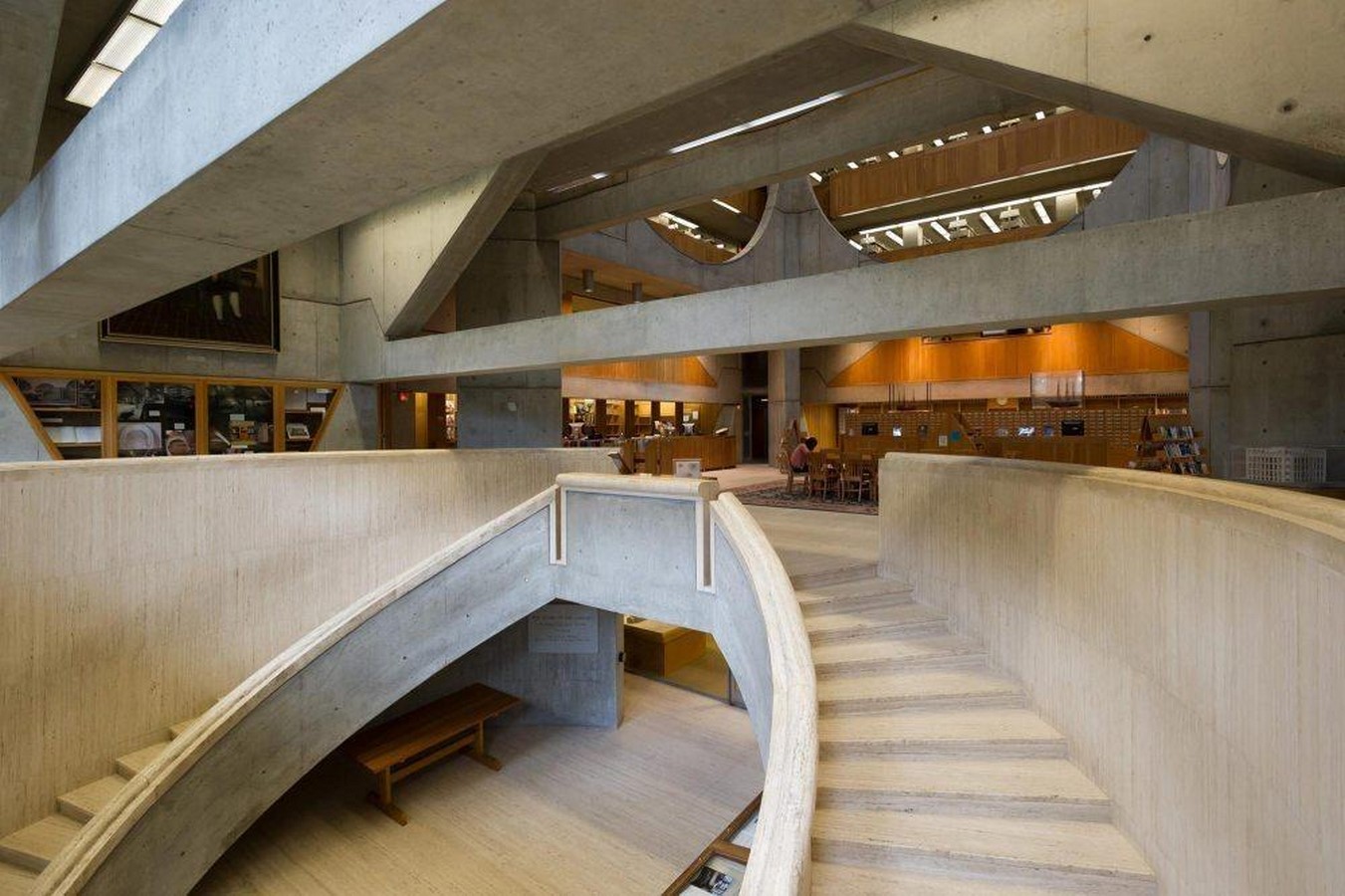
Architecture is meant to evoke emotions in people, whether it is peace, turmoil, sadness, or joy; it is meant to hold a dialogue between itself and its user. That is how meaningful architecture is formed. One that is a language in itself and transcends the physical form to encompass the soul and spirit. One might observe that oftentimes architects achieve this by prioritizing human experience through the considerate and deliberate use of light, air, spatial dimensions, and presence of elements.
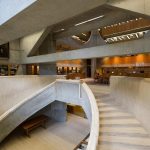
Take Louis Kahn’s work, for example, architecture never just remains a building but instead a stage of activity where countless stories are told and beheld as people go about their lives. One such instance is the quiet but ever-present standing of Exeter Library:
Cities Syntax: Spaces for the People
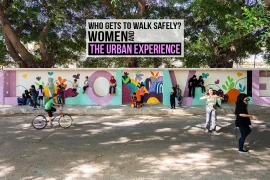
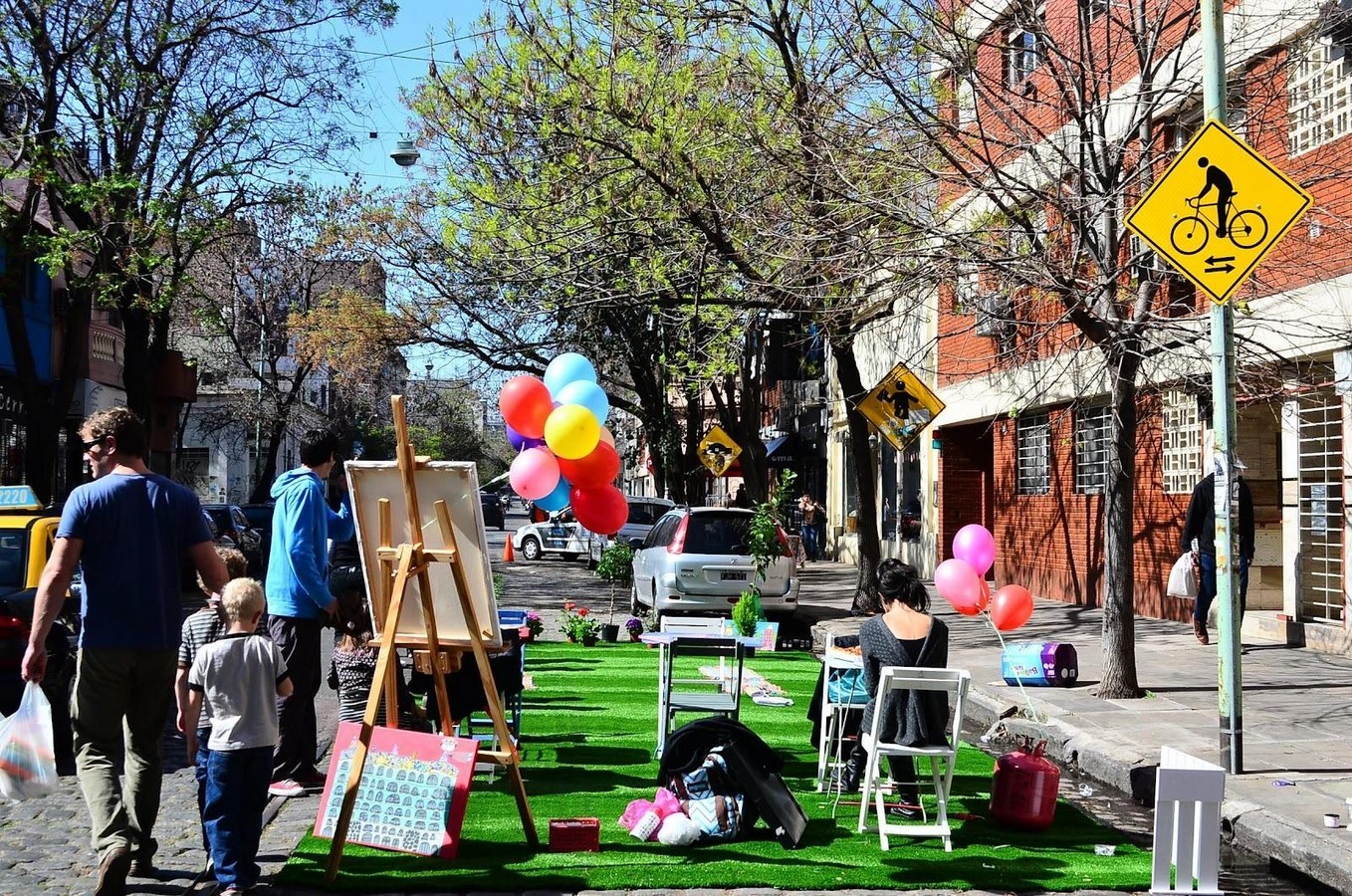
That was all about architecture. What happens when we zoom out a bit and look at the greater scale of the city, how do the design practices for the cities change? In “Walking in the City”, Michel de Certeau mentions the two contrasting traits of design practice when it comes to urban planning; “The Voyeurs” and “The Walkers”, the idea stems from how many designers look at the world from a top-view, like looking down from the 110th floor of the World Trade Centre to see the neat, straight lines meeting at the orderly 90 degree intersections. This top-view is a removed and isolated position from the rest of the world; in fact many architects employ this technique without even realizing it (Rendall, 1984). The resultant designs are ordered, seemingly perfect, and very disciplined, but in real life, they lack the perspective of the walker, the person who actively interacts with and experiences every element of the streets. A good architect is someone who can ground themselves in perspective to realize what actually activates spaces; that is, when an architect becomes someone who is more than a voyeur, a lonely observer removed from life.
Today’s design practice actively invites designers to participate and be a part of the process to create marvels that are grounded, relatable, and most of all socially ethical.
Integration of Artificial Intelligence
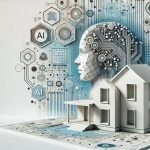
Contemporary design practice cannot be discussed without the mention of arguably the best and worst invention of this century, artificial intelligence, and its role in the design of the built environment. It did not take long for applications like ChatGPT, DeepSeek, etc., to actively influence design as architects have started to rely on them more and more to make “better” and more efficient design decisions. Ironically, bringing us back to the era of commodified architecture, where things appeared as varied copies of each other, and again removing the human aspect from design. This time, a new question has come forward: how ethical is it really for designers to rely on Artificial Intelligence when these applications only take data from the Internet and other designers and then gurgle it to the user after repurposing it?
A close watch has to be kept on this to ensure that, in the name of ease, once again lasting damage is not inflicted on human involvement and environmental safety; two things that AI most endangers.
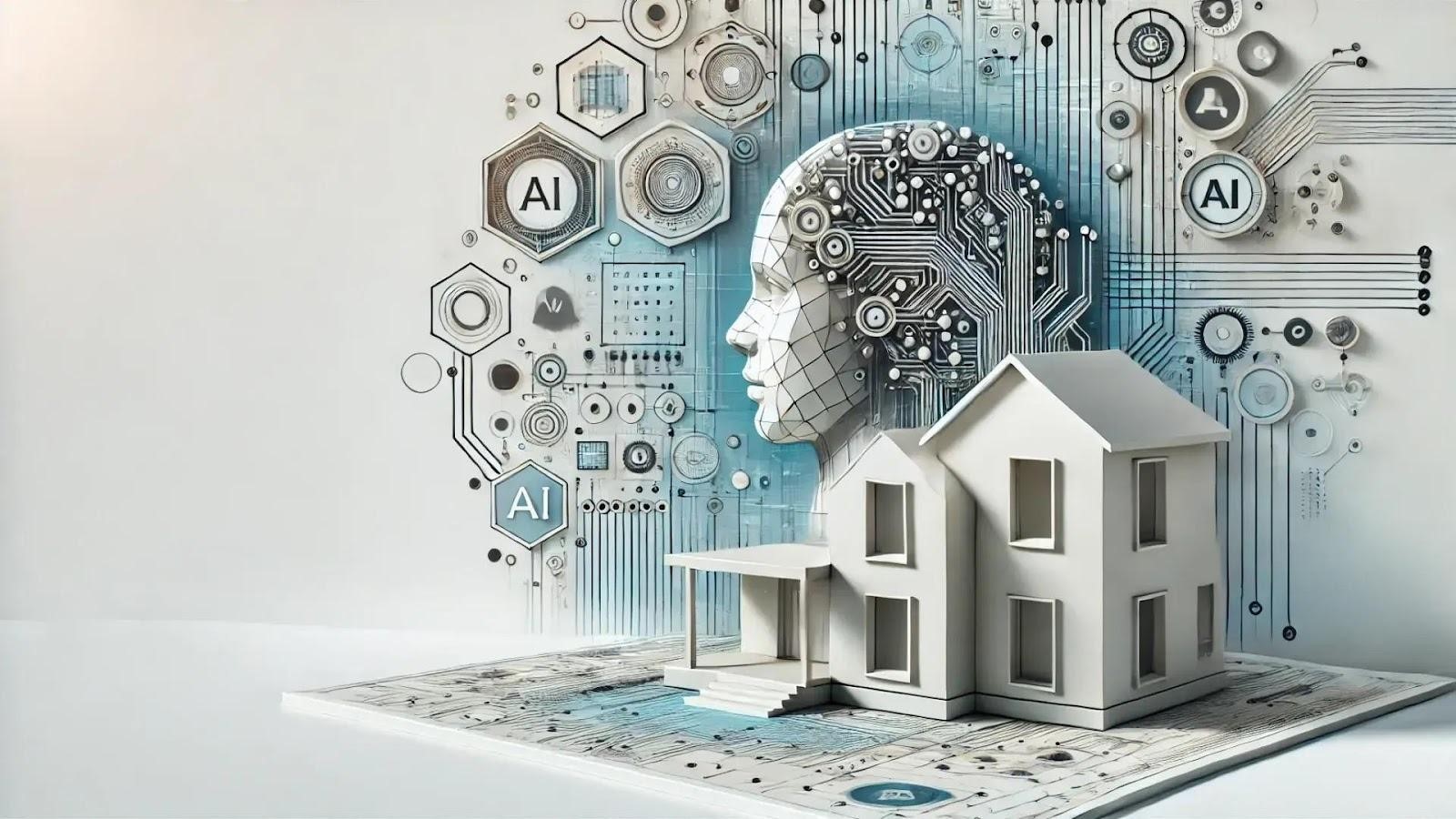
Ethics for today’s design world are just as complicated as the design world itself, as we observe a mixture of issues and possibilities coming forward. Black and white are no longer as distinct and have been mixed in with several shades of grey, and it comes down to our morals and perceptions as humans ourselves that will decide the total design output and its quality for the present and future. Hence, a discourse is continuously required for contemporary design ethics that discusses the evolving issues of this field in the practical world.
Reference List:
Sustainable architecture: Integrating ethical practices in modern design (2024) ArchAdemia. Available at: https://archademia.com/blog/sustainable-architecture-integrating-ethical-practices-in-modern-design/?srsltid=AfmBOooLgVnXj4qQhTyDNP4wtKhesxQHQyZPHIrXOO3HBRk8FAz2Kwccs
Zukin, S. (2001) Whose culture? whose city? the paradoxical growth of a culture capital. S.l.: s.n.
Jacobs, J. (1961) Death and Life of Great American Cities.
Rendall, S. F. (ed.) (1984) The Practice of Everyday Life. University of California Press.