Indian cities are repositories of diverse layers of history that have been manifested in the architecture of the past. Examples of this are the havelis, industrial sites, colonial structures, religious precincts, and institutional buildings, which not only represent architectural history but also speak of these developments through the lens of cultural, social, and political histories. The problem, however, is that as cities expand with a higher degree of urbanisation, most of these historical buildings remain closed, neglected, or abandoned in a kind of limbo as unmanned and unattended heritage sites. As a result, it becomes necessary to ask through the conversation on conservation: how will the heritage narrative, which starts and ends with notification, handle buildings that are invisible? In many places, adaptive reuse has lately been recognised as a long-term viable solution to this issue. The approach comprises adjusting historic buildings to satisfy contemporary requirements while conserving their importance. Heritage sites, through the adaptive reuse program, thus acquire the status of being not only static but also dynamic. Unfortunately, India has suffered a major setback in the majority of cases where the issue has been policy and ownership. This article examines how a non-integrated legal framework acts as a barrier to the realisation of adaptive reuse as a practical solution in Tier 1 cities like Delhi.
Heritage Beyond Monuments
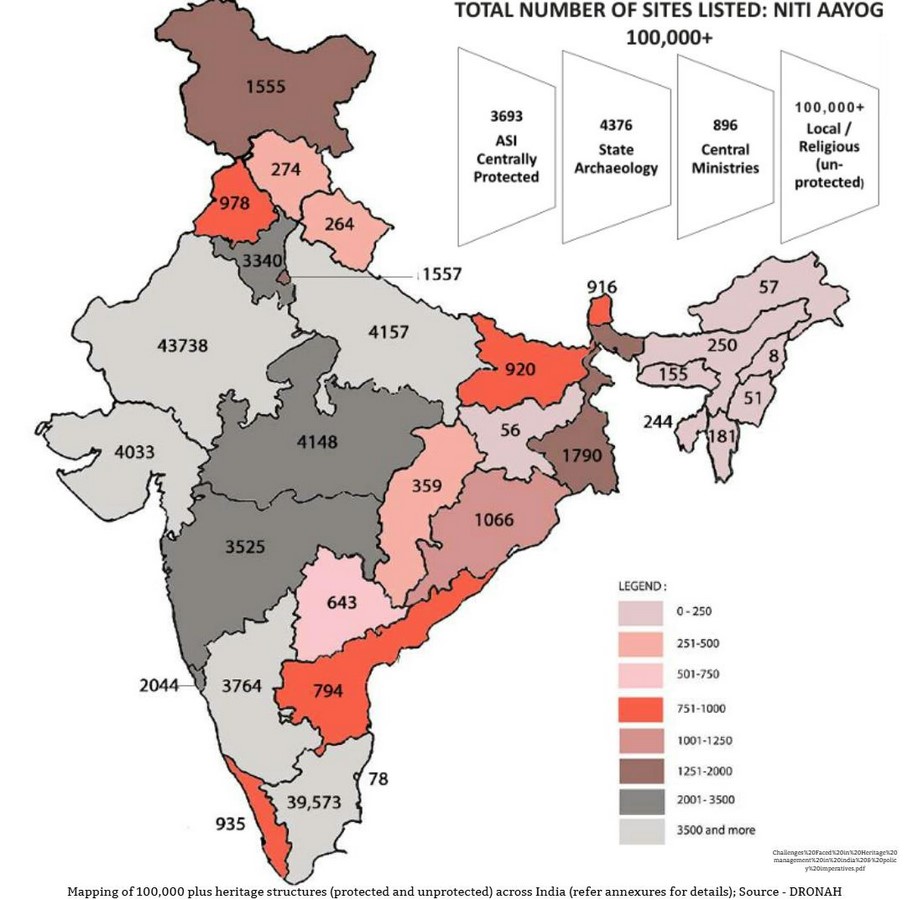
Indian heritage is largely identified with the monumental structures that fall under the Archaeological Survey of India (ASI). While preserving these monuments is undoubtedly necessary, it only manages to represent a very small fraction of the country’s heritage.
Most of the heritage sites in cities are not recorded as buildings worthy of notification. These buildings may become victims of neglect, encroachment, or demolition, not because they do not have any value, but because they are invisible.
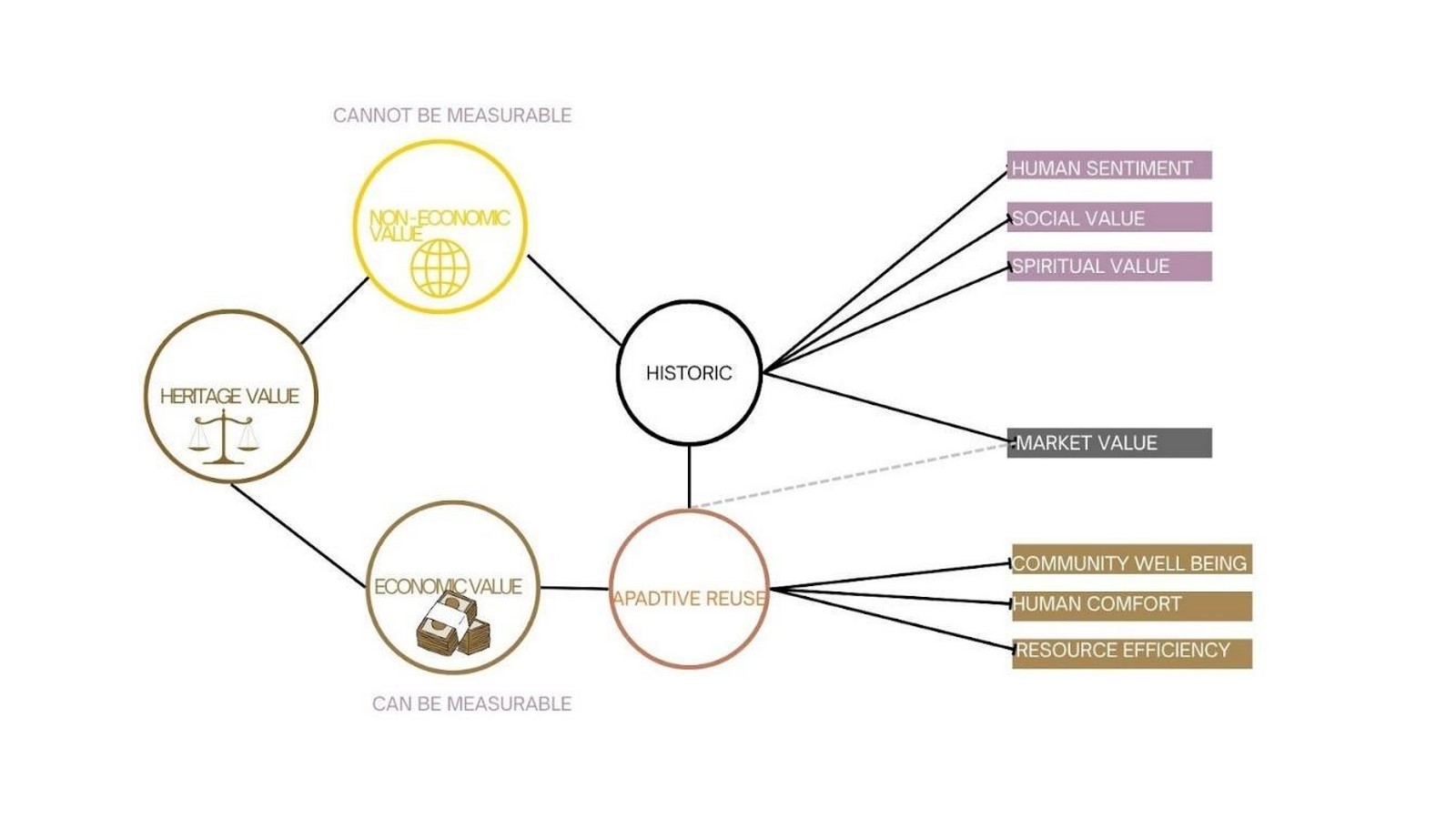
Heritage has both economic and non-economic aspects. Besides the tourism potential and real estate, it also stands for the collective memory and continuity. Leaving such buildings results in their physical deterioration as well as loss of their social and cultural capital. Reuse is a way of bringing such buildings back into the city’s economy while keeping their identity. Nevertheless, it is still scarcely used due to the existing policies, in spite of its acknowledged importance.
Adaptive Reuse as a Conservation Strategy
Adaptive reuse is a change of a building from one use to another, while at the same time conserving its architecture, as opposed to preservation or restoration, which are traditional methods of conserving a structure. Preservation aims to maintain a structure in its original form, restoration to return it to a particular period, while adaptive reuse enables a structure to be put to a different use while conserving its architecture.
In Indian cities, for instance, which are facing the issues of land availability, environmental pressures, and rapid redevelopment, the adaptive reuse of buildings is also a step towards sustainability by saving embodied energy and demolition waste. Reuse, however, means that there should be flexibility in design, regulation, and governance, which is not provided by the current regulations.
Policy Frameworks and Their Limitations
The governance of heritage in India is a complex system that includes legislation and agencies operating at various levels. The AMASR Act, 1958, for instance, at the national level, gives the Archaeological Survey of India (ASI) the exclusive power of control and protection of monuments by means of strict regulations. Even though the Act is quite successful in shielding archaeological sites, it does not clarify how to use or open up old heritage buildings that are left deserted in a proper way.
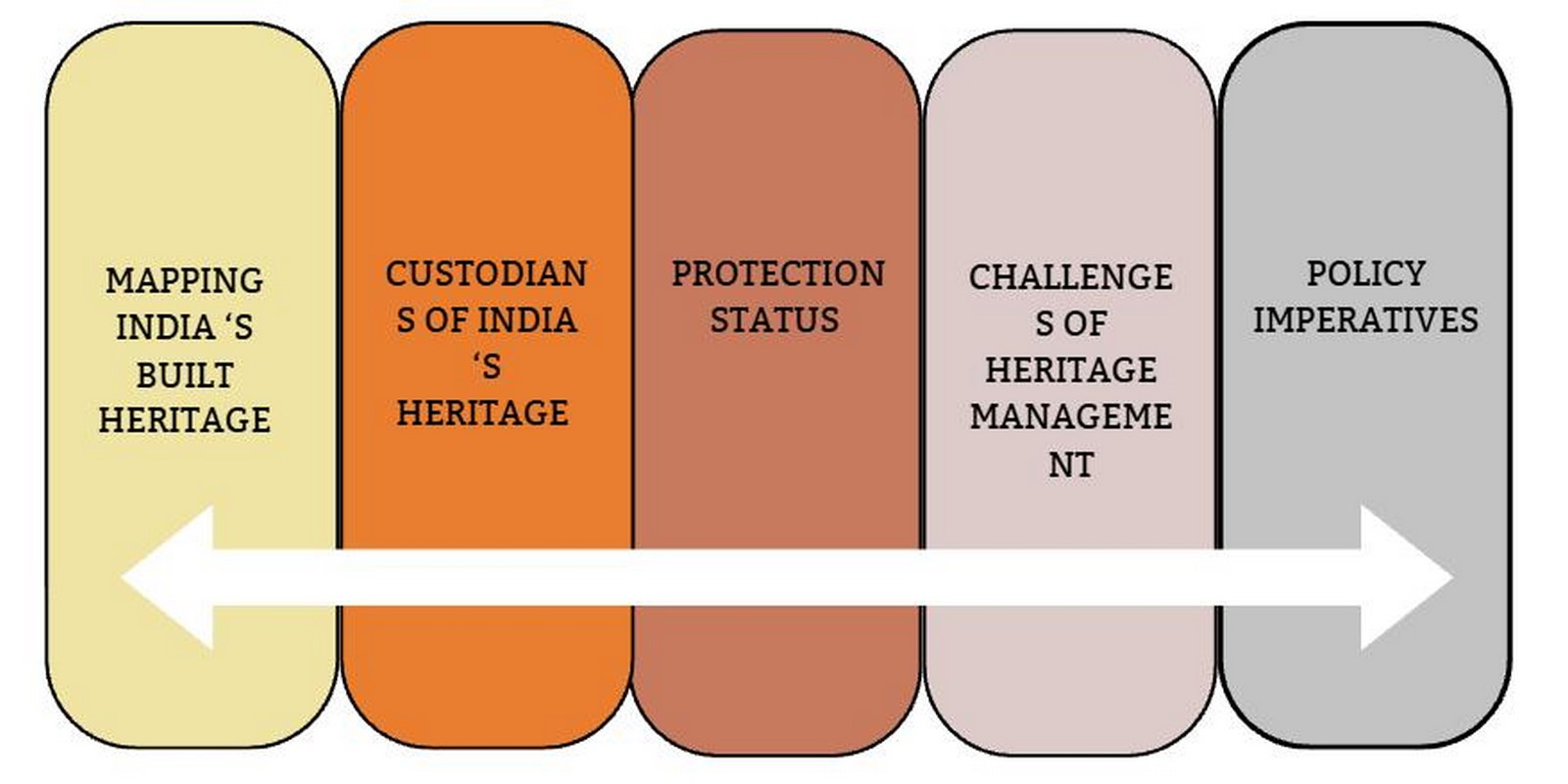
The guidance for this is also given by MoHUA and UDPFI at the state and city levels through DCRs. Nevertheless, these are functioning together with relatively little contact among themselves. The Act is still stubborn, and its emphasis is on preservation only; urban planning tools are more adaptable, but they have no legal force. Such a misalignment among these instruments leaves architects, owners, and developers who want to carry out adaptive reuse in a state of uncertainty.
Thesituation is even worse in the case of unnotified heritage, where the absence of policy replaces policy inaction. Without legal recognition, such buildings will not be given any protection, incentives, or technical guidance, and thus will be exposed to redevelopment pressures.
Delhi: A Case of Policy Complexity
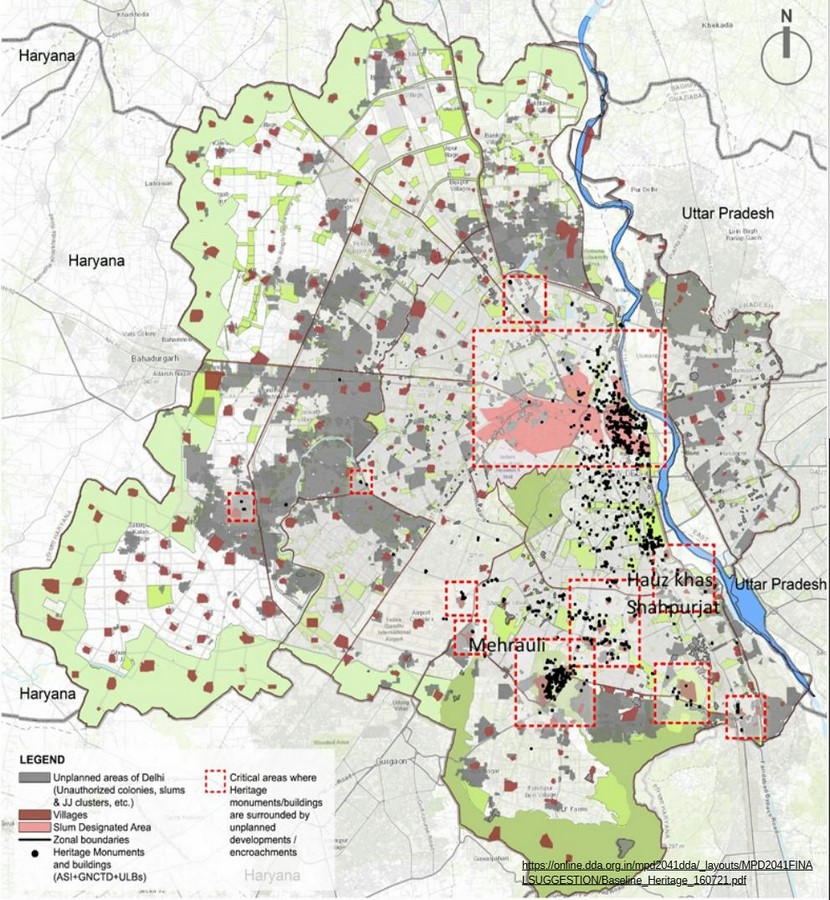
Delhi provides a fascinating study area for these issues. This area has a high heritage concentration and is also under a lot of urbanisation and real estate pressure. Historically significant areas like Shahjahanabad, Mehrauli, and Nizamuddin have rich heritage resources, but they are also faced with problems of encroachment, fragmentation, and administrative complexity.
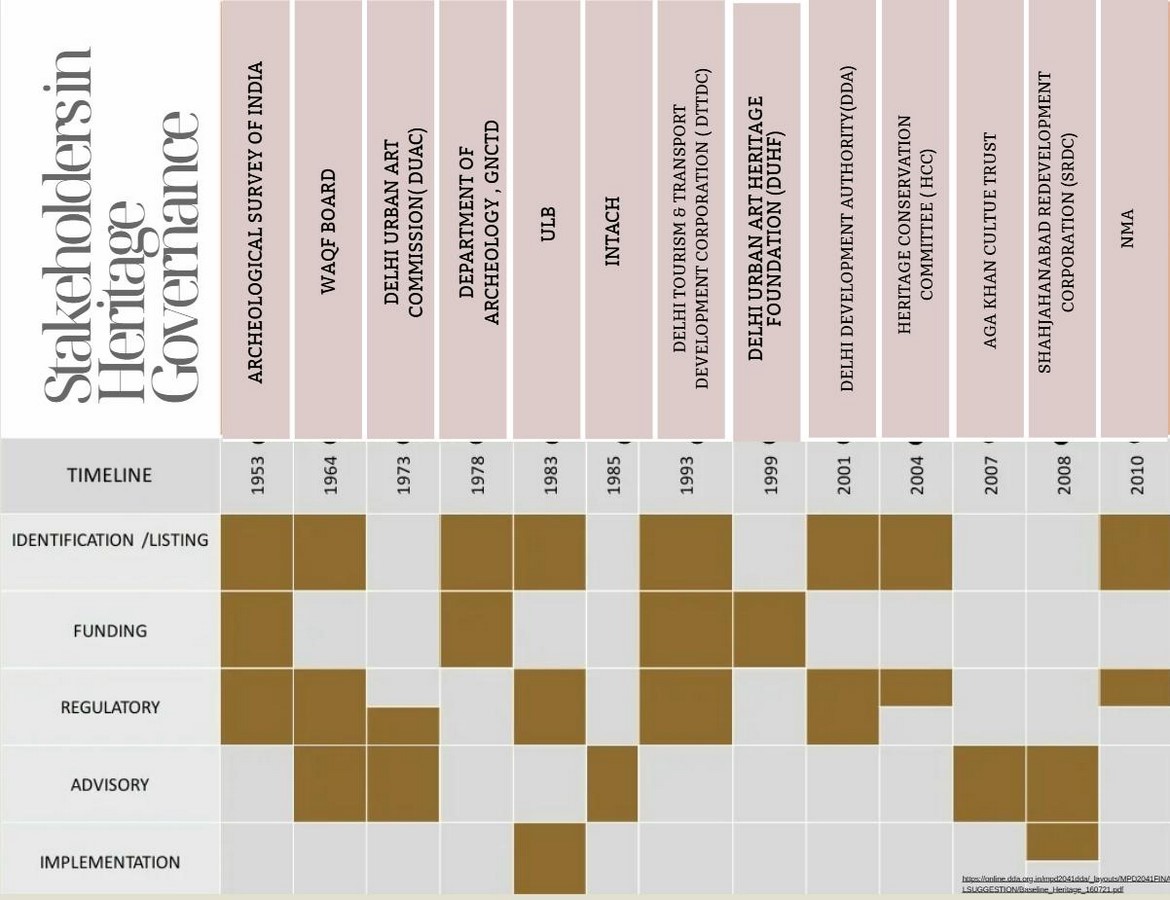
Numerous institutions like the ASI, DDA, MCD, INTACH, and the various Heritage Conservation Committees are involved in activities that overlap and are carried out in these areas. Most buildings are predominantly Grade I or Grade II listings under the Heritage Conservation Committee (HCC), which impose very strict restrictions on modifications but do not provide any economic or administrative facilitation for the utilisation of the buildings. This situation has led to many buildings in the possession of the general public, which have been left abandoned and are in a state of perplexity.
Stakeholders and Governance Challenges
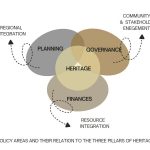
The management of heritage resources in India has a complex network of stakeholders that includes various government departments, institutional, private, NGOs, financial institutions, and communities. Different stakeholders are supposed to coordinate with each other in an ideal situation.
Among them, the private owners, who also hold a significant amount of urban heritage, seem to bear the heaviest burden of the most challenging situations. Even though they have been given the responsibility of maintaining the property, they are not being backed either in terms of technology or finance.
Learning from Case Studies
There are a number of projects in India that demonstrate both the potential and the problems of adaptive reuse. Ghalib ki Haveli, Old Delhi, is not only a demonstration of how historical sites can be maintained as cultural museums but also how they might have limitations like superficial repair, restricted use, and encroachment.
In contrast, the example of the successful adaptation of a haveli in Dharampura seems to be quite different, as it has been a successful example of the role of the private sector in the adaptive reuse of heritage structures. The building has been renovated as a heritage hotel.
The Nizamuddin Urban Renewal Initiative redefines the concept of reuse from just buildings to entire neighbourhoods. The proposed initiative, which aims to integrate conservation projects with housing improvement and the development of public spaces, overcomes the rigidity of policies through people-focused governance and collaboration of institutions.
However, there are still cases like Malcha Mahal, Dunmill Compound, and the Demolition of the Hall of Nations at Pragati Maidan, which provide insights into the more sinister aspects of governance failure.
Here, heritage conservation was overridden by stronger sectoral laws, ownership disputes, or complete policy absence. These examples highlight how power dynamics—not lack of value—often determine the fate of heritage.
Policy Gaps and the Way Forward
The central issue is the scattered and indeterminate policy framework for heritage in India. Most of the State Town and Country Planning Acts do not have clear heritage clauses, thereby cutting conservation out of the urban planning process. More than half of the states do not have a nodal authority for non-archaeological heritage, which causes uncertainty and results in weak enforcement. The discord between heritage, environmental, and development laws has also further confused the matter. The failure to establish a legal order of precedence has left conservation at the mercy of sectoral laws, which remove it from the place it had, as has happened in the case of Malcha Mahal. Financial devices like grants, tax incentives, or even transferable development rights are still left unutilized or unavailable.
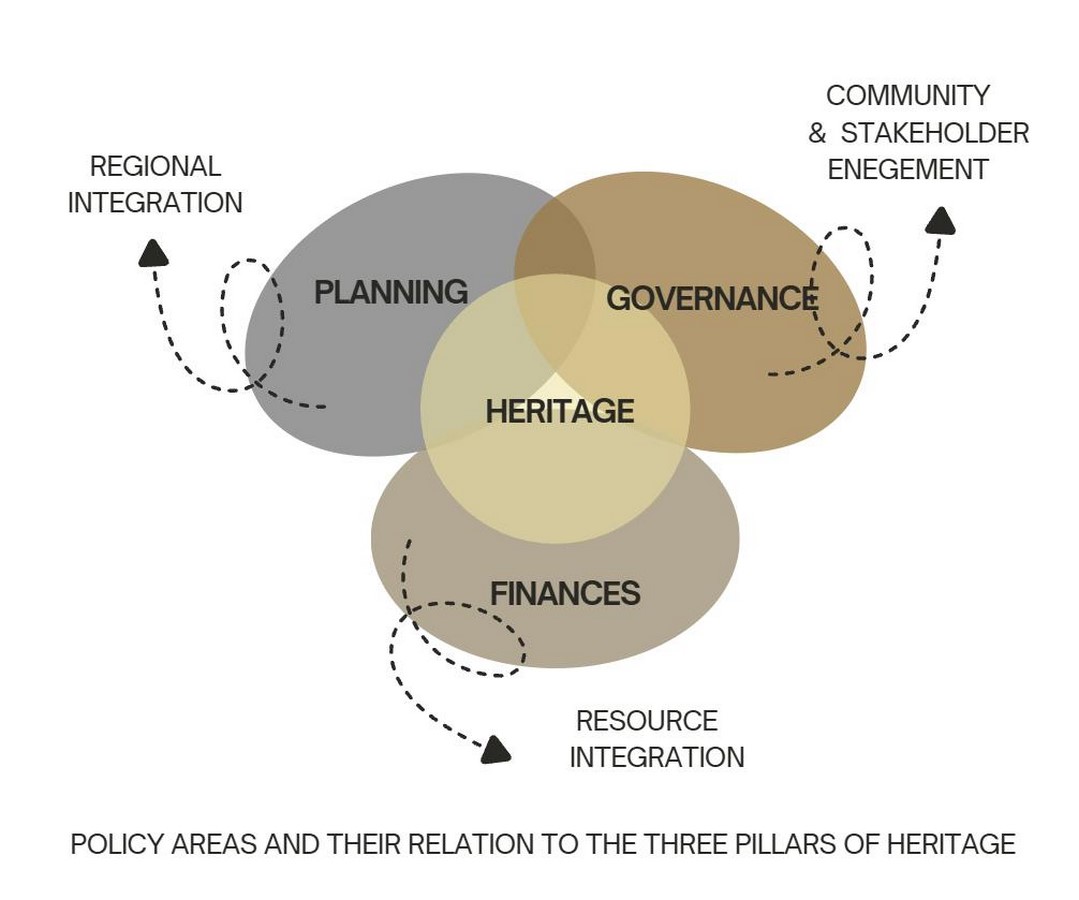
Adaptive reuse is not just a solution that exists on paper or in architectural strategy. It represents a governance issue. The survival of the abandoned heritage of India is not dependent on the talent or ingenuity of architects but on the reform of policies, coordination, and cooperation. Heritage can no longer be an afterthought in the expanding cities of India. Indian cities can get very creative with derelict buildings and make them assets of the city again, not just by the monuments, but also by giving importance to unnotified heritage sites. Clarifying ownership issues and implementing an incentive-based governance system would go a long way in ensuring that this heritage is not left by the wayside or destroyed, but rather progresses with the city.
- Preserving the Past, Shaping the Future: Strategic Planning for Adaptive Reuse in India’s Heritage – International Conference on Climate Change, Cultural Heritage and Sustainable Habitat (2023).
https://www.researchgate.net/publication/381009003_INTERNATIONAL_CONFERENCE_ON_Climate_Change_Cultural_Heritage_and_Sustainable_Habitat_TITLE_OF_THE_PAPER_-PRESERVING_THE_PAST_SHAPING_THE_FUTURE_STRATEGIC_PLANNING_FOR_ADAPTIVE_REUSE_IN_INDIA%27S_HERITAG - Baseline Heritage Report – Delhi Master Plan 2041 (2021).
Delhi Development Authority (DDA). Available at: https://online.dda.org.in/mpd2041dda/_layouts/MPD2041FINALSUGGESTION/Baseline_Heritage_160721.pdf - Grading of the Listed Buildings or Precincts in India (n.d.).
Scribd. Available at: https://www.scribd.com/document/504964706/GRADING-OF-THE-LISTED-BUILDINGS-OR-PRECINCTS-IN-INDIA - Resilient and Sustainable Development of Historic Precincts and Areas (n.d.).
ICOMOS India. Available at: https://www.icomosindia.com/upload/library/Resilient%20and%20Sustainable%20Development%20of%20Historic%20Precincts%20and%20Areas-with%20ISBN.pdf - Resilient and Sustainable Development of Historic Precincts and Areas (n.d.).
ICOMOS India. Available at: https://www.icomosindia.com/upload/library/Resilient%20and%20Sustainable%20Development%20of%20Historic%20Precincts%20and%20Areas-with%20ISBN.pdf - Challenges Faced in Heritage Management in India and Policy Imperatives (2023).
NITI Aayog. Available at: https://www.niti.gov.in/sites/default/files/2023-03/Challenges%20Faced%20in%20Heritage%20management%20in%20india%20%26%20policy%20imperatives.pdf - Urban Heritage and Conservation – Chapter 8 (n.d.).
Ministry of Housing and Urban Affairs (MoHUA), Government of India. Available at: https://mohua.gov.in/upload/uploadfiles/files/Chap-8.pdf - Adaptive Reuse of Old, Decaying Buildings in Metros Across India – Hindustan Times (2024).
Hindustan Times. Available at: https://www.hindustantimes.com/cities/delhi-news/adaptive-reuse-of-old-decaying-buildings-in-metros-across-india-101712513559745.html