In recent years, architecture and design have been undergoing quiet but significant changes. In 2026, these shifts are expected to become more visible, influencing how architects and designers think, work, and position themselves within the built environment. The profession is moving beyond traditional concerns of form and function, responding instead to climate urgency, technological advancement, and evolving social expectations. Architects and designers are no longer seen solely as creators of buildings and spaces, but as problem solvers navigating complex urban, environmental, and cultural challenges.
Rapid urbanisation, climate instability, and digital transformation are reshaping the responsibilities of design professionals. Tools are changing, workflows are accelerating, and expectations from clients and communities are becoming more demanding. At the same time, architects and designers are being asked to work more collaboratively, ethically, and sustainably than ever before. In 2026, the profession stands at a point where adaptability and awareness will matter as much as design skill. Understanding these emerging trends helps architects and designers prepare for a future that is not entirely predictable, but clearly more interdisciplinary, accountable, and responsive than before. (ArchDaily, 2025)
Technology is no longer Optional
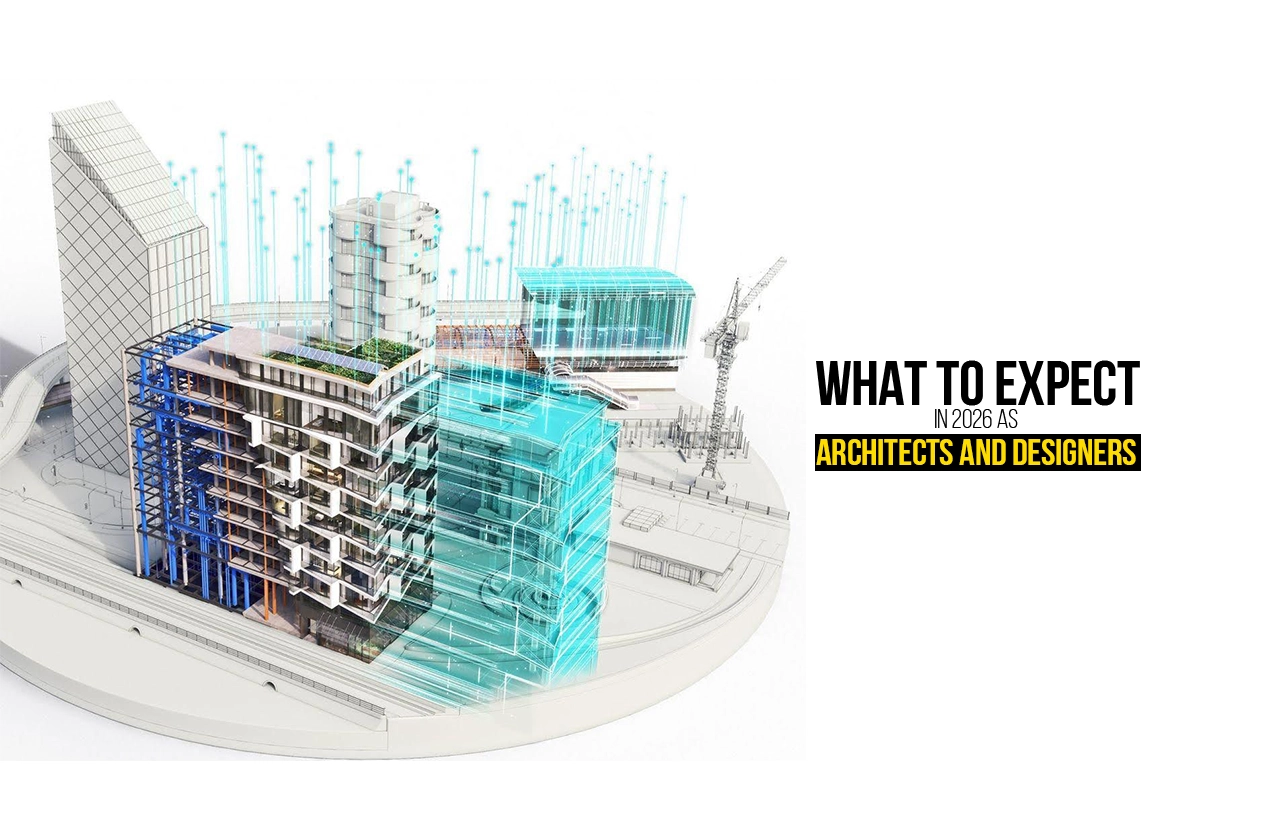
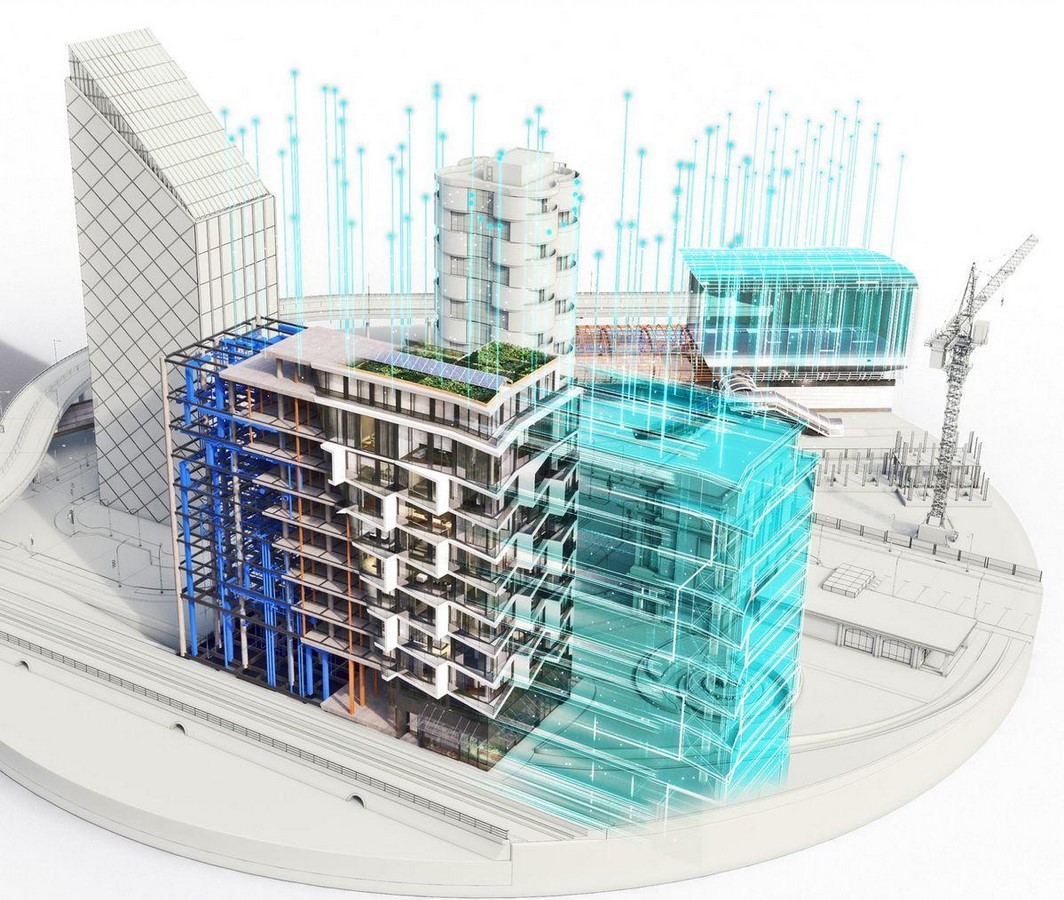
In 2026, technology is no longer something architects and designers can choose to engage with selectively. It has become deeply embedded in how design is imagined, developed, and delivered. From the earliest concept stages to detailed execution, digital tools now influence decision-making in ways that were once unimaginable. What earlier felt like an added advantage has become a basic expectation within the profession.
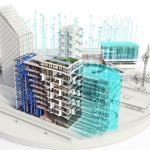
Building Information Modelling, parametric workflows, and performance simulations are actively shaping design thinking. Architects are no longer responding to environmental or technical issues at the end of the process. Instead, these aspects are considered from the beginning, allowing design to be both intuitive and informed. This shift changes the role of the architect, placing greater responsibility on design choices that directly affect energy performance, material use, and spatial efficiency.
Technology has also transformed how architects communicate their ideas. Immersive visualisation, walkthroughs, and data-driven narratives are now essential tools for expressing design intent. While this rapid change can feel demanding, it also creates opportunities to tell stronger design stories. In 2026, architects and designers who balance technological fluency with human-centred thinking are better positioned to remain relevant in an increasingly complex professional landscape. (ArchDaily, 2025)
Designing with Climate, not around it
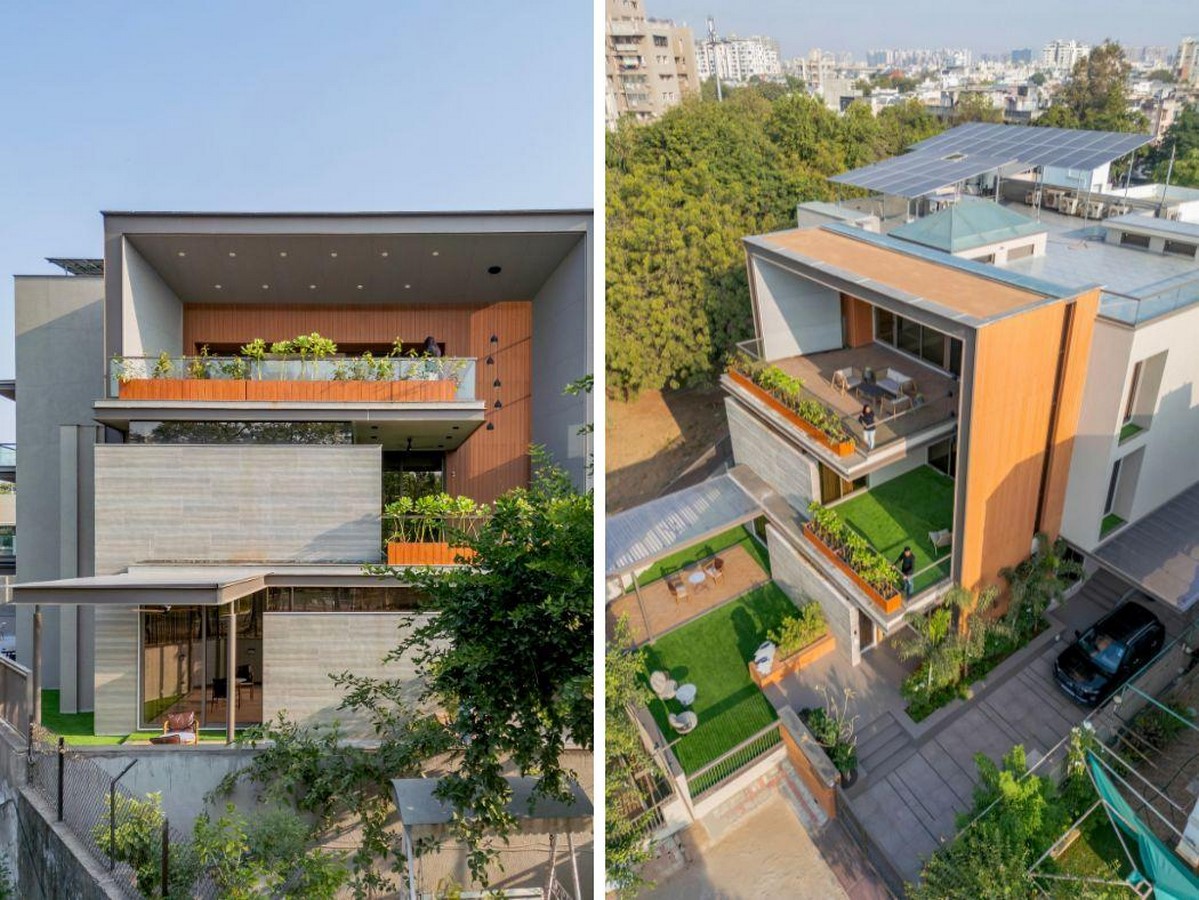
In 2026, climate is no longer a distant concern discussed only in reports or conferences. It is something architects and designers feel every day, in the way cities overheat, in rising energy demands, and in spaces that struggle to remain comfortable. Design today is no longer just about form or aesthetics. It is about responsibility. Buildings are expected to respond to their environment rather than dominate it.
Architects are increasingly pushed to think beyond surface-level sustainability. Passive design strategies, thermal comfort, daylight, ventilation, and material choices are becoming part of early design conversations. Clients may still ask for visual impact, but there is a growing awareness that buildings must perform well long after construction is complete. Poorly designed spaces now reveal their flaws quickly, through heat, discomfort, and energy consumption.
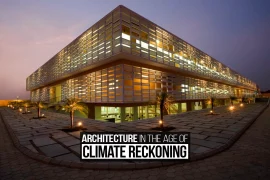
What is changing in 2026 is the mindset. Designers are slowly shifting from designing against the climate to designing with it. This does not always result in dramatic forms. Sometimes it leads to quieter architecture, where shade, orientation, and material sensitivity matter more than visual statements. In this shift, architecture becomes less about control and more about adaptation, listening to the climate instead of ignoring it. (Dezeen, 2025)
Technology as a tool, not a Shortcut
In 2026, technology is deeply woven into architectural practice, but the way it is used is slowly being questioned. Software, simulations, and digital tools are no longer optional. They help designers predict performance, test ideas, and visualise outcomes faster than ever. Yet, there is a growing realization that technology alone cannot solve poor design thinking.
Many buildings over the past decade relied heavily on mechanical systems to fix problems that could have been addressed through planning and form. Over-conditioned interiors, sealed facades, and excessive energy use became normal. Architects are now beginning to step back and ask whether technology is supporting design or replacing it. The difference is subtle but important.
In 2026, the more thoughtful approach is to use technology as an aid, not an escape. Digital tools help analyse wind, heat, and daylight, but the responses still come from design decisions. Orientation, massing, and material choices remain critical. When technology works alongside climate-sensitive design, spaces feel more balanced and humane. Architecture becomes smarter, not louder. The focus shifts from chasing innovation for its own sake to using tools responsibly, in ways that genuinely improve how buildings are experienced. (ArchDaily, 2025)
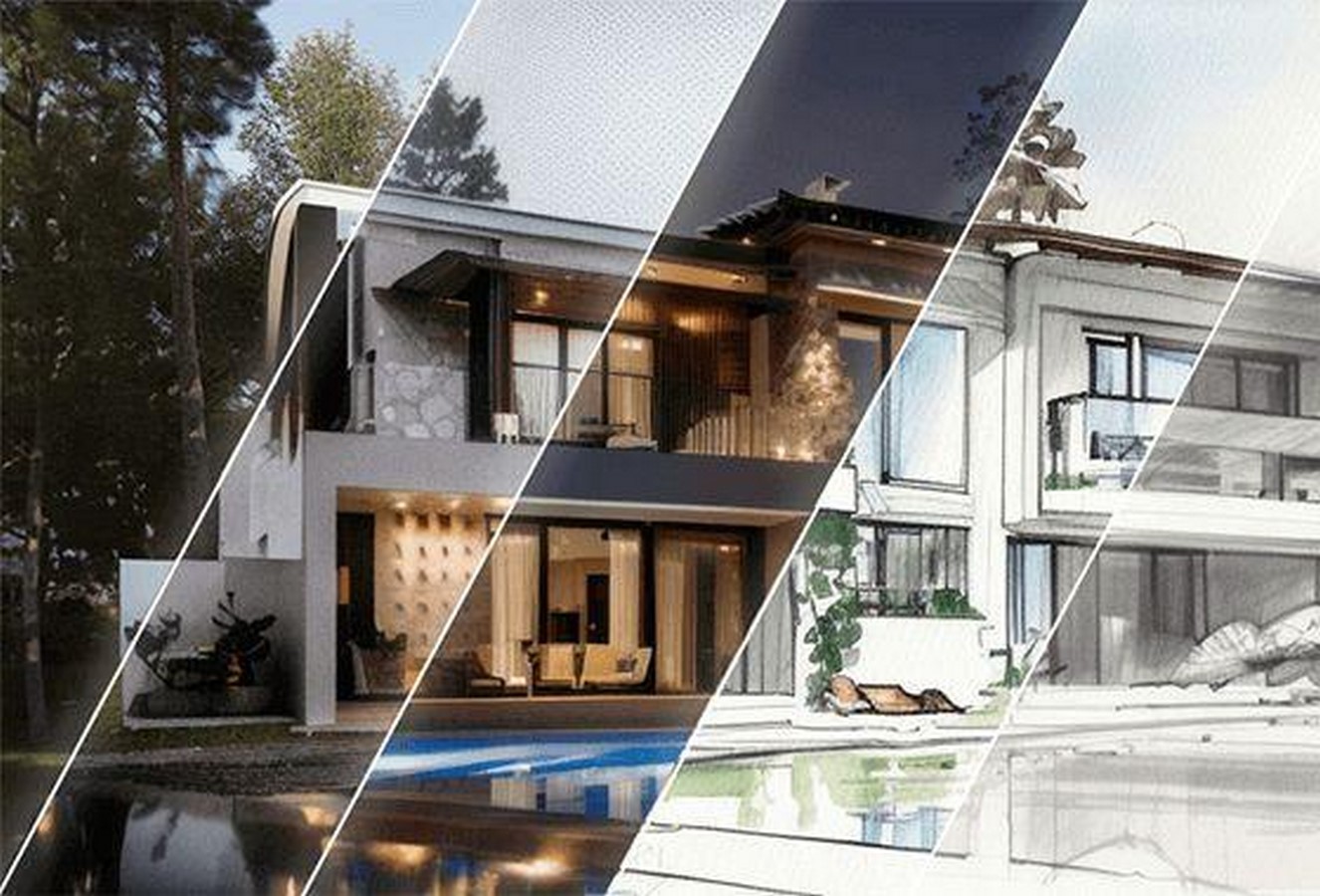
As 2026 unfolds, architecture is moving into a phase that feels quieter but more responsible. The focus is slowly shifting from image-driven design to work that responds to climate, people and everyday use. Architects and designers are no longer expected to simply create visually striking buildings, but to understand the long-term impact of their decisions. How a building ages, how it consumes energy, and how it supports daily life are becoming just as important as how it looks on the day of completion.
This shift also places greater responsibility on architects as listeners and observers. Understanding context, climate and community is no longer optional. It is part of the profession’s core role. Design in 2026 is less about control and more about response. It accepts limitations and works within them thoughtfully.
What lies ahead is not a single trend or style, but a mindset. One that values restraint over excess, performance over appearance, and experience over spectacle. Architects and designers entering this year are being asked to slow down, question familiar methods, and design with care. The future of architecture may not look radically different, but it will feel more considered, grounded and human.
Bibliography:
ArchDaily (2025). Architecture trends shaping the future of design. https://www.archdaily.com
Dezeen (2025). How architecture is responding to climate and technology. https://www.dezeen.com