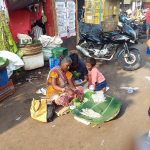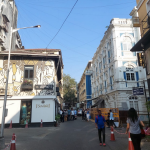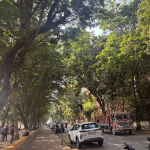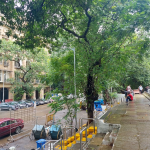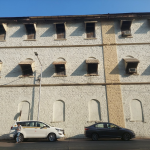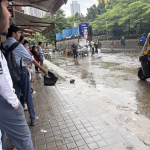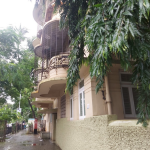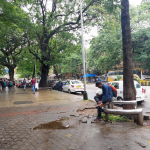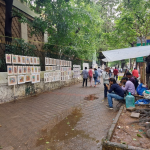
There is a street in Dadar that I return to almost instinctively, as if something in it remembers me. It’s nothing spectacular: a few spice shops, cloth banners hanging loosely, a row of ageing apartment blocks with names that sound like they belonged to a different decade. But every morning, before the day begins, a family sits on the threshold of one of these buildings, drinking tea.
What draws me in is not the act itself, but where they sit. Not inside, not fully outside, but in that fragile, undecided strip between the home and the street. The father leans against the compound wall. The mother takes the low step. The child curls up on the corner where the plinth turns. People walking past naturally adjust their rhythm, momentarily becoming part of this small morning ritual. Someone nods. Someone squeezes around. Someone pauses.
It is an unremarkable moment, but it has the weight of a truth: The city feels most human at its edges.
It is here, in these in-between spaces, that we experience the quiet warmth of recognition, the delicate reminder that space matters not because it is designed, but because it is lived.
Edges as the First Layer of Urban Life
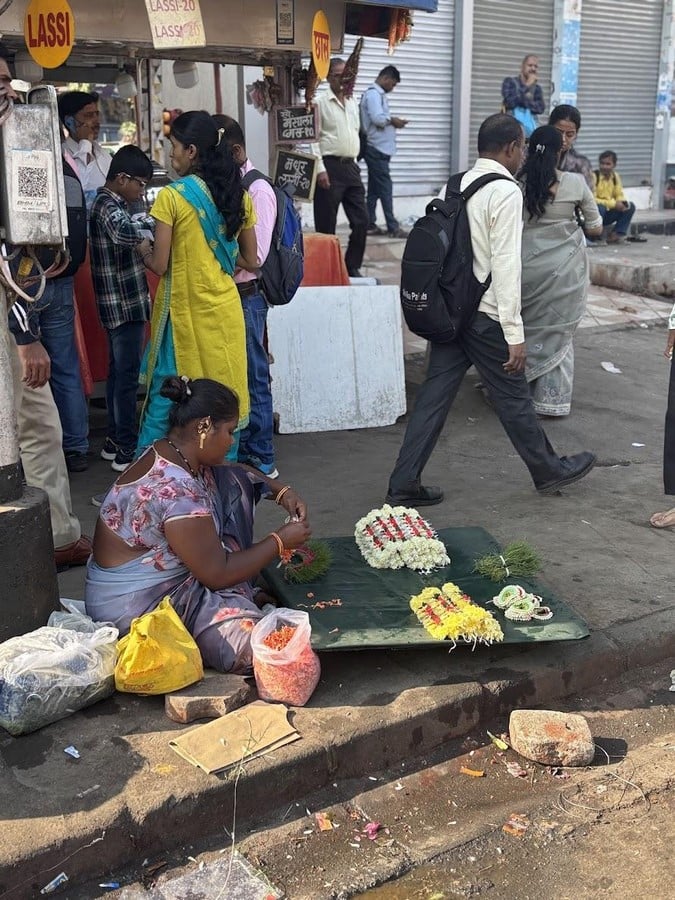
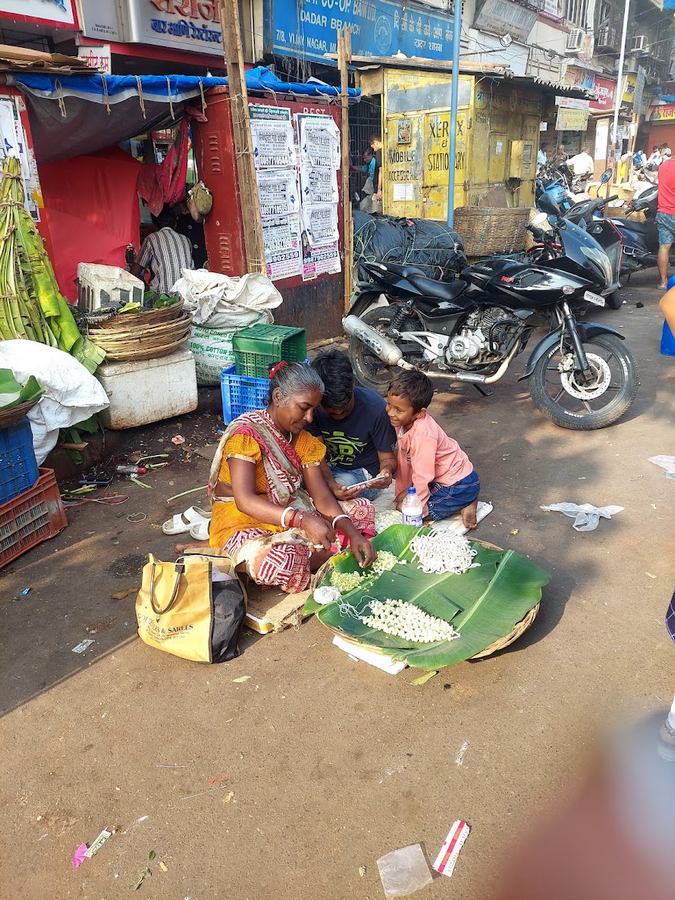
If the street is the city’s bloodstream, then the edge is the pulse point. It is a place where you can feel life most clearly. The façade is the mask; the edge is the expression. It shifts hour to hour.
At dawn, the kirana shop owner sits outside, rolling open the shutter. By afternoon, children claim the same step as their cricket pavilion. By evening, neighbours lean on the plinth, catching up on the day. By night, a stray dog curls into the recessed entrance for shelter.
These edges breathe in ways buildings cannot. Mumbai’s otlas, Chembur’s shaded verandahs, even the modest compound wall in Dadar, all of them absorb change effortlessly. They welcome new rhythms without ceremony. They respond to people before they respond to planning.
They remind us that a street doesn’t come alive when you design for efficiency, but when you leave room for the unscripted.
Memory Lives in These Margins
Our emotional map of a city rarely aligns with its official one. We do not remember the street by its geometry; we rather remember it by its moments.
The arcade in Fort, where office-goers huddle together during sudden rain. The corner shop in Matunga, where dabba carriers line up in perfect metal choreography. The awkward but familiar indent in a façade where you once waited for a friend who was late again.
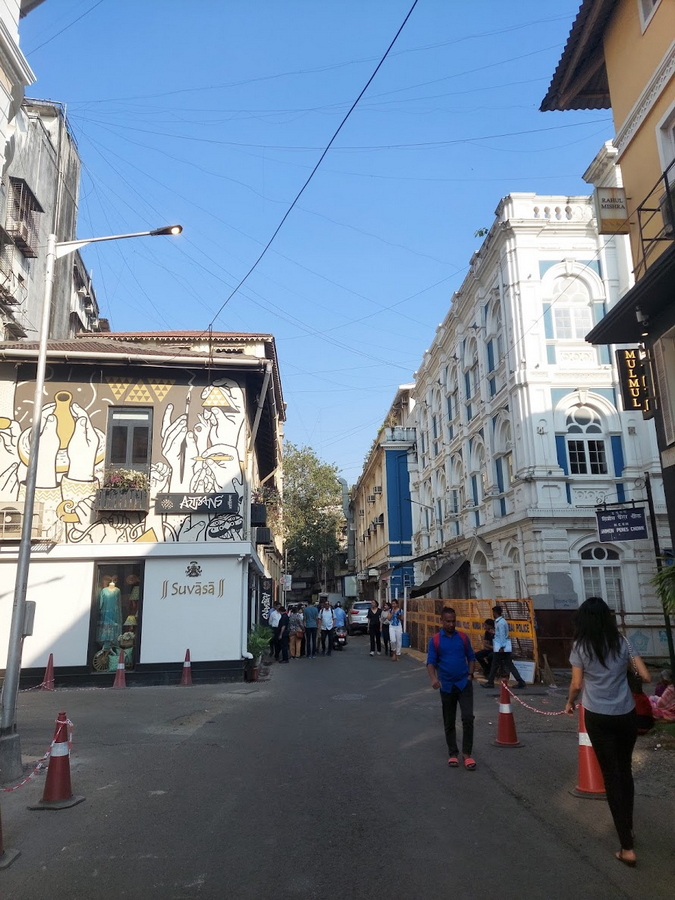
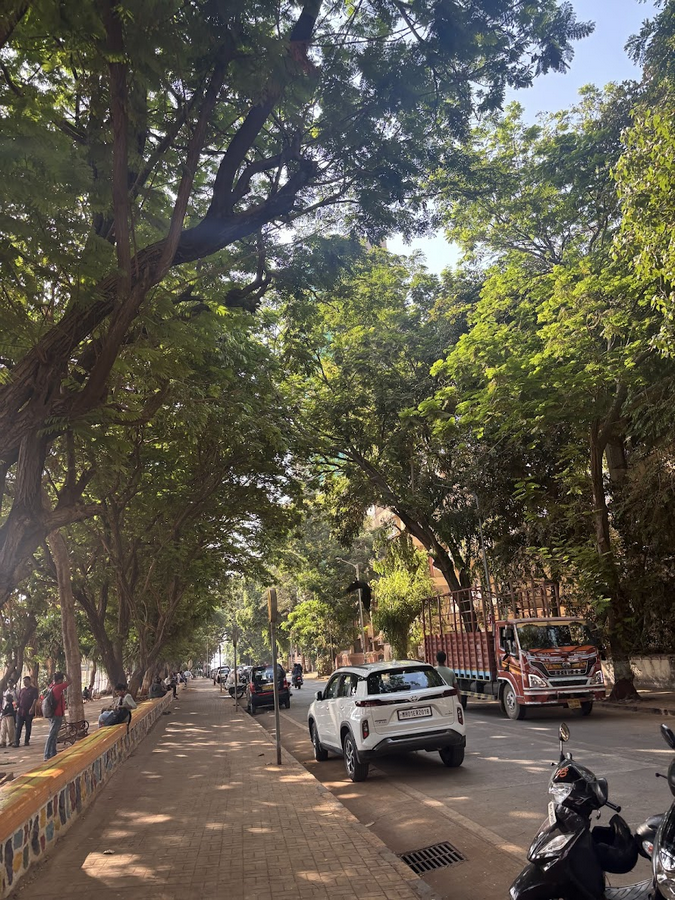
These memories sit gently along the margins, like fingerprints worn into stone. Edges gather stories because they are close enough to the street to witness life, but still sheltered enough to hold a pause. They are the spaces where routine and surprise meet, and where memory, almost shyly, decides to stay.
This slow layering of use turns an ordinary street into a lived landscape.
The ‘In-Between’ as Social Infrastructure
We talk about public spaces as if they must be big to matter – parks, promenades, riverfronts. But Indian cities function on an entirely different scale of intimacy.
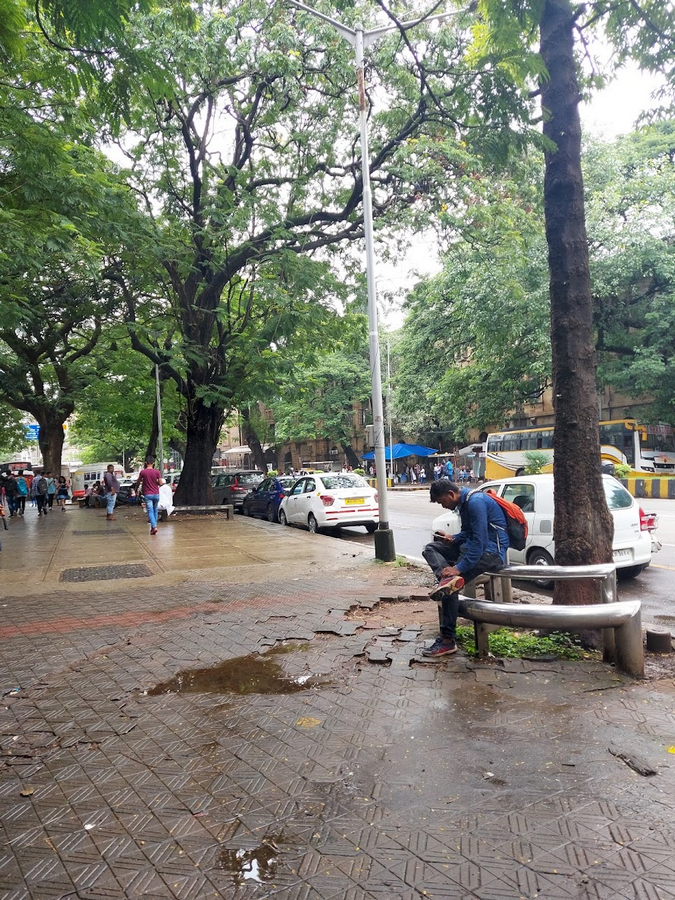
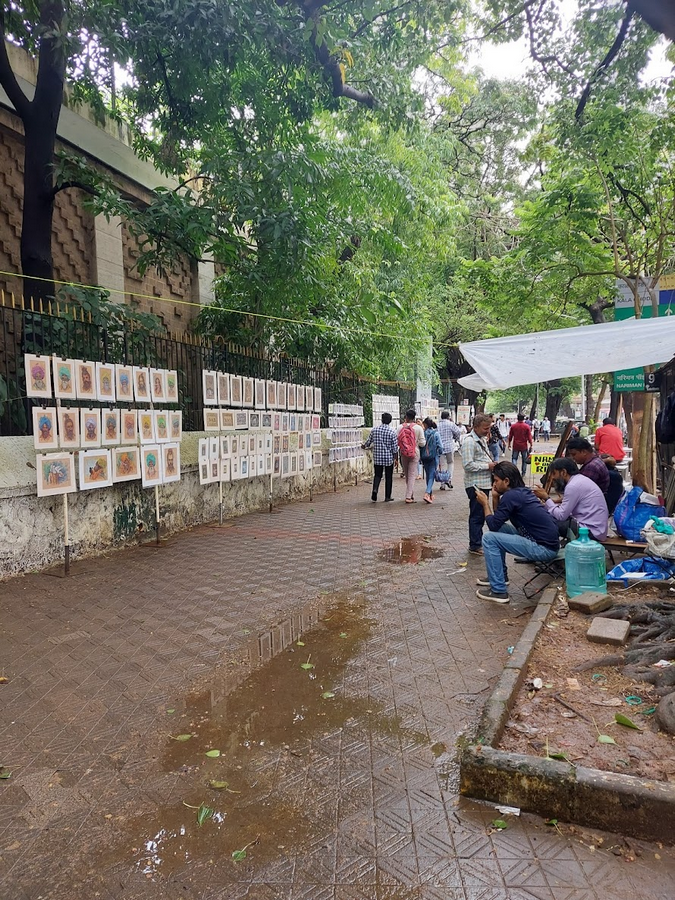
A 1.5-metre plinth outside a closed shop becomes a bench. The shadow of a balcony becomes an afternoon refuge. A recessed doorway becomes the most democratic waiting room. These micro-edges weave together a kind of social infrastructure that is both informal and incredibly sophisticated. They allow people to read each other, to share space without confrontation, to coexist without needing conversation.
This is Jane Jacobs’ “sidewalk ballet,” yes, but in cities like Mumbai, it is more like a quiet raga: repetitive, soft, improvisational, constant. It tells us that the city doesn’t need grand gestures. It needs continuity. And kindness in the places where people meet.
Edges as Slow Transitions, Not Lines
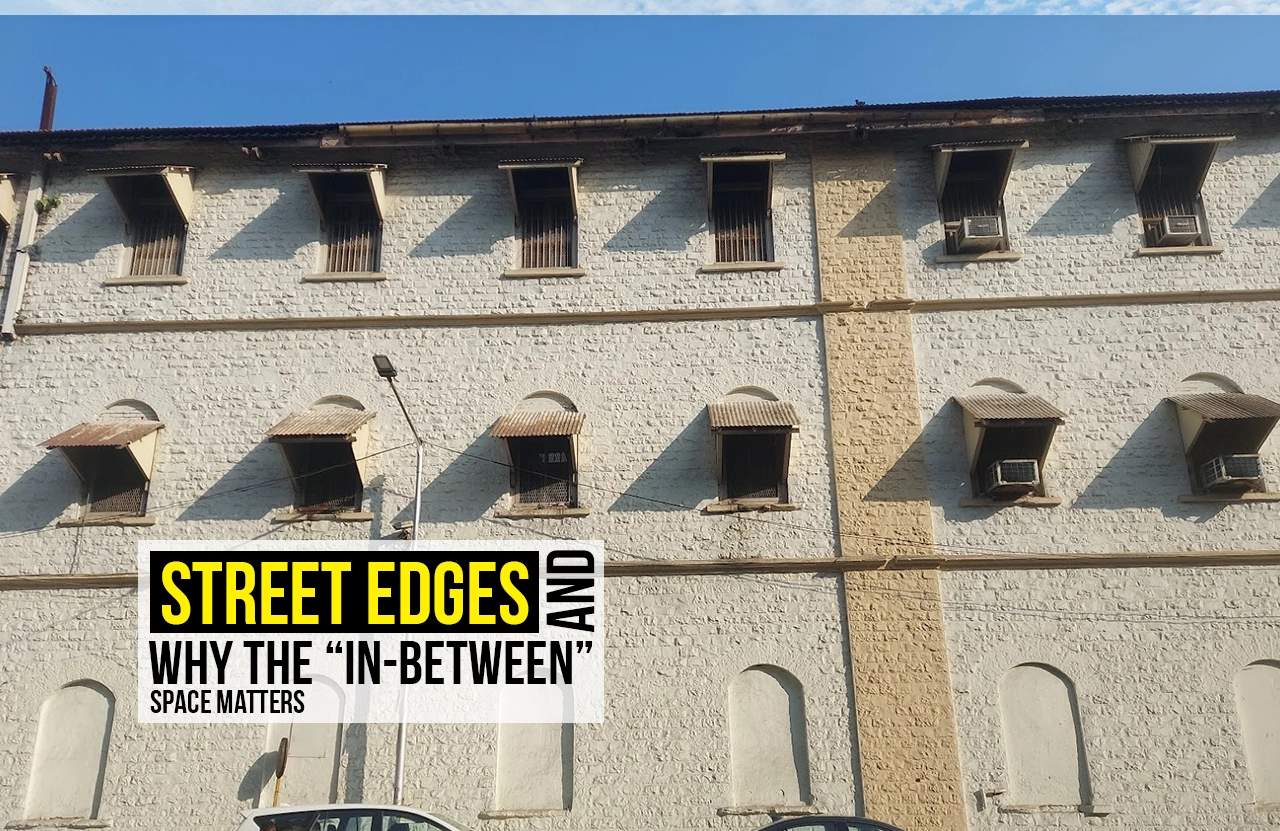
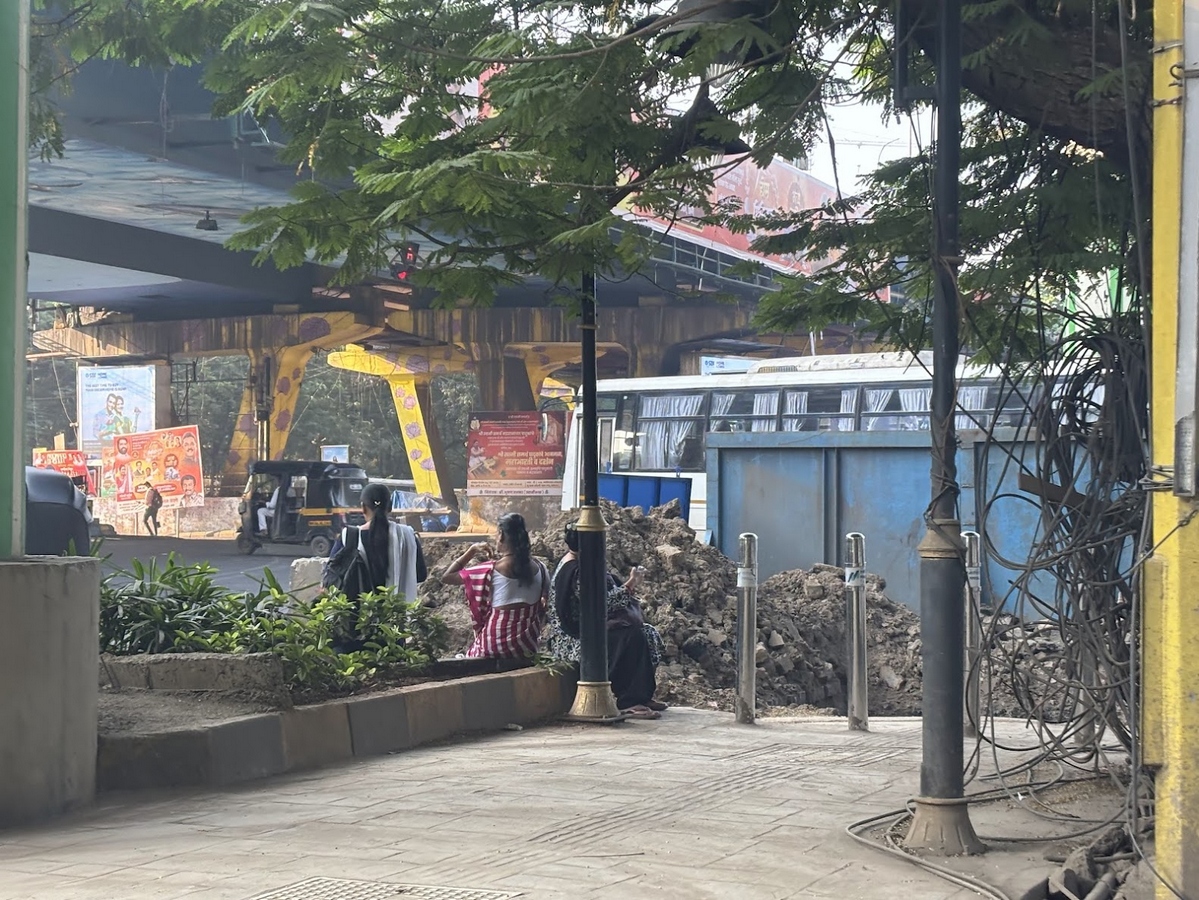
Buildings that respect the street offer a gentle slope into life. Buildings that ignore it create walls.
At Kala Ghoda, the stepped plinths behave like an open invitation. A stranger can sit without being questioned. A busker can perform without being instructed. A passer-by can pause without feeling watched. The transition between indoor and outdoor becomes conversational, a slow merging rather than a boundary. But stand before any modern tower with mirrored glass and a high fence, and you feel it immediately: the refusal. The coldness. The swift push from public to private. Edges tell us how to behave. They can soften the city or sharpen it. They can make us feel like participants or intruders.
Climate Makes Edges Work Harder
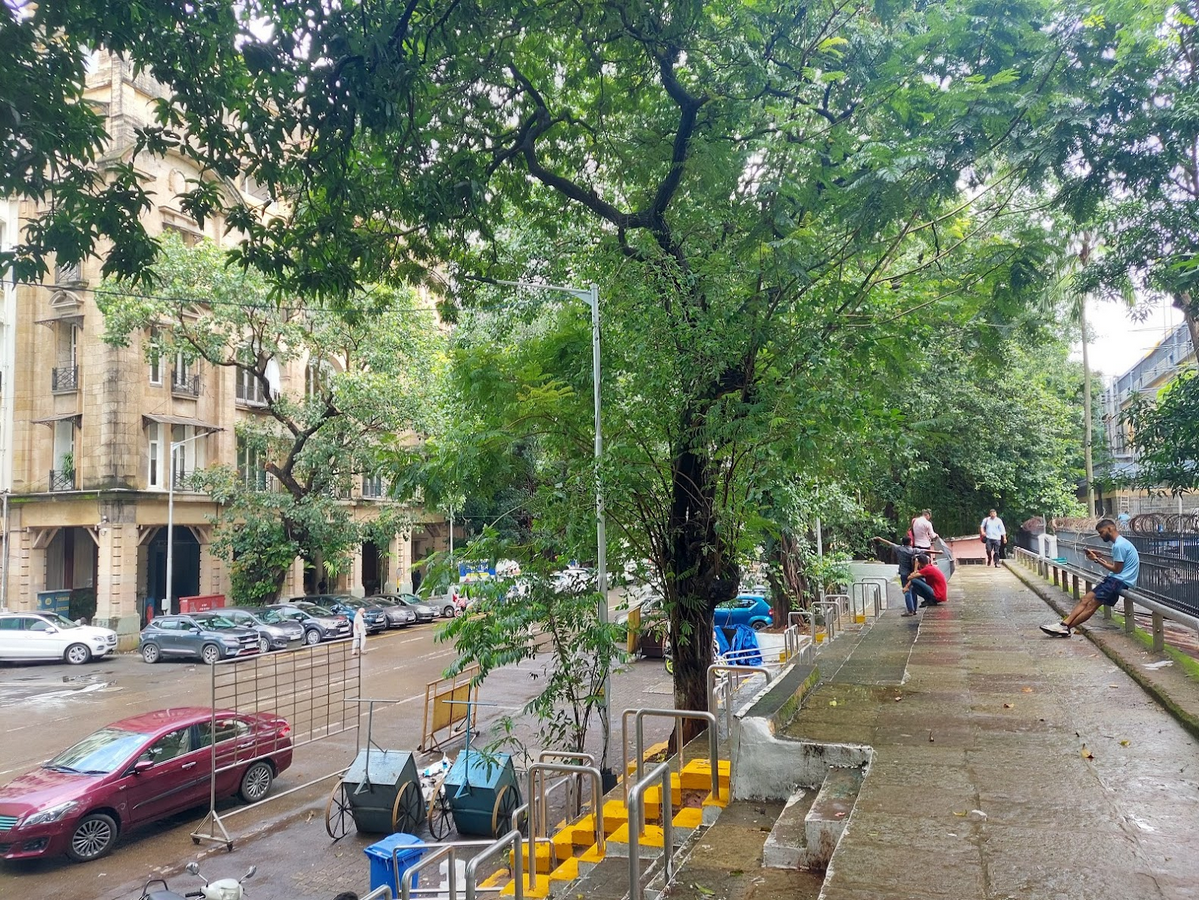
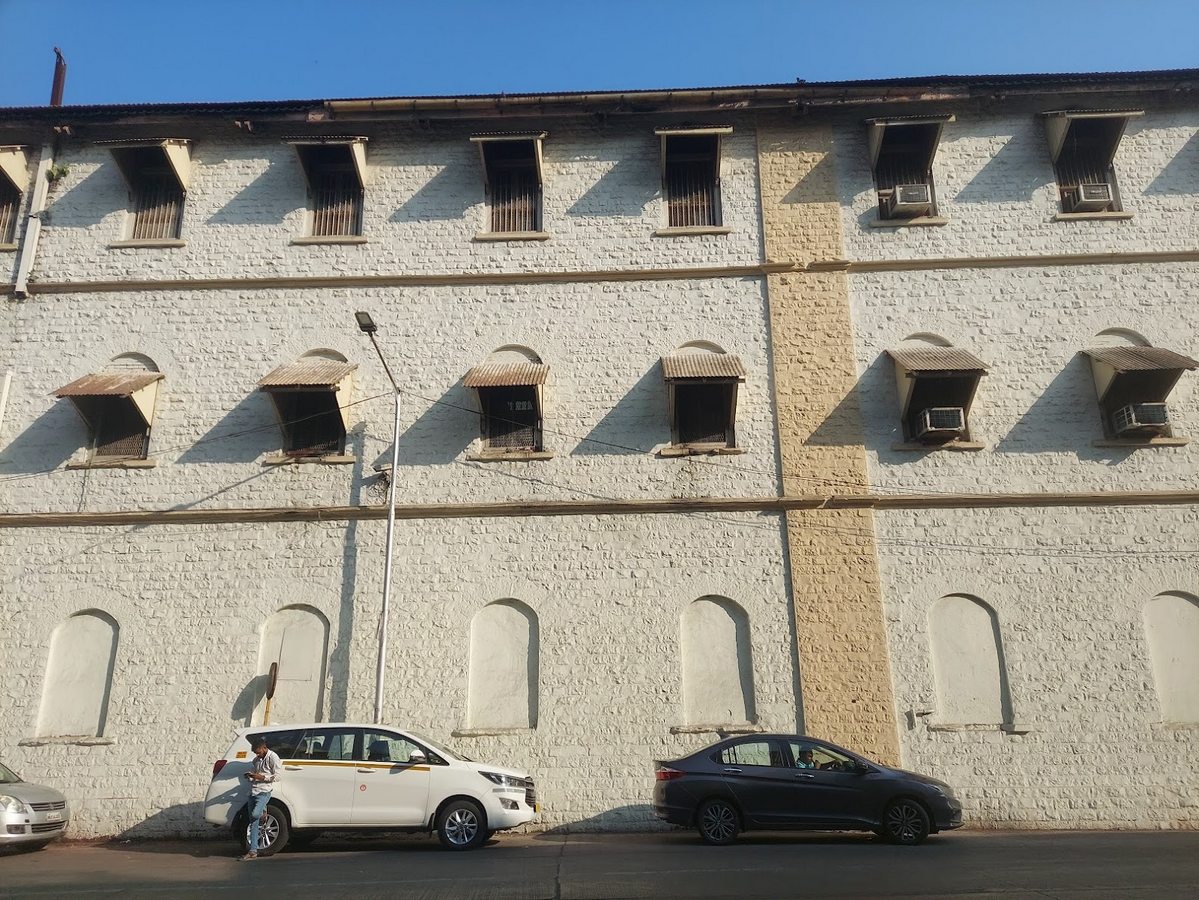
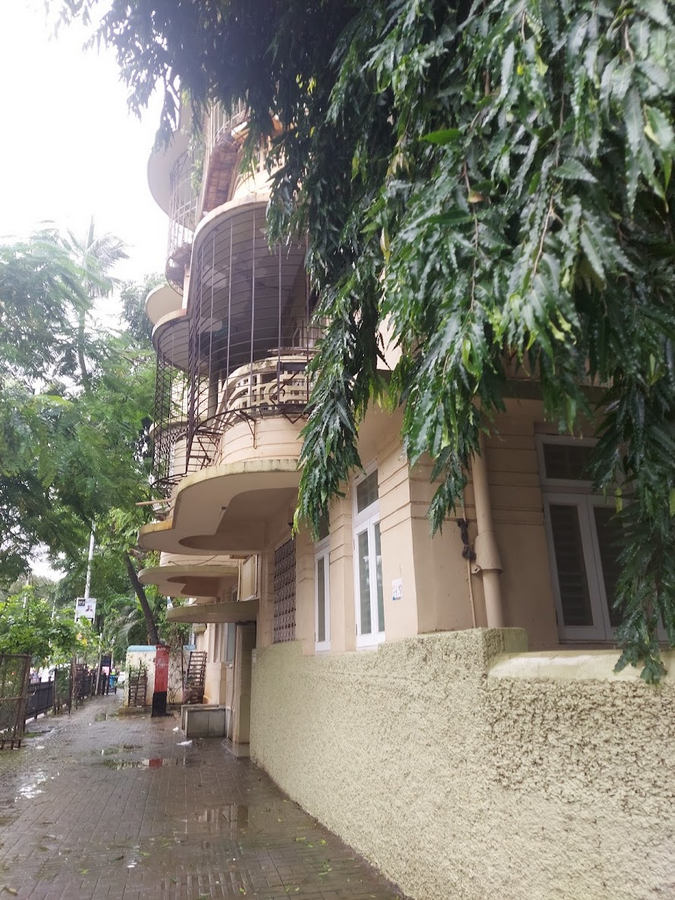
In tropical cities, climate shapes behaviour more intimately than planning. A deep verandah does more than protect from rain; it creates community shade. An overhang does more than block sunlight; it extends the usable day. A recessed entry does more than create a doorway; it creates hospitality.
These climatic edges are not aesthetic choices; they are the city’s subtle acts of care. They make movement gentler, pauses more comfortable, and routines more predictable.
Designing Edges with Intention
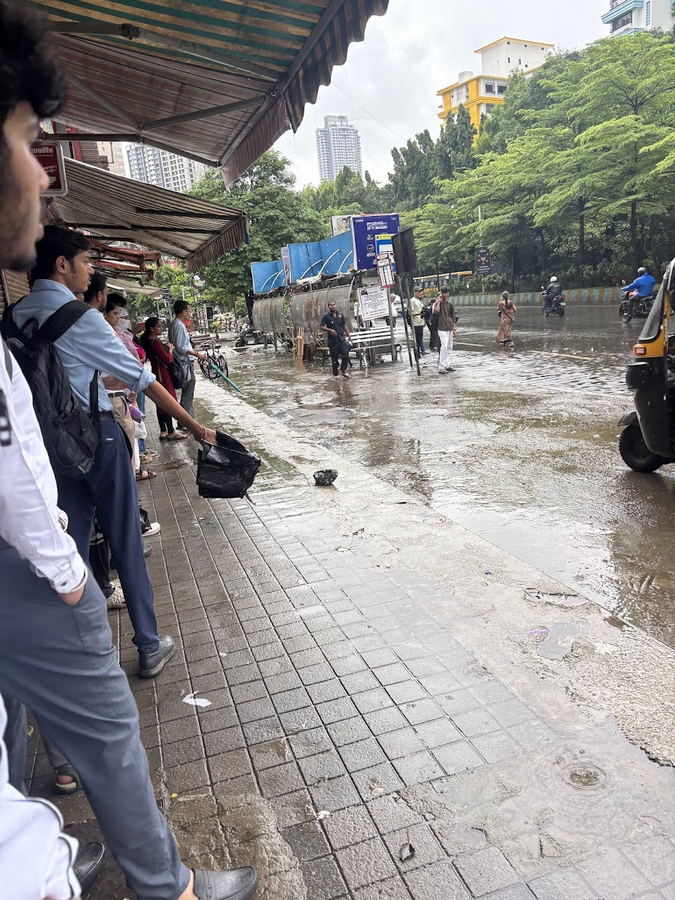
Designing the in-between is not about beautifying sidewalks; it is about enabling behaviour. Some things that we should consider while designing the streets are:
- Layered thresholds: Steps, ledges, verandahs, or recessed entries that offer varying depths of engagement.
- Permeability: Ground floors that open outward through spill-outs or shaded edges.
- Micro-seating: Low walls, extended plinths, planter edges. Basically, seating that emerges from architecture, not furniture budgets.
- Climate filters: Overhangs, screens, and trees that create comfort and extend the usable edge.
- Continuity: A street edge that doesn’t break abruptly, allowing people to walk, pause, and gather intuitively.
Why Space Matters Here Most
We often believe space matters when it is grand – a plaza, a monumental square, a designed vista.
But the space that shapes us most is the one we barely notice: The ledge you step onto before entering home. The corner where you take the first sip of your morning chai. The shaded threshold where a stranger asks for directions. The step where two kids share a packet of chips after school.
These are the spaces where trust forms. Where belonging is rehearsed daily. Where the city reveals that its soul is not in its centre, but in its edges.
Takeaway
The in-between is not a leftover. It is the city’s emotional membrane – delicate, porous, and deeply human. If we design our streets to nurture these edges, we don’t just create better public spaces, we create gentler cities. In the end, a city becomes memorable not because of what it contains, but because of how it lets you move, pause, and connect. And it is the street edge – modest, unassuming, always waiting, that quietly reminds us why space matters.
References:
- Gehl, J. (2010) Cities for People. Washington, D.C.: Island Press.
- Jacobs, J. (1961) The Death and Life of Great American Cities. New York: Random House.
- Mehta, V. (2013) The Street: A Quintessential Social Public Space. Abingdon: Routledge.
- Moudon, A.V. (1994) ‘Getting to Know the Built Landscape: Typomorphology’, Environment and Behaviour, 26(1), pp. 5–33.