Why “Net-Zero” Isn’t the Whole Story
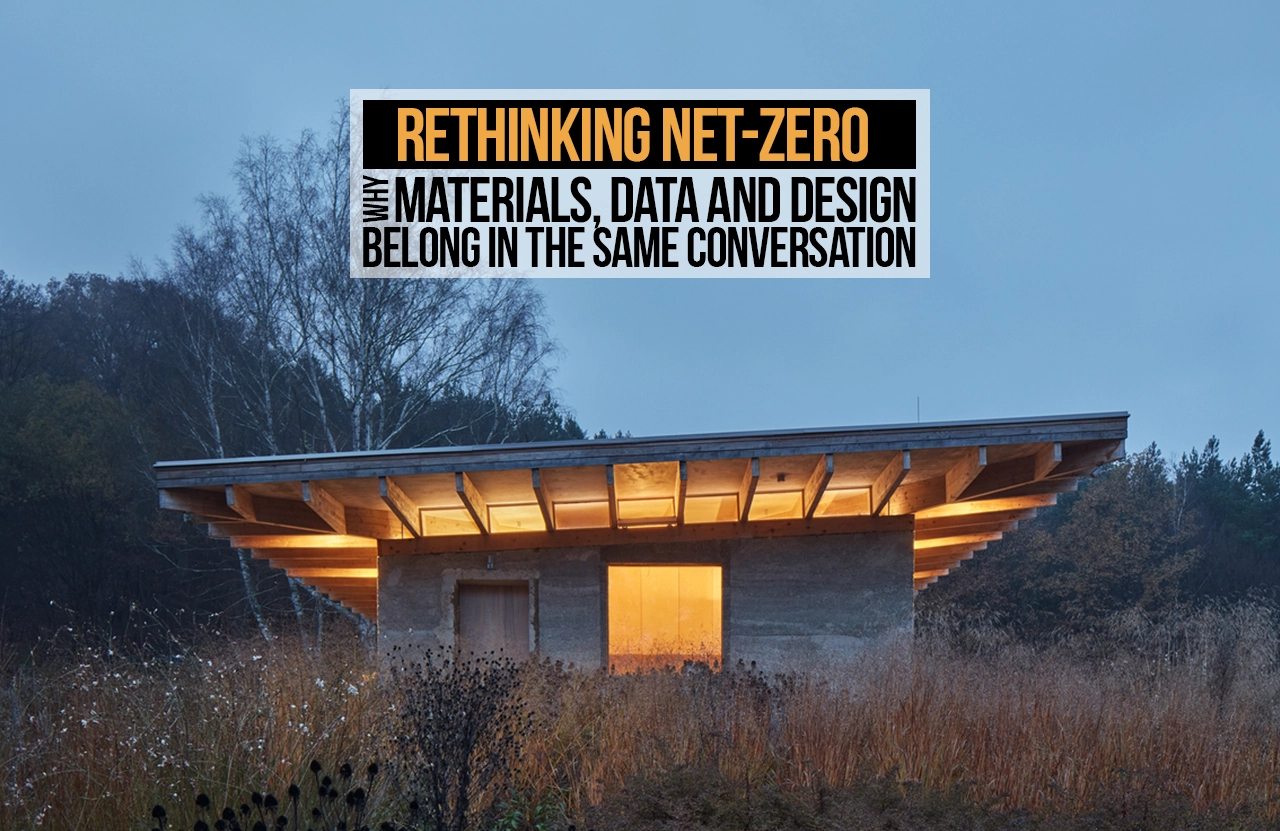
For years, architects have proudly described their buildings as “net-zero,” usually pointing to solar panels, smart façades, or impressively tuned HVAC systems. It is a neat, satisfying label. But behind that label sits a quieter truth the profession is only now learning to face: a building can be brilliantly efficient once occupied and still carry a massive environmental burden before the first switch is ever flipped. Cement kilns, steel mills, brick furnaces, transport fleets, these processes shape a building’s carbon story long before the ribbon-cutting ceremony.
This is the gap where life-cycle thinking enters the conversation. Instead of focusing solely on operational performance, it asks us to look at everything, from extraction and manufacturing to construction, use, and eventually the end of the building’s life. And when architects combine this outlook with digital tools like Building Information Modelling (BIM) and a rapidly expanding palette of low-carbon materials, sustainability stops being a checklist and becomes a design lens. Rather than constraining creativity, it opens up new avenues for play, experimentation, and clarity. Every material becomes a narrative choice, and every design decision can be tested instantly and meaningfully.
From BIM to Building Life-Cycle
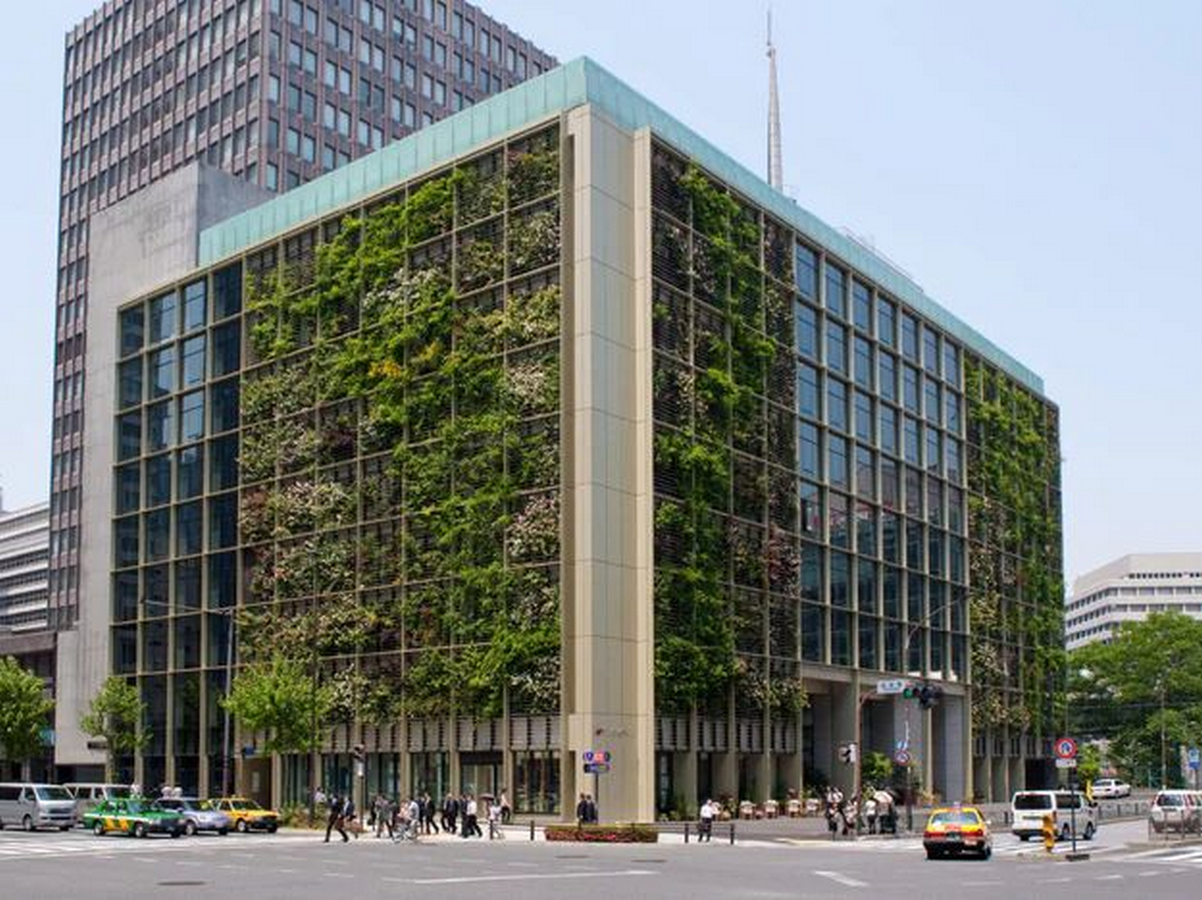
As conversations around climate responsibility deepen, the architecture and construction industry has begun to recognise that reducing operational energy alone will not be enough. Embodied carbon, the emissions locked into materials and construction processes, has emerged as a major share of a building’s total environmental footprint. Studies show that as buildings get more energy-efficient, embodied carbon can represent 40 to 60 percent of life-cycle emissions (Pomponi and Moncaster, 2017; Röck et al., 2020). In India, where construction is expanding at a remarkable pace, this has stronger implications. The material choices made today directly shape the country’s long-term carbon trajectory (AEEE, 2020; MoEFCC, 2022).
This shift has encouraged designers to adopt life-cycle assessment (LCA), a method that evaluates environmental impacts from raw material extraction to end-of-life stages. Rating systems like IGBC and GRIHA now highlight life-cycle metrics, signalling a slow but steady transition towards whole-life thinking (GRIHA, 2019; IGBC, 2021). But while LCA provides the “why,” BIM increasingly offers the “how.”

BIM: A Tool That Is Evolving Faster Than We Are Using It
Most architects encounter BIM first as a coordination tool, a way to avoid clashes, produce cleaner drawings, and keep consultants aligned. But as digital modelling evolves, researchers and practitioners are discovering that BIM is just as powerful as an environmental information engine (Soust-Verdaguer et al., 2017). Every element in a BIM model already holds the essential data that LCA tools need, including thicknesses, layers, densities, and quantities.
Historically, LCA was painful, involving long spreadsheets, manual volume calculations, and endless opportunities for human error. Today, with BIM-integrated LCA tools, the process becomes nearly frictionless. Adjust a wall build-up in your model and the LCA software updates instantly. Swap a material and the carbon footprint recalculates within seconds. Environmental performance becomes something you can design with, not something you check after the fact.
Tools such as Tally (Klein et al., 2019) and One Click LCA (Häkkinen and Kuittinen, 2020) make this a seamless process. Platforms like EC3 shift the conversation into procurement by helping teams choose materials that come with verifiable low-carbon credentials (Mehta et al., 2020).
When Better Choices Become Realistic Choices
Digital tools are empowering, but real carbon reductions only happen when architects have better materials to choose from. Fortunately, today’s sustainable material landscape is richer and more ambitious than it was a decade ago.
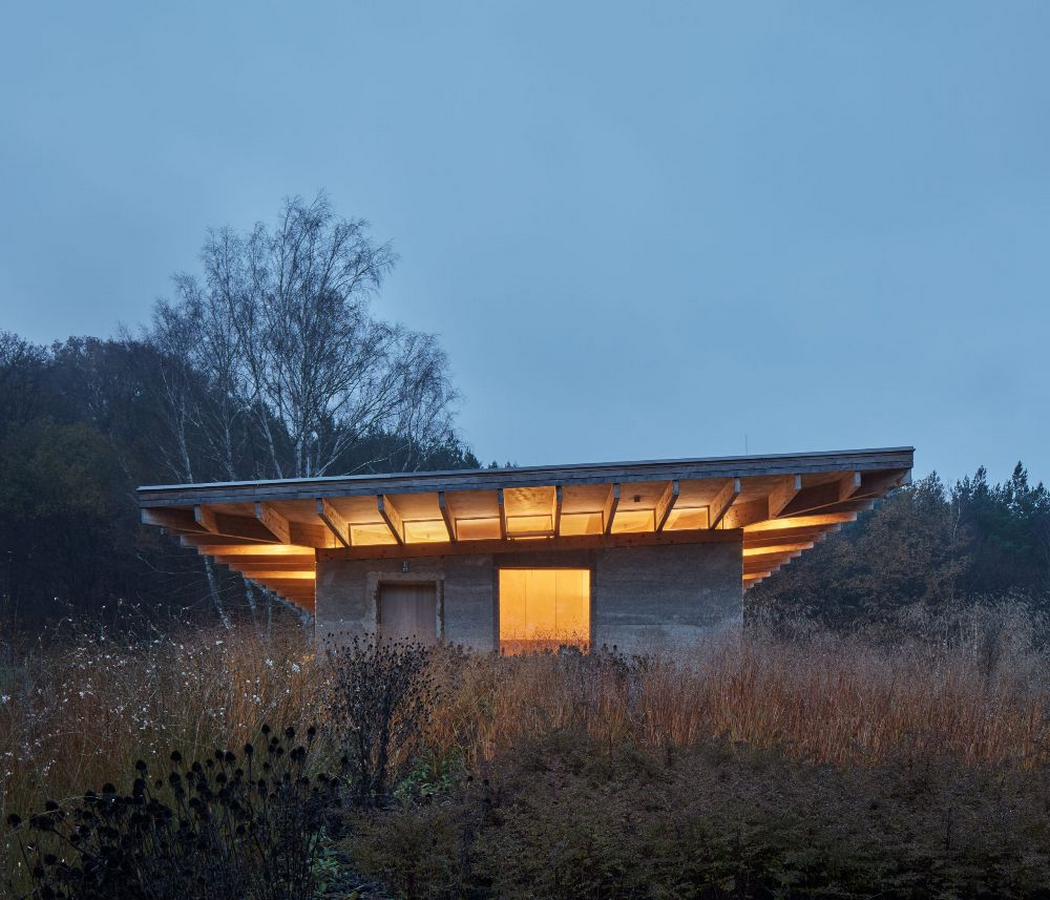
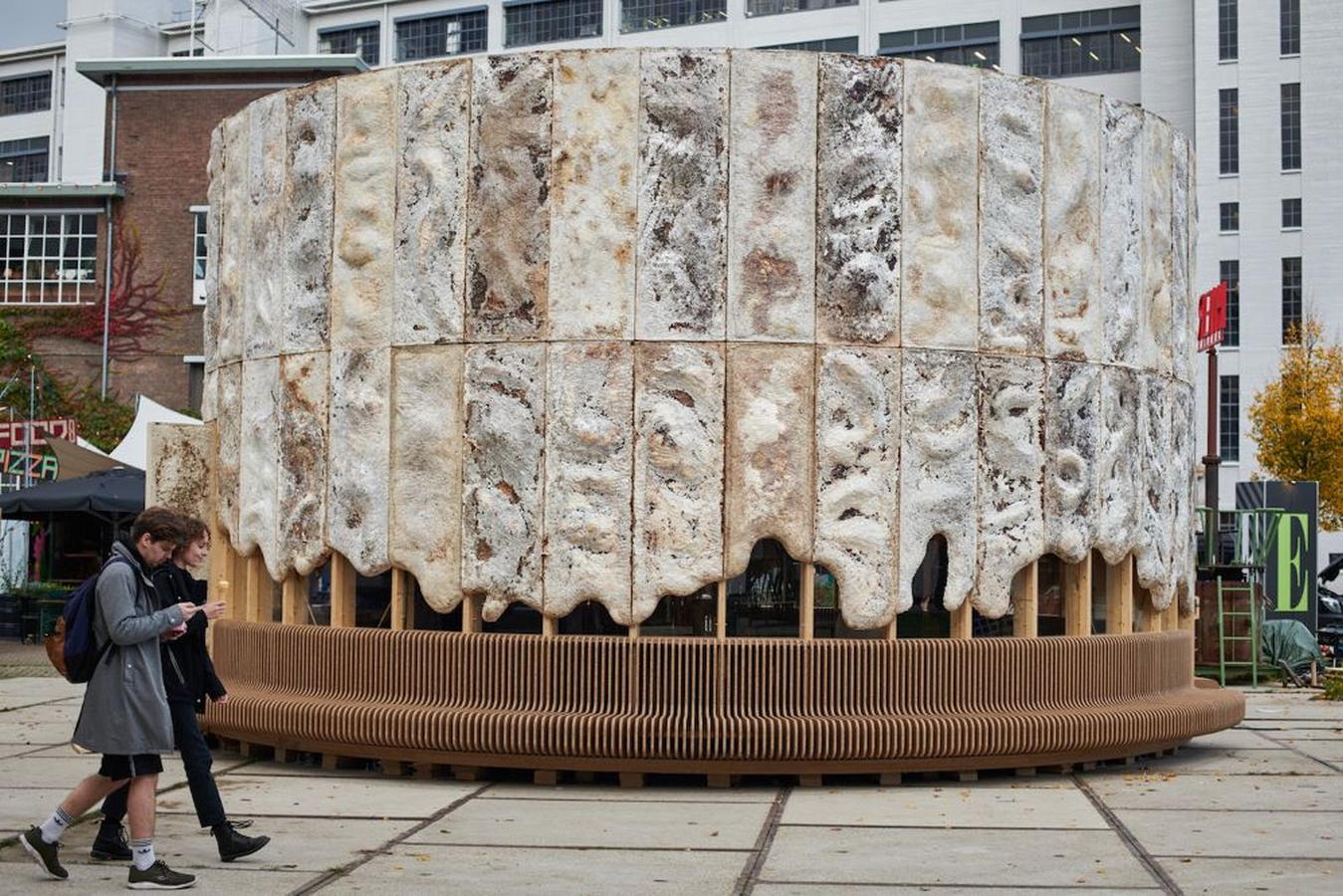
Bio-based materials are seeing renewed interest. Hempcrete stores more carbon during plant growth than it emits during production, effectively making it a carbon-negative building material (Walker and Pavía, 2014). Bamboo brings impressive tensile strength and rapid renewability, supporting applications that go well beyond vernacular structures (Sharma et al., 2015). Mycelium composites promise biodegradable, lightweight, and thermally stable alternatives for interior partitions and insulation (Jones et al., 2018).
Cement innovations have accelerated. LC3 (limestone calcined clay cement) can reduce embodied carbon by around 30 percent (Scrivener et al., 2018). Geopolymer concretes and fly-ash binders offer additional reductions.
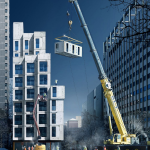
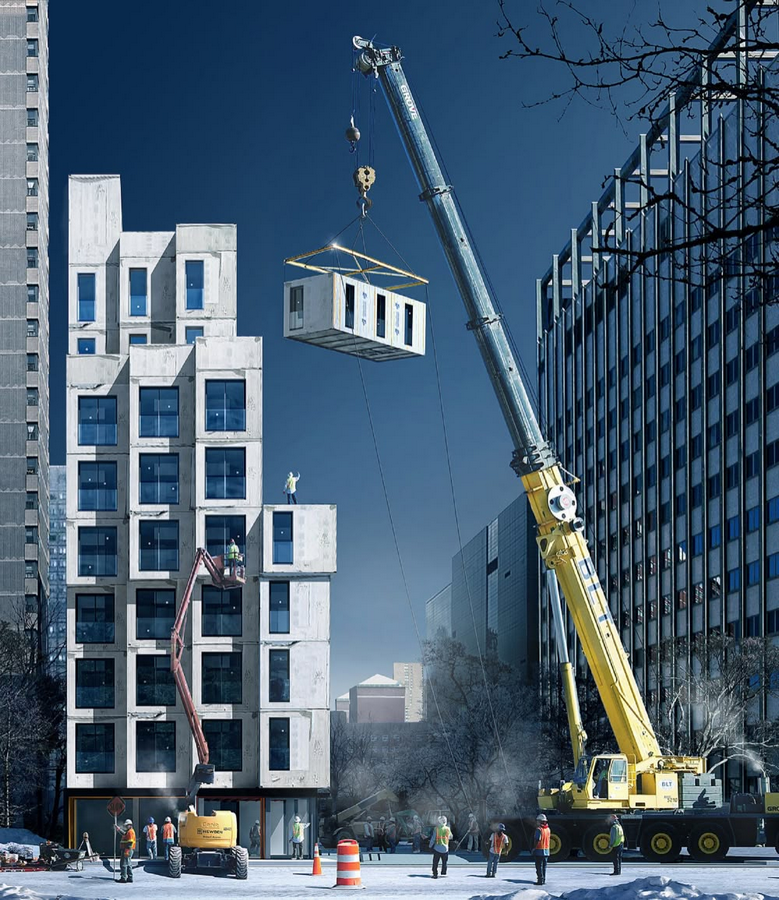
Prefabrication and modular construction improve precision and minimise waste. These qualities translate directly into lower embodied carbon (Dodoo et al., 2014). Together, these materials and methods expand what low-carbon architecture can look and feel like.
None of these innovations work in isolation. They become meaningful when tested, compared, and integrated using BIM LCA workflows.
A Practical, Designer-Friendly BIM to LCA Workflow
To bring life-cycle thinking into everyday architectural practice, the workflow must be simple, repeatable, and compatible with design timelines. A typical BIM to LCA workflow looks like this:
1. Build a Clean BIM Model
Standardise material naming, family structures, and assembly layers. Model hygiene is fundamental (Soust-Verdaguer et al., 2017).
2. Map Materials to EPDs
Link each BIM material to an Environmental Product Declaration from databases in One Click LCA or EC3. This ensures assessments are based on real products.
3. Automate Quantity Take-Off
Use schedules or IFC exports to pull accurate volumes and areas directly from the model.
4. Establish a Baseline
Run a baseline LCA to identify the high-impact elements, often concrete, steel, and aluminium façades.
5. Test Alternatives
Experiment with multiple combinations:
• AAC or fly-ash block instead of fired brick
• LC3 instead of OPC concrete
• Bamboo screens instead of aluminium louvers
• Timber or hybrid prefab panels instead of monolithic RCC
Quantifiable comparisons make decision-making clearer and more transparent.
6. Pair With Operational Simulations
Whole-life carbon depends on both embodied and operational performance. Some materials influence both.
7. Use Low-Carbon Procurement Tools
EC3 helps identify suppliers with verified low-carbon products so the final specification matches the design intent.
8. Update the Digital Twin Post-Construction
As-built data allows future maintenance cycles and end-of-life impacts to be understood more accurately.
This workflow turns sustainability into the design process itself, rather than a separate checklist.
Case:Designing a Tribal School Campus
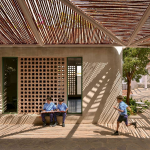
Imagine a modest school campus for a tribal community in central India. The baseline proposal uses RCC framing, red brick infill, and aluminium shading. A BIM-based LCA reveals the expected culprits, mainly concrete and brick, with embodied emissions that account for most of the building’s whole-life impact.
The design team tests alternatives:
• stabilised fly-ash blocks for infill
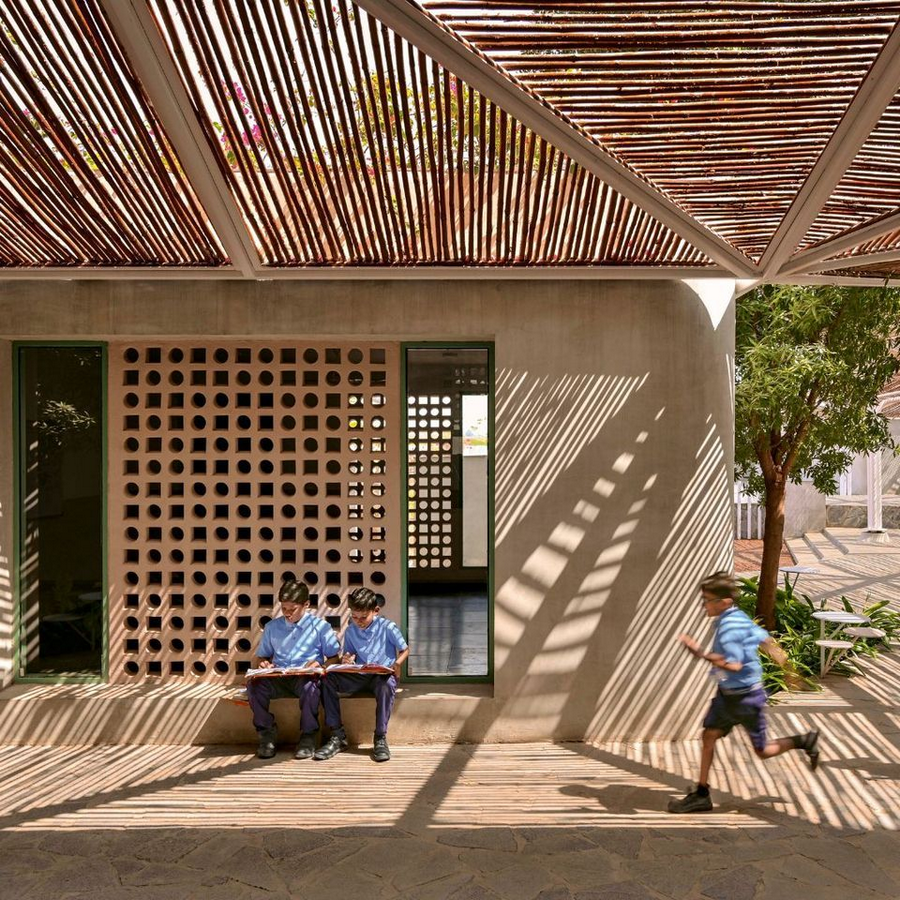
• bamboo shading structures
• prefabricated timber roofing segments
• LC3 concrete mixes
The result is a 25 to 35 percent reduction in embodied carbon. Bamboo shading also improves thermal comfort, lowering cooling loads. These shifts do not require futuristic technology, they simply require the ability to quantify and compare. BIM LCA tools provide that clarity.
Where We Go From Here
The future of sustainable architecture will not be defined by a single breakthrough material or a single digital platform. Instead, it will grow out of the incremental, thoughtful decisions architects make every day, testing one more scenario, questioning one more assumption, exploring one more alternative before finalising a design. BIM and LCA bring sharper focus to those decisions, revealing impacts that were previously invisible.
What makes this moment encouraging is that none of this is hypothetical. The tools exist. The materials exist. The research is extensive and accessible. Any project, large or small, can begin integrating life-cycle thinking today. And the more we design with these methods, the more natural they become, ultimately reshaping what good architecture means.
If architecture is, at its core, a narrative about intention, then life-cycle design is a way of ensuring that narrative endures from the first drawing all the way to a building’s final day.
References:
AEEE (2020) Building Stock Modelling for India: Assessing Energy Use and Emissions. Alliance for an Energy Efficient Economy.
Dodoo, A., Gustavsson, L. and Sathre, R. (2014) ‘Lifecycle carbon implications of conventional and low-energy multi-storey timber buildings’, Energy and Buildings, 82, pp. 194–203.
Gharwari, D. and Reith, A. (2021) ‘Circular design strategies and building materials: A review on digital workflows’, Journal of Cleaner Production, 313, p. 127947.
GRIHA (2019) GRIHA Version 2019 Manual. Green Rating for Integrated Habitat Assessment.
Häkkinen, T. and Kuittinen, M. (2020) ‘Integrated life-cycle assessment using BIM’, Buildings, 10(7), p. 115.
IGBC (2021) IGBC Net Zero Carbon Rating System. Indian Green Building Council.
Jones, M. et al. (2018) ‘Engineered mycelium composite construction materials’, Construction and Building Materials, 176, pp. 692–699.
Klein, R., Culp, C. and Aufmuth, L. (2019) ‘Integrating LCA tools into BIM workflows: A case study using Tally’, Energy Procedia, 158, pp. 2756–2761.
Mehta, A., Miller, R. and Willmert, T. (2020) ‘EC3 tool and embodied carbon transparency’, Carbon Leadership Forum Report.
MoEFCC (2022) India: Third Biennial Update Report to the UNFCCC. Ministry of Environment, Forest and Climate Change.
Pomponi, F. and Moncaster, A. (2017) ‘Circular economy for the built environment: A research framework’, Journal of Cleaner Production, 143, pp. 710–718.
Röck, M. et al. (2020) ‘Embodied GHG emissions of buildings: A review of data, methods, and contributions to climate change mitigation’, Building and Environment, 168, p. 106505.
Scrivener, K. et al. (2018) ‘Calcined clay limestone cements (LC3)’, Cement and Concrete Research, 114, pp. 49–63.
Sharma, B. et al. (2015) ‘Engineered bamboo for structural applications’, Construction and Building Materials, 81, pp. 66–73.
Soust-Verdaguer, B., Llatas, C. and García-Martínez, A. (2017) ‘BIM-based LCA method for evaluating the environmental impact of building designs’, Automation in Construction, 80, pp. 55–68.
Walker, R. and Pavía, S. (2014) ‘Hemp-lime concrete: Carbon sequestration and performance’, Construction and Building Materials, 69, pp. 9–17.