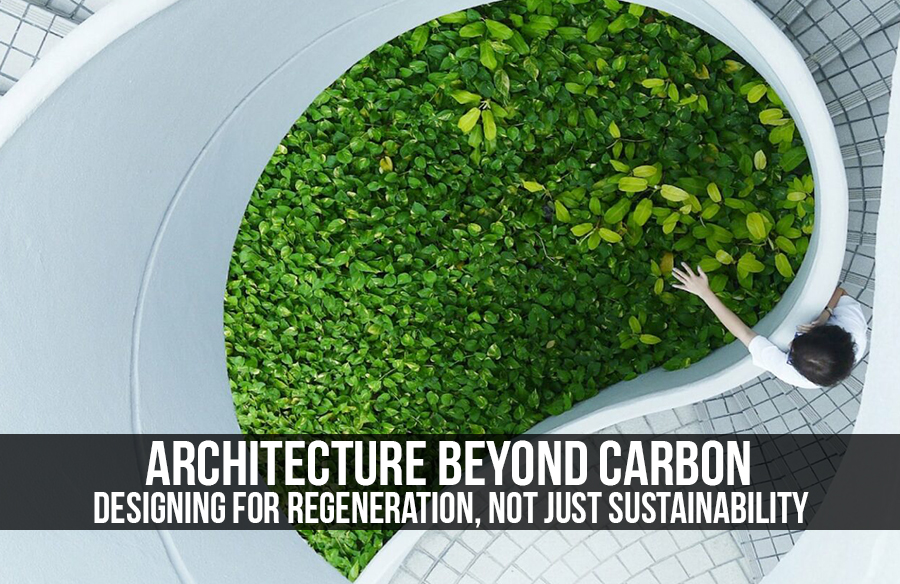
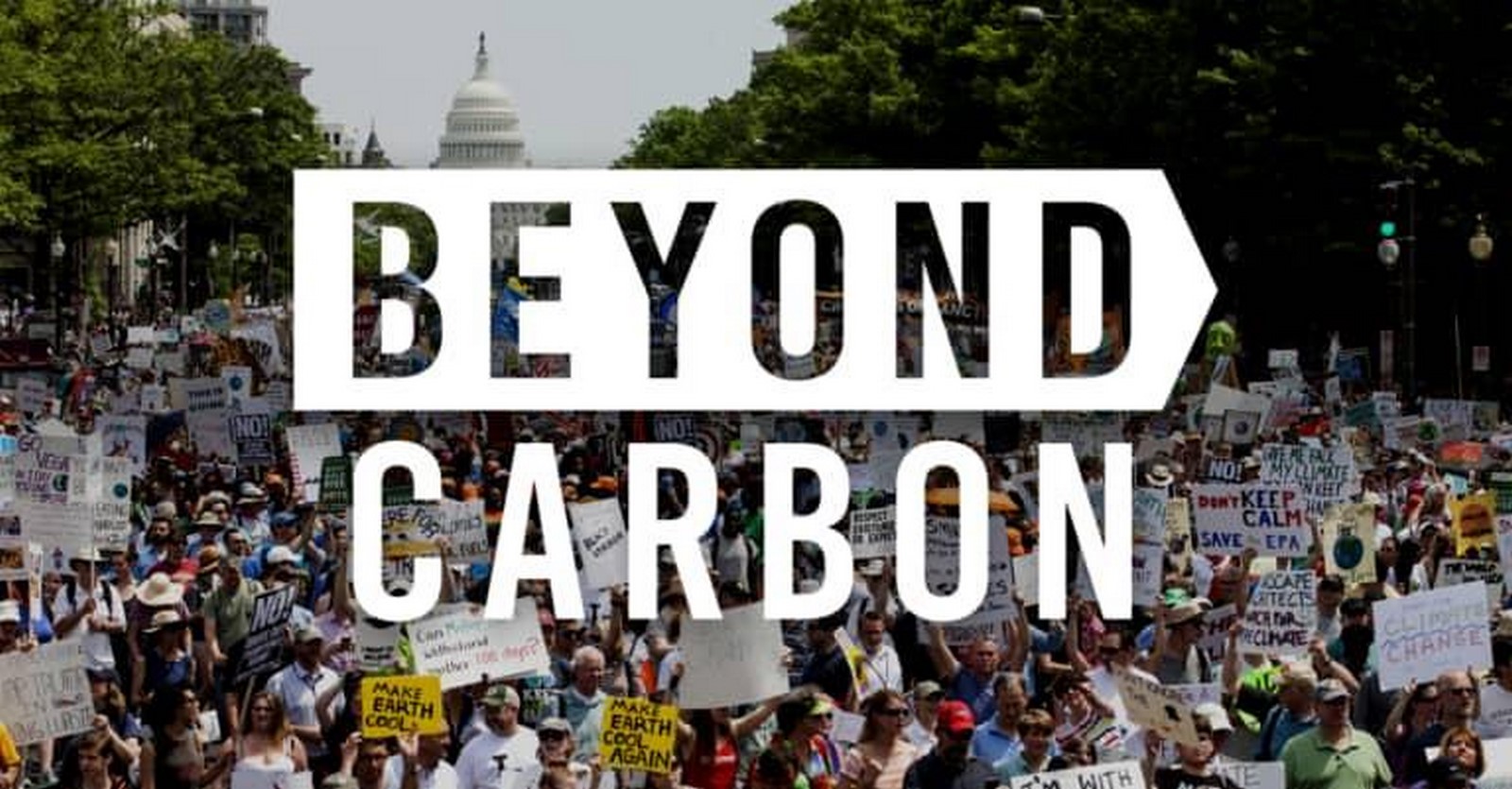
There is a point where sustainability quantum leaps, or morphs into one capable of self-healing, restoring and regenerating. That is the subject of this article. Over time, “sustainability” has been popularised in various sectors: design, health, industry and development. In architecture, it once meant designing buildings that did less harm only. Now, more architects and thinkers are going a new level, questioning: what if our buildings could actually do better? Could new designs repair ecosystems, heal communities, and give back a long term worth for building investment? The premise of architecture beyond carbon is much more than about reducing emissions, it is about driving designs towards regeneration.
Why Carbon-Positive Design?
While most eyes remain fixed on buildings themselves, the truth is, the broader urban environment — streets, landscapes, and infrastructure — accounts for about 75% of greenhouse gas emissions (GHG).
That’s where climate-conscious sites and landscape design comes in. These outdoor elements, once seen as mere aesthetic afterthoughts, now present a real chance to cut emissions and store carbon in significant ways. From the layout of pathways to the type of soil and plants used, every decision made outside the building envelope matters.
Climate Positive Design champions this shift in thinking. It focuses not only on reducing the carbon footprint of landscapes and infrastructure but also on unlocking powerful side benefits, such as stronger climate resilience, healthier ecosystems, improved water quality, and enhanced well-being for people.
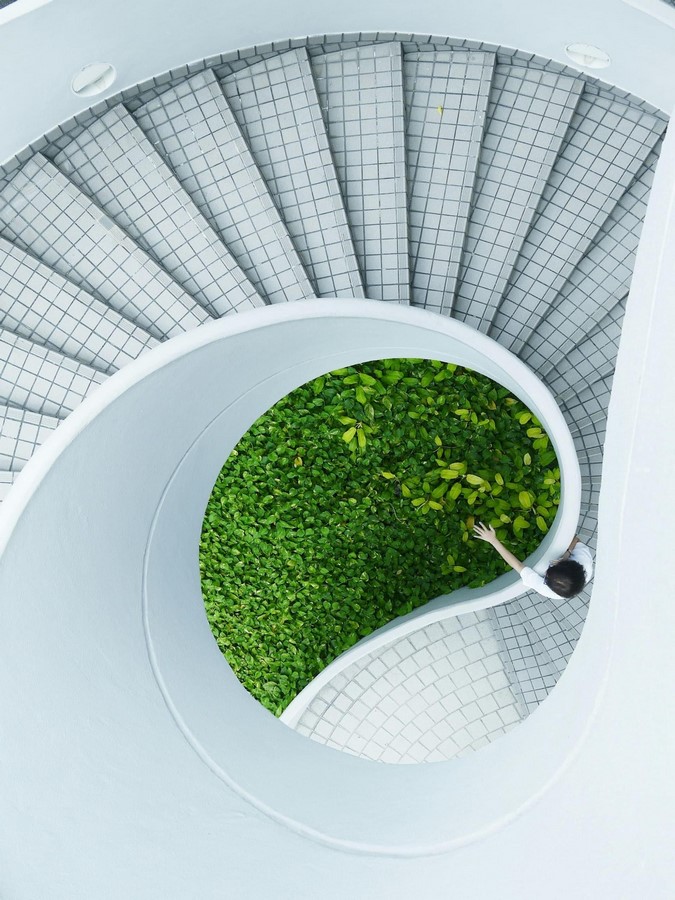
By reimagining these exterior spaces through low-carbon strategies like smart material choices, regenerative planting, and sustainable operations, we can halve emissions or more. At the same time, we can double carbon sequestration. It is a call to see the urban landscape not as background, but as a living, breathing solution.
Regenerative Materials
New materials like mycelium bricks, grown from fungi, can be composted after use. Buildings like The Biomason concrete structures grow like coral using bacteria, needing no heat-intensive kilns and emitting little carbon.
In Ghana, MASS Design Group uses local earth and labour to build health centres that are beautiful, breathable, and built for dignity. Their designs not only reduce carbon but regenerate social value—creating jobs, honouring craft, and healing public trust in underserved communities.
Regeneration also applies to landscapes. Projects like the High Line in New York or Superkilen in Copenhagen convert abandoned urban corridors into green, active public spaces. They reconnect fragmented communities and ecosystems, and they invite biodiversity back into dense concrete jungles.
Reuse is Essential
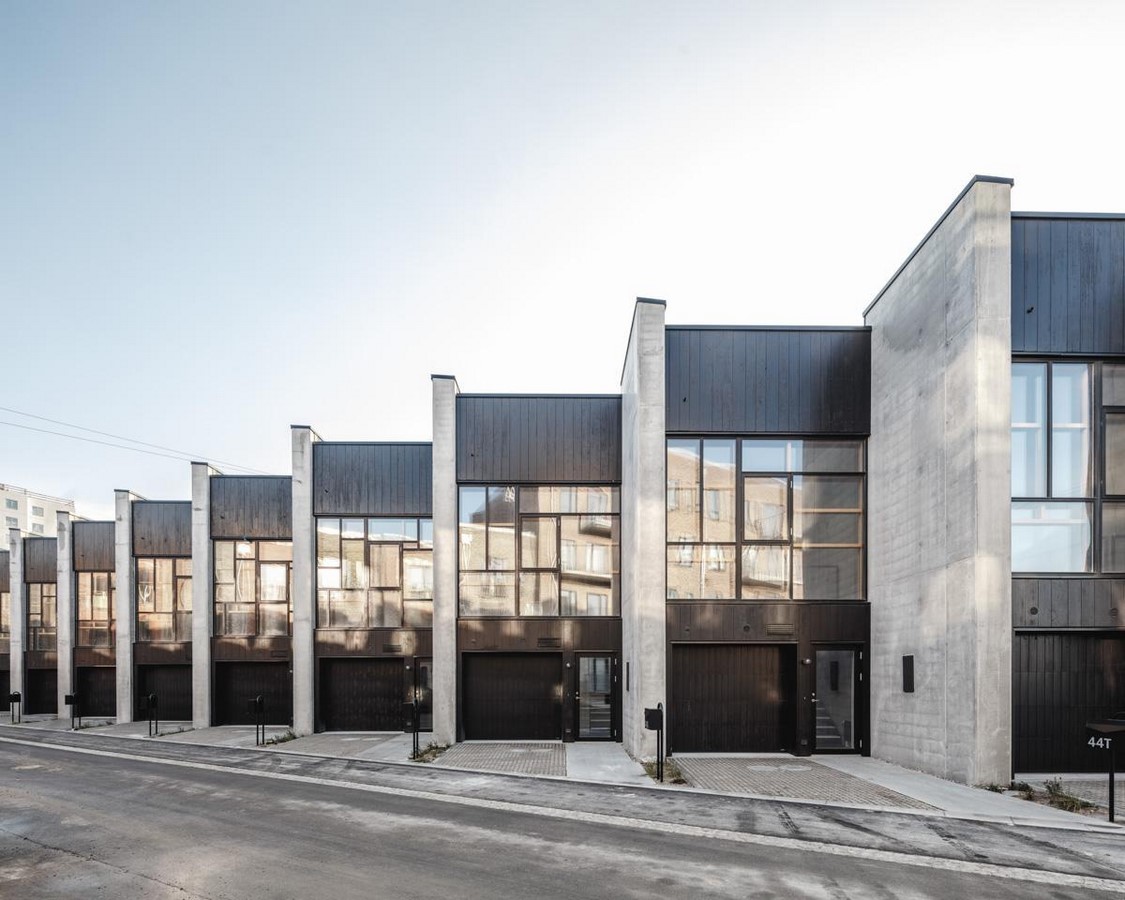
Beyond materials, regenerative architecture embraces circularity. Instead of demolition and rebuild, adaptive reuse is utilised. An example is the Lendager Group’s Upcycle Studios in Copenhagen, built almost entirely from construction waste—recycled concrete and other materials all given a second life. An award-winning project recorded to save about 45% CO₂ and turn 1000 tonnes of waste into building materials.
In some developing countries in Africa, young design collectives are reworking colonial relics into vibrant public spaces and studios. Thus, regeneration when the old is not erased but preserved. And the past becomes a blueprint for something new.
Technology Contributes to Regeneration
Digital tools make regeneration measurable. Life Cycle Assessments (LCAs) and Building Information Modelling (BIM), and the online EDGE App calculator help architects make data-backed decisions early, even before implementation.
Sensors in buildings can monitor energy flow, occupant comfort, and even CO₂ absorption from green walls. AI is being used to simulate future climate scenarios, guiding architects to design buildings that adapt and evolve.
Learning Regeneration Through Ancient Knowledge
Regeneration is not a new invention—it’s something ancient cultures practised for centuries. From the local ways of water-harvesting to the ancient wisdom to material reuse, the snow-igloo for the Inuit, or the earthen Zulu huts in South Africa—vernacular architecture was deeply regenerative by default. It was local, low-impact and climate-responsive.
The Regenerative Mindset
“Every person and organization in the built environment community can take climate action beyond the building.
- Pamela Conrad, principal with CMG Landscape Architecture in San Francisco
There’s also the human side. Regenerative design isn’t just about greens and the solar-panelled roofs—it’s also about people. Heeding to green design tips helps in restoring mental wellbeing, and safe community. Design affects behaviour, and when we live out our spaces with the mindset, we become co-contributors to regeneration.
The built environment professionals already have what is called the sixth sense, and that should question more.
Does this building nourish or deplete?
Who benefits from it?
Will it still matter in 100 years?
Remember, the goal is to create an environment that gives people a sense of place in years to come.
Final Thoughts
Architecture beyond carbon is advancing. It takes us from the point of knowing to the point of intentionality to design. It invites architects and other built environment professionals to question design concepts and infuse climate based approaches; testing designs on modern green efficiency calculators and knowing how well their designs can perform in specific locations for a long term.
And no doubt in the future, regeneration will always give a recompense for intentional designs..
References:
ArchDaily. Upcycle Studios / Lendager Group. https://www.archdaily.com/899701/upcycle-studios-lendager-group
Biomason. Biocement for a Climate-Positive Future. https://biomason.com/
Bloomberg / Beyond Carbon. Joining Forces to Fight the Climate Crisis and Move Beyond Carbon. https://earthjustice.org/article/joining-forces-to-fight-the-climate-crisis-and-move-beyond-carbon
CMG Landscape Architecture. Climate Positive Design. https://www.architectmagazine.com/carbon-positive/carbonpositive-beyond-the-building_o
Google. Carbon-aware Computing. https://sustainability.google/initiatives/carbon-aware-computing/
Lendager Group. Upcycle Studios. https://lendager.com/project/upcycle-studios/
MASS Design Group. Architecture That Heals. https://massdesigngroup.org/
Photograph by Danist Soh. https://unsplash.com/photos/woman-standing-spiral-stairs-n-3Pn7Ybe-s
Beyond Carbon. Picture of Nature. https://beyondcarbon.life/