When a City Erased Its Heart
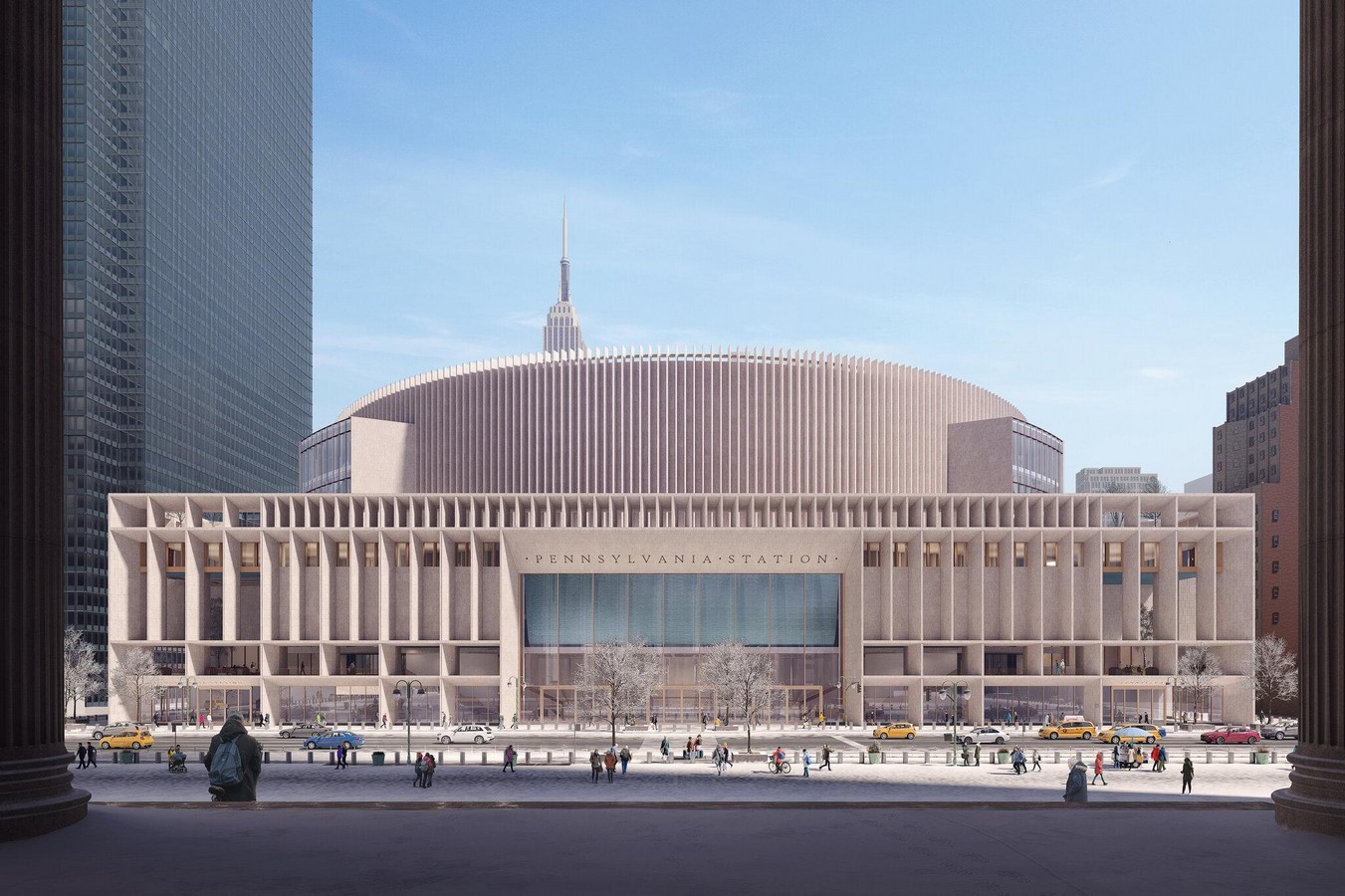
What new plans to renovate Penn Station could mean for its future
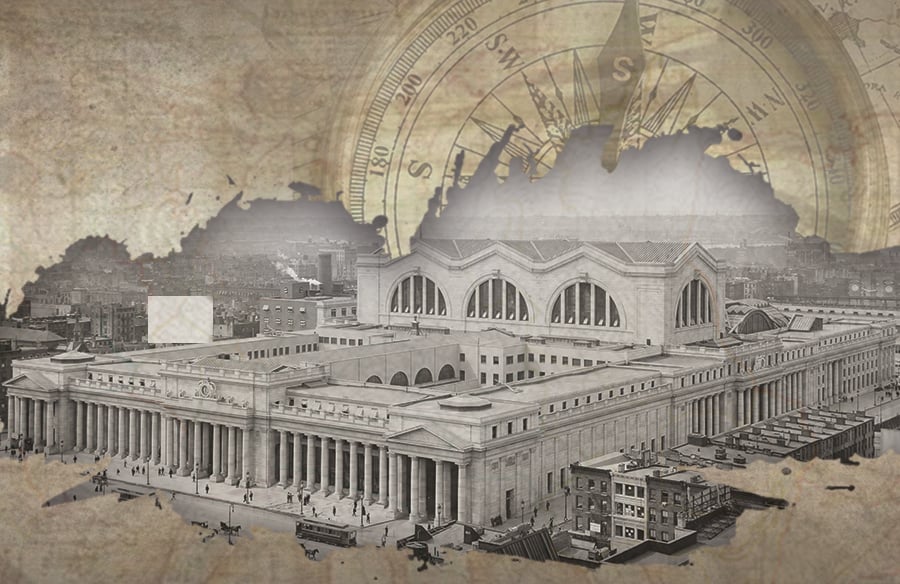
Some buildings carry more than weight and stone. They carry memories. Emotion. Identity.
Pennsylvania Station was one of them.
Opened in 1910, it wasn’t merely a train terminal—it was a threshold. A place where thousands crossed paths each day. A gateway that made arrival feel like an entrance, and departure feel like a moment worth remembering. Wrapped in Beaux-Arts elegance, the station held its head high with classical columns, grand vaulted ceilings, and daylight that poured in like music. But the station’s greatest quality wasn’t what met the eye. It was how it made people feel—how it gave dignity to the routine act of travel. And yet, in 1963, it was torn down.
What does it mean when a city chooses to erase such a place? What gets built in its place is one thing. What gets lost—perhaps—is everything else.
What Was Built, What Was Lost
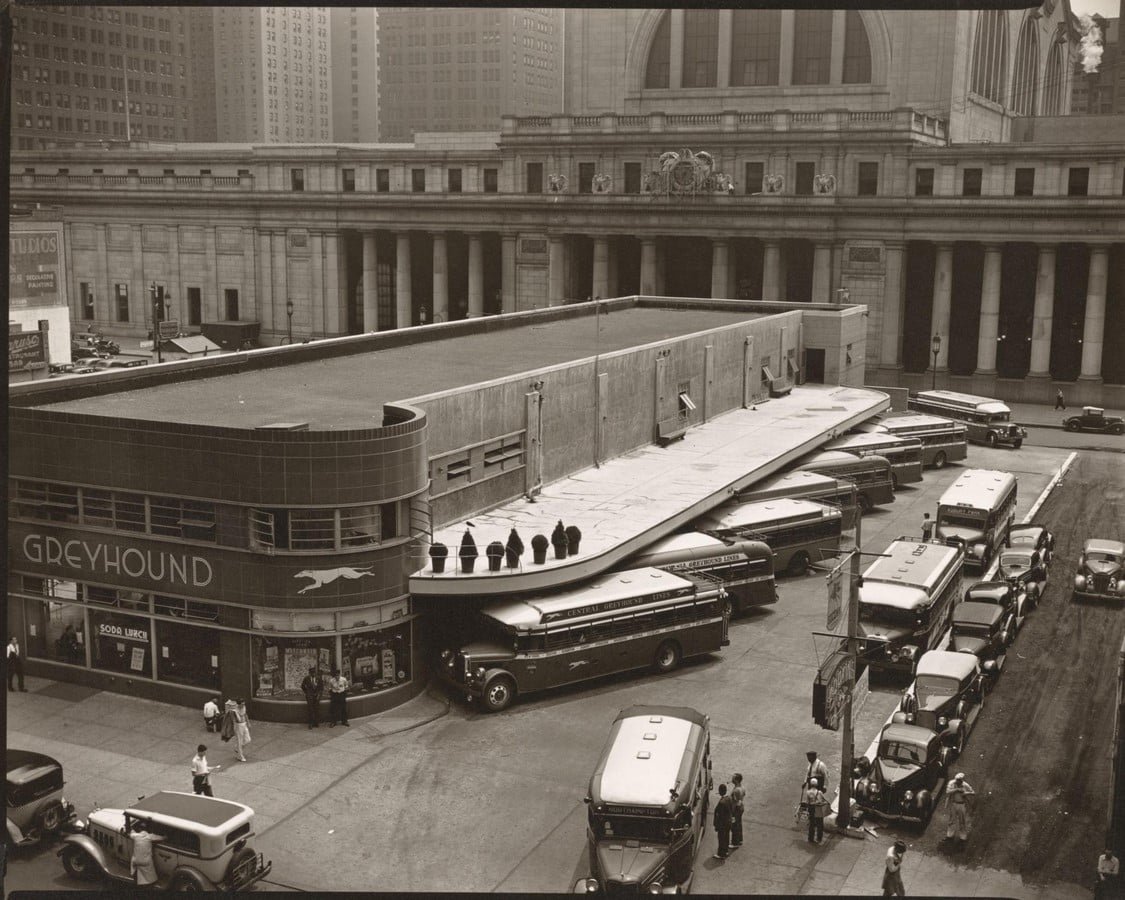
Designed by McKim, Mead & White, Pennsylvania Station was a response to a growing, ambitious New York. It welcomed people from across the country with the same grandeur that other cities reserved for palaces or cathedrals. Its main waiting room, inspired by Roman baths, was among the largest indoor spaces in the world. The concourse, laced with steel and glass, turned light into poetry. But as decades passed, priorities shifted. Efficiency replaced elegance. Real estate replaced ritual. And in 1963, the station was demolished to make room for Madison Square Garden and office towers. What was lost wasn’t just an architectural gem. It was an anchor in the collective rhythm of the city. It was the kind of space that reminded people they were part of something larger—of a city that respected pause, arrival, and grace. Its absence sparked outrage. Not just because of what vanished, but because of how silently it was allowed to happen.
The Memory That Built the Future
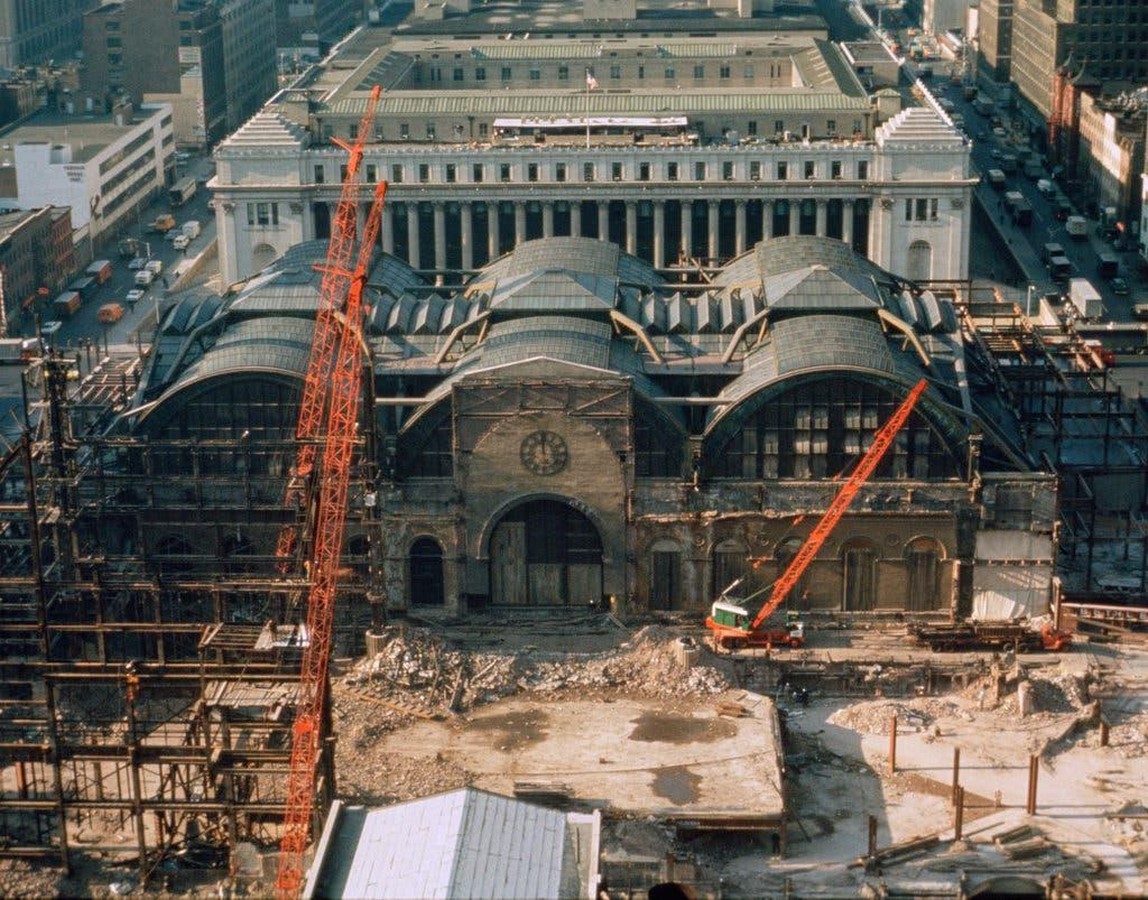
In its destruction, Pennsylvania Station created something no one expected: a movement. One that would change the course of preservation in the United States. The shock of its loss became a turning point—fueling the birth of landmark preservation laws and awakening a cultural conscience. People began to ask: What are we losing in the name of progress? The station’s memory became a warning and a rallying cry. And in many ways, it became more powerful in death than in life. Its demolition taught designers, citizens, and lawmakers that architecture holds emotional weight—and that once a building tied to our shared experience is lost, it cannot be rebuilt in the same way.
What Time Cannot Demolish
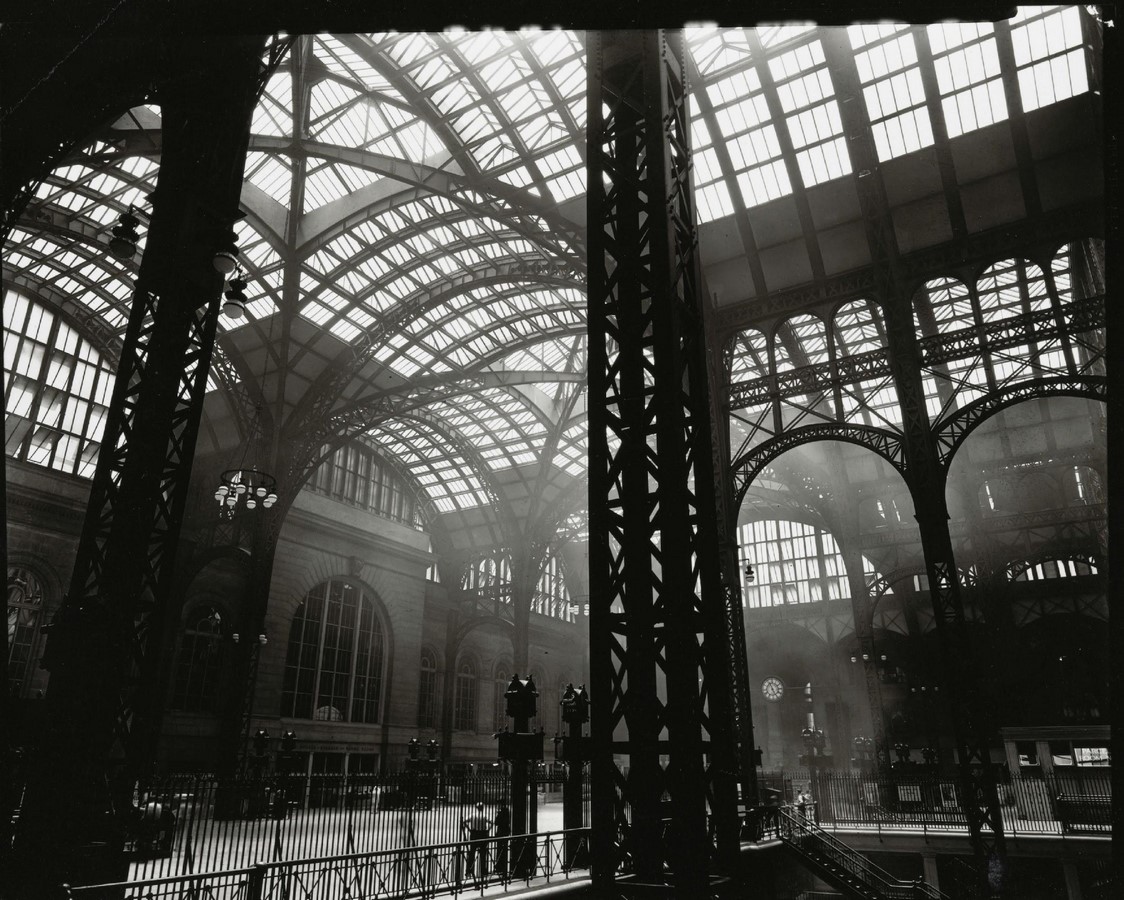
Though the columns are gone and the sun no longer pours through its glass, Pennsylvania Station still lives—in sketches, in photographs, in essays, and in the quiet resolve of every preservationist who refuses to let beauty go unnoticed again. It reminds us that architecture is not just what we see. It’s what we remember. It’s what shapes the background of our stories. We may rebuild walls and roofs, but we cannot replicate presence. What Pennsylvania Station offered was not just a design—it was an emotion. And perhaps, in the end, that’s the hardest thing to preserve.
Reference section:
Figure 1: What new plans to renovate Penn Station could mean for its future.
© The New York Times. (2023). What new plans to renovate Penn Station could mean for its future. [online] Available at: https://www.nytimes.com/2023/07/07/arts/design/penn-station-renovation-proposals.html [Accessed 15 Jul. 2025].
Figure 2: Greyhound Bus Terminal, 33rd and 34th Streets between Seventh and Eighth Avenues (1936).
© Abbott, B. (1936). Greyhound Bus Terminal, 33rd and 34th Streets between Seventh and Eighth Avenues. [Photograph]. The Miriam and Ira D. Wallach Division of Art, Prints and Photographs: Photography Collection. Available at: https://digitalcollections.nypl.org/items/4ae4e410-998a-013a-02b0-0242ac110003#/?uuid=8a1ba4e0-9992-013a-40b6-0242ac110003 [Accessed 15 Jul. 2025].
Figure 3: The demolition of Penn Station in the early 1960s.
© The New York Times. (2015). A place that made travelers feel important. [online] Available at: https://www.nytimes.com/2015/01/04/upshot/a-place-that-made-travelers-feel-important.html [Accessed 15 Jul. 2025].
Figure 4: Penn Station interior (1930–1939).
© Abbott, B. (1930–1939). Penn Station interior. [Photograph]. The Miriam and Ira D. Wallach Division of Art, Prints and Photographs: Photography Collection. Available at: https://digitalcollections.nypl.org/items/eb74f070-eb3a-013a-baf2-0242ac110003#/?uuid=20a89910-eb3c-013a-f80f-0242ac110003 [Accessed 15 Jul. 2025].