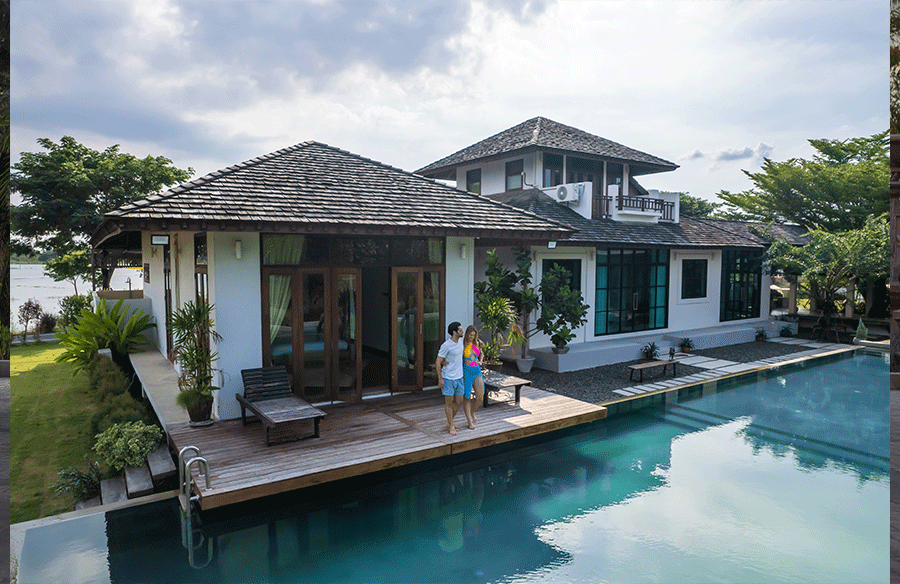
Stunning rice terraces, world-class surf, and a spiritual heartbeat have made Bali a magnet for property hunters. Yet one factor quietly drives how much money changes hands more than any other: architecture. From palm-thatch pavilions that honor centuries-old Hindu principles to sleek glass boxes worthy of an architecture magazine, the look and feel of a villa can nudge its sale price—or nightly rent—dramatically up or down. For the most sought-after villas for sale in Bali, innovative architecture is the key variable that transforms a simple property into a high-performing investment asset. Below is a concise guide that distills the key ways design affects value on the Island of the Gods.
1. Four Core Architectural Styles
Different buyers chase different experiences, so Bali’s architects have evolved four broad villa categories. Their construction costs, target guests, and resale figures differ just as much as their silhouettes.
Numbers reflect recent agency listings and cost guides; location can push them higher or lower.
2. Why Good Design Fetches More
- First-Impression Magic. Humans buy with their eyes. Villas that photograph beautifully lead click-through rates on Airbnb and grab attention during walkthroughs. A design that lights up Instagram can lift both occupancy and resale price more than a new hot-tub ever could.
- Function Equals Comfort. Bali is hot and humid. Designs that channel breezes, shade bedrooms, and keep rainwater out cut air-conditioning bills and glossy repair costs. Savvy buyers calculate those future savings into today’s offer.
- Scarcity Sells. Cookie-cutter concrete boxes crowd the outskirts of Canggu. A villa with rare craftsmanship—say, hand-carved volcanic stone or recycled teak beams—immediately steps out of the pack. Rarity breeds bidding wars.
- Future-Proof Features. Fast Wi-Fi in every corner, discreet solar panels, or a hidden EV-charging port signal that a villa can keep pace with modern guests and regulations. That future-readiness commands a premium.
3. How Each Style Performs in Real Life
Traditional Balinese
Buyers chasing soulful “Eat, Pray, Love” vibes love these homes. Separate pavilions for sleeping, dining, and yoga allow breezes to pass freely. Because materials are local, construction is cheaper, but upkeep of thatch and timber is higher, which caps prices. Steady cultural tourism means respectable, if not spectacular, returns.
Modern Tropical
Think marble islands, sliding glass walls, and sunsets melting into an infinity pool. This is Bali’s crowd-pleaser for wealthy Singaporean, Australian, and European buyers. High ceilings and clean lines still reference tropical living, so the villas feel Balinese without dated trim. Their broad appeal keeps occupancy and resale values robust even in softer markets.
Eco-Sustainable
Green is no longer a fringe request; it is becoming a booking filter. Solar arrays, bamboo arches, and grey-water systems allow owners to charge 10–15% more per night while spending less on utilities. Because land costs dominate total spend, those operational savings often pay back the green tech within five years. Investors with an eye on ESG metrics gravitate here, creating a small but fast-moving resale niche.
Ultra-Luxury Architect
These compounds perch on clifftops in Uluwatu or sprawl across beachfront in Seminyak. International starchitects blend imported travertine with Balinese textures, delivering a one-of-a-kind statement home. The buyer pool is tiny—but so is the available inventory—which keeps price tags stratospheric. Rental yields can still land in double digits thanks to weekly rates that rival five-star hotel penthouses.
4. Location Still Matters
Great architecture can’t fix a wrong address. In prime zones like Seminyak’s Petitenget strip or Ubud’s river valleys, land scarcity inflates every price tag. Lesser-known pockets—Pererenan five years ago, Seseh today—offer bigger upside if infrastructure (think good roads and fiber optics) arrives on time.
Rule of thumb: A villa in a rising neighborhood can gain 30–50% in capital value once the first wave of cafés and co-working spaces opens their doors.
5. Cost Versus Value: The Design Trade-Offs
Imported vs. Local Materials
Imported Italian terrazzo might wow buyers, but local river-stone floors cost a fraction and age gracefully. Splurge where the hand touches and economize where the eye simply glances.
Passive Cooling vs. Bigger AC Units
Positioning windows to catch prevailing breezes costs nothing in plans but saves thousands in electricity. Guests notice comfort, not the size of the compressor outside.
Modular Construction
Prefab bamboo panels or steel frames can cut build time by months—crucial when interest costs pile up. The faster a villa hits the rental market, the sooner revenue starts offsetting the loan.
6. Design Trends to Watch
Biophilic Interiors. Living walls and indoor koi ponds blur boundaries between nature and living space, a hit on social feeds.
Hybrid Villas. Extra rooms that flip from yoga shala to Zoom-ready office reflect remote-work demand.
Quiet Luxury.Instead of gold faucets, clients want invisible hinges, tactile linens, and curated—and often local—artwork.
7. Practical Tips for Buyers and Developers
Hire a Reputable Architect Early
Changing the roofline after foundations are poured burns cash. A seasoned architect balances aesthetics, customs approvals, and build logistics from day one.
Think Like a Hotelier
Even if you plan to live in the villa, future rental guests will judge storage, lighting, and privacy. Smart planning now avoids costly retrofits.
Run a Realistic Rental Pro-Forma
Over-optimistic occupancy assumptions can sink a project. Use conservative 60–70% occupancy figures and market-rate nightly prices in early spreadsheets.
Secure Green Certifications
Simple audits from organizations like EDGE or LEED often unlock marketing advantages and even bank incentives.
8. Key Takeaways
Design drives dollars. A visually striking, well-engineered villa consistently outperforms a generic build on both resale and rental metrics.
Eco features are no longer optional. Solar power, recycled water, and sustainable materials lift nightly rates and slash bills.
Know your audience. Traditional lovers, modern minimalists, and ultra-luxury collectors value different things—design accordingly.
Where you build amplifies what you build. A modest villa in Seminyak may still out-earn a show-stopper in an unproven area—until that area takes off.
Final Word
In Bali, architecture is not just art; it is an investment lever. A pair of thoughtful design decisions made on paper today—choosing shaded corridors over glass heat traps, or channeling temple geometry into a garden pavilion—can echo through sale contracts years later. When the island’s ever-curious visitors swing your gate open, let the first glimpse tell a story that’s authentic, climate-smart, and unforgettable. The market will reward you for it.